

If your baby fusses during tummy time, you’re not alone. Many newborns find lying on their stomach uncomfortable at first, but with the right support, those early moments can become fun and enjoyable. A tummy time pillow elevates your baby just enough to reduce strain while increasing visibility, making it easier for infants to lift their heads and explore their surroundings. This guide shows you exactly how to use a tummy time pillow safely and effectively.
Using a tummy time pillow correctly helps your baby build essential muscles, supports motor development, and keeps them entertained. Whether you’re just starting out or looking to improve your current routine, these practical steps will help you make the most of every session.
Choose the Right Tummy Time Pillow
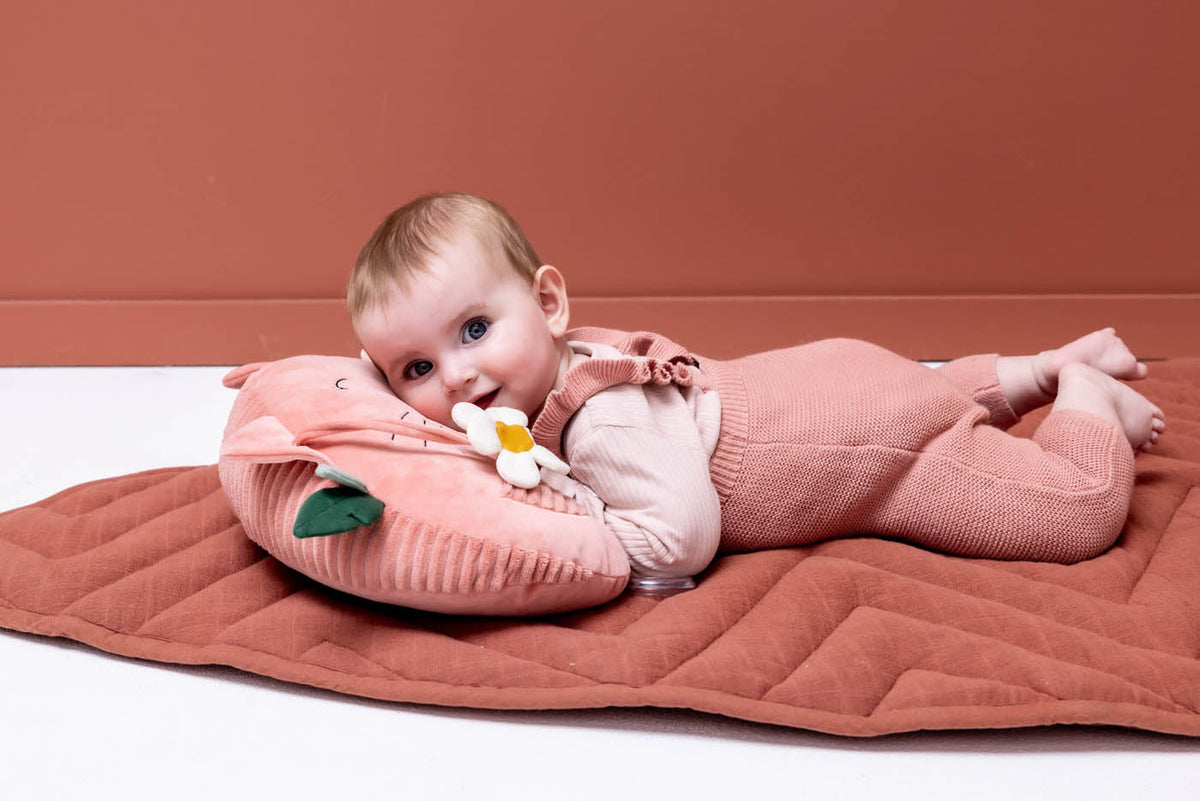
Before using a tummy time pillow, ensure it’s designed for infant safety and development. The Trixie tummy time pillow combines softness with firm support using organic and recycled materials.
Look for Key Safety Features
Select a pillow with these essential characteristics.
A firm but cushioned base prevents sinking and reduces suffocation risk. An elevated head and chest support helps baby breathe easily while exercising. Non-toxic, breathable fabrics keep sensitive skin safe and comfortable. A stable, low-profile design reduces tipping or sliding during use.
Avoid pillows that are too soft, flat, or oversized. Always check manufacturer guidelines. Most tummy time pillows, including the Trixie option, are recommended for babies 3 months and up, when neck control begins to develop.
Prepare a Safe Play Area
Setting up the right environment ensures your baby stays safe and focused during tummy time.
Use a Flat, Soft Surface
Place the pillow on a firm yet soft surface like a play mat or carpeted floor. Never place it on a bed or sofa where your baby could roll off and fall.
Clear the Zone
Remove loose toys, blankets, or cords within reach. Keep the area well-ventilated and free from hazards that could cause injury.
Check Positioning
Center the pillow so it won’t shift during use. Make sure your baby’s arms are positioned comfortably in front, not trapped under the body.
Always supervise your baby during tummy time. Never leave them unattended, even for a few seconds.
Position Baby on the Pillow
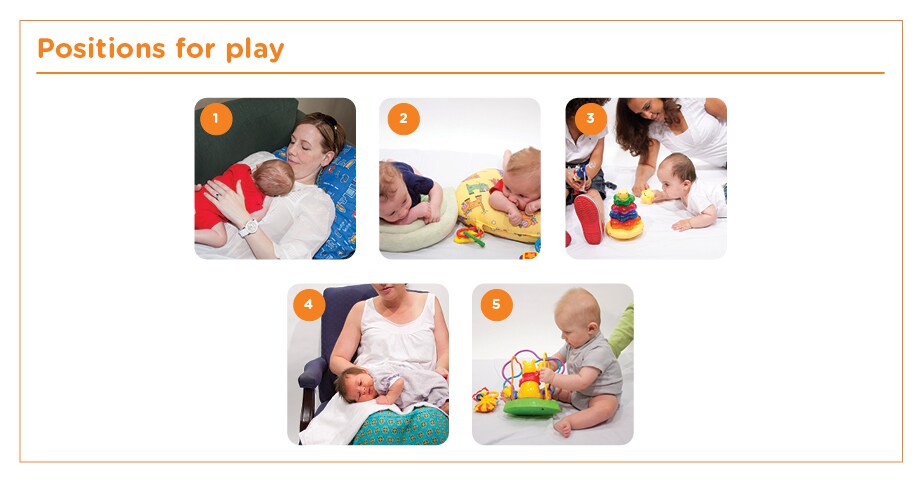
Proper placement on the pillow ensures comfort, safety, and effective muscle engagement.
Align Head and Spine
Gently place your baby face-down with their chest resting on the raised part of the pillow. Their head should be slightly elevated, allowing them to lift it with less effort.
Support Natural Movement
Ensure shoulders are above elbows so arms can bear weight. This encourages pushing up, which is a key step in building upper body strength.
Watch for Discomfort
If your baby arches back, cries, or turns away, they may be over-tired or uncomfortable. Try again later with a shorter session.
Dress your baby in comfortable clothing to allow free arm and leg movement during tummy time.
Start with Short Sessions
Babies have short attention spans and limited strength early on. Begin gently to build tolerance and positive associations.
Begin at 2–3 Minutes
Start with 2–3 minutes, 2–3 times per day. Gradually increase as your baby grows stronger and more engaged.
Follow Baby’s Cues
If they’re lifting their head, cooing, or reaching for toys, they’re ready for more. If they cry or go limp, end the session immediately.
Build a Routine
Try tummy time after diaper changes or naps. These predictable moments when baby is calm and alert often work best.
By 6 months, aim for about 20–30 minutes total per day, spread across multiple sessions.
Keep Baby Engaged During Tummy Time
A tummy time pillow isn’t just support. It’s a platform for sensory exploration and learning.
Add Visual Stimulation
Hang a baby-safe mirror or place high-contrast toys within eye level. The Trixie pillow’s design encourages interaction with colorful textures and patterns.
Get Down to Their Level
Lie face-to-face on the floor. Your baby will be more motivated to lift their head to see you.
Sing or Talk Softly
Your voice is both comforting and stimulating. Narrate what you’re doing or sing simple songs to hold their attention.
Use rattles or crinkle toys just out of reach to encourage reaching and weight shifting.
Monitor Developmental Progress

Tummy time isn’t just play. It’s foundational for physical milestones that come later.
Track Key Milestones
By 3–4 months, your baby should lift their head 45–90 degrees, push up on forearms, and turn their head side to side freely. By 5–6 months, they should push up on hands, rock back and forth, and begin to roll or crawl.
Using the tummy time pillow consistently helps accelerate these skills by reducing strain and increasing practice time.
Adjust Support as Needed
As your baby grows stronger, they may need less elevation. Transition to floor-only tummy time or use the pillow intermittently for variety.
Clean and Maintain the Pillow
Keeping the pillow hygienic ensures long-term safety and comfort for your baby.
Spot Clean Regularly
Wipe surfaces with a damp cloth and mild soap. Focus on areas where saliva or drool accumulates.
Remove and Wash Cover
If the pillow has a removable cover, machine wash it in cold water on a gentle cycle. The Trixie pillow features a removable cover for easy cleaning.
Air Dry Completely
Never use a dryer or direct heat. This can damage fabric and padding. Let it dry flat away from direct sunlight.
Inspect the pillow weekly for wear, tears, or deformation. Replace immediately if damaged.
Avoid Common Mistakes
Even with the right tools, small errors can reduce effectiveness or create risks.
Don’t Use During Sleep
Tummy time pillows are not sleep aids. Never let your baby sleep on the pillow or use it in a crib.
Don’t Force It
If your baby resists, don’t push through crying. Try shorter sessions or different times of day.
Don’t Skip Supervision
Even on a safe pillow, babies can shift or become distressed quickly. Always stay present.
Don’t Use Too Early
Most pillows are meant for 3 months and up. Newborns lack the neck strength to benefit and may be at higher risk.
Troubleshoot Resistance
Some babies hate tummy time at first. That’s normal. Here’s how to help them adjust.
Try Different Times
Avoid using the pillow right after feeding. Wait 20–30 minutes to prevent reflux or discomfort.
Use a Rolled Towel First
If the pillow feels too high, start with a rolled blanket under the chest for gentler support.
Combine with Lap Time
Place baby on your lap, face-down, for a few minutes. It provides similar muscle work with more comfort and closeness.
Pair tummy time with a favorite song or toy to create positive associations. This strategy helps babies accept the routine more quickly.
Maximize Benefits with Play
Turn tummy time into interactive learning with simple games and activities.
Mirror Play
Place a baby-safe mirror in front of your baby. Watching their own face motivates head lifting and focus.
Toy Reaching
Set toys just beyond reach to encourage stretching and weight shifting.
Obstacle Courses
As baby gains strength, place soft blocks or cushions nearby to navigate around. This is excellent early crawling preparation.
Use the pillow for seated play later. At 6–8 months, it can support babies learning to sit independently.
When to Stop Using the Pillow
As your baby grows, they’ll outgrow the need for extra support.
Signs It’s Time to Transition
Your baby can push up confidently on hands. They roll, sit, or crawl independently. They resist or try to climb off the pillow.
At this point, shift to floor-based tummy time or use the pillow for seated play or sensory activities.
Repurpose the Pillow
Even after tummy time ends, the pillow can serve other purposes. Use it for support during story time, cushioning in playpens, or sensory exploration with different textures and sounds.
Frequently Asked Questions About Using a Tummy Time Pillow
At what age can I start using a tummy time pillow?
Most tummy time pillows, including the Trixie, are designed for babies 3 months and up. This is when babies begin to develop neck control and can lift their heads with less assistance.
How long should tummy time sessions last?
Start with 2–3 minutes, 2–3 times per day. Gradually increase as your baby grows stronger. By 6 months, aim for 20–30 minutes total per day spread across multiple sessions.
Is a tummy time pillow safe for my baby?
Yes, when used correctly. Choose a pillow with firm support, non-toxic materials, and stable design. Always supervise your baby and never use the pillow for sleep.
What if my baby cries during tummy time?
If your baby cries, end the session. Try shorter sessions, different times of day, or use a rolled towel for gentler support first. Pair tummy time with songs or toys to create positive associations.
How do I clean my tummy time pillow?
Spot clean regularly with a damp cloth and mild soap. If there’s a removable cover, machine wash it in cold water on gentle cycle. Air dry completely away from direct heat or sunlight.
When should I stop using the tummy time pillow?
Transition when your baby can push up confidently on hands, rolls or crawls independently, or resists the pillow. Most babies outgrow the need for extra support around 6–8 months.
Key Takeaways for Using a Tummy Time Pillow Effectively
Knowing how to use a tummy time pillow properly transforms a challenging routine into a fun developmental activity. Choose a safe, age-appropriate pillow with firm support and non-toxic materials. Always prepare a flat, supervised play area and position your baby correctly with their chest supported and arms free to move.
Start with short 2–3 minute sessions and gradually increase as your baby builds strength. Keep sessions engaging with mirrors, toys, and your voice. Monitor developmental milestones and transition to floor-only time when your baby outgrows the pillow.
With consistent, joyful practice, tummy time becomes more than a milestone. It becomes a moment you both look forward to, building your baby’s strength, coordination, and confidence one session at a time.