
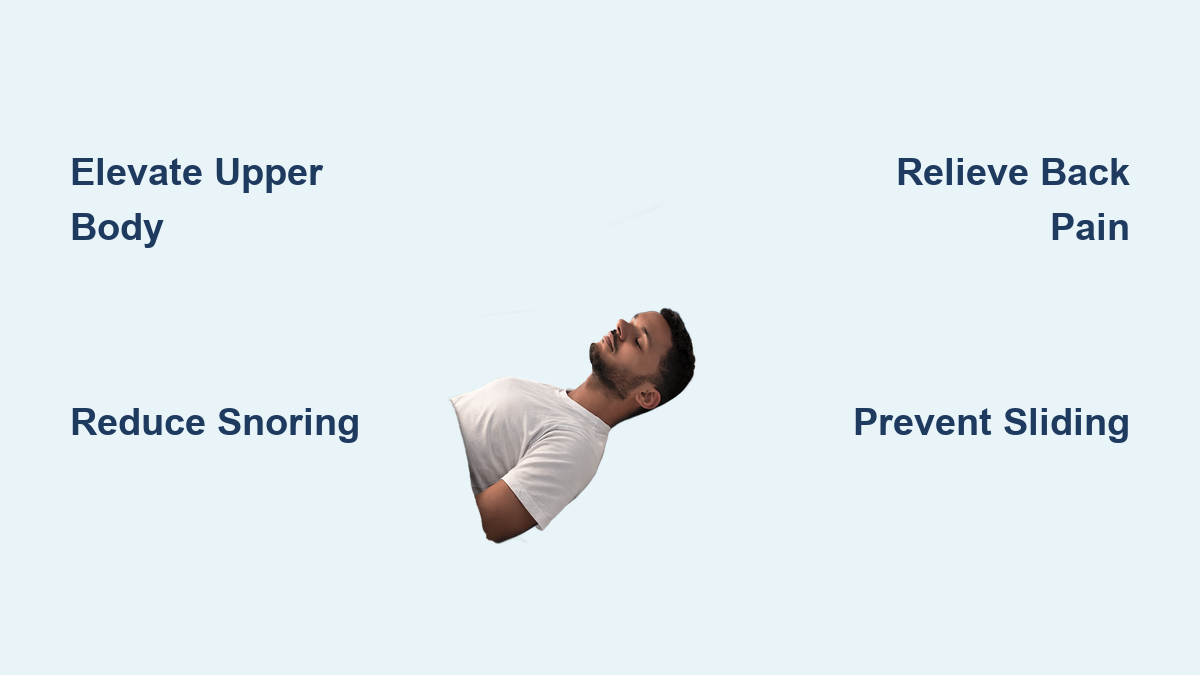
Waking up with heartburn, neck pain, or swollen legs? You’re not alone. Millions struggle with sleep discomfort caused by poor positioning, but there is a simple solution: the wedge pillow. This triangular support tool elevates your upper body or legs to improve posture, digestion, breathing, and circulation. If you have ever wondered how to use a wedge pillow effectively, this guide delivers step-by-step instructions for every need.
Unlike regular pillows that flatten under pressure, wedge pillows are built from high-density memory foam to maintain a firm, stable incline all night. Whether you sleep on your back, side, or need leg elevation, proper use can transform your rest. You will also learn how to prevent sliding, clean your pillow, and maximize long-term comfort.
Choose the Right Wedge Pillow for Your Needs

Selecting the correct wedge pillow is the first step toward better sleep. The type you choose should match your specific condition or goal.
Match the Type to Your Condition
Not all wedge pillows serve the same purpose. Consider these options:
• Full-body upper wedge (30–35° incline): Best for acid reflux, snoring, sleep apnea, and upper back support
• Leg wedge (lower slope): Designed for elevating legs to reduce swelling and improve circulation
• Compact travel wedge: Portable size for temporary relief during trips or couch use
Look for high-density memory foam that resists sagging and maintains shape over time. Avoid low-density foam that collapses under body weight.
Check Cover Features Before Buying
A removable, zippered cover makes maintenance easy. Quality models typically feature velour fabric that is soft, breathable, and gentle on skin. Ensure the cover has a full-length zipper for complete removal of the foam core. Most importantly, verify the cover is machine-washable and can be air-dried or tumble-dried on low heat.
Position for Acid Reflux and GERD Relief
Acid reflux and GERD symptoms often worsen when lying flat. Using a wedge pillow creates gravity-assisted relief that standard pillows cannot provide.
Elevate Upper Body at the Correct Angle
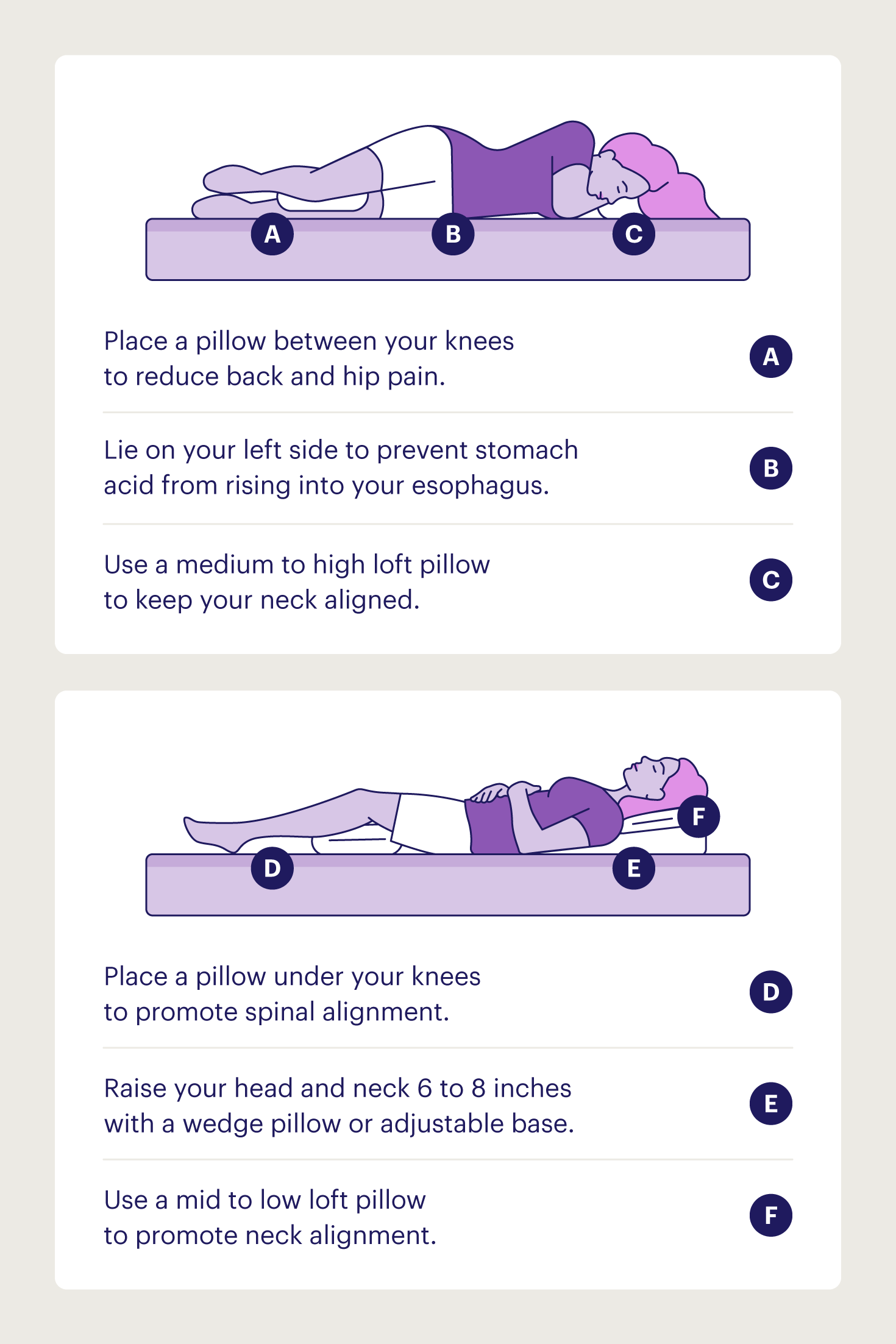
To prevent stomach acid from rising into the esophagus, raise your torso using gravity. Place the thick end of the wedge at the headboard with the flat base on the mattress. Lie back so your head, shoulders, and upper chest rest on the incline.
This 30–35 degree angle is clinically effective and used in NHS settings with Putnams wedge pillows. It outperforms stacking regular pillows, which only lift the head and bend the neck into an uncomfortable position.
Sleep on Your Back for Maximum Benefit
Back sleeping maximizes the anti-reflux benefit. Avoid lying on your side or stomach, as these positions can compress the abdomen and worsen reflux. Combine with a soft neck cushion to keep your spine aligned and prevent neck strain while maintaining this position throughout the night.
Reduce Snoring and Mild Sleep Apnea
Snoring and mild sleep apnea often stem from airway obstruction caused by lying flat. Elevating your upper body helps keep the airway open.
Open Your Airway Naturally
Elevating your upper body helps keep the airway open by reducing soft tissue collapse in the throat. This decreases snoring and improves breathing for people with mild obstructive sleep apnea.
Place the wedge as you would for acid reflux, thick end at the headboard, body supported from head to mid-back. Keep your neck neutral, not bent forward. One user reported, “I have used the wedge for a couple of weeks now and find it really comfortable. It is also helping with my sleep apnea.”
Combine with Healthy Sleep Habits
For best results, avoid alcohol before bed. Maintain a healthy weight and use the wedge consistently every night. Note that wedge pillows are not a substitute for CPAP therapy in moderate to severe sleep apnea cases.
Support Neck and Spine Alignment
Poor neck posture leads to stiffness, pain, and morning headaches. Proper positioning on the wedge pillow can correct this.
Align Your Head with Your Spine
Position the thick end of the wedge just below your shoulders. Your head should rest naturally along the slope, keeping the neck in line with the spine. Avoid placing the wedge too high under the head, as that creates forward head posture and strains neck muscles.
Adjust for Different Sleeping Positions
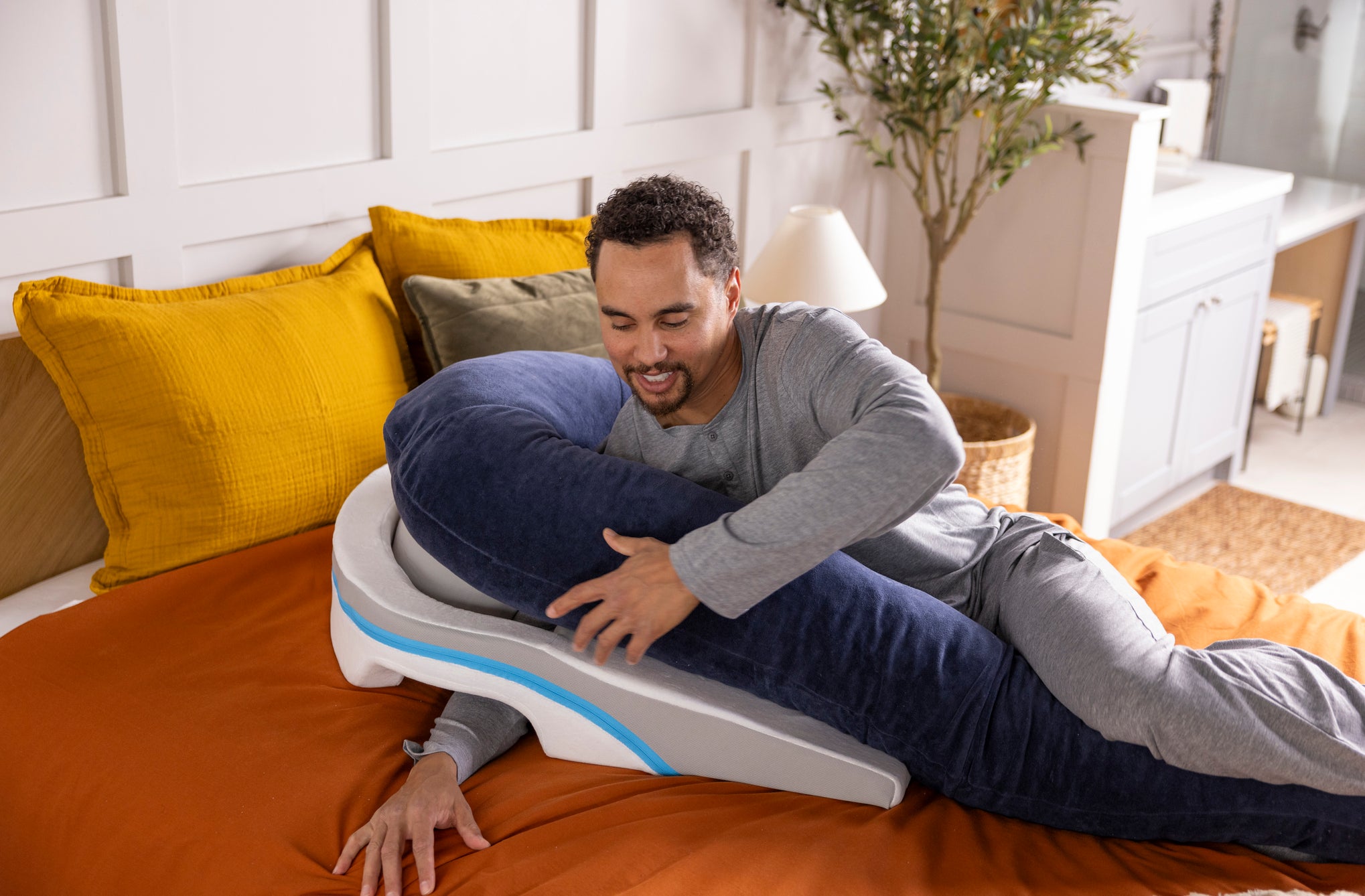
Back sleepers benefit from full upper-body elevation that supports natural spinal curvature. Side sleepers should use a 30–45 degree wedge with the thick end under the shoulder, keeping the head centered on the incline to avoid tilting. Add a body pillow between the knees to balance hip alignment and reduce pressure on the lower back.
Relieve Back and Knee Pain
Wedge pillows are excellent tools for managing chronic pain conditions affecting the lower body.
Reduce Lower Back Pressure
Place the wedge under your knees while lying on your back. This slight bend relaxes the lumbar muscles and reduces strain on the spine. This position is especially helpful if you sit all day or suffer from chronic lower back pain. The support mimics the posture of a recliner without the slouch.
Support Knees and Joints
For joint pain from arthritis, sciatica, or injury, rest your calves on the wedge with feet elevated slightly above heart level. Maintain a gentle bend in the knees to ease pressure on joints. This position also improves circulation and reduces nighttime cramps that often accompany these conditions.
Elevate Legs for Circulation and Swelling

At the end of the day, fluid pools in the legs due to gravity. Elevating your legs above heart level encourages drainage and reduces discomfort.
Combat Swollen Ankles and Varicose Veins
Position the wedge at the foot of the bed, thin end facing your hips. Rest calves and feet on the incline, keeping ankles higher than knees. Use this position daily if you stand or sit for long hours, are pregnant, or have varicose veins or lymphedema.
Aid Post-Surgery Recovery
After leg, abdominal, or spinal surgery, doctors often recommend leg elevation to reduce swelling and speed healing. The firm memory foam provides stable, hygienic support. Pair with a removable cover for easy cleaning during recovery.
Sit Comfortably in Bed
Wedge pillows are not just for sleeping. They provide excellent support for upright activities in bed.
Read, Work, or Watch TV Pain-Free
Forget propping yourself up with stacked pillows. Place the wedge against the headboard and sit with your hips close to the base. The flat, firm surface supports your back and prevents the C-shaped slouch that causes neck and shoulder pain during prolonged sitting.
Use as a Laptop or Reading Surface
The wide top of the wedge makes an excellent surface for laptops, tablets, books, and meals. No need for extra trays. Simply position the wedge securely and work comfortably in bed. This makes the wedge pillow perfect for remote work or reading before sleep.
Prevent Sliding Down the Pillow
Sliding down the wedge is a common complaint among new users. Several strategies can prevent this issue.
Choose the Optimal Incline Angle
A 30–35 degree slope offers the best balance between therapeutic elevation and stability. Steeper angles increase sliding risk. High-density memory foam molds to your body, creating natural grip. Avoid cheaper foam that feels slippery.
Secure the Wedge in Place
Use a fitted sheet to hold the wedge firmly on the mattress. Place a non-slip mat or soft towel under the sheet for extra traction. Position your body fully against the wedge to maximize contact area and reduce movement. Some users place a small rolled towel at the base of the wedge to act as a backstop.
Clean and Maintain Your Wedge Pillow
Proper maintenance extends the life of your wedge pillow and ensures hygienic use.
Wash the Cover Regularly
Clean the cover every 1–2 weeks. Unzip and remove the memory foam insert. Machine-wash the cover on cold with mild detergent. Air-dry or tumble-dry on low heat. Never soak or submerge the foam, as moisture can cause mold and breakdown.
Protect the Foam Core
Keep the wedge away from direct sunlight to prevent UV degradation. Avoid placing heavy objects on the wedge when not in use. Rotate occasionally if used in one position long-term to ensure even wear. With proper care, most high-quality wedges last 3–5 years.
Combine with Other Sleep Aids
Enhance your wedge pillow setup by pairing it with complementary supports.
Add Supporting Pillows for Better Comfort
While the wedge provides structural elevation, pairing it with other pillows boosts comfort. Use a neck pillow for contoured support for side sleepers. Place a body pillow between the knees to align hips and reduce pressure. Add a lumbar roll behind the lower back when sitting upright. Avoid over-stuffing, as too many pillows can disrupt alignment.
Use on a Firm Mattress
For maximum effectiveness, place the wedge on a flat, supportive mattress. Sagging or overly soft beds reduce the incline and compromise benefits. If your bed sags, consider placing a board under the mattress or upgrading to a firmer foundation.
Long-Term Use Tips
Getting the most from your wedge pillow requires experimentation and patience.
Experiment with Positioning
Everyone’s body is different. Try slight adjustments to find what works best. Move the wedge higher or lower. Change the angle by folding a towel underneath. Test back versus side sleeping. Find what relieves your symptoms without causing new discomfort.
Monitor for Improved Symptoms
Track changes over 2–4 weeks. Note whether you have reduced nighttime heartburn, less morning stiffness, or improved leg swelling. Consistent use yields the best results. Do not expect instant fixes, as your body needs time to adapt to the new sleeping position.
Know When to Replace
Signs it is time for a new wedge include foam sagging or developing indentations, loss of incline effectiveness, and cover fraying or becoming hard to clean. Check manufacturer warranty, as some brands offer 5-year guarantees.
Real-World Benefits and User Feedback
Wedge pillows have proven effective in both clinical and home settings.
Trusted in Clinical Settings
The Putnams Standard Bed Wedge is used by the NHS, confirming its alignment with clinical elevation standards. One user noted, “Excellent bed wedge, good size and level of elevation so comfortable for a good night’s sleep. As it is used by NHS, I was confident that the angle of elevation met clinical recommendations.”
Versatile for Home and Recovery Use
From managing chronic conditions to post-op recovery, users praise the versatility. The wedge has been demonstrated on Amazon Live for reading, working, and reflux relief. Its multi-functional design makes it a go-to for home wellness.
Where to Buy and Learn More
Looking for top-rated options? Consider these popular choices:
• ABCO Sport Bed Wedge: Durable, multi-use, great for reading and recovery
• Putnams Memory Foam Wedge: NHS-trusted, ideal for reflux and snoring
• Generic high-density foam wedge with velour cover: Budget-friendly and widely available
For expert advice on sleep ergonomics and positioning, visit www.thegoodsleepexpert.com.
Frequently Asked Questions About Using a Wedge Pillow
How do I know what angle wedge pillow I need?
The angle depends on your specific condition. A 30–35 degree incline works best for acid reflux, snoring, and general upper body elevation. A lower angle is ideal for leg elevation. Start with a moderate angle and adjust based on comfort and symptom relief.
Can I use a wedge pillow if I sleep on my side?
Yes, side sleepers can use a wedge pillow. Position the thicker end under your head and shoulders, keeping your head centered on the incline to maintain spinal neutrality. Add a body pillow between your knees for better hip alignment.
Will a wedge pillow help with back pain?
Yes, when used correctly. Placing the wedge under your knees while lying on your back relaxes the lumbar muscles and reduces spinal strain. The elevation takes pressure off the lower back, which is particularly helpful for those who sit for long periods.
How do I stop sliding down my wedge pillow at night?
Choose a 30–35 degree incline, which offers the best stability. Use a fitted sheet to secure the wedge to the mattress. Place a non-slip mat or towel under the sheet for extra grip. Ensure full body contact with the wedge surface to maximize stability.
Can I use a wedge pillow after surgery?
Yes, wedge pillows are commonly recommended for post-surgery recovery. They help maintain therapeutic positions, reduce swelling, and provide support. Ensure the cover is removable and washable for easy cleaning during recovery.
How long do wedge pillows last?
With proper care, high-quality wedge pillows typically last 3–5 years. Signs it is time for a replacement include visible sagging, loss of shape, or decreased effectiveness in maintaining the incline.
Key Takeaways for Using Your Wedge Pillow
A wedge pillow is a simple yet powerful tool for better sleep and health. Whether you are fighting acid reflux, easing back pain, or recovering from surgery, proper use can bring real relief. The key is choosing the right angle for your needs, typically 30–35 degrees for upper body elevation and a lower slope for leg support.
Positioning matters significantly. Place the thick end at the headboard for reflux and snoring relief, or rotate to the foot of the bed for leg elevation. Combine with a body pillow or neck cushion for added comfort and spinal alignment.
Maintenance is straightforward. Wash the cover every 1–2 weeks, protect the foam from moisture and sunlight, and replace when you notice sagging or loss of support. With the right positioning, maintenance, and combination of supports, you will get the most from your investment without needing an adjustable bed. Start tonight by trying one of the positions outlined above.