

If you wake up with heartburn, neck pain, or trouble breathing at night, a wedge pillow could be the game-changer you’ve been missing. Unlike stacking regular pillows, a true wedge pillow provides consistent, stable elevation that supports your body’s natural alignment, whether you’re managing acid reflux, recovering from surgery, or just want to read in bed without back strain. With so many models, sizes, and materials on the market, choosing the right one can feel overwhelming. This guide cuts through the noise, using real medical insights and material science to help you pick the best wedge pillow for your health, sleep style, and budget. You’ll learn exactly what to look for, from incline height to non-slip bases, and avoid common mistakes that could sabotage your results.
Match Your Wedge Pillow to Your Health Need
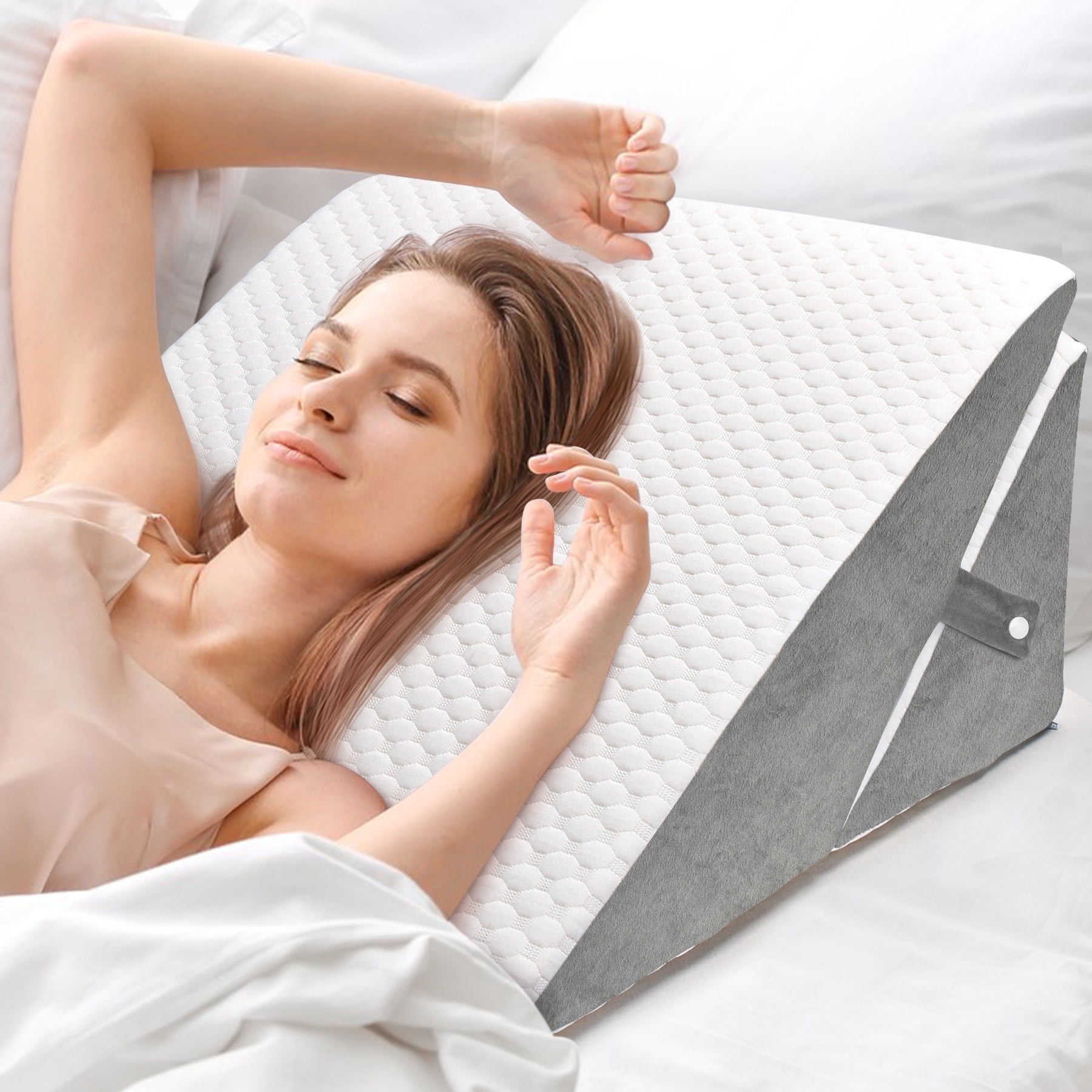
Acid Reflux and GERD: Elevation Is Medicine
For GERD and nighttime heartburn, a wedge pillow lifts your upper body at a 30 to 45 degree angle, keeping stomach acid where it belongs. Research shows that consistent elevation reduces acid exposure and improves sleep quality. Look for a 10 to 12 inch height range, which is clinically effective and often prescribed post-surgery. Avoid soft or low pillows under 7 inches, as they won’t provide enough lift. Models like the Helix 10 inch, Sasty 12 inch, or Cul’s deliver firm, sustained support. Remember that elevation complements medication but does not replace it. Always consult your doctor for chronic reflux.
Stop Snoring and Improve Breathing
Elevating your head opens airways and reduces throat tissue collapse, the root cause of snoring and mild sleep apnea. A 10 inch or taller wedge helps maintain an open airway, especially for back sleepers. But height alone is not enough. Neck alignment matters. A contoured design like the Aerys or Helix keeps your spine neutral, preventing strain. Dr. Chelsea Perry, a sleep specialist, notes that 30 degrees is enough for mild snoring while 45 degrees may benefit moderate apnea. Pair your wedge with a CPAP machine for even better results.
Relieve Back and Neck Pain
Back sleepers with lower back pain should place a leg wedge under the knees to reduce spinal pressure. For upper back and neck pain, an upper-body wedge keeps your spine aligned. The Sasty, King Fun, and Lunix models are praised for supporting chronic pain and post-surgical recovery. Use firm foam to avoid sinking, which can misalign your spine. Post-surgery patients, especially after spinal, abdominal, or C-section procedures, benefit from the stable support a wedge provides during healing.
Speed Up Post-Surgery Recovery
After shoulder, heart, lung, or abdominal surgery, doctors often prescribe 30 to 45 degree elevation to reduce strain, improve breathing, and prevent complications. A wedge pillow keeps arms in a safe position, reduces nerve compression, and enhances circulation. Use it for 3 to 6 weeks, gradually lowering the incline as you heal. The MedCline Shoulder Relief System and Sleep Again Pillow System are designed specifically for recovery, offering extra-wide support and arm pockets to prevent impingement.
Boost Circulation with Leg Elevation
Elevating your legs above heart level reduces swelling from varicose veins, pregnancy, or long periods of standing. Use a horizontal wedge under your calves or knees. Dual-use models like the Cozymaker or Aerys flip between head and leg positions. For best results, elevate for 15 to 30 minutes daily or overnight if comfortable.
Read, Work, or Watch TV in Bed
A 12 inch wedge gives full upper-body support for sitting upright in bed. It prevents slouching and reduces neck fatigue during long reading or screen sessions. Look for models with side pockets, like the IFN Now, Bedux, or Tesica, to store remotes, tablets, or books. These are ideal for people with limited mobility or those recovering in bed.
Support a Healthy Pregnancy
Pregnant women use wedge pillows to ease acid reflux, shortness of breath, and back pain. Elevating the upper body helps breathing, while placing a wedge between the knees supports spinal alignment during side sleeping. The Hansleep or Aerys flip wedge offers dual use for both needs.
Choose the Right Incline Height
Low to Moderate Heights for Light Support
A 2.5 inch wedge works for lumbar support or light reclining. The Casper Backrest fits this category. A 6 inch wedge is better for shoulder surgery or mild reflux. The MedCline Shoulder Relief uses this height to balance comfort and therapeutic benefit. An 8 inch wedge is ideal for moderate acid reflux, lounging, or reading. Models like Cozymaker and Tesica offer this height with a balance of support and comfort. It is a good middle ground if you are unsure about going higher.
Maximum Heights for Full Therapeutic Benefit
For GERD, snoring, or full upright sitting, go with 10 to 12 inches. A 10 inch wedge, like Helix or Brentwood Home Zuma, delivers 30 to 35 degree elevation, ideal for most medical needs. A 12 inch wedge, like Sasty or Cozymaker, hits 45 degrees, perfect for severe reflux, leg elevation, or working in bed. Start with 12 inches post-surgery and taper down as you heal.
Size Matters: Standard vs. Extra Wide

When a 24 Inch Wedge Works
Standard wedges are 24 inches wide and suit people under 5’4″ or under 140 pounds. They are cheaper and work for short-term use or minor procedures. But many users report arms hanging off the edge, causing numbness. If you are broad-shouldered or share a bed, this size may not cut it.
Why 30 Inches Is Better for Most Adults
An extra-wide 30 inch wedge fits taller individuals and those over 160 pounds. It allows full arm extension, reduces nighttime movement, and leaves space for a partner on a queen bed. It is essential for shoulder, chest, or heart surgery and long-term recovery. Models like Hansleep, Lunix, and Tesica offer 30 inch options. Most adults need 22 to 30 inches of space. Measure your shoulder width plus 6 to 8 inches for arm spread.
Use this decision framework to pick your size:
• Under 5’4″ and under 140 lbs: Choose standard 24 inch
• 5’4″ or taller, or over 160 lbs: Choose extra wide 30 inch
• Major surgery recovery: Choose extra wide
• Recovery longer than 3 weeks: Choose extra wide
• Sharing the bed: Choose extra wide
Know Your Materials Inside Out
Memory Foam Provides Durable Support
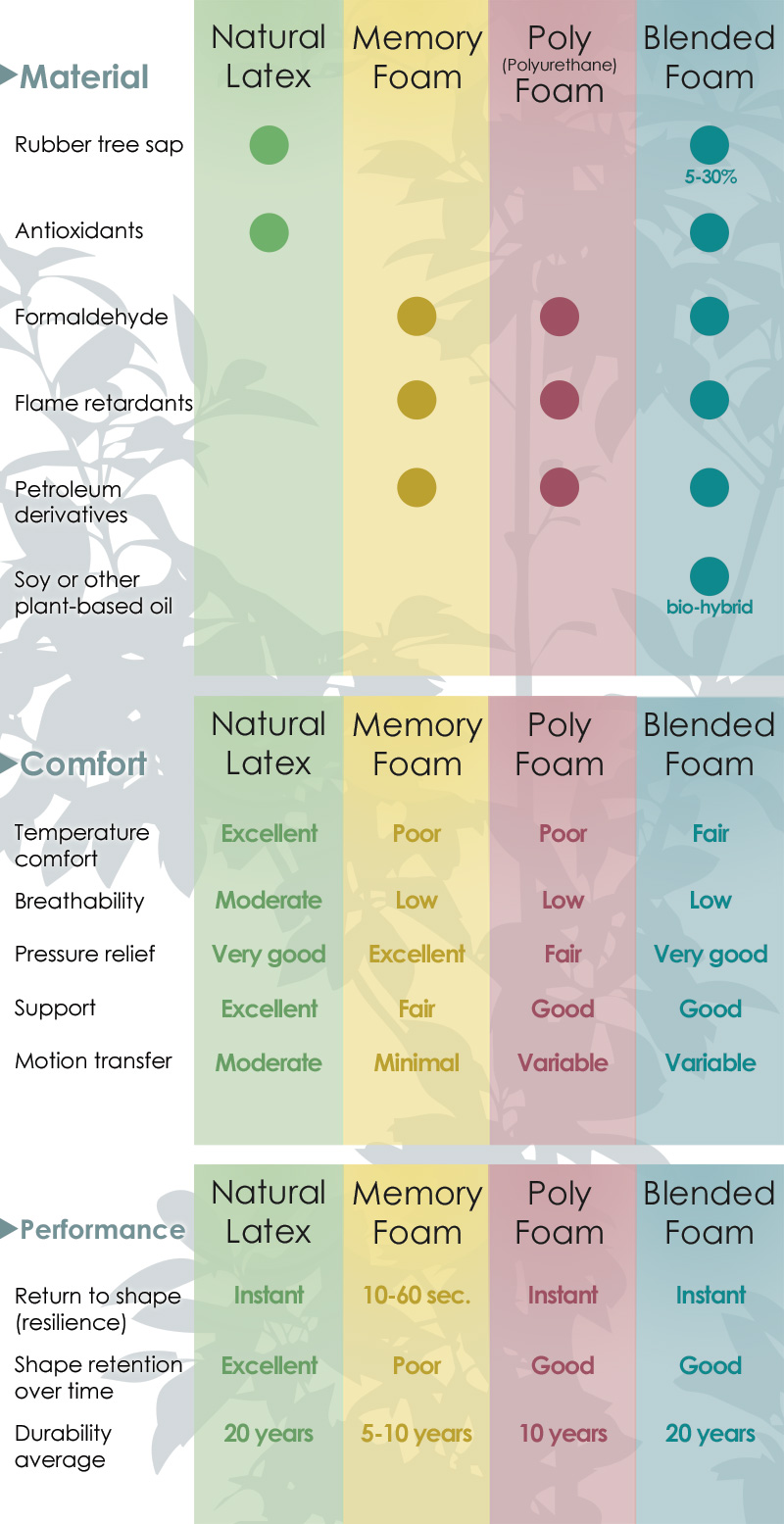
Memory foam contours to your body and maintains elevation. It is ideal for GERD, snoring, and back pain. Models like Brentwood Home Zuma and Tesica use solid memory foam. Look for CertiPUR-US certified foam to ensure low VOCs and safety.
Gel Infused Foam Keeps Hot Sleepers Cool
Gel-infused memory foam, used in Helix, Bedux, and Hansleep, dissipates heat and prevents overheating. If you sleep hot, this is a must. The gel pulls heat away, and open-cell designs improve airflow.
High-Density Polyurethane Lasts Longer
Many wedges combine memory foam with a high-density polyurethane base, used in Helix and Bedux. This layer resists compression and extends the pillow’s life.
Organic Latex Is Eco-Friendly and Breathable
Dunlop latex, used in Avocado wedges, is natural, responsive, and great for allergy sufferers. It is more expensive but lasts 5 to 7 years versus 3 to 5 for foam. It is ideal for eco-conscious buyers.
Two-Layer Foam Balances Comfort and Support
Some models, like Cul’s, use a plush top with a medical-grade core. This balances comfort and support, perfect for recovery.
Avoid Low-Support Fillers
Polyester, down alternative, and cotton feel soft but flatten over time. The Company Store and Casper models fall into this category. They are better for reading than medical use.
Choose the Right Firmness
Soft Wedges for Reading and Lounging
Soft wedges, like Casper Backrest or The Company Store, feel like marshmallows. They are comfortable for lounging but lack support for medical needs. Use only if you do not need spinal alignment.
Medium Firmness Suits Most Sleepers
Medium firmness, found in Aerys and Helix, suits back and side sleepers. It cushions without sinking, making it ideal for combination users.
Firm Wedges Maximize Support for Pain Relief
Firm wedges, like Sasty or Brentwood Home Zuma, prevent sinkage and maintain posture. They are best for back sleepers, GERD, and post-surgery. Side sleepers may find them too rigid unless they need shoulder support.
Design Features That Make a Difference
Curved Designs Cradle Your Body
Traditional wedges are flat triangles. Curved designs, like Aerys, cradle your shoulders and neck, promoting natural alignment. They are better for side sleepers and those with neck pain.
Modular Sets Provide Full-Body Support
Single wedges only elevate one area. Modular sets, like Lunix 4-piece, Hansleep 6-piece, or Bieezzk, include back, knee, neck, and leg wedges. They eliminate pillow stacking and offer customizable positioning. They are ideal for chronic pain or major surgery.
Side Pockets Add Convenience
Pockets, found in Bedux, IFN Now, and Tesica, store remotes, phones, or books. They are great for bedridden users or avid readers. Some, like Cozymaker, have awkward left-side placement, so check positioning before buying.
Non-Slip Bases Prevent Sliding
Many users complain their pillow slides down at night. Look for grippy bottoms on Sasty, King Fun, or Cozymaker. Some models include Velcro straps, like King Fun and Hansleep, to keep the pillow in place.
Flip Designs Offer Dual Use
A flip wedge, like Aerys or Cozymaker, works for head or leg elevation. One side slopes up, the other down, maximizing versatility in small spaces.
Arm Pockets Relieve Shoulder Pressure
The MedCline Shoulder Relief System has a J-shaped body pillow with an arm pocket. It keeps your arm elevated, reducing pressure on the shoulder joint, critical after rotator cuff surgery.
Match Your Sleep Position
Back Sleepers Benefit Most
Back sleepers benefit most from wedge pillows. Use a 10 to 12 inch wedge for reflux or snoring. For back pain, place a leg wedge under the knees. Choose firm support and a non-slip base. Top picks include Helix, Sasty, and Brentwood Home Zuma.
Side Sleepers Need Contouring and Arm Support
Standard wedges can cause shoulder collapse. Side sleepers need contoured designs like Aerys or MedCline, which include arm pockets to prevent impingement. Medium firmness helps accommodate shoulder width.
Combination Sleepers Need Adjustable Options
If you switch positions, go for modular sets like Lunix, King Fun, or Bieezzk. They let you adjust height and support as needed. Velcro straps keep components secure.
Stomach Sleepers Should Avoid Head Elevation
Elevating the head strains the neck for stomach sleepers. Instead, use a thin pillow under the hips to reduce lower back arch. Wedge pillows are not recommended for this position.
Single Wedge or Complete System
Why Single Wedges Fall Short
A single wedge only lifts your upper body. It does not prevent rolling, lacks side support, and creates gaps that cause pressure points. Over time, you may end up stacking pillows, defeating the purpose.
Benefits of Complete Pillow Systems
Systems like the Sleep Again Pillow System include an extra-wide upper wedge, side support pillows, a leg elevation wedge, a neck pillow, and a non-slip integrated design. They provide full-body alignment, reduce repositioning, and are ideal for major surgery or chronic conditions. They are worth the investment if you are recovering long-term.
Compare Top Brands and Models

Helix: Best Overall Wedge Pillow
Helix offers a 10 inch height with gel memory foam and polyurethane fill. It has medium firmness and a removable rayon-polyester cover. The 30 or 100 night trial and 1 year warranty make it a top choice. Pros include great support for GERD, snoring, and pain with cooling properties. The potential drawback is it may slide without grip.
Brentwood Home Zuma: Best Value
Brentwood Home Zuma comes in 7, 10, or 12 inch heights with solid CertiPUR-US memory foam. It is firm with a 30 day trial and free returns. Priced at 54 to 69 dollars, it is ideal for back sleepers needing support on a budget.
The Company Store: Best for Reading
The Company Store uses down alternative fill for a soft feel. It comes in 8 or 12 inch heights with a machine-washable cover. It is best for soft feel, reading, and TV watching.
Avocado: Most Comfortable Eco-Friendly Option
Avocado uses organic Dunlop latex with medium-firmness. Priced at 199 to 219 dollars, it is best for allergy sufferers and green buyers who want natural materials.
Sasty: Best for Back Support
Sasty offers a 12 inch incline with 25D base and 40D memory foam. It has a non-slip base and large size. The potential drawback is it may be too firm for some sleepers.
Lunix and Hansleep: Best Full-Body Sets
Lunix is a 4-piece set with gel pack and Velcro straps. Hansleep is a 6-piece set with lap table and non-slip fabric. Both are best for custom positioning and recovery.
Aerys: Best Ergonomic Design
Aerys has a curved shape instead of flat design. It works for head or leg elevation and is FSA-eligible, allowing use of HSA/FSA funds. The cover is a bamboo-polyester blend.
Maintain and Maximize Lifespan
Clean Properly to Prevent Mold
Remove the cover and machine wash on cold, gentle cycle. Spot clean the foam core only, never soak it. Air dry completely and use dryer balls for covers. Wash the cover every 1 to 2 weeks if used nightly.
Spot Signs of Wear Early
Replace your wedge if you notice sagging or permanent indentations, loss of incline, cover fraying or stains, or increased sliding or discomfort.
Know the Lifespan Expectancy
Memory foam lasts 3 to 5 years. Latex lasts 5 to 7 years. Multi-piece sets last longer since parts can be replaced individually.
Pick the Right Wedge Pillow in 10 Steps
Follow these steps to choose your wedge pillow:
- Define your main goal: GERD, snoring, recovery, or reading
- Choose incline: 7 inches for mild, 10 inches for standard, 12 inches for maximum
- Pick width: 24 inches for narrow or 30 inches for broad shoulders and surgery
- Select material: foam, gel, latex, or soft fill
- Set firmness: firm for support, medium for balance, soft for comfort
- Check features: pockets, non-slip base, adjustability, portability
- Match sleep position: back, side, or combination
- Set budget: 25 dollars for budget to 220 dollars for premium
- Verify trial and warranty: at least 30 night trial, 1 year warranty
- Ensure easy cleaning: removable, washable cover
Frequently Asked Questions About Choosing a Wedge Pillow
What is the best incline height for acid reflux?
The best incline height for acid reflux is 10 to 12 inches, which provides 30 to 45 degrees of elevation. This range keeps stomach acid from flowing back into the esophagus and is clinically proven to reduce nighttime heartburn symptoms.
How do I know if I need a standard or extra-wide wedge pillow?
Choose standard 24 inch width if you are under 5’4″ and under 140 pounds. Choose extra-wide 30 inch if you are taller, broader shouldered, over 160 pounds, recovering from major surgery, or sharing your bed with a partner.
Can side sleepers use a wedge pillow?
Yes, side sleepers can use a wedge pillow, but they need a contoured design with an arm pocket to prevent shoulder impingement. The MedCline Shoulder Relief System and Aerys are specifically designed for side sleepers.
How long does a wedge pillow typically last?
A wedge pillow typically lasts 3 to 5 years for memory foam models and 5 to 7 years for latex models. Multi-piece sets last longer since individual components can be replaced as needed.
Are wedge pillows covered by insurance?
Some insurers cover wedge pillows if prescribed by a physician. Check with your provider and request a prescription when medically necessary to potentially get reimbursement.
What features matter most for post-surgery recovery?
For post-surgery recovery, the most important features are extra-wide size for arm support, non-slip base to prevent sliding, modular pieces for customizable positioning, and a 30 to 45 degree incline. The MedCline Shoulder Relief System and Sleep Again Pillow System are designed specifically for this purpose.
Key Takeaways for Choosing the Right Wedge Pillow
The right wedge pillow is not one-size-fits-all. It is a tool tailored to your body, health condition, and sleep habits. Whether you need a 12 inch latex wedge for severe reflux or a modular set for shoulder surgery, the key is matching the pillow’s specs to your real-world needs. Start by identifying your primary health goal, then match the incline height, size, material, and firmness to that need. Do not forget to check for essential features like non-slip bases and removable covers. Use this guide to skip the guesswork and invest in support that actually works, night after night.