
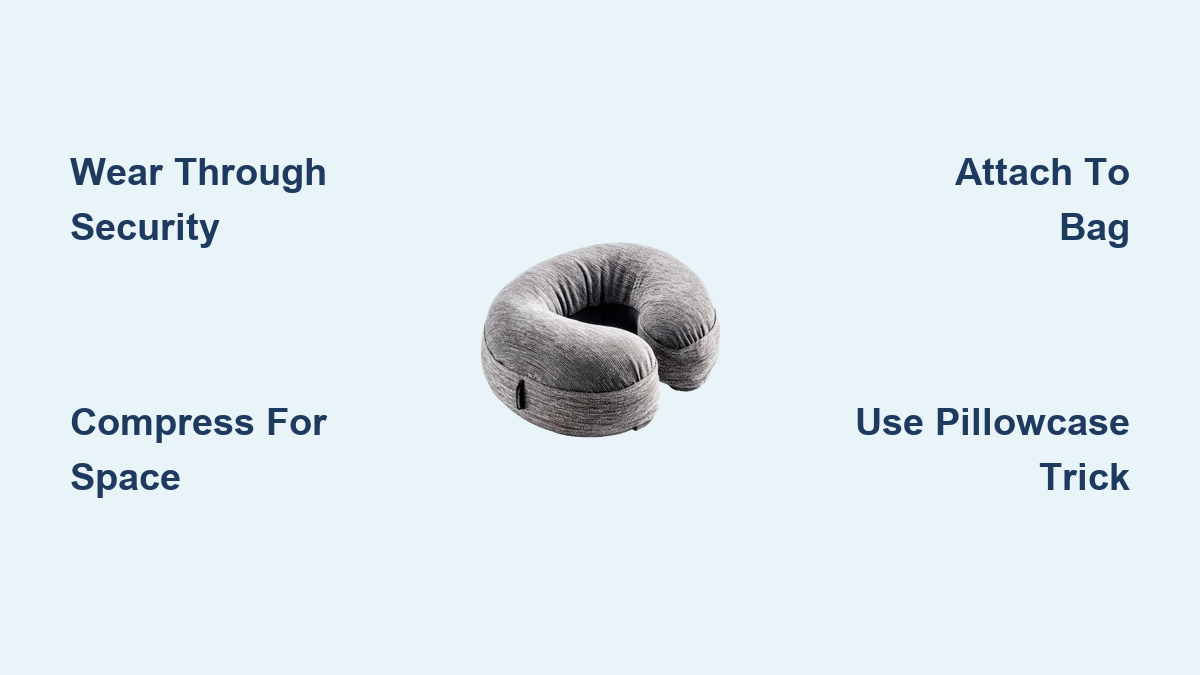
Traveling long distances often means uncomfortable seats, awkward head tilts, and stiff necks. A travel pillow can be a game-changer, but only if you can carry it without hassle. Whether you’re flying with carry-on only or road-tripping cross-country, knowing how to carry a travel pillow efficiently makes all the difference. From memory foam to inflatable models, each type presents unique packing and portability challenges.
This guide reveals proven methods to transport your pillow comfortably, comply with airline rules, save space, and maintain hygiene. You’ll arrive rested, not stressed.
Choose the Right Pillow Type for Portability
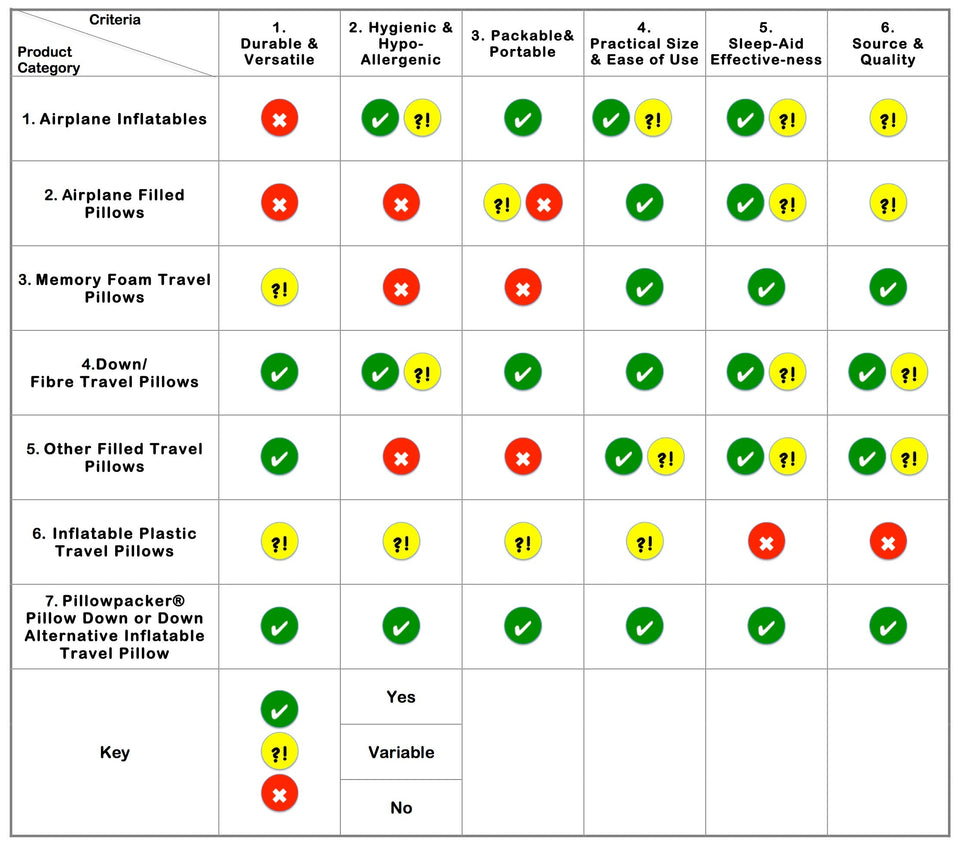
The easiest pillow to carry starts with smart selection. Not all travel pillows are created equal when it comes to portability.
Memory Foam Pillows
Memory foam pillows offer top-tier neck support and mold perfectly to your head. However, they’re naturally bulkier unless designed for compression. Look for models like the Cabeau Evolution Earth or Pain-Free Aussies, which feature rollable designs and built-in straps. These can shrink down to the size of a water bottle when compressed.
Pro Tip: Avoid non-compressible memory foam unless checking luggage. Even then, use a protective bag.
Inflatable Travel Pillows
Inflatable pillows win for space-saving. Deflate them completely and they fit in a pocket or small pouch. Adjust firmness to your preference and reinflate in seconds. While less supportive over long flights, their ultra-lightweight design makes them ideal for tight carry-ons.
Watch Out: Prickly fabrics or weak seams can fail mid-flight. Stick to reputable brands with durable coatings.
Microbead Pillows
Microbead pillows feel soft and moldable, great for side sleepers. They don’t compress as small as inflatables but are more flexible than solid foam. Best used on road trips or short flights where space isn’t critical.
Limitation: Over time, beads settle and lose shape. Not ideal for repeated folding.
Neck-Specific U-Shaped Pillows
The classic U-shape is built for mobility. Wear it around your neck through security and boarding. No extra bag space needed. Most come with clips or storage pouches, letting you attach them directly to backpacks or luggage.
Bonus: Doubles as instant comfort the moment you sit down.
Attach Your Pillow to Your Bag
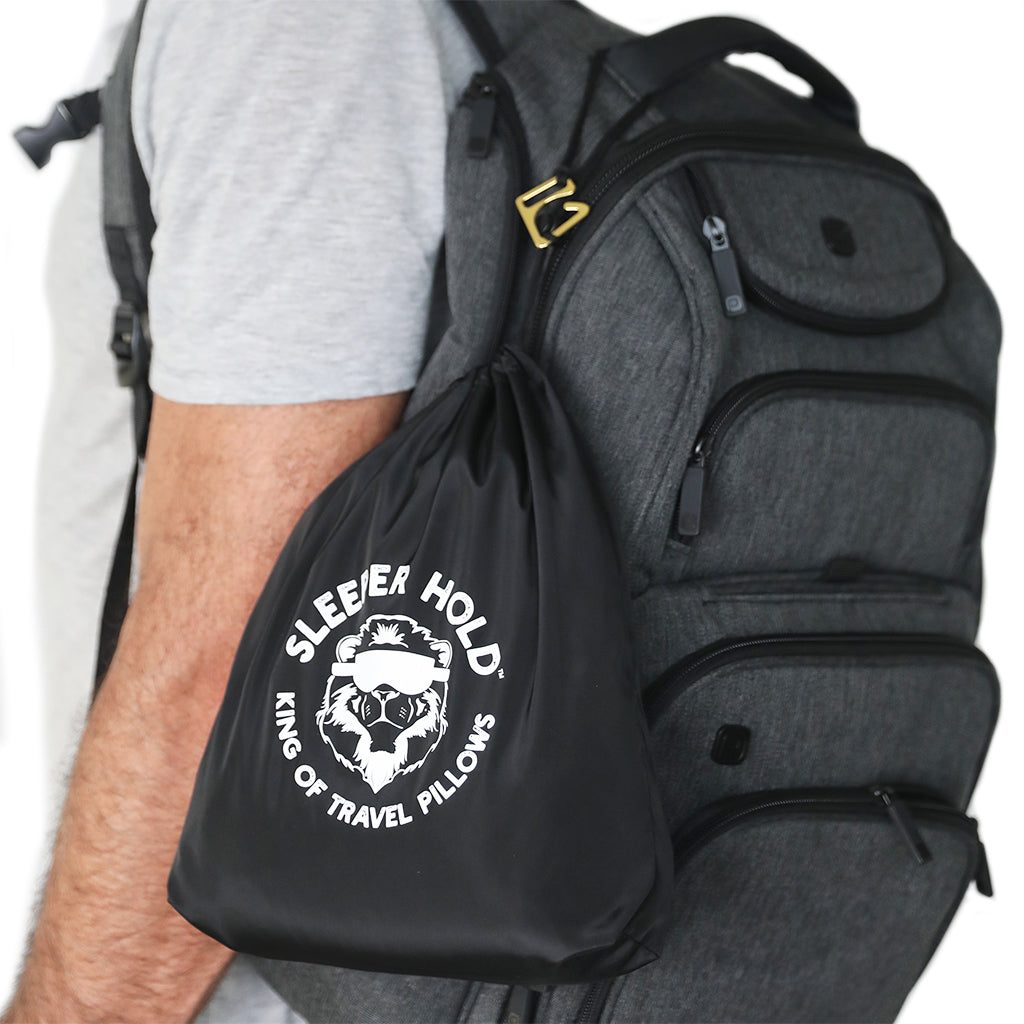
One of the simplest, most effective ways to carry a travel pillow is by securing it externally to your carry-on or backpack.
Use Built-In Straps and Loops
Many modern travel pillows include compression straps, Velcro wraps, or attachment loops. After rolling or compressing, fasten the pillow to your backpack, rolling carry-on, or duffel. This keeps it accessible and frees up valuable internal space.
Visual Cue: Look for models with dual-side clips. These stay balanced and won’t swing during walking.
Clip With Carabiners or Luggage Ties
Don’t have built-in straps? Use a small carabiner or luggage cord to tie the pillow to a handle or loop. Works especially well with pillow-specific travel bags.
Warning: Avoid dangling the pillow too low. It can catch on escalators or seat legs.
Wear It Through the Airport
Why carry when you can wear? Neck pillows double as wearable accessories that keep your hands free.
Keep Hands-Free at Security
Wearing your travel pillow through TSA screening avoids questions about size or quantity. Treat it like a scarf or jacket. Perfectly acceptable under all major airline policies.
Expert Note: Airlines do not count neck pillows as personal items when worn.
Disguise as a Scarf
Some travelers fold their pillow lengthwise and wear it like a thick scarf. It draws less attention and still provides warmth. While not officially endorsed, it’s a clever workaround on busy flights.
Caution: Don’t overdo it. Bulky scarves may raise questions if they look suspicious.
Store in a Travel Bag or Pocket
If wearing isn’t comfortable, smart storage keeps your pillow clean and ready.
Use a Dedicated Pillow Pouch
Most travel pillows come with a compact zippered bag. These often include compression zippers, mesh ventilation, and carrying handles or key clips. Store the pillow inside, compress gently, and clip it to your bag’s side pocket.
Hygiene Boost: Choose a pouch with a waterproof lining to block dirt and spills.
Slide Into an Outer Bag Pocket
For quick access, tuck a deflated inflatable or rolled memory foam pillow into an external mesh pocket on your backpack or carry-on. No unpacking required when boarding.
Best For: Short trips or layovers where speed matters.
The Pillowcase Trick for Extra Carry-On Space
A clever trick used by savvy travelers turns your pillow into a multi-tool that maximizes your carry-on allowance.
Carry Personal Items Inside the Pillowcase
Place your laptop sleeve, toiletry kit, or book inside the pillowcase before stuffing in the pillow. This bundles two items into one visible object, potentially bypassing strict personal item limits.
Real-World Use: One traveler reported their wife uses this method routinely with no issues across multiple airlines.
Risk Note: Some airlines may challenge this if overpacked. Keep the bundle reasonably sized.
Maximize Space With Compression Techniques
Bulk kills carry-on efficiency. Use these techniques to shrink your pillow.
Roll and Secure With Bands
For memory foam or microbead pillows, fold the pillow in half lengthwise, roll tightly from one end, and lock in place with rubber bands or packing straps. The result is a compact cylinder that fits under seats or in side pockets.
Pro Move: Roll with the curved side out. It maintains shape longer.
Vacuum or Compression Bags
Place any pillow, especially full-size ones, into a manual compression bag. Press out air to reduce volume by up to 70%. Ideal for checked luggage or tight overhead bins.
Bonus: Protects against moisture, odors, and bed bugs.
The Cabeau Packing Cube Hack
The Cabeau Evolution Earth redefines how to carry a travel pillow by turning it into luggage.
Remove Core and Use Shell as Packing Cube
Unzip the back of the pillow, slide out the memory foam insert, stuff the empty fabric sleeve with soft clothes like socks or t-shirts, then roll tightly and secure with the Velcro strap. You now have a compact clothing roll, smaller than a large t-shirt, that doubles as a pillow when reassembled.
Time Saver: Saves packing space and eliminates need for extra cubes.
Warning: Don’t force the zipper when overstuffed. Roll with the zipper facing outward to prevent snags.
Follow Airline Policies
Avoid boarding conflicts by understanding what airlines actually allow.
Neck Pillows Are Always Permitted
U-shaped travel pillows are not counted as carry-ons or personal items. Airlines universally allow them as wearable accessories.
Rule of Thumb: As long as it’s worn or held, you’re compliant.
Full-Size Pillows Count as Carry-Ons
Bringing a regular bed pillow? It counts as a personal item. If oversized, it may be gate-checked or denied, especially on budget carriers.
Regional Risk: European low-cost airlines like Ryanair and EasyJet enforce tighter limits.
Medical Accommodations
Travelers with neck injuries or chronic pain can carry larger pillows under disability accommodations. Carry a doctor’s note to avoid disputes.
Tip: Notify the airline in advance for smoother boarding.
Maintain Pillow Hygiene
A dirty pillow defeats the purpose of comfort. Keep it clean throughout your journey.
Use a Removable Pillow Protector
Apply a waterproof, antimicrobial cover before travel. It blocks sweat, oils, and germs while preserving the core.
Washable: Choose machine-washable protectors for multi-day trips.
Pack Extra Pillowcases
Bring at least one spare case. Change it after each flight or hotel stay to stay fresh.
Budget Option: Use disposable travel pillow covers. Lightweight and single-use.
Never Touch the Floor
Airport floors harbor dirt, bacteria, and even bed bugs. Keep your pillow elevated at all times.
Visual Cue: If it touches the ground, assume contamination. Clean thoroughly post-trip.
Carry Smart Based on Your Travel Type
Your mode of transport changes how you should carry your pillow.
Air Travel
Prioritize compactness. Use inflatable or compressible memory foam. Wear or clip the pillow to your bag. Avoid full-size pillows unless medically necessary.
Pro Tip: Cover airline-provided pillows with your own case. No need to carry your own.
Road Trips
No restrictions apply. Keep the pillow within reach behind the seat, in a door pocket, or on your lap. Full-size pillows are perfectly acceptable here.
Bonus Use: Double as lumbar support or seat cushion.
Camping and Backpacking
Go ultralight. Choose inflatable or microbead pillows made with moisture-resistant fabric. Aim for models under 6 ounces that pack into palm-sized bags.
Cold Weather Hack: Use under your sleeping bag hood for insulation.
Avoid Risky Carrying Hacks
Some user suggestions may backfire and cause problems.
Don’t Wear Under Clothing
Tucking a pillow under a jacket or shirt to avoid detection is risky. It may look suspicious at security or draw complaints from fellow passengers.
Real Report: One traveler wore a full pillow under a coat, struggled to sit, and irritated neighbors.
Skip the Medical Cast Trick
Wrapping a pillow with bandages to mimic an injury for early boarding is unethical and could lead to removal.
Ethical Note: Misrepresenting medical needs harms travelers with real disabilities.
No Ankle or Waist Tying
While joked about online, tying a pillow to your leg or waist is impractical and unsafe.
Safety First: Never compromise mobility or safety for convenience.
Creative Uses Beyond Neck Support
Your travel pillow can do more than cradle your head.
Lumbar Support on Long Flights
Place the U-shaped pillow behind your lower back for improved posture.
Ergonomic Win: Reduces lower back strain during 6+ hour flights.
Seat Cushion on Hard Benches
Fold or roll the pillow and sit on it at terminals or train stations.
Comfort Upgrade: Especially helpful for elderly or pregnant travelers.
Armrest Pad for Device Use
Rest your forearm on the pillow while reading or typing. Reduces shoulder tension.
Emergency Floatation
While not certified life-saving gear, an inflated pillow can provide temporary buoyancy in water emergencies.
Not a Life Vest: Use only as last resort.
Top Recommended Models
Pain-Free Aussies Memory Foam Pillow
This ergonomic design suits side and back sleepers. Features include a washable, hypoallergenic cover and a built-in carry strap for bag attachment. Ideal for long-haul flyers seeking comfort and portability.
Cabeau Evolution Earth
This model features a core-removable design that turns the shell into a packing cube. Made with eco-friendly recycled fabric and includes a compression strap. Best for minimalist packers and digital nomads.
Why It Wins: Combines pillow and packing efficiency in one, perfect for carry-on-only travelers.
Frequently Asked Questions About Carrying Travel Pillows
Can I wear my travel pillow through airport security?
Yes. Travel pillows are allowed through security checkpoints. They’re treated as accessories, not carry-on items. Wearing it actually makes screening easier since it’s clearly visible and not taking up bag space.
Does a travel pillow count as a personal item on airlines?
Neck pillows typically do not count as personal items when worn around your neck or held. However, if you place a full-size pillow in your carry-on bag, it may count toward your personal item allowance, especially on budget airlines with strict limits.
What is the most compact type of travel pillow?
Inflatable pillows are the most portable. When deflated, they fit in a pocket or small pouch. Compressible memory foam pillows like the Cabeau Evolution Earth also pack down very small when rolled and secured.
How do I keep my travel pillow clean during trips?
Use a removable pillow protector with waterproof and antimicrobial properties. Pack at least one spare pillowcase to change mid-trip. Never place your pillow directly on airport floors or seats.
Can I use my travel pillow for purposes other than neck support?
Absolutely. Travel pillows work well as lumbar support, seat cushions, armrest pads, and even emergency flotation devices for inflatable models. Many travelers also use them for camping or as yoga props.
Key Takeaways for Carrying Your Travel Pillow
Knowing how to carry a travel pillow transforms it from a burden into a travel super-tool. Whether you wear it, compress it, or repurpose it, the key is balancing comfort, space, and compliance.
Choose the right pillow type for your travel style. Inflatable and compressible memory foam work best for air travel. Road trips offer more flexibility. Use smart packing hacks like the Cabeau method to maximize space. Attach your pillow to your bag or simply wear it through the airport.
Never sacrifice hygiene. Use protectors, pack spare pillowcases, and keep your pillow off the floor. With these strategies, you’ll board smarter, sleep better, and travel lighter every time.