
Traveling by plane often means trying to sleep in an upright seat, a position that puts real strain on your neck. Without proper support, your head can lurch forward, backward, or sideways as muscles relax, leading to stiffness and pain. A plane pillow helps stabilize your head and maintain spinal alignment, but only if used correctly. Many travelers wear their neck pillow like a collar, leaving gaps and getting zero benefit. This guide shows you exactly how to use a plane pillow for maximum comfort, prevent neck pain, and actually rest during long flights.
You will learn which pillow types work best, how to position them based on your sleep style, and expert tricks most people never try. Whether you are a side sleeper, forward drooper, or just want to arrive refreshed, these actionable tips will transform your travel experience.
Choose the Right Pillow Type for Your Sleep Style
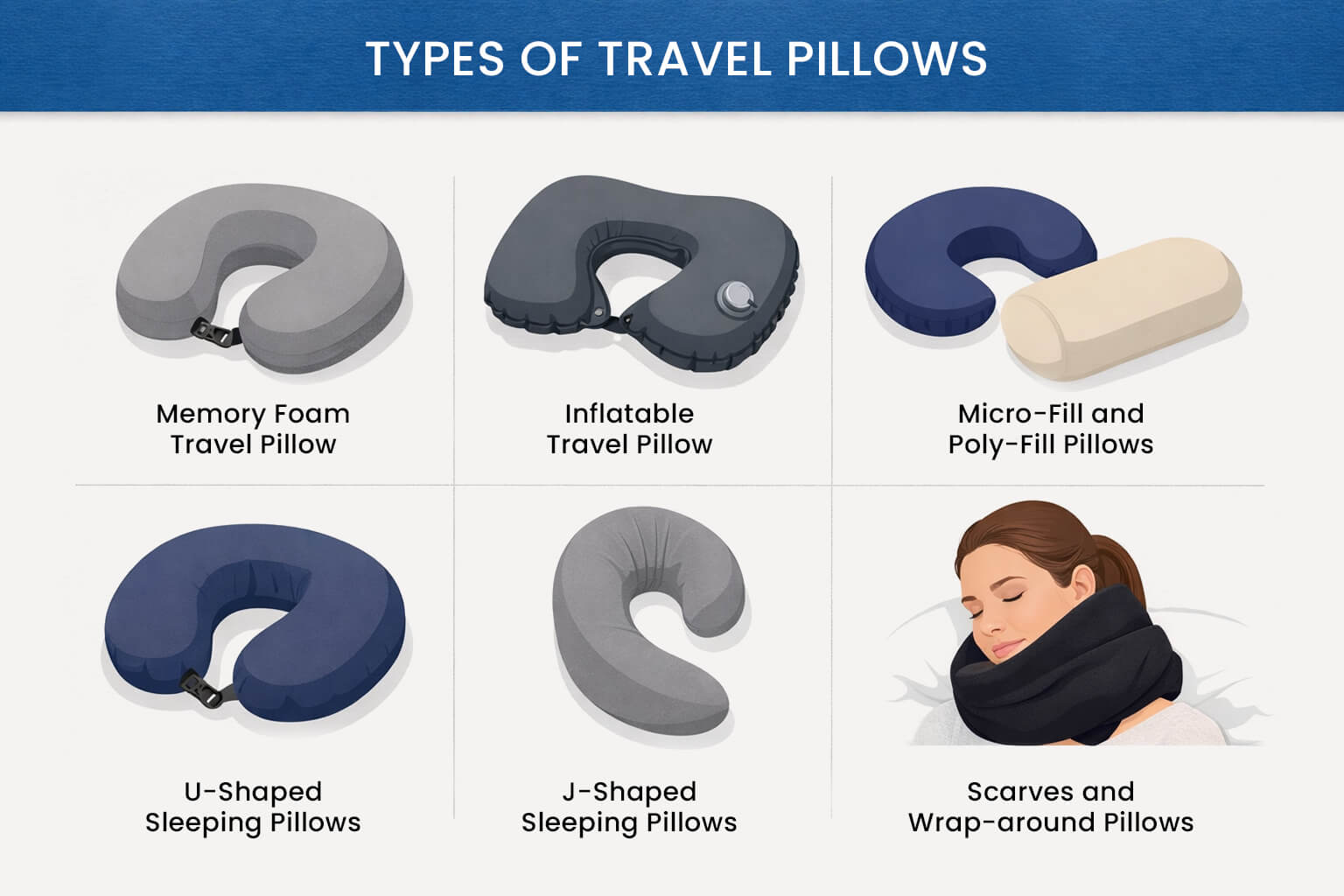
Your pillow choice should match how you naturally sleep. Not all travel pillows are equal. Each design supports different head movements and body types.
U-Shaped Pillows: Best for General Use
The classic horseshoe design wraps around the neck and supports the head from the sides and back. It is ideal for most travelers, especially those who lean back slightly.
• Best fillings include memory foam for contouring or microbeads for moldability
• Avoid cheap foam that flattens after one flight
• Look for breathable fabric like bamboo or cotton to prevent overheating
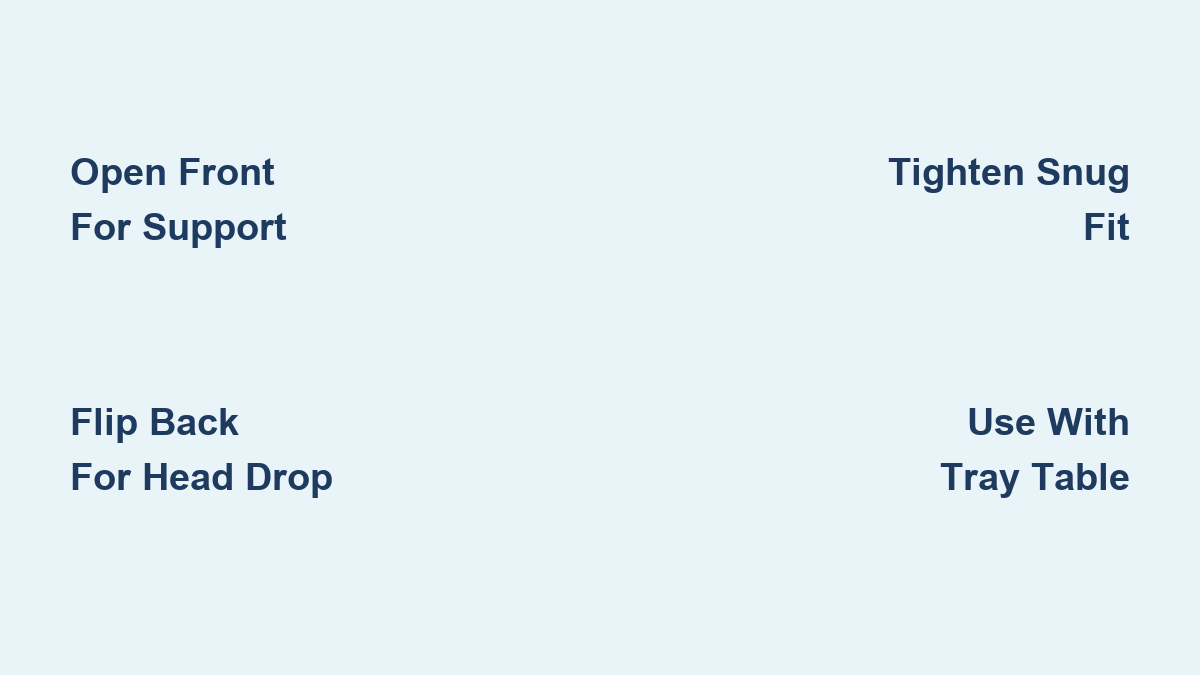
Use it with the opening in front for rear head support, or flip it backward to support your chin if your head tends to drop forward.
J-Shaped Pillows: Ideal for Side Sleepers
This asymmetrical pillow has a long arm that extends up under the jawline, offering targeted support when leaning to one side.
• Position the short curve behind your neck
• Let the long side cradle your cheek or chin
• Works great in window seats pressed against the wall
Do not use it like a U-shaped pillow. Doing so defeats its ergonomic advantage.
Inflatable Pillows: Perfect for Packing Light
Ultra-compact and adjustable, inflatable pillows let you control firmness and save space.
• Inflate to 70 to 90 percent full. Too firm restricts movement, too soft will not support
• Check valve quality. Cheap models slowly deflate mid flight
• Some make crinkling noises. Test before flying
Great for road trips and budget travelers who need versatility.
Wrap-Around Roll Pillows: Customizable Support
A long cylindrical pillow you can wrap once or twice around your neck.
• Double-wrap for tighter support
• Place one end under your chin, the other along your head
• Use against a window to lock in position
More effort to adjust than U-shaped options, but highly adaptable during long flights.
Position Your Plane Pillow Correctly
How you place your pillow matters more than the brand. Even the best pillow fails if worn wrong.
Opening at the Front: Support Your Head Back
Place the U-shape around your neck with the open side facing forward.
• The back curve supports the base of your skull
• Prevents head from tilting backward
• Best in reclined seats or when leaning into the headrest
Make sure the top edge aligns with your neck is natural curve. Not too high pushing chin up, or too low leaving head unsupported.
Opening at the Back: Stop Forward Head Drop
Flip the pillow so the solid front presses gently under your chin.
• Keeps your airway open and head from nodding down
• Ideal for upright economy seats with limited recline
• Combine with a slight 5 to 10 degree recline for better neck alignment
Adjust tightness so your chin rests comfortably with no pressure on the jaw.
Over-the-Shoulder: For Window Seat Side Sleepers
Drape one side of the pillow over your shoulder, letting it support your head from below.
• Press gently against the window for stability
• Pair with a rolled up jacket for extra cushion
• Avoid prolonged use. Uneven pressure can strain neck muscles
Best for short naps, not deep sleep.
Get a Snug, Gap-Free Fit
A loose pillow is worse than no pillow. It allows uncontrolled head movement that strains muscles.
Tighten Until Snug But Not Squeezing
You should feel support without restriction.
• No gaps between neck and pillow
• Chin or back of head should rest fully against padding
• If your head still wobbles, retighten or switch to a smaller size
Memory foam molds to shape. Inflatables need proper inflation.
Avoid These Common Fit Mistakes
• Too loose. Head slips through, causing whip like motion when waking
• Too high. Pushes head forward, straining the cervical spine
• Too bulky. Forces chin upward, compressing the throat
Test the fit before takeoff. Adjust early, not mid flight.
Adjust for Your Seat Position
Where you sit changes how your pillow should work.
Window Seat: Lean Into Stability
• Use the wall to lock your head in place
• Angle the pillow to fill the space between head and window
• J-shaped or wrap-around pillows excel here
Add a sleep mask and noise cancelling headphones to minimize disturbance.
Middle Seat: Stay Centered
• Keep your head upright and centered
• Use the pillow to prevent slumping into neighbors
• Choose a lower profile pillow to avoid bumping others
Pair with a hoodie or scarf for warmth without bulk.
Aisle Seat: Avoid Forward Leaning
• Do not rest your head on the tray table unless necessary
• If you must lean forward, place a rolled blanket on the tray and rest your forehead gently
• Use a U-shaped pillow with front opening to support neck from behind
Recline slightly only if passengers behind agree.
Combine With Other Support Options

A pillow alone is not enough for deep rest. Layer your comfort for better results.
Tray Table Nap Setup
Ideal for forward-leaning sleepers.
- Roll up a jacket or blanket
- Place on tray table
- Rest forehead lightly on it
- Use neck pillow to support spine, not carry full head weight
Reduces neck bend to less than 45 degrees. Safer for circulation and breathing.
Use With Headrest Anchoring Systems
Advanced travel pillows like the Sleeper Hold use straps to attach to seat headrests.
How to Set Up:
- Loop straps behind headrest flaps to form a wide X
- Insert pillow at the bottom of the X
- Hook eye mask to the top for full support
- When waking, grab the mask to lift your head smoothly
Eliminates bobblehead motion and lets you sleep deeply.
For Non-Adjustable Headrests:
• Use the loop method. Wrap strap over the top of the seat back
• Or try the Southwest strap method. Run ends under and over to lock in place
Works on buses, trains, and cars with breakaway clips for safety.
Prevent Neck Pain While Traveling
Even with a pillow, poor habits can leave you sore.
Recline Slightly
Lean back just 5 to 10 degrees. This reduces neck muscle load by up to 30 percent.
• Use the seat recline function if available
• Avoid full upright unless turbulence is expected
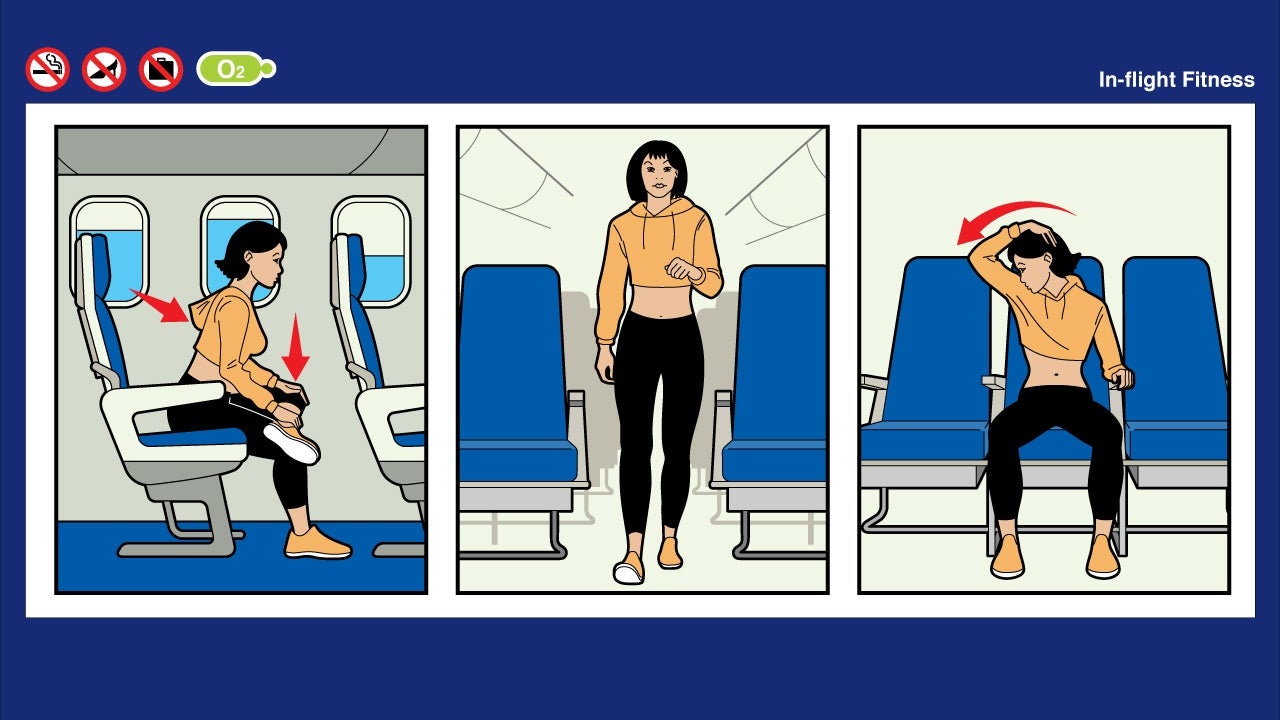
Stretch Every Hour
Sit still too long and stiffness sets in.
• Gently tilt head side to side
• Roll shoulders backward and forward
• Do 30 seconds of movement every hour
Hydrate well. Dehydration worsens muscle tension.
Match Pillow to Your Sleeping Position
| Sleep Style | Best Pillow | Key Tip |
|---|---|---|
| Back sleeper | U-shaped opening front | Keep head centered, slight recline |
| Side sleeper | J-shaped or wrap-around | Press into window for stability |
| Forward leaner | Inflatable or U-shaped | Use tray table with rolled blanket |
| Combination sleeper | Adjustable inflatable | Reposition as you shift |
Clean and Store Your Pillow Properly
A dirty or misshapen pillow loses effectiveness fast.
Clean Based on Type
• With removable cover. Machine wash in cold, air dry
• Memory foam no cover. Spot clean only. Never soak
• Inflatable. Wipe with disinfectant, dry fully before storing
• Weighted pillows. Check label. Most are spot-clean only
Avoid strong detergents that degrade fabric.
Store the Right Way
• Inflatable. Fully deflate, roll tightly, store in pouch
• Memory foam. Keep in breathable bag. Do not compress long-term
• General rule. Store in cool, dry place. Never leave in hot cars
Replace when the pillow no longer holds shape, fabric is torn or stained, or support feels weak.
Use Your Travel Pillow Beyond the Plane
Travel pillows are not just for flights. They are versatile wellness tools.
In the Car Passenger Only
• Use during long drives
• Combine with headrest for stability
• For strap systems, use plastic breakaway clips, not metal
Not safe for drivers. Distraction and airbag risk.
On Trains and Buses
Same rules apply.
• Use windows, headrests, or tray tables
• Ideal for overnight routes
• Pair with earplugs and eye mask
At Home
• On the couch to prevent couch neck
• In bed. U-shaped under neck opening up for alignment
• Between knees side sleepers or under arms for pressure relief
In Office or Gaming Chairs
Prevent tech neck from hunching over screens.
• Use a wrap-around or J-shaped pillow
• Or try a strap-based system anchored to chair headrest
• Take breaks every hour. Do not rely on support alone
Frequently Asked Questions About Using Plane Pillows
Are U-shaped pillows good for travel?
Yes. They are the most popular and effective for general use, especially when positioned correctly. Opening front or back depends on whether your head tends to drop forward or needs rear support.
What is the correct way to use a travel pillow?
There is no single correct way. The best method depends on your body and sleep style. Key principles are snug fit, proper head support, and alignment with your spine. Experiment with positions to find what works for you.
Can you carry a travel pillow on a plane?
Yes. Travel pillows are allowed in carry-on luggage and can be used during the flight. No security restrictions apply.
How do you prevent neck pain while traveling?
Use a supportive neck pillow. Recline slightly. Avoid prolonged static positions. Stretch neck and shoulders periodically. Stay hydrated. These habits combined significantly reduce neck strain.
Are memory foam travel pillows good for long flights?
Yes. They offer excellent contouring and support but may retain heat. Look for models with breathable covers like bamboo or cotton fabric.
Which is the best type of travel pillow for road trips?
Inflatable or J-shaped pillows are ideal due to adjustability and space efficiency. Wrap-around pillows also work well for side sleepers who need customizable support.
Key Takeaways for Better Travel Comfort
A travel pillow works only when positioned right. Whether you open it in front or back, use straps or go simple, the goal is the same. Keep your head stable and your neck aligned. The right plane pillow, used correctly, can turn a grueling flight into real rest. It is not about luxury. It is about arriving alert, not aching.
Invest in a quality pillow that matches your sleep style. Learn your best position by testing before you fly. Try different setups, listen to your body, and find what works. Your spine will thank you at baggage claim. Combine your pillow with hydration, periodic stretching, and slight recline for the best results.