

Suede pillow covers add a luxurious, textured touch to any living space. But when spills happen or dust builds up, cleaning them can feel risky. One wrong move and you could leave watermarks, flatten the nap, or ruin the fabric entirely. The good news is that with the right tools and techniques, you can safely clean both real and faux suede pillow covers at home. This guide walks you through every step from identifying your fabric type to restoring that soft, velvety finish.
The key is understanding the difference between natural suede and faux suede first. Real suede is delicate, absorbent, and easily damaged by water and harsh chemicals. Faux suede is more forgiving and often allows for slightly more aggressive cleaning. By identifying the material correctly and using the proper method, you will keep your pillow covers looking beautiful for years.
Identify Suede Type First
Real vs. Faux Suede Differences
Not all suede is created equal. Natural suede comes from the inner layer of animal hides, usually cowhide, and has a soft, napped surface that feels plush but is highly sensitive to moisture and oils. Faux suede, also called microsuede or microfiber suede, is made from synthetic fibers like polyester or nylon. It mimics real suede texture but is more durable, stain resistant, and easier to clean.
Real suede absorbs liquids quickly, making it prone to water spots and staining. It also fades in sunlight and can lose color when exposed to certain cleaners. Faux suede resists water better, holds up to daily wear, and often allows spot cleaning or even machine washing if the care label permits.
Perform the Water Drop Test
When the care tag is missing or unclear, use the water drop test to identify the fabric. Apply a single drop of distilled water to an inconspicuous area like the back or inner seam. Watch what happens.
Real suede absorbs water quickly, darkening the fabric and drying slowly, potentially leaving a ring. Faux suede causes water to bead up or spread slowly with minimal darkening. Wait 20 to 30 minutes to check for staining or texture changes before proceeding.
Check the Care Label
Follow Manufacturer Instructions
Before doing anything, check the care label sewn into the pillow cover. It may say dry clean only, spot clean, or machine washable. If it says dry clean, do not attempt home cleaning, especially for real suede. Spot clean means use minimal moisture and targeted treatments. Machine washable applies only to some faux suede covers, usually in cold water on a gentle cycle.
Ignoring the label increases the risk of shrinking, warping, or discoloration. If it says dry clean, take it to a professional cleaner, especially for expensive or vintage pieces.
When Labels Are Missing
No label means default to caution. Treat it as real suede unless the water test suggests otherwise. Use only dry methods like brushing and powder absorption until you confirm it is safe to proceed.
Gather the Right Cleaning Tools
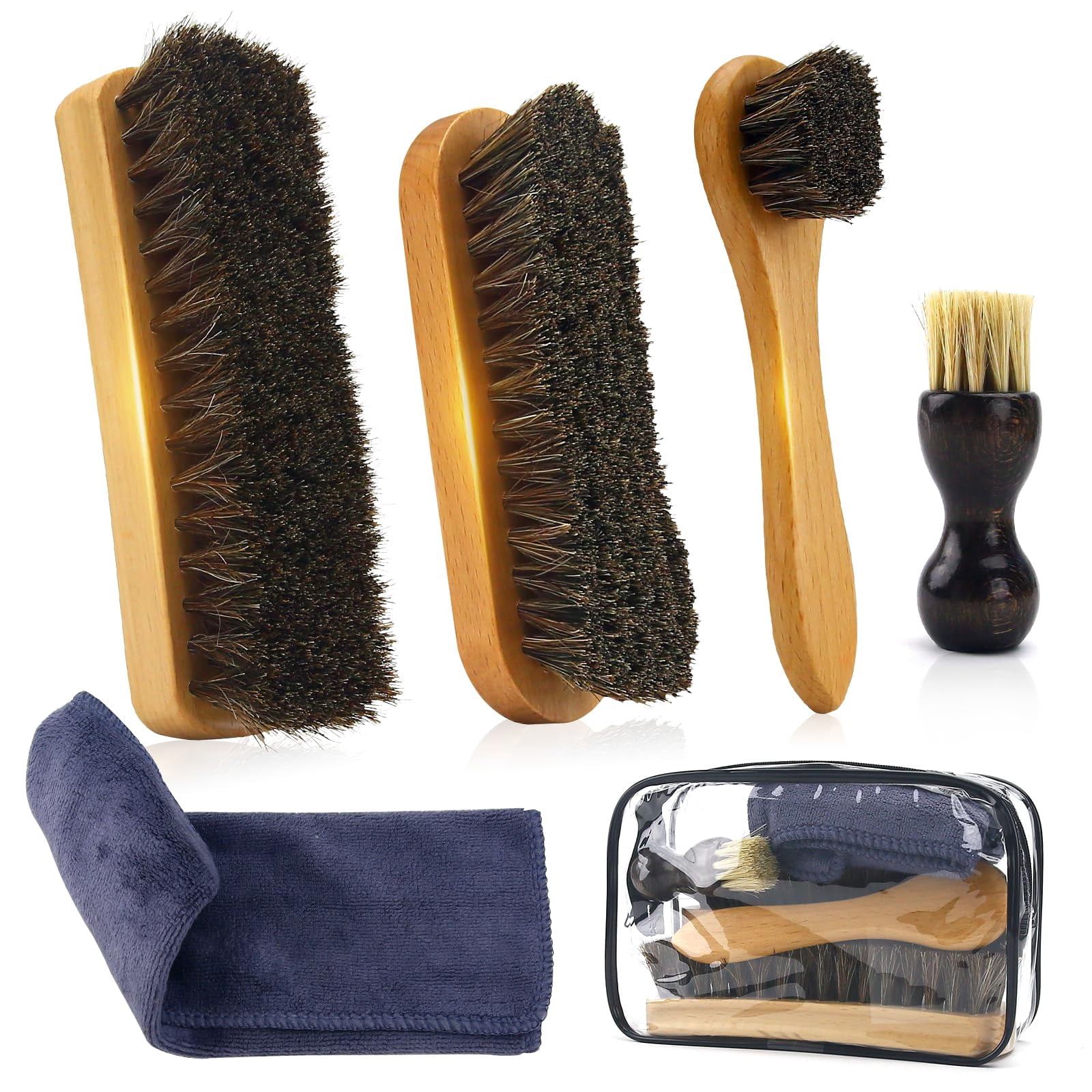
Essential Supplies for Safe Cleaning
Using the wrong tools can scratch, flatten, or stain suede. Stick to these essential items.
Suede brush with horsehair or soft nylon bristles lifts the nap and removes dust without causing damage. Rubber crepe brush or gum eraser removes scuffs and ground in dirt. Microfiber cloth that is lint free works for blotting and applying cleaners. Never use paper towels. Soft brush vacuum attachment gently removes debris without grinding it into the fabric. Distilled water prevents mineral stains from tap water. Commercial suede cleaner like Safir Omni Dame or Bickmore provides pH balanced cleaning power. Cornstarch, baking soda, or baby powder absorbs oil and odors. Isopropyl alcohol at 70 percent handles ink stains but requires testing first. Spray bottle with fine mist ensures even liquid application. Blow dryer on cool or low heat speeds drying without causing heat damage.
Avoid bleach, ammonia, steam cleaners, and stiff brushes because they destroy the nap and ruin the texture.
Dry Cleaning for Routine Maintenance
Brush to Restore the Nap
For regular upkeep, start with dry cleaning. Use a suede brush and stroke the entire surface in one consistent direction. This lifts flattened fibers, restores the soft texture, and removes surface dust. Brush weekly to keep covers looking fresh.
Never brush back and forth because this creates uneven shading. Always go in a single direction to maintain uniform appearance across the entire pillow cover.
Remove Scuffs with a Gum Eraser
Light scuffs or marks from handling can be lifted with a rubber crepe brush or gum eraser. Gently rub in small circular motions until the mark fades. This technique works especially well on light colored suede where marks are more visible.
Deodorize with Baking Soda
To eliminate odors from pets, smoke, or body oils, follow these steps. Sprinkle a thin layer of baking soda over the cover. Let it sit for 15 to 60 minutes. Vacuum thoroughly with the soft brush attachment. Brush to restore the nap.
For stronger odors, leave the baking soda overnight. Always vacuum completely to avoid leaving residue behind.
Spot Clean Stains Immediately
Blot Spills Never Rub
The golden rule for suede care is blot, do not rub. Rubbing spreads the liquid and crushes the nap. Use a dry microfiber cloth to gently press down and absorb as much liquid as possible. Work from the outside of the stain toward the center to prevent spreading.
Treat Water Based Stains
For coffee, juice, wine, or soda spills, act quickly. Blot immediately. Let air dry completely, do not use heat. Once dry, brush to restore texture. If a stain remains, dampen a microfiber cloth with one to one white vinegar and distilled water. Lightly dab the area, do not soak. Air dry, then brush. Alternatively, use a commercial suede cleaner as directed.
Always test vinegar first on a hidden area because some dyes may react to the acidity.
Remove Oil and Grease Stains
Makeup, food grease, or body oils require dry absorption methods. Cover the stain with cornstarch, baking soda, or talcum powder. Let sit for 30 minutes to overnight for heavy stains. Gently brush or vacuum off the powder. Use a gum eraser to lift any remaining residue. Repeat if needed.
For faux suede, follow up with a damp cloth and mild soap, then rinse and dry thoroughly.
Handle Ink Stains Carefully
Ink is tough and risky to remove. Test 70 percent isopropyl alcohol on a hidden area first. If safe, apply to a cotton swab and dab the stain gently, do not rub. Blot with a dry cloth. Let dry, then brush to restore the nap.
Alcohol can fade dyes, so use it only as a last resort. For valuable pieces or large stains, seek professional help.
Remove Crayon or Wax
Let wax harden first. Gently scrape off excess with a dull knife. Place a paper towel over the spot. Use a low heat iron to melt and absorb the wax without touching the fabric directly. Treat any oily residue as a grease stain with cornstarch.
Deep Clean Only When Safe

When Deep Cleaning Is Allowed
Only deep clean if the care label permits it, the fabric is faux suede or lightly soiled real suede, and you have tested the method first on a hidden area. Deep cleaning risks watermarks and texture damage, so proceed with caution.
Clean Real Suede with Suede Cleaner
For real suede, mix commercial suede cleaner with distilled water at a one to three ratio. Dip a horsehair brush into the solution and dab it onto the fabric, do not rub. Work in one full pass across the entire cover to avoid patchiness. Rinse the brush and lightly dab with distilled water to remove residue. Air dry completely.
Never soak or scrub real suede because this damages the fibers permanently.
Wash Faux Suede Safely
For machine washable faux suede, remove the pillow insert first. Place the cover in a mesh laundry bag. Use cold water, gentle cycle, and mild detergent. Do not use fabric softener because it coats fibers. Air dry only, never tumble dry.
For hand cleaning, dampen a microfiber cloth with lukewarm soapy water. Wipe gently, rinse with a clean damp cloth, then air dry.
Dry Covers the Right Way
Air Dry Only No Heat
Never use a dryer, radiator, or high heat hairdryer. Heat causes shrinking, stiffening, and fading. Instead, lay the cover flat on a clean, dry towel. Place in a well ventilated, shaded area. Flip occasionally for even drying. Use a blow dryer on cool or low heat, held 12 or more inches away, to speed drying if needed.
Drying time ranges from 6 to 24 hours depending on thickness and humidity levels.
Avoid Folding When Damp
Never fold or crease a damp suede cover because it can leave permanent marks. Keep it flat and smooth during the entire drying process.
Restore the Nap After Cleaning
Brush to Revive Texture
Once fully dry, use a dry suede brush to restore the soft, velvety feel. Brush in one consistent direction across the entire surface. This lifts flattened fibers and brings back the rich texture that makes suede look luxurious.
For stubbornly flat areas, hold a steam iron 6 to 8 inches above the fabric to gently raise the fibers. Do not touch the fabric with the iron. Immediately brush in one direction after steaming. Alternatively, use a handheld steamer on low setting, followed by brushing.
Protect and Maintain Long Term
Apply Suede Protector Spray
Prevent future stains with a suede safe protector spray. Recommended options include Apple Garde Leather and Suede Protector, Tarrago Nano Protector, and Bickmore Gard More. Spray evenly from 6 to 8 inches away. Cover the entire surface. Let dry for 24 hours before use. Reapply every 3 to 6 months for high use pillows.
Spraying creates an invisible barrier against water, oils, and dust that makes future cleaning much easier.
Follow a Maintenance Schedule
Keep covers fresh with regular care. Blot spills immediately when they happen. Brush with suede brush weekly to maintain the nap. Vacuum with soft brush attachment monthly. Reapply protector spray every 3 to 6 months. Spot clean and deodorize with baking soda as needed.
Prevent Future Damage
Use inner pillow protectors to shield covers from oils and moisture. Rotate covers regularly for even wear. Keep them away from direct sunlight, heat sources, and high moisture areas. Avoid placing near kitchens or bathrooms where spills and humidity are common.
Know When to Call a Pro
For Real Suede Seek Expert Help
Professional cleaning is recommended when the label says dry clean only, there are ink paint or unknown stains, the cover is expensive vintage or heavily soiled, or previous cleaning caused discoloration or texture loss. Professionals use solvent based methods like dry foam and chemical sponges that clean without water, reducing the risk of damage.
For Faux Sede DIY Is Usually Safe
Most faux suede issues can be handled at home. Only seek professional help if the cover is non-removable, stains persist after multiple attempts, or the manufacturer advises professional service.
Frequently Asked Questions About Cleaning Suede Pillow Covers
Can I machine wash suede pillow covers?
Machine washing is only safe for faux suede pillow covers, and only if the care label specifically permits it. Use cold water, gentle cycle, and place the cover in a mesh laundry bag. Never machine wash real suede because water causes permanent damage, watermarks, and texture loss.
What is the best way to remove oil stains from suede?
Cover the oil stain immediately with cornstarch, baking soda, or talcum powder. Let it sit for 30 minutes to overnight for heavy stains. Brush or vacuum off the powder, then use a gum eraser to lift any remaining residue. For faux suede, follow with a damp cloth and mild soap.
How do I get water stains out of suede pillow covers?
Water stains on suede are difficult to remove once they set. Blot excess water immediately and let air dry completely away from heat. Once dry, brush the nap to restore texture. For remaining marks, try dabbing gently with a cloth dampened in one to one white vinegar and distilled water. Test first on a hidden area.
How often should I apply protector spray to suede pillow covers?
Apply suede protector spray every 3 to 6 months for high use pillows. For low use decorative pillows, reapplication once a year may be sufficient. Always let the spray cure for 24 hours before using the pillows.
Can I use vinegar to clean suede pillow covers?
You can use diluted white vinegar for water based stains, but always test first on an inconspicuous area. Mix one part distilled white vinegar with one part distilled water. Apply lightly with a microfiber cloth, do not soak. Some dyes may react to vinegar, so testing is essential.
Key Takeaways for Cleaning Suede Pillow Covers
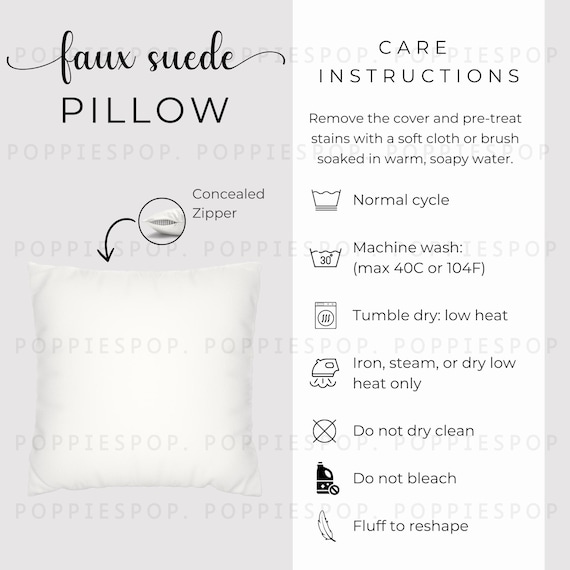
Cleaning suede pillow covers does not have to be intimidating. Start by identifying whether you have real suede or faux suede because this determines which cleaning methods are safe. Always check the care label first and test any cleaning solution on a hidden area before applying it to the entire cover. Remember the golden rule: blot spills immediately, never rub, and use minimal moisture throughout the cleaning process.
Gather the right tools including a quality suede brush, microfiber cloths, and appropriate cleaning solutions before starting. For routine maintenance, brush weekly and deodorize with baking soda monthly. When stains occur, treat them promptly using the appropriate method for the stain type. Air dry completely away from heat, then always brush to restore the nap after cleaning.
Protect your investment by applying suede protector spray every 3 to 6 months. With proper care, your suede pillow covers will stay soft, luxurious, and beautiful for years to come.