
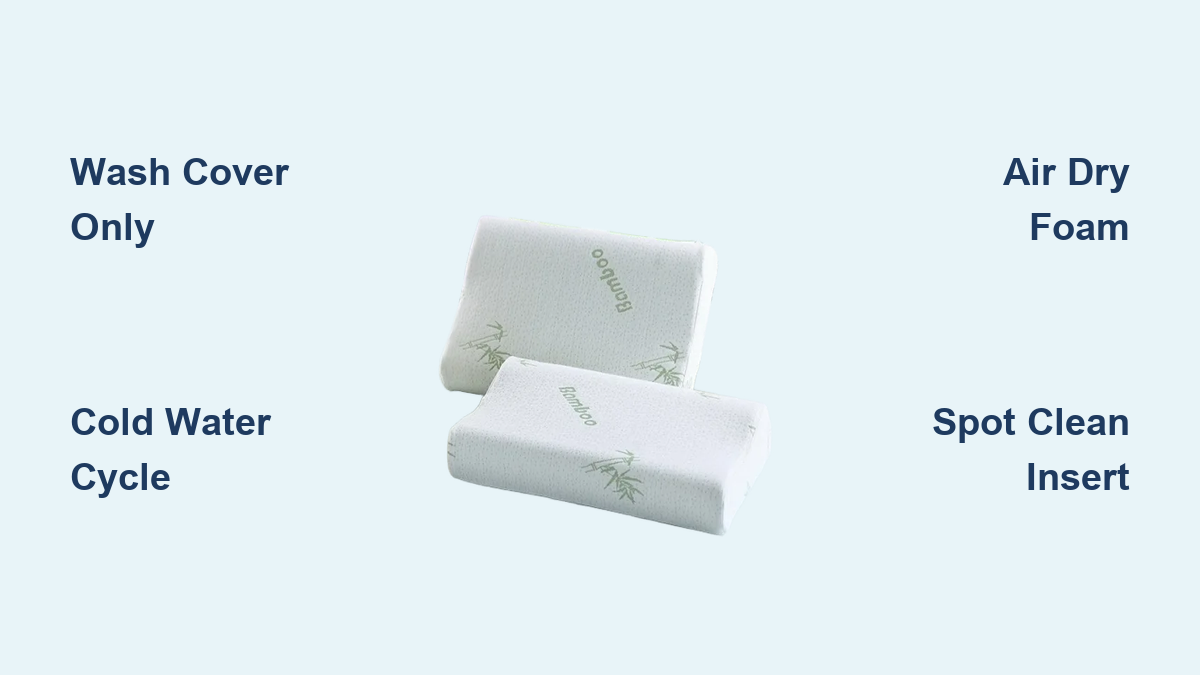
You’ve invested in a bamboo pillow for its softness, breathability, and eco-friendly appeal, but now you’re facing the inevitable question: how do you clean it without destroying that perfect comfort? The answer might surprise you. While the bamboo cover is machine washable, the memory foam insert inside is not, and putting the entire pillow in the washing machine can ruin its shape, support, and even lead to mold growth. This guide walks you through exactly what parts can go in the machine, the right settings to use, and how to care for the non-washable core so your pillow stays fresh for years.
Remove Bamboo Pillow Cover Before Washing
Before loading anything into your washing machine, you must separate the two main components of your bamboo pillow.
Unzip and Inspect the Insert
Locate the zipper on your bamboo pillow and fully unzip it. Gently pull out the memory foam filling, which is typically shredded foam designed to provide adjustable loft and support. Inspect the inner foam for any stains, odors, or clumping. If you notice soiling, spot clean the insert instead of submerging it in water. Always check the care label for specific manufacturer instructions, as some brands may allow hand washing of the insert while prohibiting machine washing entirely.
Sort by Color and Fabric Type
Wash dark and light-colored covers separately to prevent dye transfer. Never mix the bamboo cover with rough fabrics like jeans or towels that can cause pilling and damage the delicate fibers. Washing the cover with similar soft items like sheets or pajamas provides the best results.
Machine Wash Bamboo Cover Only
The bamboo-derived viscose or rayon cover is designed to be removable and washable, but only under specific conditions to preserve its quality.
Use Mild Detergent and Cold Water
Choose a mild, bleach-free, eco-friendly detergent. Harsh chemicals degrade bamboo fibers and reduce their natural moisture-wicking properties. Use approximately one tablespoon per load, as excess detergent leaves residue that attracts dirt and can irritate sensitive skin. Set your water temperature to cold or lukewarm between 90 and 110 degrees Fahrenheit, as hot water can shrink the fabric and weaken fibers.
Select Gentle Cycle Settings
Select the delicate or hand-wash cycle on your machine with a low spin speed to minimize stress on the fabric. Wash the cover alone or with other soft items. Always zip the cover closed before washing to prevent snagging and maintain its shape throughout the cycle.
Clean Memory Foam Insert Safely Without Machine
The memory foam core can never go in your washing machine, so you need alternative cleaning methods to keep it fresh.
Spot Clean for Light Soiling
Mix one part mild detergent with four parts water. Dip a soft cloth into the solution without soaking it completely. Gently dab the stained areas, avoiding saturating the foam. Blot with a dry towel to absorb moisture, then allow the foam to air dry completely for six to twelve hours before reinserting it into the cover.
Hand Wash for Deep Cleaning
Fill a bathtub with lukewarm water and add one to three tablespoons of mild detergent. Submerge the foam and gently press it down to absorb the soapy water. Never twist or wring the foam, as this destroys its structure. Let it soak for five to ten minutes, then drain and refill with clean water. Rinse thoroughly by pressing the foam repeatedly until no suds remain. Squeeze out excess water gently and air dry completely.
Air Dry Foam – Never Use Dryer

Putting memory foam in a dryer is one of the most damaging mistakes you can make with your bamboo pillow.
Why Heat Damages Foam
High temperatures can melt, warp, or crumble shredded memory foam. Even low heat settings risk shrinking or degrading the material over time, permanently reducing the pillow’s support and comfort.
Proper Air Drying Methods
Lay the foam flat on a clean, dry surface in a well-ventilated room. You can also place it on a drying rack or over a clothesline using a pillow hanger. Flip the foam every four to six hours for even drying. Keep the foam out of direct sunlight, as UV rays degrade the material. Drying typically takes twenty-four to forty-eight hours depending on humidity. Test for dryness by pressing deeply into the center, where no dampness should remain.
Dry Bamboo Cover Properly
With the foam safely drying, you can now handle the cover using the appropriate drying method.
Tumble Dry on Low Heat
You can put the bamboo cover in the dryer, but only on low heat or an air-dry tumble-only setting. Remove promptly to prevent wrinkles. Avoid over-drying, which weakens fibers and reduces the fabric’s lifespan.
Air Dry for Longevity
Hang the cover or lay it flat to dry naturally. This method preserves the fabric’s softness and extends its life significantly. Air drying is particularly ideal for delicate or dark-colored covers that may be prone to shrinking or fading.
Refresh Bamboo Pillow Without Full Washing
You do not need to deep clean every time your pillow needs attention. Regular refreshes keep it hygienic between washes.
Sun Airing for Odor Removal
Remove the cover and place the foam in indirect sunlight for two to four hours. UV light kills bacteria and neutralizes odors naturally. Flip halfway through for full exposure.
Baking Soda Deodorizing
Sprinkle baking soda evenly over the foam and let it sit for thirty to sixty minutes. Vacuum thoroughly with an upholstery attachment to remove the baking soda and absorbed odors. Repeat monthly for ongoing freshness. Add a few drops of lavender or tea tree oil to the baking soda for a calming scent and antimicrobial boost.
DIY Fabric Spray for Cover Only
Mix equal parts water and white vinegar in a spray bottle. Lightly mist the dry cover and let it air dry completely before use. Never spray the foam, as moisture trapped inside can lead to mold.
Prevent Frequent Washing with Good Habits
Reduce cleaning frequency and extend your pillow’s life with simple daily practices.
Wash Pillowcases Weekly
Oils, sweat, and dead skin transfer from your hair and face every night. The National Sleep Foundation recommends washing pillowcases at least once a week to prevent buildup that reaches your pillow.
Use a Pillow Protector
Place a waterproof or washable protector under your pillowcase. This barrier blocks spills, sweat, and allergens while being easy to machine wash weekly.
Fluff Daily and Keep Dry
Shake and fluff the pillow each morning to redistribute shredded foam. Never sleep with wet hair, and never allow the foam to get soaked during cleaning. Moisture leads to mold, mildew, and persistent odors.
Dust Regularly
Use a handheld vacuum or upholstery brush weekly to remove surface dust, pet dander, and allergens before they work their way into the pillow.
Know When to Replace Your Bamboo Pillow
Even with perfect care, bamboo pillows eventually wear out and need replacement.
Replace Every 2-3 Years
Look for these signs that indicate your pillow has reached the end of its lifespan. Loss of support means your pillow no longer maintains proper neck and spine alignment, often causing morning stiffness or pain. Lump formation occurs when foam clumps together and refuses to redistribute, creating uncomfortable pressure points. A flat surface means the pillow fails to rebound after compression and cannot regain its original shape. Persistent odor indicates bacteria or mold trapped inside that cleaning cannot eliminate.
Frequently Asked Questions About Washing Bamboo Pillows
Can you wash a bamboo pillow in the washing machine?
Only the cover. The memory foam insert must never go in the washing machine, as machine washing causes irreversible damage to the foam structure and can lead to mold.
How long does it take for a bamboo pillow to dry?
Air drying takes twenty-four to forty-eight hours depending on humidity and airflow. Always ensure complete dryness before reusing the pillow.
How do you wash a bamboo pillow cover?
Remove the cover, machine wash on gentle cycle with cold water and mild detergent, then tumble dry on low heat or air dry completely.
Can you wash bamboo pillows at home?
Yes, but only the cover in the machine. The insert must be hand washed or spot cleaned at home.
How often should you wash a bamboo pillow?
Wash the cover every three to six months, the pillowcase weekly, and spot clean the insert as needed with full hand washing every six to twelve months.
Key Takeaways for Washing Bamboo Pillows
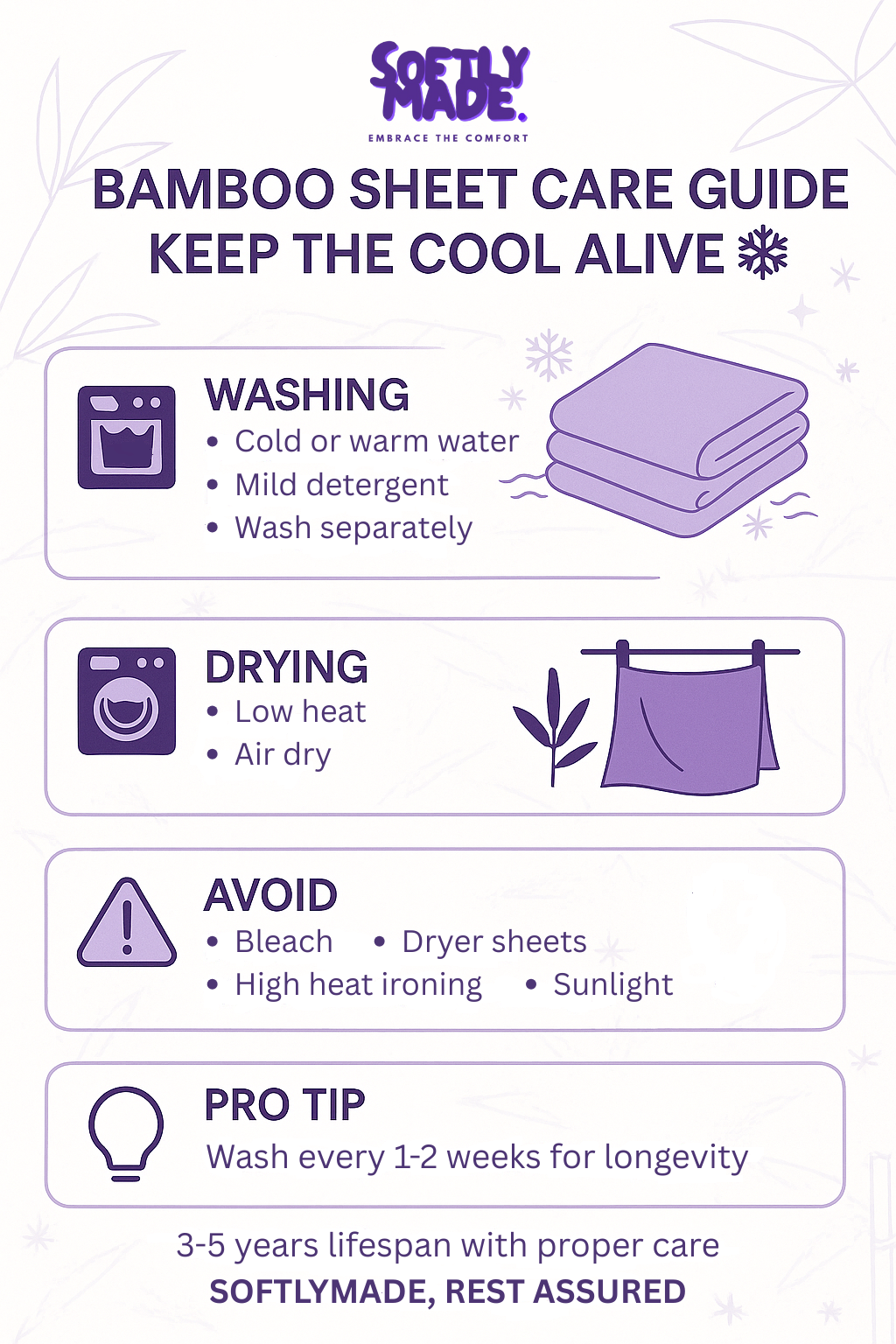
Your bamboo pillow combines comfort, sustainability, and health benefits, but only if you clean it correctly. Remember the golden rule: machine wash the cover only, never the foam. Use cold water, mild detergent, and always prioritize air drying for the memory foam insert to prevent mold and maintain support. With regular maintenance including weekly pillowcase changes, using a pillow protector, and daily fluffing, you can extend your pillow’s life to its full two to three year potential. When support fades, lumps form, or odors persist despite thorough cleaning, it is time to invest in a replacement. Always check your specific care label first, and when in doubt, opt for hand washing and air drying to keep your bamboo pillow in top condition.