
You love your MUJI pillow—whether it is the supportive buckwheat hull version or the soft, washable fiber model—but over time, it starts to feel less fresh. Sweat, dust, and everyday use take a toll. You are ready to clean it, but there is a problem: not all MUJI pillows can be washed the same way. Wash the wrong part, and you could ruin your pillow for good.
This guide gives you step-by-step instructions to safely clean every type of MUJI pillow—buckwheat, fiber, and memory foam. You will learn exactly what to wash, what to never wet, how to refresh without washing, and when to replace. Whether you have had your pillow for months or years, this is your complete resource to keep it hygienic, odor-free, and supportive.
Clean Buckwheat Pillow Cover Only
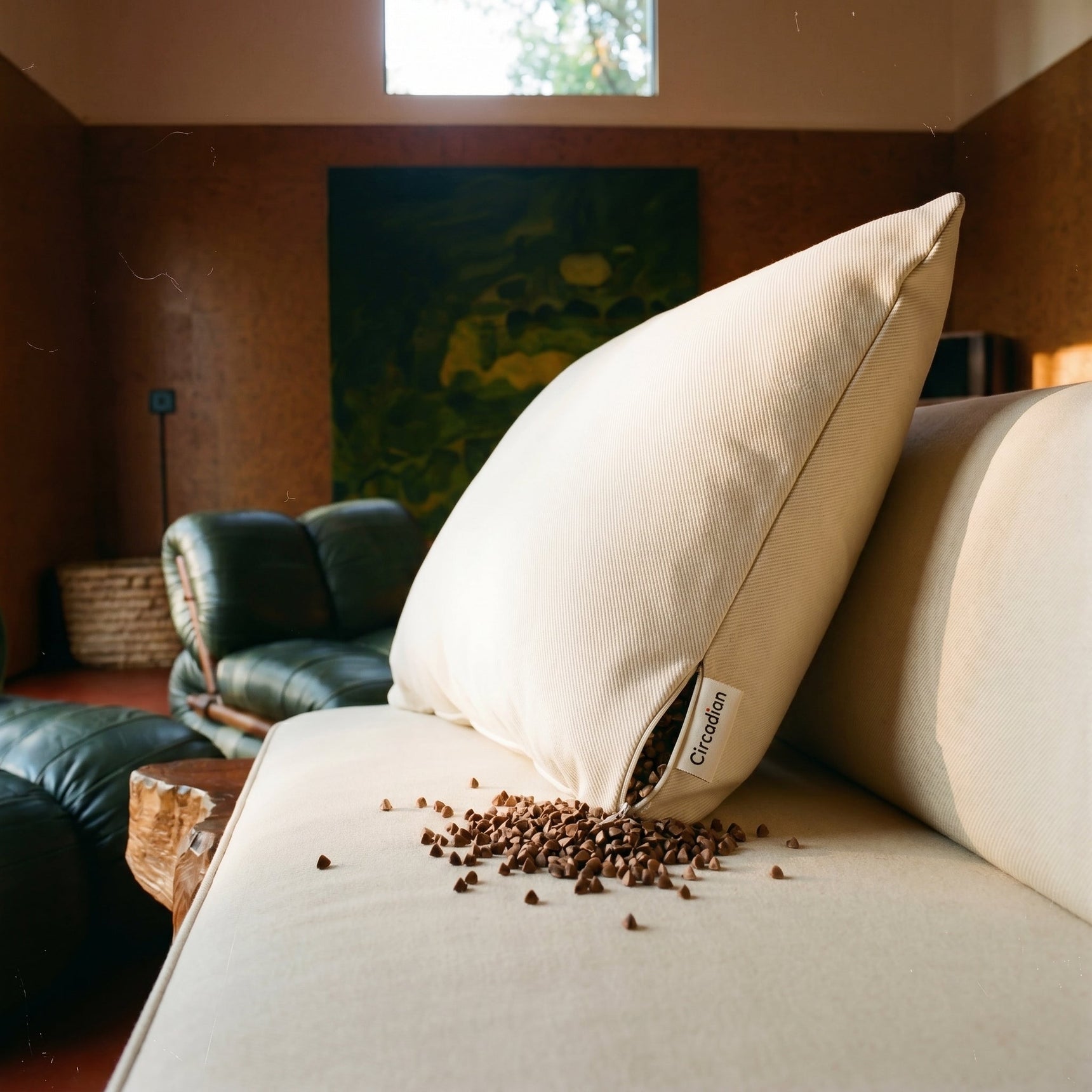
The MUJI buckwheat hull pillow is designed for support and breathability, but its natural filling is extremely sensitive to moisture. Washing the hulls can destroy them permanently. The solution is to only clean the outer parts.
Remove and Wash the Cotton Cover
Most MUJI buckwheat pillows have a zippered, removable cotton cover. This is the only part you should machine wash.
• Unzip and remove the cover from the inner hull bag
• Turn it inside out to protect fabric
• Machine wash on gentle cycle using cold water
• Use a mild, fragrance-free detergent
• Do not use bleach or fabric softener—they degrade cotton fibers
Wash the cover alone or with similar colors to avoid snagging or dye transfer.
Air Dry or Low-Heat Dry
High heat can shrink cotton, so drying matters as much as washing.
• Air dry flat on a clean towel or drying rack (best option)
• Or tumble dry on low heat for 10 to 15 minutes, then finish air drying
• Ensure the cover is completely dry before reassembling—any moisture can seep into the hulls
Skipping this step allows dampness to cause mold in the hulls, leading to musty smells that are difficult to remove.
Never Wash the Buckwheat Hulls
This cannot be overstated: do not soak, rinse, or machine wash the hulls.
• Buckwheat hulls absorb water like a sponge
• Wet hulls clump, rot, and grow mold within days
• Once damaged, they lose support and develop a sour odor
One Reddit user reported washing their entire buckwheat pillow—only to find the hulls turned to mush. The pillow had to be replaced entirely.
Refresh Hulls Without Water
Since you cannot wash the filling, you need safe ways to keep it fresh. These methods remove odors and prevent mildew naturally.
Sun-Dry Hulls Monthly
Sunlight naturally kills bacteria and wicks away moisture.
• Empty hulls onto a clean cotton towel
• Place in indirect sunlight for 2 to 4 hours (early morning or late afternoon works best)
• Stir every 30 minutes for even exposure
• Avoid direct midday sun—it can over-dry and crack the hulls
This simple step extends hull life and keeps your pillow smelling neutral.
Deodorize with Baking Soda
For lingering smells, use baking soda as a natural odor absorber.
• Place hulls in a large bowl or sealed container
• Sprinkle 1 to 2 tablespoons of baking soda over them
• Mix gently and let sit for 12 to 24 hours
• Shake or sift to remove residue before repacking
Alternatively, store the pillow with an activated charcoal sachet to continuously absorb moisture and odors.
Replace Buckwheat Hulls Every 1 to 3 Years
Even with perfect care, hulls degrade over time.
Signs it is time to replace:
• Pillow feels flat or lumpy
• Persistent musty smell after airing
• Visible dust or broken hull fragments
MUJI sells 500g and 1kg refill packs of buckwheat hulls. They are available at MUJI stores in Japan, China, USA, and Europe, as well as on MUJI official online shops. Third-party options exist on Amazon or Etsy, but check for purity before purchasing.
Refilling takes less than 10 minutes and restores full support.
Wash Polyester Fiber Pillow Fully
MUJI washable fiber pillow is made for easy care. Unlike buckwheat, this model is designed to be machine washed and dried completely.
Machine Wash on Gentle Cycle
Check the care label first—look for the machine washable symbol.
• Use a front-loading washer if possible (gentler than top-loaders with agitators)
• Wash one pillow at a time to balance the load
• Set to gentle cycle with cold or warm water
• Use mild detergent—no bleach or softener
Washing two pillows at once may unbalance the machine and damage fibers.
Dry With Tennis Balls
Fiber pillows can clump if not dried properly.
• Tumble dry on low heat
• Add 2 to 3 clean tennis balls or wool dryer balls
• They fluff the fibers and break up clumps during drying
Check every 30 minutes. Drying may take 2 to 3 cycles to ensure the center is fully dry.
Hand Wash Option
If you do not have a washing machine:
• Fill a tub with cold water and mild detergent
• Submerge pillow and press gently—do not wring
• Rinse thoroughly until water runs clear
• Roll in dry towels to remove excess water
• Air dry flat on a rack, flipping every few hours
Total drying time is 24 to 48 hours, depending on humidity levels.
Spot Clean Memory Foam Pillow
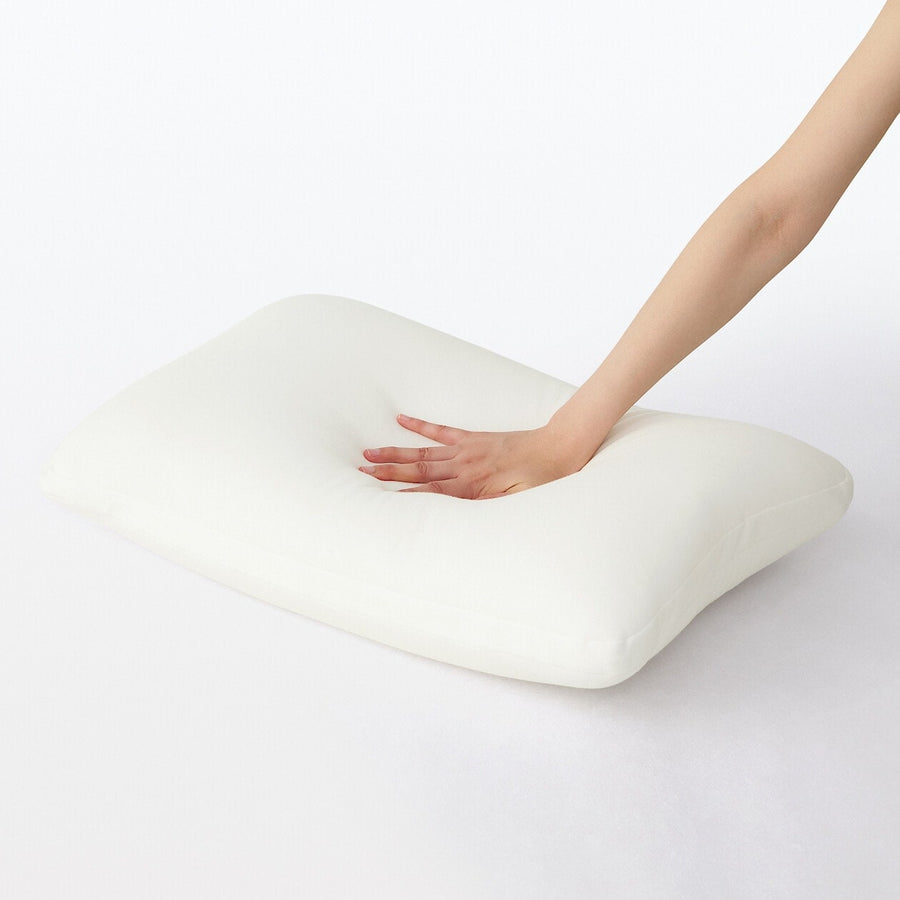
MUJI memory foam pillow requires the gentlest care. Never submerge or machine wash—water destroys the foam structure.
Remove and Wash Cover Separately
If your model has a removable cover:
• Follow cotton care instructions: cold wash, gentle cycle, low heat dry
• Do not use bleach
• Ensure it is fully dry before reattaching
The cover takes most of the body oils and dirt, so cleaning it regularly keeps the pillow fresh.
Clean Foam With Damp Cloth
For stains or spills on the foam:
• Mix 1 part mild detergent with 2 parts water
• Dip a clean cloth, wring until barely damp
• Blot the stain—do not rub
• Wipe with a second clean, damp cloth to remove soap
• Pat dry with a towel
Never soak or press hard—foam retains water easily and can tear.
Air Dry Completely
Foam dries slowly. To prevent mildew:
• Place in a well-ventilated room
• Keep out of direct sunlight (UV degrades foam)
• Allow at least 12 hours before use
Speed up drying by placing near a fan, but never near a heater.
Deodorize Any Pillow Naturally
Even clean pillows can develop odors over time. Use these safe, chemical-free methods.
Baking Soda for All Types
Baking soda works on covers, fiber, and foam surfaces.
• Sprinkle lightly over the pillow surface
• Wait 30 to 60 minutes
• Vacuum with an upholstery attachment
Avoid applying baking soda directly to buckwheat hulls—use the sealed-container method instead.
Fabric Refresher Spray
For quick touch-ups:
• Use an unscented or hypoallergenic spray
• Mist lightly from 6 inches away
• Do not oversaturate
This works well between washes or after naps.
Dry Pillows the Right Way
Improper drying is the number one cause of ruined MUJI pillows. Follow these rules for all types.
Air Dry Best Practices
• Use a mesh drying rack or clean towel
• Place in a room with good airflow (open window or fan)
• Flip every 4 to 6 hours
• Keep out of direct sunlight—UV fades fabric and weakens fibers
Ideal drying temperature is 20 to 25°C (68 to 77°F).
Machine Dry Safely
Only use machine drying for fiber pillows and cotton covers.
• Use low heat only—high heat melts fibers or shrinks cotton
• Add dryer balls to maintain loft
• Check frequently—stop when completely dry
Never walk away and let the dryer overheat.
Stick to a Maintenance Schedule
Regular care prevents deep stains and odors. Follow this simple routine.
| Task | Frequency |
|---|---|
| Air out pillow (all types) | Every 1 to 2 weeks |
| Sun-dry buckwheat hulls | Every 1 to 2 months |
| Wash removable cover | Every 1 to 2 months |
| Deep clean fiber pillow | Every 3 to 6 months |
| Check hulls for odor | Every 6 months |
| Replace buckwheat hulls | Every 1 to 3 years |
A quick 5-minute fluff daily also helps maintain shape and airflow.
Store MUJI Pillows Properly
How you store your pillow affects its lifespan significantly.
Use Breathable Storage
• Store in a cotton storage bag or pillowcase
• Never use plastic—it traps moisture and causes mildew
For buckwheat pillows:
• Keep hulls sealed in their inner bag
• Add a lavender or charcoal sachet to repel bugs and odors
For fiber and foam:
• Store flat or loosely folded—do not compress long-term
• Compression can permanently damage foam structure
Avoid These Common Mistakes
Even experienced users make these errors. Do not let them ruin your pillow.
Washing Buckwheat Hulls
Mistake: Soaking or rinsing the hulls
Result: Mold, odor, mushy texture
Fix: Replace hulls—no recovery once wet
Using Hot Water or Dryer
Mistake: Washing cover in hot water
Result: Shrinkage (common user complaint)
Fix: Always use cold water and low heat
Skipping Full Drying
Mistake: Reassembling while cover is damp
Result: Moisture transfers to hulls, causes mildew
Fix: Wait until 100% dry—touch test the inside seams
Buy Replacement Parts Easily
When it is time to refresh, here is where to go.
Official MUJI Channels
• Physical stores in Japan, USA, China, and EU
• Online shop at muji.com (region-specific)
• Sell buckwheat refill packs and replacement covers for select models
Check product codes to ensure compatibility.
Third-Party Options
• Amazon: Search MUJI buckwheat refill
• Etsy: Custom covers in organic cotton or bamboo
• eBay: Used or bulk hulls (verify freshness)
Always check reviews and seller ratings before purchasing.
Quick Troubleshooting Guide
| Problem | Likely Cause | Solution |
|---|---|---|
| Musty smell | Moisture in hulls | Sun-dry or replace hulls |
| Pillow flat or lumpy | Compacted filling | Fluff daily; wash/dry fiber pillow |
| Cover shrunk | Hot water wash | Wash only in cold; air dry |
| Hulls leaking | Worn fabric or zipper | Replace inner liner or entire pillow |
When in doubt, less water is better—especially for buckwheat.
Final Care Summary by Type
Buckwheat Pillow: Wash outer cover only. Never wash hulls. Sun-dry hulls monthly. Replace hulls every 1 to 3 years.
Fiber Pillow: Machine wash and dry on gentle cycle with low heat. Use dryer balls. Clean every 3 to 6 months.
Memory Foam Pillow: Remove and wash cover. Spot clean with damp cloth. No soaking or machine wash. Air dry 12 plus hours.
Frequently Asked Questions About Washing MUJI Pillows
Can I wash my MUJI buckwheat pillow in the washing machine?
No. Never machine wash or submerge buckwheat hulls. Only the removable outer cover is machine washable. The hulls absorb water, clump together, and develop mold. Wash the cover in cold water on gentle cycle, then air dry completely before reassembling.
How often should I wash my MUJI pillow cover?
Wash removable covers every 1 to 2 months, or sooner if you notice odors or visible dirt. For fiber pillows used nightly, consider deep cleaning every 3 to 6 months. Regular cover washing prevents body oils from building up and keeps the pillow feeling fresh.
What is the best way to dry a MUJI fiber pillow?
Tumble dry on low heat with 2 to 3 clean tennis balls or dryer balls. Check every 30 minutes and run additional cycles if needed. The balls help fluff the fibers and prevent clumping. Ensure the pillow is completely dry before use to prevent mildew.
How do I get rid of musty smell in my buckwheat pillow?
Sun-dry the hulls monthly in indirect sunlight for 2 to 4 hours. For stubborn odors, place hulls in a sealed container with baking soda for 12 to 24 hours, then shake out thoroughly. If smell persists after these treatments, the hulls may be past saving and need replacing.
Can I use bleach on my MUJI pillow cover?
No. Never use bleach or fabric softener on any MUJI pillow cover. These products degrade cotton fibers and can cause discoloration. Use a mild, fragrance-free detergent instead. For tough stains, try a gentle stain remover specifically designed for colored fabrics.
Where can I buy replacement buckwheat hulls for my MUJI pillow?
Purchase refill packs (500g or 1kg) from official MUJI stores in Japan, China, USA, or Europe. MUJI online shops also sell them. Third-party options include Amazon and Etsy, but verify seller ratings and product purity before buying.
Key Takeaways for Washing MUJI Pillows
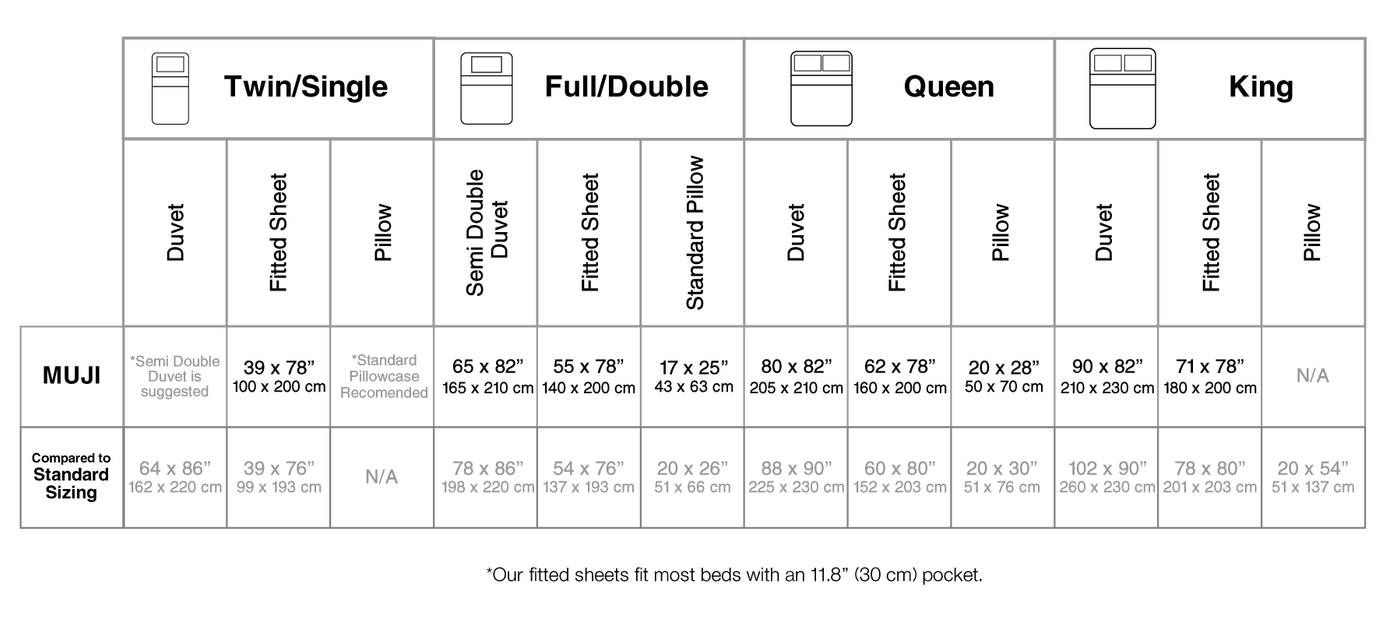
Washing your MUJI pillow safely depends entirely on the type you own. Buckwheat pillows require dry care—only the cover can be washed, while hulls must be refreshed through sun-drying and odor control. Fiber pillows are designed for machine washing and drying on gentle cycles with dryer balls. Memory foam pillows need only spot cleaning with a damp cloth and thorough air drying.
The most common mistake users make is washing buckwheat hulls, which destroys them permanently. Always use cold water, avoid high heat, and ensure every component is completely dry before reassembling. Following this maintenance schedule will keep your MUJI pillow fresh, supportive, and odor-free for years to come.