
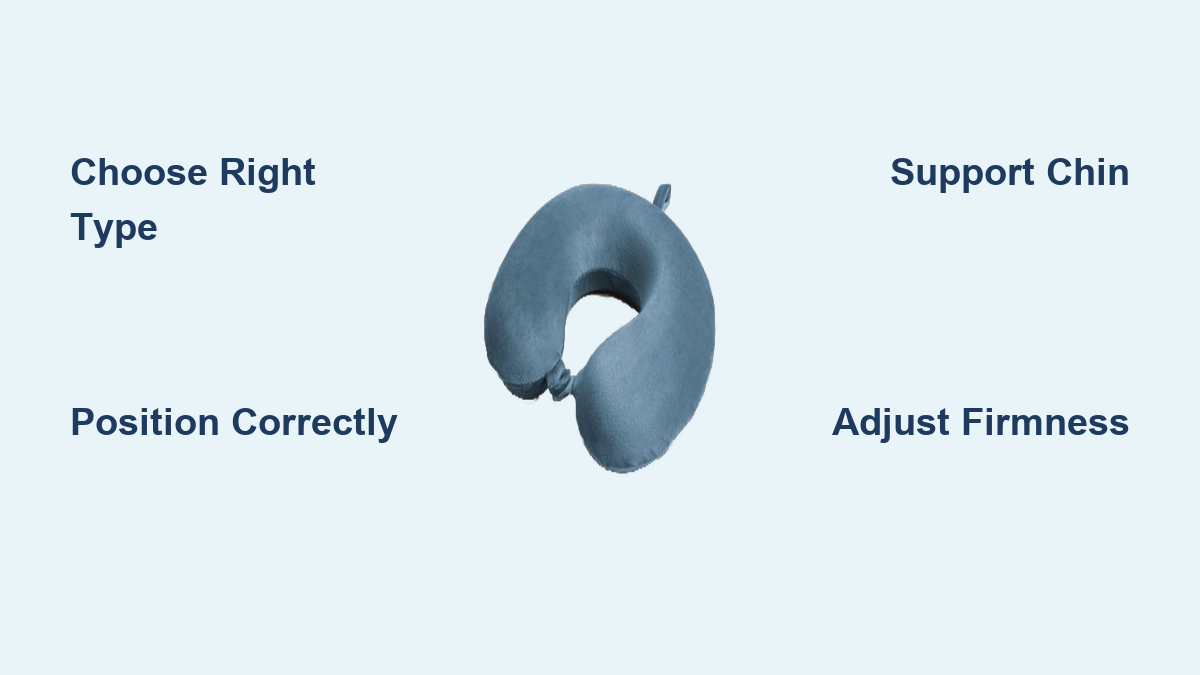
Traveling by plane, especially on long-haul flights, often means trying to sleep in less-than-ideal conditions. Without proper support, your head can loll forward, sideways, or backward, leading to stiff muscles, neck pain, and restless hours. A neck pillow is more than just a travel accessory; it is a tool for spinal alignment and comfort. Knowing how to use neck pillow on a plane correctly can make the difference between arriving sore and arriving refreshed.
The key is not just owning a neck pillow, but using it the right way. Whether you are in a window seat leaning against the wall or stuck in the middle with no support, the right positioning, pillow type, and adjustments can stabilize your head, reduce strain, and help you actually rest. This guide covers types of pillows, positioning techniques, common mistakes, and pro tips so you can fly smarter and wake up pain-free.
Choose the Right Neck Pillow Type

Not all neck pillows work the same. The best one for you depends on your sleeping style, seat position, and personal comfort preferences.
Pick Based on Your Sleep Style
If you tend to nod forward when you sleep, an inflatable or J-shaped pillow with chin support will prevent head drop. Side sleepers benefit from U-shaped or wrap-around pillows that fill the gap between neck and headrest. For maximum relaxation, weighted pillows add calming pressure that helps anxious travelers unwind.
Match Pillow to Seat Location
Window seat? Use a U-shaped or memory foam pillow to cushion your head against the wall. Middle or aisle? A J-shaped or wrap-around model gives asymmetric support when you cannot lean sideways. Aisle passengers may also benefit from forward-leaning setups using the tray table. Pair a firm pillow with a folded blanket for safe, supported rest.
Position Your Neck Pillow Correctly
Proper placement is critical. A poorly positioned pillow does more harm than good.
Standard U-Shaped: Front Opening
Place the open front under your chin, with the curved back supporting your neck and skull base. Ensure the thickest part cradles the base of your skull, not your shoulders. Keep it snug with no gaps between your neck and the cushion. This setup works best if you recline slightly and keep your head upright.
Pro Tip: If your head tilts forward, switch to reverse positioning.
Reverse U-Shaped: Back Opening
Flip the pillow so the opening faces the back of your neck. Let the cushion support your chin and jaw, preventing forward drop. This works best with a slightly reclined seat of 10 to 15 degrees. It is ideal for deep sleepers or those who cannot avoid head bobbing.
Warning: Reversing the pillow without adjusting for chin support causes neck strain.
J-Shaped: Jaw and Neck Support
Position the short curve behind your neck and the long arm along your jawline. This supports both vertical and lateral head movement. It is perfect for passengers who lean to one side or sleep with their head tilted.
Expert Move: Rotate the pillow so the long arm supports your cheek if leaning toward the window.
Inflatable: Adjust Firmness Smartly
Inflate to 70 to 80 percent capacity. This is soft enough to allow muscle relaxation but firm enough to hold position. Overinflation creates rigidity while underinflation leads to collapse. Test firmness before takeoff and adjust via the built-in valve.
Quick Fix: If your pillow deflates mid-flight, reinflate discreetly during calm periods.
Memory Foam: Let It Expand First
Unpack early so the foam regains its shape. Place around the neck like a standard U-shaped pillow. Avoid sitting on it during layovers because compression ruins support.
Cooling Hack: Choose models with breathable, moisture-wicking covers to avoid overheating.
Optimize Your Seating Position

Even the best pillow fails without proper body alignment.
Use Window Wall as Anchor
Lean your head gently against the cabin wall. Position the pillow to fill the gap between neck and wall, not push your head sideways. Add a rolled-up sweater behind your lower back for lumbar support.
Bonus: Combine with noise-canceling headphones and an eye mask for total sensory shutdown.
Tray Table Lean for Aisle or Middle Seat
Lower the tray table and cover it with a sweater or blanket. Rest your forearms on the table to stabilize your upper body. Gently lower your head so the neck pillow supports your chin, not your throat. Keep your neck straight and do not twist or bend sharply.
Safety Note: Always keep your seatbelt fastened over the lap belt, even when leaning forward.
Slight Recline for Neck Relief
Recline 10 to 15 degrees to shift weight off neck muscles. This prevents the head bob that wakes you every few minutes. Ask the passenger behind before reclining, especially on short-haul or full flights.
Do Not Fully Recline: It restricts blood flow and may annoy others.
Avoid Common Neck Pillow Mistakes
Small errors ruin comfort and support.
Wearing It Too Loose
A loose fit allows head movement, defeating the pillow is purpose. Adjust straps or ties for a snug but not tight fit. You should feel supported, not squeezed.
Incorrect Orientation
Many wear U-shaped pillows backward without realizing it. Front-opening provides side and back support. Back-opening provides chin and jaw support, but only if designed for it. Check manufacturer instructions because some pillows are not reversible.
Overinflating Inflatable Pillows
Rock-hard pillows prevent natural neck relaxation. Deflate slightly until the pillow gives a little under pressure. Think firm hug, not steel clamp.
Ignoring Chin Support
Side support alone lets the head drop forward. Use pillows that support the jawline or reverse the U-shape. Combine with slight recline to reduce forward tilt.
Using a Worn-Out Pillow
Flat, lumpy, or compressed pillows offer zero support. Replace when foam loses resilience, seams split, or inflation fails. A damaged pillow is worse than no pillow.
Combine with Other Travel Comfort Tools
Maximize rest with smart layering.
Add an Eye Mask and Headphones
An eye mask blocks cabin lights and signals your brain it is sleep time. Noise-canceling headphones reduce engine noise and chatter. Use calming audio such as white noise, nature sounds, or guided meditation.
Use a Travel Blanket Strategically
Drape over shoulders to stay warm because cold muscles tense up faster. Fold and place on tray table for forward-leaning comfort. Use as lumbar roll if lower back aches.
Wear Comfortable, Layered Clothing
Avoid tight collars or stiff fabrics that press on the neck. Layers help regulate temperature during cabin fluctuations.
Stay Hydrated and Skip Alcohol
Dehydration worsens muscle stiffness and jet lag. Alcohol disrupts sleep cycles and dries out tissues. Drink water, herbal tea, or electrolyte drinks instead.
Clean and Maintain Your Pillow
A dirty or damaged pillow harms hygiene and support.
Clean by Material Type
Removable covers go in the machine on cold with mild detergent, then air dry. Memory foam needs spot cleaning only. Never soak it. Wipe inflatable pillows with disinfectant and dry completely before storing. Weighted pillows are spot clean only per manufacturer instructions. Microfiber and silk require hand washing and flat drying.
Store Properly
Deflate inflatable pillows fully and roll tightly before storing in the pouch. Let memory foam expand between trips and avoid long-term compression. Keep all types in a breathable bag away from heat and moisture.
Replace When Needed
Replace your pillow when you notice lumps or uneven density, persistent odor despite cleaning, lost shape or sagging, or a broken valve on inflatable models.
Pro Tip: Carry a small pillowcase or sleeve for extra protection during travel.
Expert Tips for Better In-Flight Rest
Small upgrades make a big difference.
Stretch Before and After
Do gentle neck rolls, shoulder shrugs, and chin tucks before boarding. Stretch again upon landing to release tension.
Choose the Best Seat
Window seat offers the most stability with wall support and no aisle traffic. Exit row or bulkhead provides extra legroom for better posture. Front of the plane means less turbulence and quicker exit.
Set a Sleep Schedule
Sync with destination time zone if possible. Use apps to guide sleep and wake cycles for long trips.
Try a Weighted Neck Pillow
The gentle pressure mimics a calming embrace. It helps reduce anxiety and improve sleep onset. This is ideal for nervous fliers or those with insomnia.
Key Takeaways for Using Neck Pillows on a Plane
Using a neck pillow on a plane is not just about comfort. It is about protecting your body from strain in a challenging environment. The right pillow, placed correctly and combined with smart travel habits, transforms your flight into a chance to rest.
The most important points to remember are choosing a pillow type that matches your sleeping style, positioning it with the opening front or back depending on how your head tends to tilt, and keeping the fit snug without gaps. Combine your pillow with slight recline, window support, or tray table leaning depending on your seat. Avoid common mistakes like wearing it too loose, overinflating, or ignoring chin support.
Whether you are flying overnight or enduring a cross-country hop, mastering how to use neck pillow on a plane ensures you land feeling refreshed, not wrecked.
Frequently Asked Questions About Using Neck Pillows on a Plane
Which type of neck pillow is best for side sleepers on a plane?
Side sleepers benefit most from U-shaped or wrap-around pillows. These fill the gap between the neck and the seat headrest or cabin wall, providing stable support when leaning sideways. J-shaped pillows also work well because the longer arm supports the jaw and cheek.
Should I inflate my travel pillow fully?
No, inflate your travel pillow to 70 to 80 percent capacity. Full inflation makes the pillow too rigid, preventing your neck muscles from relaxing. Underinflation fails to hold your head in place. The goal is a firm but yielding support.
Can I use my neck pillow on an aisle seat?
Yes, but aisle seats require different positioning. Use the headrest in front for back support or lean forward onto the tray table. Place a blanket on the table, rest your arms, and lower your head with the pillow supporting your chin. Always keep your seatbelt fastened.
How do I know if my neck pillow is positioned correctly?
Your pillow is correct if your head does not tilt forward, backward, or sideways when you relax. There should be no gaps between your neck and the pillow. You should feel supported without being squeezed. Test different orientations to find what works for your natural sleep position.
How often should I replace my travel neck pillow?
Replace your pillow when it loses shape, develops lumps, has persistent odors, or shows visible wear like split seams. Inflatable pillows with broken valves also need replacement. A worn pillow provides poor support and can cause more harm than good.
Is it better to wear a neck pillow with the opening in front or back?
It depends on how your head tends to move. Opening in front provides side and back support, ideal for most sleepers. Opening in back supports the chin and jaw, preventing forward head drop. If your head tilts forward, try reversing the pillow orientation.