
Washing a feather pillow might seem like a simple way to refresh your sleep setup, but it’s a task that demands caution. While some brands promote machine washability, most experts agree: you should only wash feather pillows in emergencies. Repeated washing strips natural oils from feathers, the oils that keep them flexible, water-resistant, and fluffy. Without these, feathers become brittle, poke through fabric, and lose their support.
The real danger is not just damage. Feathers trap moisture deep inside, and if not dried completely, mildew can form within 6 to 12 hours, ruining the pillow and posing health risks. Yet when faced with spills, odors, or accidents, cleaning may be unavoidable. This guide walks you through when to wash, how to do it safely, and better alternatives to avoid washing altogether.
When Washing Is Actually Necessary
Washing should be reserved for true emergencies, not routine cleaning. Consider washing only if there is bodily fluid exposure like urine, sweat, vomit, or blood. Also wash if cosmetics, lotions, or food have soaked into the core. A persistent odor suggesting microbial growth or a pillow that feels damp or compressed due to moisture buildup also warrants washing.
Avoid washing for general freshness. Use non-wash methods instead. Skip washing for routine maintenance since protective layers make this unnecessary. Do not wash for minor surface stains. Spot clean instead. Never wash a flat pillow hoping to rejuvenate it. Worn-out feathers will not bounce back.
Luxury bedding makers like Down and Feather Co. warn against frequent washing, while retail brands like Casper and Peacock Alley promote it as safe. The difference lies in feather quality. Higher-end pillows often use delicate, oil-rich feathers that degrade faster. Always check the care label first. If it says dry clean only, trust it.
Preparing Your Feather Pillow for Washing
Before any wash, examine the pillow closely. Look for holes, tears, or loose stitching. Run your hand over the surface to feel for escaping feathers. Repair small rips with a needle and thread or fabric patch. Washing a damaged pillow risks feather loss and machine clogs. If the shell is worn or thin, consider replacing it instead.
Gather these cleaning supplies. You will need mild, low-suds, non-biological liquid detergent like Woolite or My Green Fills. Use a front-loading washing machine for gentle agitation. Have white vinegar ready for the rinse cycle. Grab enzyme-based stain remover for pre-treatment. Prepare dryer balls and one dry bath towel for drying. Avoid bleach, fabric softeners, and biological detergents. They coat feathers, reduce loft, and accelerate breakdown.
For visible soiling, pre-treat the stains. Mix a few drops of mild detergent with water. Dab onto the stain with a soft cloth. Do not soak. Let sit 10 to 15 minutes. Blot gently. Do not scrub. For organic stains like urine or sweat, an enzyme cleaner helps break down proteins without damaging feathers.
Machine Washing Steps for Feather Pillows

Top-loaders with agitators are too harsh. They twist and crush feathers. If you must use one, ensure it is an agitator-free model. Front-loaders clean more gently and rinse better, reducing risk of clumping and damage.
Follow these numbered steps for machine washing.
Balance the load by washing two pillows at once. If only one pillow, add a bath towel of similar weight. Set your machine to gentle or delicate cycle. Use cool or warm water, never hot. Set spin speed to low or medium. Add 1 to 2 tablespoons of mild liquid detergent. Skip fabric softener and bleach. Pour half a cup of white vinegar into the rinse dispenser to remove residue and soften fibers. Run an extra rinse cycle to ensure all soap is gone. Residue causes mustiness and brittleness.
After washing, remove water without damaging feathers. Lay the pillow on a dry towel. Place another towel on top. Press down firmly to absorb moisture. Repeat with fresh towels as needed. Never twist or wring. This breaks feather quills, leading to clumps and poking.
Hand Washing Delicate Feather Pillows
For vintage, unlabeled, or fragile feather pillows, hand washing is safer than machine washing.
Fill a bathtub or basin with cool or warm water. Add a small amount of mild detergent and mix well. Submerge the pillow and gently squeeze to let water penetrate. Let soak 10 to 15 minutes. No longer. Drain and rinse under clean running water until suds disappear. Press between towels to remove water. Never wring or twist.
Proceed immediately to drying after hand washing. Even brief delays increase mold risk.
Drying Feather Pillows Completely
Incomplete drying is the number one reason feather pillows fail. Moisture trapped inside breeds mold and mildew fast, sometimes within half a day. Surface-dry does not count. The core must be fully dry.
Tumble drying is the only reliable way to ensure complete moisture removal and restore fluff. Set heat to low or medium only. High heat burns feathers. Use air dry or delicate cycle. Dry two pillows for balance. Add one dry bath towel to absorb residual moisture. Add 3 to 6 wool dryer balls to fluff feathers. Tennis balls are too small to be effective.
Run the first cycle for 50 to 60 minutes on low heat. Immediately start the second cycle. No break. This prevents moisture re-absorption. Pause every 20 to 30 minutes to fluff and redistribute feathers. After the second cycle, check by squeezing the center. There should be no dampness. Smell the pillow. There should be no musty odor. If needed, run a third cycle. Most pillows need 2 to 3 cycles totaling 2 to 5 hours. Never assume it is dry after one round.
Air drying is high-risk, especially in humid climates. Even sunny days may not provide enough airflow to dry the core. If you must air dry, lay flat on a clean, dry surface. Place in direct sunlight and breeze. Flip every few hours. Knead and fluff regularly to prevent clumping. Expect up to 24 hours of drying time. One user reported that even on a summer day, their pillow mildewed before it dried. Tumble drying is strongly preferred for safety and effectiveness.
Before using the pillow, confirm it is fully dry. Use these tests. The touch test: warm and uniformly dry with no cool spots. The smell test: clean, neutral scent with no mustiness. The time benchmark: at least two full dryer cycles. The squeeze test: returns to shape quickly with no damp resistance. If the pillow develops a moldy smell within 24 to 48 hours, it was not dried completely and should be discarded.
How to Refresh Feather Pillows Without Washing
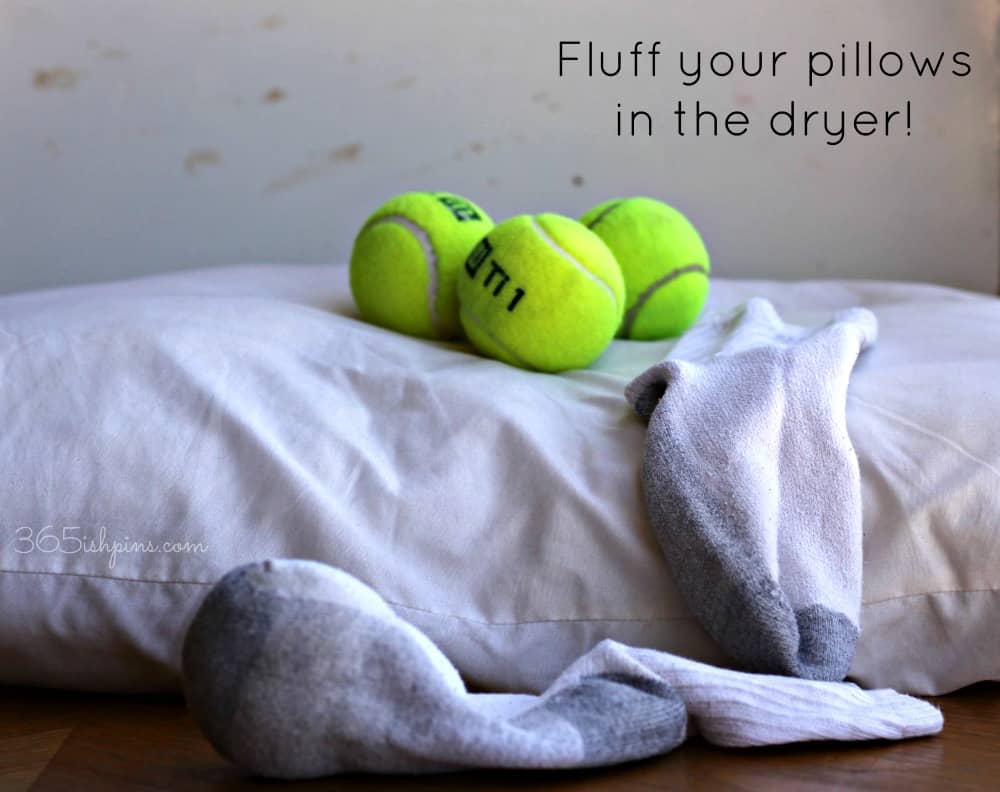
Washing shortens pillow life. Instead, use these non-damaging methods for routine care.
For fluff and odor refresh, place pillow in dryer with one damp washcloth, 3 wool dryer balls, and optionally one fabric softener sheet. Run on low heat for 15 to 20 minutes. Result is a fluffier pillow, reduced odors, and warm comfort without water or risk.
To kill dust mites naturally, seal pillow in a plastic bag. Freeze for 24 to 48 hours. Remove and air out for 30 minutes. This kills dust mites and eggs. Add a few drops of eucalyptus or wintergreen oil on a cloth near the pillow. This repels mites and freshens naturally. Avoid applying oil directly to fabric.
For surface debris, use the upholstery attachment on your vacuum. Remove dust, skin flakes, and hair through the pillow protector. Prevent buildup without disturbing feathers. Do this monthly for hygiene.
In dry, sunny climates, hang pillow outdoors for 2 to 4 hours. UV rays help sanitize. Wind removes moisture. Always keep the protector on to block dirt.
Preventing Common Feather Pillow Problems
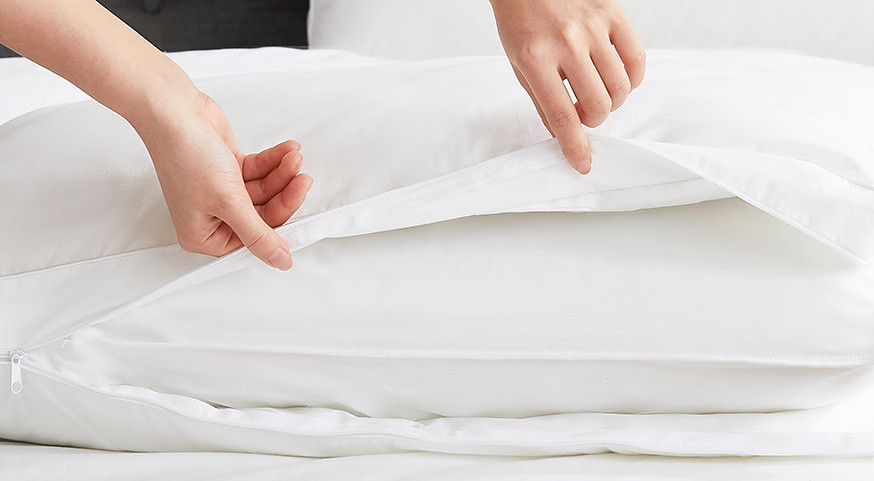
Yellowing comes from sweat and scalp oils, facial lotions, and moisture buildup. It cannot be reversed without washing, which risks damage. Prevent yellowing by always using a zippered pillow protector. Wash pillowcases weekly. Dry hair before bed. Avoid bedtime lotions or apply in the morning.
Feathers poke out when quills become brittle from repeated washing, when feathers break due to folding or compression, or when fabric thread count is too low. Prevent escape by never folding or scrunching the pillow. Use high-quality ticking with 233 to 300 thread count cotton sateen. Wash only when essential.
Pillows go lumpy from clumping during washing, incomplete drying, or feather degradation. Fix by continuing tumble drying with dryer balls. Knead and fluff every 20 minutes. If lumps remain after full drying, the fill is likely deteriorated. Replace the pillow.
Pillows go flat from wear, not dirt. To restore lost loft, ensure the pillow is fully dry. Use dryer with wool balls for 30 or more minutes. Fluff by hand daily. If flatness persists, it is a sign of wear. Time to replace.
When to Replace Your Feather Pillow
Replace your feather pillow if it stays flat after fluffing. Replace if it causes neck pain or poor sleep. Replace if feathers constantly poke through. Replace if it has a persistent musty smell. Replace if it shows hard lumps or clumps. Replace if allergies worsen despite cleaning.
Washing does not restore a worn-out pillow. Support loss comes from feather breakdown, not just soiling. With minimal washing and protector use, expect 7 to 10 years of life. Without protector or with frequent washing, expect 1 to 3 years.
Key Tips for Extending Pillow Life
Use a pillow protector. This is the number one way to avoid washing. A zippered, waterproof barrier blocks oils, sweat, and microbes. Wash the protector every 2 to 4 weeks. This keeps the pillow core clean for years. Pair with a pillowcase changed weekly for full protection.
Fluff daily, not just when washing. Each morning, shake and fluff the pillow by hand. Reshape to restore loft. Avoid relying only on dryer fluffing.
Avoid compression and folding. Never fold, roll, or store under heavy items. Compression breaks feather quills. Store loosely in a breathable cotton bag.
Rotate and air out monthly. If you use multiple pillows, rotate them weekly. Air out in sunlight with protector on monthly in dry climates. Use the freezer method every 3 to 6 months for mite control.
Choose the right detergent. My Green Fills is specifically designed for down and feathers. It preserves natural oils. Woolite is mild, low-suds, and non-biological. White vinegar naturally removes residue and deodorizes. Avoid biological detergents, bleach, and fabric softeners.
Frequently Asked Questions About Washing Feather Pillows
Can I machine wash a feather pillow?
Yes, but only in emergencies. Use a front-loading machine on gentle cycle with cool water. Add mild detergent and run an extra rinse. Tumble dry on low heat with dryer balls. Never use a top-loader with an agitator.
How often should I wash a feather pillow?
Ideally, never. Wash only when necessary like for bodily fluid exposure or deep staining. Most experts recommend maximum once every 6 to 12 months. Frequent washing strips natural oils and shortens pillow life.
Why does my feather pillow smell after washing?
A musty smell means incomplete drying. The pillow likely has moisture trapped inside, which can lead to mold. This is often irreversible. A new pillow smell is natural. Air it out for 24 to 48 hours or use dryer refresh. Do not wash a new pillow.
Can I dry a feather pillow in the sun?
Air drying is risky. In humid climates, the pillow may not dry fully and can mildew. In dry climates, it may work but takes up to 24 hours. Tumble drying is strongly preferred for safety and effectiveness.
What happens if I do not dry the feather pillow completely?
Trapped moisture causes mold and mildew within 6 to 12 hours. The pillow will develop a musty smell that cannot be removed. It may become unusable and pose health risks. Always ensure the core is fully dry before use.
How do I get rid of dust mites in my feather pillow?
Seal the pillow in a plastic bag and freeze it for 24 to 48 hours. This kills dust mites and eggs. Remove and air out for 30 minutes before using. This method avoids washing and preserves feather quality.
Final Thoughts on Washing Feather Pillows
The best way to care for a feather pillow is to avoid washing it. Use a protector, fluff daily, and refresh with heat, not water. When washing is unavoidable, follow this guide exactly, especially the multi-cycle drying process. Done right, your pillow can stay fresh, fluffy, and mold-free for years. Done wrong, it could be ruined in a single wash. Always prioritize prevention over cleaning, and your feather pillow will serve you well for a decade or more.