
Yellowed or dingy pillowcases can make even the cleanest bedroom look uninviting. Over time, exposure to sweat, oils, and repeated washing can dull white linens, leaving them with stubborn stains and a grayish or yellow tint. This guide walks you through exactly how to bleach pillowcases white, based on fabric type, stain origin, and care instructions. You’ll learn step-by-step soaking and washing methods using chlorine and oxygen-based bleach, discover non-bleach alternatives, and get expert tips to prevent future discoloration.
Check Your Pillowcase Fabric Type First
Before reaching for bleach, always identify your pillowcase material. Using the wrong type can damage fibers or worsen discoloration.
Cotton Pillowcases
Most white pillowcases are 100% cotton, which is bleach-safe when handled correctly. Chlorine bleach works well here for whitening and disinfecting, but do not overuse it. Excessive bleach weakens cotton fibers over time and can cause premature wear.
Polyester and Blends
Polyester or cotton-poly blends may yellow when exposed to chlorine bleach. Use oxygen-based bleach instead to avoid discoloration. Always check the care label before proceeding with any bleaching treatment.
Silk, Rayon, and Microfiber
Avoid all bleach on silk, rayon, or microfiber. These delicate fabrics degrade quickly when exposed to harsh chemicals. If your care label says “do not bleach,” skip bleach entirely and use alternative brightening methods instead.
High-Thread-Count Cotton
Premium cotton pillowcases (e.g., 500 thread count) can usually tolerate limited chlorine bleach if the label says “only non-chlorine bleach when needed.” This phrasing means non-chlorine is preferred, but a short chlorine soak may still be safe when needed.
Test Bleach Compatibility Before Treating
Never skip this critical step. The care label tells you what your pillowcase can handle.
How to Perform a Bleach Test
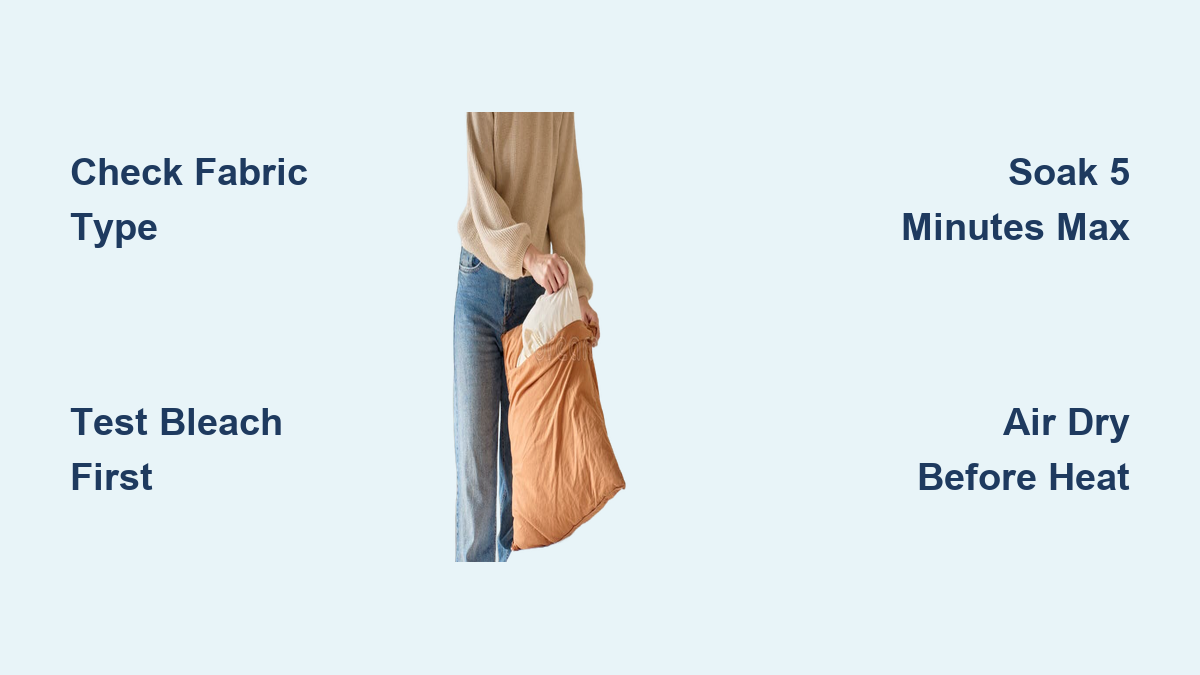
Mix one teaspoon of chlorine bleach with one-quarter cup of water. Apply to a hidden seam on your pillowcase. Wait five minutes, then blot dry. If no color change or damage occurs, the fabric is safe for bleaching.
What the Care Symbols Mean
Look for these key indicators on your care label. “Bleach safe” or no restrictions means you can use chlorine bleach cautiously. “Only non-chlorine bleach” requires sticking to oxygen-based options like Clorox 2. “Do not bleach” means avoiding all bleach products entirely.
Remove Dye Transfer from Pillowcases
Dye transfer happens when white pillowcases are washed with dark clothes, leaving a gray or golden tint. This is one of the most common causes of discoloration.
Chlorine Bleach Soak for Dye Transfer
This method works best on 100% cotton with no bleach restrictions.
Mix one-quarter cup of Clorox Disinfecting Bleach per gallon of water. Fully submerge pillowcases in the solution. Soak for five minutes only, as longer exposure damages fibers. Rinse thoroughly under running water. Air dry and inspect. If tint remains, repeat once.
Never exceed five minutes. Chlorine bleach breaks down cotton fibers with prolonged exposure, causing permanent damage to the fabric.
Prevent Dye Transfer in the Future
Wash whites separately from colored garments. Use color-catcher sheets in mixed loads when necessary. Avoid overloading the washer, as crowding reduces rinsing efficiency and can cause dye to redeposit on white fabrics.
Remove Oil-Based Yellow Stains
Yellow buildup around the pillow crown usually comes from hair oils, lotions, or sweat. Heat from the dryer sets these stains, making them harder to remove over time.
Two-Step Presoak Method for Stubborn Oil Stains
This proven process first breaks down oils, then whitens.
Step 1: Oxygen Bleach Soak Overnight
Fill a basin with two gallons of hot water. Add one scoop of Clorox 2 for Colors Powder, which is oxygen-based. Stir until completely dissolved. Submerge pillowcases completely, using a plate to keep them underwater. Soak for eight hours or overnight.
This step softens and lifts oil without damaging fibers. The oxygen bleach penetrates deep into the fabric to break down stubborn buildup.
Step 2: Short Chlorine Bleach Soak
Prepare a fresh solution using one-quarter cup of Clorox per gallon of water. Soak pillowcases for exactly five minutes. Drain and rinse well.
Now machine wash using hot water. Add enzyme detergent, which breaks down proteins and oils. Add one-third cup of Clorox bleach during the wash cycle. Run an extra rinse cycle to remove all residue.
Never tumble dry until the stain is completely gone. Heat sets any remaining oil permanently, making it nearly impossible to remove later.
Repeat If Needed
If yellowing persists after the first treatment, repeat the full two-step process. Stubborn buildup may take two to three rounds before the pillowcase returns to white.
Safe Bleach Alternatives for Pillowcases
Cannot or do not want to use bleach. These additives brighten and deodorize without harsh chemicals.
Borax for Whitening Boost
Add one-half cup of Borax per load. It works in hot or warm water and enhances detergent performance while softening water. Borax is safe to use with chlorine bleach but avoid using it in high-efficiency machines unless labeled compatible.
Powdered Dishwasher Detergent
Use one cup per load in hot water. It acts as a powerful degreaser for oily stains. Do not use in HE machines, as it can cause excessive sudsing.
Never mix dishwasher detergent with bleach. The combination produces dangerous fumes that can cause serious harm.
Vinegar and Hydrogen Peroxide Method
Add one-half to one cup of white vinegar and one-half to one cup of hydrogen peroxide to the wash. This boosts stain removal and odor control naturally. It is safe for most washable fabrics.
Never mix vinegar or hydrogen peroxide directly with chlorine bleach. This creates toxic chlorine gas that can cause respiratory problems.
Hair Shampoo for Oily Spots
Rub shampoo directly onto stained areas. Let sit for ten minutes. Wash in hot water with regular detergent. Shampoo breaks down oils the same way it cleans hair, making it ideal for pre-treating pillowcase crowns.
Complete Bleach Washing Procedure

For deep cleaning and disinfecting, follow this complete process.
Prepare the Load Properly
Remove pillowcases from pillows. Check for tears, and sew any holes shut before washing to prevent unraveling. Balance the load by washing two pillowcases at a time in top-loaders. If washing only one, add one or two folded towels to balance the drum.
King-size cases may not fit in small machines. Use a commercial washer or hand-wash if needed.
Set Up the Wash Cycle
Place pillowcases flat or rolled in the drum. Select a hot water cycle (max 140°F). Start filling the washer. Once water covers the bottom, add one-half to three-quarters cup of Clorox bleach for a large load. Add one-half cup of Borax as an optional booster.
Let the machine agitate for five minutes, then pause and soak for one to two hours. Resume the cycle after soaking. This resting period improves stain removal and disinfection significantly.
Rinse and Dry Correctly
Always run an extra rinse cycle to flush out bleach and residues. Residual bleach can irritate skin and weaken fabric over time.
For drying, use dryer balls to fluff and reduce drying time. Tumble dry on low or medium heat for cotton. Air dry in sunlight when possible, as UV rays naturally bleach and sanitize fabric.
Prevent Future Staining
Keep pillowcases white longer with these consistent habits.
Wash Pillowcases Weekly
Wash pillowcases every seven days. If you sweat heavily or use oily skincare products, wash every three to four days. Oils and bacteria build up quickly, and weekly washing prevents deep staining from becoming permanent.
Use a Pillow Protector
Wear a barrier layer under your pillowcase. This blocks oils, sweat, and dead skin from reaching the fabric. Wash the protector every one to two weeks. Using a protector extends the time between pillowcase washes and improves overall hygiene.
Avoid High-Heat Drying Too Soon
Always air dry first after treating stains. Confirm stains are completely gone before using the dryer. Heat permanently sets any remaining oils or dyes, ruining your bleaching work.
When to Replace Pillowcases
Even with proper care, pillowcases wear out over time.
Signs It Is Time to Replace
Fabric feels thin or tears easily. Persistent stains will not lift despite repeated bleaching. Yellowing returns immediately after washing. Replace pillowcases every one to two years with regular use.
Test Your Pillow Condition
Pillows also degrade and may be contributing to staining. Fold a pillow in half. If it stays folded, replace it. If it springs back, it is still good.
Replace polyester pillows every two to three years. Replace down or feather pillows every five to seven years. Replace memory foam pillows every two to three years.
Critical Bleach Safety Rules
Bleach is powerful. Use it safely to protect yourself and your fabrics.
Never Mix Dangerous Chemicals
Never mix bleach and vinegar. This produces toxic chlorine gas. Never mix bleach and ammonia. This creates deadly chloramine fumes. Never mix bleach and toilet cleaners, as many contain acids or ammonia.
Store bleach in a cool, dark place. Sunlight degrades its effectiveness quickly.
Do Not Overuse Bleach
Even on cotton, too much bleach weakens fibers. Limit chlorine bleach to once every one to two months for maintenance. Use oxygen bleach for weekly brightening instead. This keeps whites bright without causing fabric damage over time.
Recommended Products for Bleaching Pillowcases
Use these trusted items for the best results.
Clorox Disinfecting Bleach
Best for chlorine bleach soaks and hot washes. Use one-quarter cup per gallon for soaking, or one-third cup per load for washing. Effective on dye transfer and bacteria.
Clorox 2 for Colors Powder
Oxygen-based (non-chlorine) bleach. Safe for colors and bleach-sensitive fabrics. Ideal for overnight oil stain soaks.
Enzyme-Containing Detergent
Breaks down proteins, oils, and sweat. Look for labels like “stain remover” or “bio-enzyme.” Essential for fighting body soil buildup on pillowcases.
Dryer Balls
Reduce drying time and prevent clumping. Reusable, with no need for dryer sheets. Help maintain softness after bleaching.
Quick Reference: Bleaching Steps by Stain Type
For Dye Transfer
Confirm fabric is bleach-safe. Soak in one-quarter cup Clorox plus one gallon water for five minutes. Rinse well. Air dry and check. Rewash with detergent plus one-third cup bleach if needed.
For Oil-Based Yellowing
Soak in Clorox 2 plus hot water (one scoop per two gallons) overnight. Rinse thoroughly. Soak in chlorine bleach solution for five minutes. Wash in hot water with enzyme detergent plus one-third cup bleach. Extra rinse. Air dry. Do not machine dry until clean.
For Routine Maintenance
Wash weekly in hot water. Use enzyme detergent plus one-third cup bleach if allowed. Pretreat oily zones with liquid detergent. Sun-dry monthly for natural whitening.
Frequently Asked Questions About Bleaching Pillowcases
Can I use bleach on all white pillowcases?
No. Check the care label first. Silk, rayon, microfiber, and some polyester blends should never be bleached. Cotton is generally safe, but always test a small area first.
How long should I soak pillowcases in bleach?
For chlorine bleach, soak for no more than five minutes. Longer soaking weakens cotton fibers and can cause yellowing. Oxygen-based bleach can safely soak overnight.
Why do my pillowcases turn yellow after bleaching?
This usually happens from residual bleach left in the fabric. Always run an extra rinse cycle. Also, using too much bleach or soaking too long can cause yellowing instead of whitening.
Can I bleach pillowcases in the washing machine?
Yes. Add bleach after the tub begins filling but before adding pillowcases. Use one-half to three-quarters cup for a large load. Run a hot water cycle with an extra rinse.
What is the best method for removing oil stains from pillowcases?
The two-step presoak method works best. First, soak overnight in oxygen-based bleach (Clorox 2) to break down oils. Then, follow with a short five-minute chlorine bleach soak before machine washing.
How often should I bleach my pillowcases?
Limit chlorine bleach to once every one to two months for maintenance. Use oxygen-based bleach for more frequent brightening. Over-bleaching damages fabric and causes yellowing over time.
Key Takeaways for Whitening Pillowcases
Chlorine bleach works fast but must be used sparingly. Five minutes is enough for most treatments. Oxygen bleach is safer for frequent use and colorfast fabrics. Always rinse thoroughly, as leftover bleach damages fabric and irritates skin. Never rush the drying process. Air dry first to confirm stains are completely gone before using heat.
With the right method, your pillowcases can stay crisp, white, and fresh-smelling for months. Regular washing, smart bleaching techniques, and a few simple habits make all the difference. Keep these steps handy, and you will never struggle with yellowed linens again.