
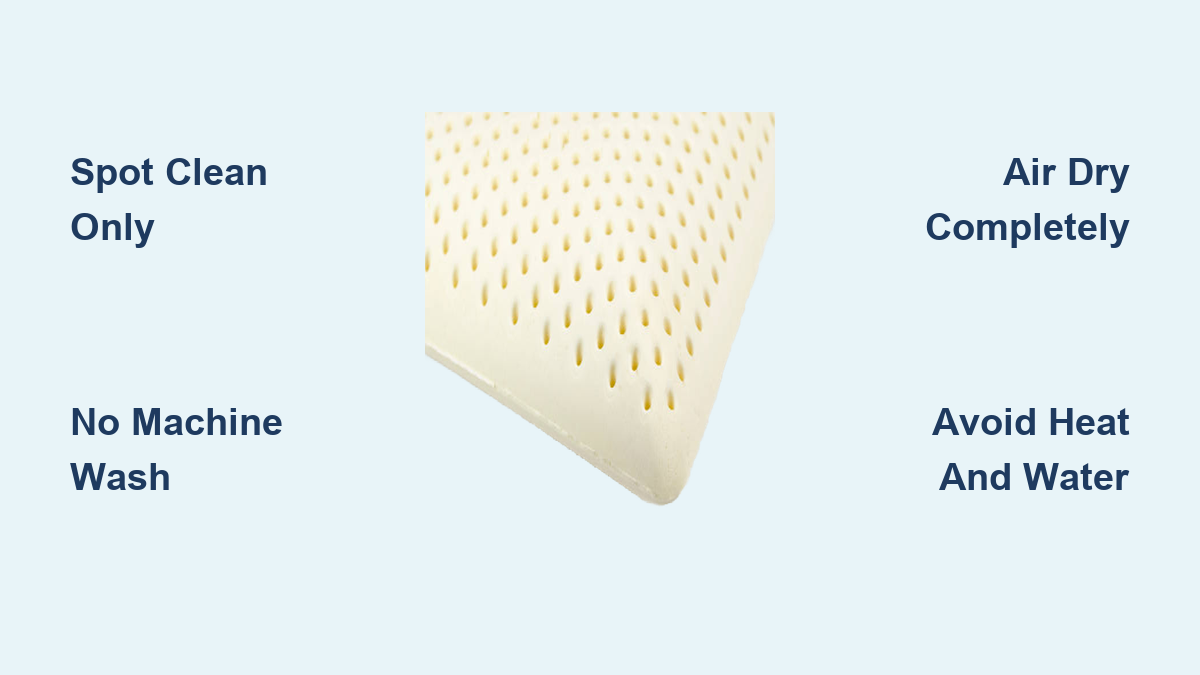
Latex pillows are beloved for their supportive feel, natural breathability, and resistance to allergens like dust mites and mold. However, latex pillows are not machine-washable, and improper cleaning can destroy the foam structure in minutes. The open-cell foam absorbs water easily, leading to trapped moisture, mold growth, and irreversible damage to the internal structure.
This guide covers safe cleaning methods that protect your pillow’s integrity. You’ll learn the correct spot cleaning technique, when light rinsing is appropriate, how to dry completely without damage, and the simple care routine that keeps your latex pillow fresh for years.
Why Latex Pillows Cannot Be Machine Washed
Machine washing destroys latex foam through agitation and excessive water exposure. The rotating drum tears delicate foam cells, while the forced water entry causes complete saturation that the pillow cannot properly dry. Multiple users report partial or complete disintegration after even a short wash cycle.
Dryers are equally dangerous. The heat triggers vulcanization, a chemical breakdown that makes natural rubber brittle and prone to cracking. Even low-heat or air-dry settings expose the foam to damaging warmth and tumbling. Never place a latex pillow in a dryer, regardless of the setting.
Hot water above 40°C (104°F) also degrades latex integrity. Heat accelerates breakdown and yellowing, compromising the pillow’s support and longevity. Always use cold or lukewarm water when any cleaning is required.
Safe Spot Cleaning Steps for Your Latex Pillow
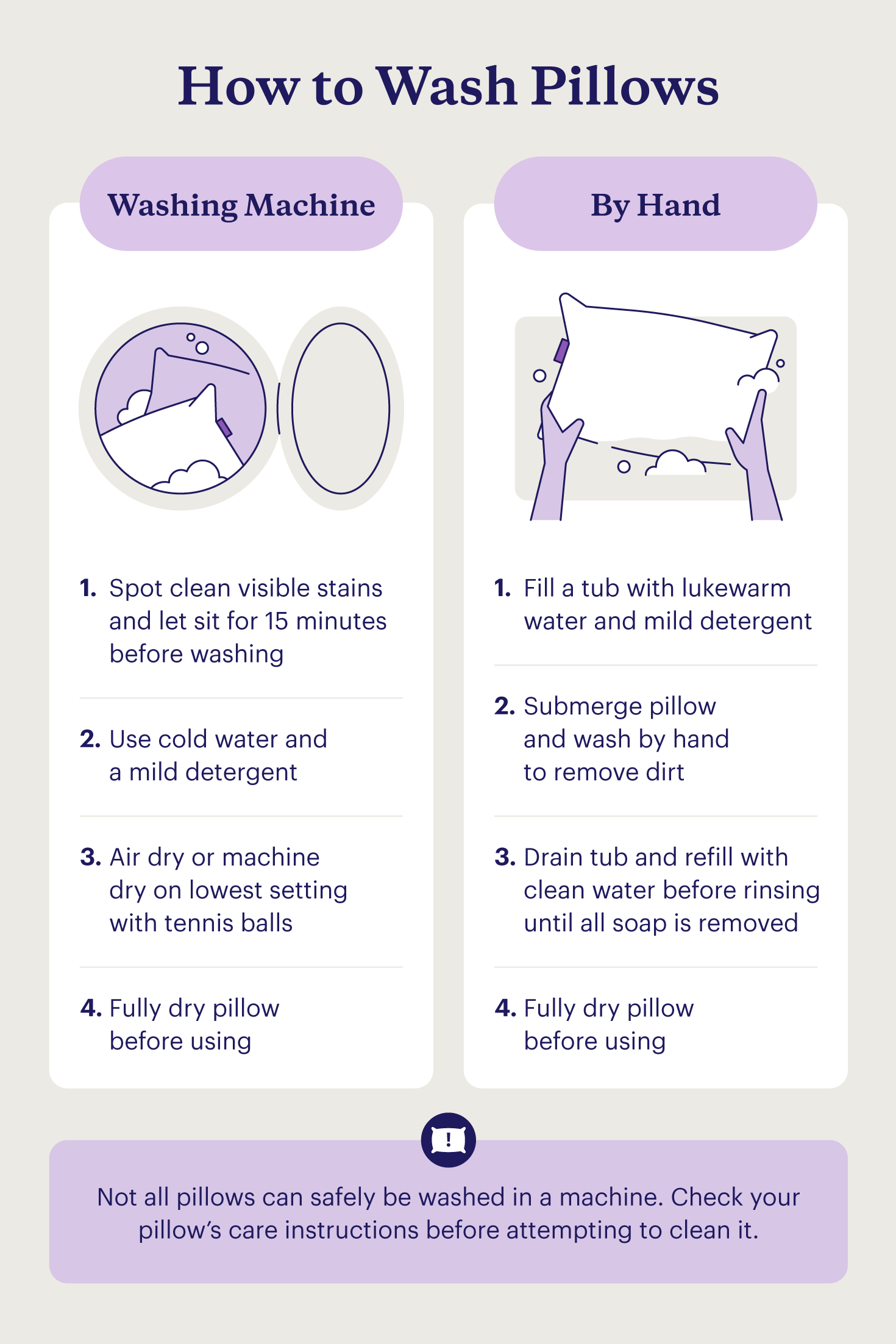
Spot cleaning removes surface stains and odors with minimal moisture, preserving the foam’s structure.
Blot spills immediately using a clean, dry, white cloth. Press gently to absorb liquids like sweat or drink spills. Never rub, as this spreads stains and can tear the foam.
Prepare a mild cleaning solution by mixing 1 cup of warm water (no hotter than 40°C) with 3 to 4 drops of mild liquid detergent. Baby shampoo or Dawn dish soap works well. Alternatively, dampen a cloth with 70% isopropyl alcohol for sanitizing.
Dampen a soft cloth with the solution and wring until barely damp. Excess water is the enemy, as latex absorbs it like a sponge.
Gently dab the stained area using outward-to-center motions to prevent spreading. Use minimal pressure. For odors or bacteria, wipe with an alcohol-dampened cloth and let air dry.
Rinse the spot by dabbing with a second cloth dampened with cold clean water to remove soap residue. Place dry towels on both sides and press gently to absorb moisture.
Wait 8 to 12 hours before using the pillow again. Always confirm it feels completely dry throughout.
Warning: Never use bleach, ammonia, or strong cleaners. These chemicals dissolve latex foam entirely.
Light Rinsing: When and How to Do It
Light rinsing becomes necessary only after years of use or when noticeable odor persists despite spot cleaning. This method should be performed no more than once every 1 to 2 years.
Rinse under cold running water by removing the cover and holding the latex core under cold water in a sink or tub. Only rinse the surface without submerging. Let water run over stained areas for 30 to 60 seconds.
Prepare a mild detergent bath by filling a basin with cold water and adding 1 teaspoon of mild detergent per gallon. Briefly dip the pillow and press gently to let water penetrate. Do not agitate or twist.
Soak for no more than 5 minutes. This is a light refresh, not a thorough wash.
Rinse until water runs clear by draining soapy water and refilling with clean cold water. Submerge and gently press to flush out detergent. Repeat until runoff is clear.
Press out water carefully by laying the pillow on a towel and pressing from the top and sides with your palms. Never wring, twist, or fold sharply, as this deforms the foam.
Proceed to drying immediately after rinsing.
Full Immersion: Only If Manufacturer Approved
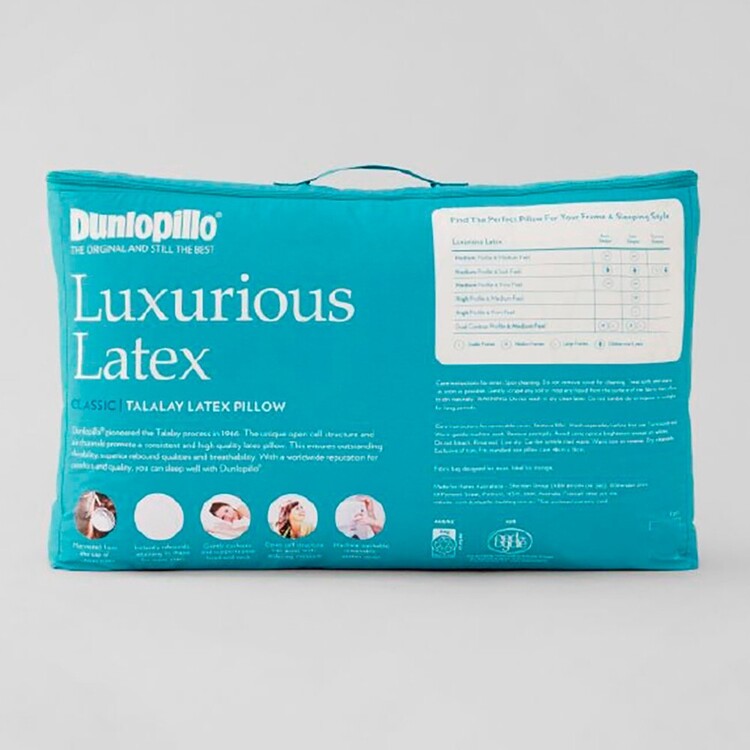
Some brands like Dunlopillo allow full immersion, but most manufacturers advise against it. Check your specific brand guidelines before proceeding.
Verify manufacturer approval by consulting the care instructions. Talalay Global and Saatva strongly discourage soaking. If your brand does not explicitly permit it, do not immerse.
Soak for no more than 15 minutes if approved. Fill a bathtub with warm water at 40°C or below and add a few drops of mild detergent. Submerge the pillow and let it sit. Gently press, but never scrub.
Rinse thoroughly by draining and refilling with clean water. Repeat rinsing and pressing until no suds remain.
Proceed directly to drying by removing the pillow and pressing gently between towels. Do not delay. Moisture left in the core leads to mold within hours.
The Critical Drying Process for Latex Pillows
Improper drying is the number one cause of latex pillow failure. Trapped moisture leads to mold, musty smells, and foam breakdown.
Air-dry in a shaded, ventilated area by laying the pillow flat on a drying rack or clean towel. Avoid leaning it against a wall, which slows airflow and creates damp spots.
Flip every few hours to expose all sides to air circulation. Use a fan to boost airflow, but keep it away from heaters, radiators, or direct sunlight.
Avoid UV exposure completely. Sunlight accelerates oxidation, causing yellowing, brittleness, and surface cracks. Even indoor UV rays degrade latex over time.
Verify full dryness before use by pressing firmly into the center. If it feels cool or damp, keep drying. Smell for mustiness. Only re-cover when completely dry, which takes 8 to 12 hours after spot cleaning or 24 to 48 hours after rinsing or immersion.
In humid climates, drying takes longer. Use a dehumidifier to speed the process.
Weekly Care for Your Removable Pillow Cover
The cover takes the brunt of sweat, oils, and allergens. Regular cleaning keeps it fresh and protects the core.
Remove and wash separately by always unzipping and removing the cover before any cleaning. Never wash it while attached to the core.
Use gentle cycle and cold water by machine washing on gentle cycle with cold or warm water at 40°C or below. Use mild detergent and avoid fabric softeners, which leave residues that trap moisture.
Dry on low heat or air dry by tumble drying on low heat or line drying. Line drying preserves fabric and prevents shrinkage. Turn the cover inside out before washing to protect zippers and outer fabric.
Re-cover only when dry by reattaching the cover only after both the core and cover are fully dry. Moisture trapping causes mold.
Insertion hack: Turn the cover inside out, then roll it over the latex core like a sock. This reduces friction and makes it easier to slide on.
What to Avoid: Chemicals and Methods That Damage Latex
Certain substances and methods cause permanent damage to latex foam.
Avoid machine washing, which tears and saturates the foam. Avoid machine drying, which causes heat breakdown and brittleness. Avoid hot water above 40°C, which degrades latex integrity.
Never soak or submerge unless specifically approved by your manufacturer. Never use bleach or ammonia, as these chemicals dissolve latex completely. One user reported total disintegration after bleach exposure.
Avoid steam cleaners, which combine heat and moisture to melt foam. Avoid petroleum-based oils, which degrade natural rubber. Avoid fabric softeners on covers, which reduce breathability.
Salt water and accumulated perspiration may contribute to long-term wear. Fruit juices and acidic substances also degrade latex over time.
How to Tell When Your Latex Pillow Needs Replacement
With proper care, latex pillows last 10 years or more. However, certain signs indicate it’s time for replacement.
Loss of support or firmness occurs when the foam no longer provides adequate neck and head alignment. Visible cracks or tears compromise structural integrity. Sagging that doesn’t rebound means the foam has lost its resilience.
Persistent musty smell despite airing and cleaning indicates mold inside the core. Neck or shoulder pain upon waking suggests the pillow no longer offers proper support.
Most manufacturers recommend replacement every 2 to 4 years. Saatva recommends replacement every 3 years. Check for manufacturer-specific guidelines.
Manufacturer Guidelines by Brand
Different brands have specific care recommendations.
Dunlopillo permits hand washing in warm water up to 40°C with mild detergent. Full immersion is allowed but not recommended frequently.
Talalay Global recommends spot cleaning only. Soaking, machine cleaning, and heat exposure are discouraged.
Saatva recommends replacement every 3 years. Only spot clean. Always use a protector.
No universal standard exists, but all brands agree: no machines, no heat, no soaking unless explicitly specified.
Frequently Asked Questions About Washing Latex Pillows
Can I machine wash a latex pillow?
No. Machine washing destroys latex foam through agitation and excessive water absorption. The foam tears, crushes, or absorbs too much water to ever dry properly. Never machine wash a latex pillow.
How do I remove stains from a latex pillow?
Blot spills immediately with a clean, dry cloth. Mix 1 cup warm water (40°C or below) with 3 to 4 drops mild detergent. Dampen a cloth, wring thoroughly, and gently dab the stain using outward-to-center motions. Rinse with cold water and air dry completely.
How long does a latex pillow take to dry?
After spot cleaning, drying takes 8 to 12 hours. After light rinsing or full immersion, drying takes 24 to 48 hours. Always verify complete dryness before use by pressing firmly into the center and checking for any dampness or musty odor.
Can I use a hairdryer to speed up drying?
No. Heat damages latex foam and accelerates breakdown. Air-dry only in a shaded, ventilated area. Use a fan to boost circulation, but avoid any direct heat sources including hairdryers, heaters, or radiators.
Why did my latex pillow turn yellow?
Yellowing is normal and results from oxidation, body oils and sweat, UV exposure, and heat. This is cosmetic and does not affect performance. Check for crumbling, odor, or loss of bounce to determine if replacement is needed.
How often should I clean my latex pillow core?
Rarely. Spot clean only when visibly soiled or odorous. Light rinsing should occur no more than once every 1 to 2 years. Over-cleaning causes more damage than under-cleaning. Focus on weekly washing of the cover and protector instead.
Key Takeaways for Washing Your Latex Pillow

Latex pillows require minimal but careful cleaning to maintain their supportive properties for years. The core should almost never be washed directly. Instead, focus on weekly cleaning of the removable cover and pillowcase, use a quality protector to block sweat and oils, and spot clean the core only when absolutely necessary.
Always use cold or lukewarm water never exceeding 40°C, mild detergents only, and avoid all harsh chemicals including bleach and ammonia. Never machine wash or dry the core, and never expose the pillow to direct sunlight during drying.
The most critical step is complete drying. Incomplete drying leads to mold and foam breakdown, which is the primary cause of premature pillow failure. When in doubt, air it out and spot clean rather than risk over-cleaning. With proper care, your latex pillow can provide 10 or more years of comfortable, allergen-resistant sleep.