
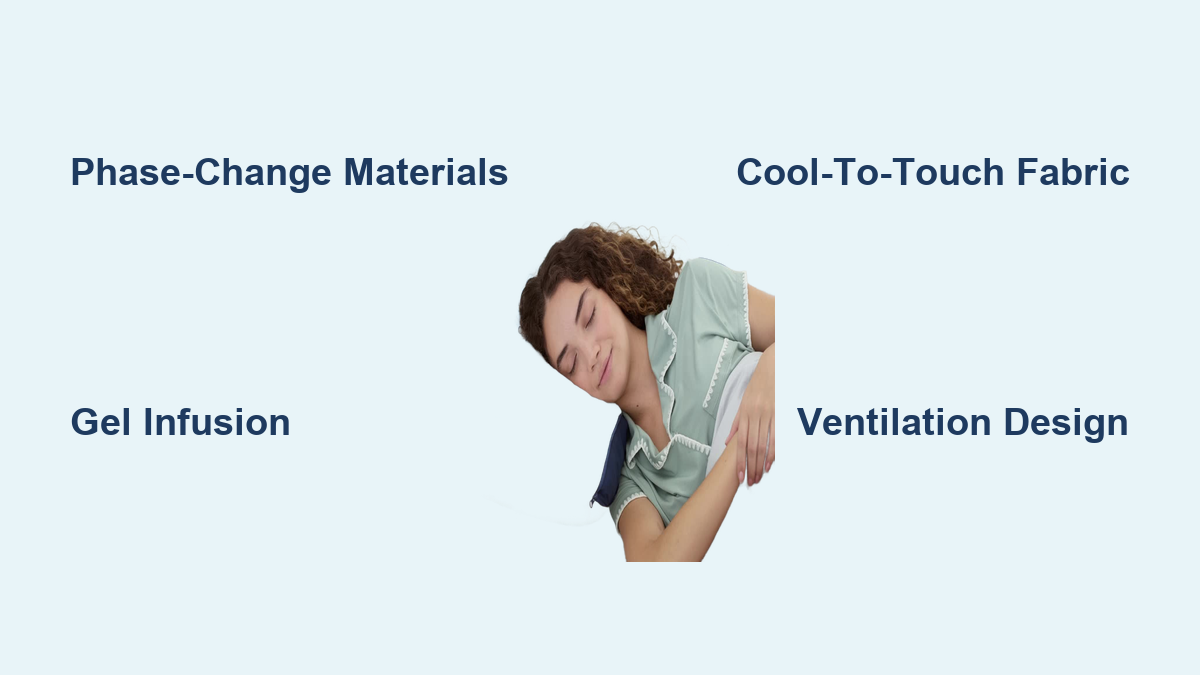
If you wake up sweating or toss and turn because your pillow feels like a heat trap, you are not alone. Overheating during sleep disrupts rest for millions of people, especially hot sleepers, menopausal individuals, and those living in warm climates. A cooling pillow offers a smart sleep solution engineered not to make your head cold, but to stop it from heating up in the first place. Unlike traditional pillows that hold onto body heat, cooling pillows actively pull warmth away from your head and neck, helping maintain the lower body temperature needed to fall and stay asleep.
But how do they actually work? Cooling pillows do not rely on refrigeration or electricity. Instead, they combine advanced materials like phase-change compounds, gel-infused foams, and breathable fabrics with smart design to create a consistently cooler sleep surface. From NASA-inspired tech to moisture-wicking covers, these pillows use multiple methods, often layered together, to absorb, transfer, and dissipate heat throughout the night.
Core Cooling Technologies in Modern Pillows

Cooling pillows use a mix of passive thermal management systems. None generate cold, but each resists heat buildup using physics and material science. The most effective models integrate several of these technologies for sustained relief throughout the night.
Phase-Change Materials Regulate Heat Dynamically
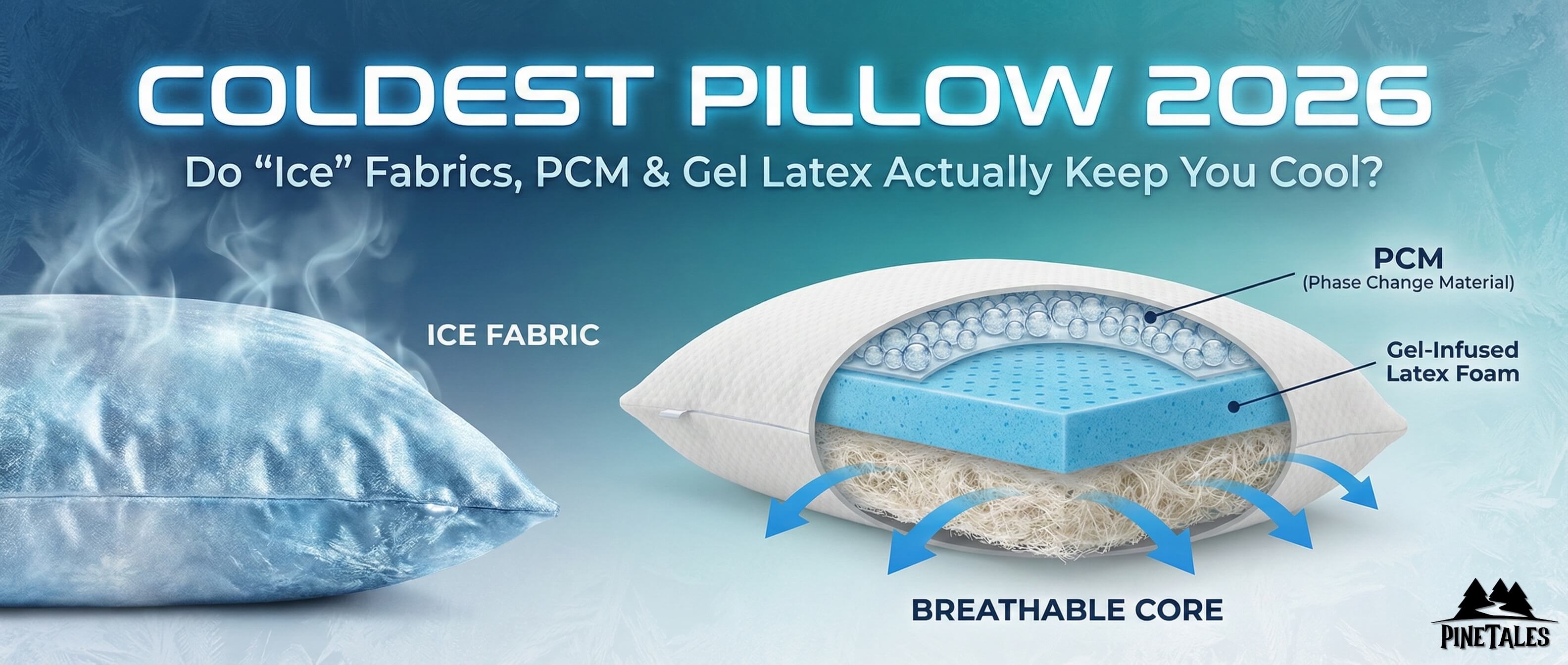
Phase-change materials represent the gold standard in responsive cooling. These specialized compounds absorb excess heat when your body warms the pillow, then release it slowly without changing temperature themselves. Originally developed by NASA to protect astronauts from extreme temperature fluctuations, PCMs stay stable during phase transitions between solid and liquid states, making them ideal for maintaining a balanced sleep surface.
When you rest your head on a PCM-enhanced pillow, the material absorbs thermal energy before it radiates back into your skin. This creates a heat sink effect, locking warmth away and preventing localized overheating. Because phase-change materials react dynamically to body temperature, they offer long-term regulation rather than just an initial cool feel that fades quickly.
The Malouf CarbonCool + Omniphase LT Pillow uses Omniphase technology to continuously capture and release heat all night long. Look for pillows where PCMs are integrated throughout the core rather than just in a thin cover layer for deeper, lasting performance.
Gel Infusion Pulls Heat from Memory Foam
Traditional memory foam is notorious for trapping heat due to its dense cell structure. Gel infusion combats this problem by embedding gel beads, swirls, or dedicated layers within the foam to improve thermal conductivity. As your body heats the foam, the gel absorbs and spreads the heat outward, reducing the formation of hot spots.
There are two main types of gel implementation in cooling pillows. Gel swirls or beads are dispersed inside the foam to create internal heat-dissipating channels. A top gel layer provides a dedicated cooling zone at the surface for instant relief upon contact. While gel-infused foam cools better than standard memory foam, it can saturate over time if not paired with airflow or PCMs, which is why high-performance models combine gel with other technologies.
The GhostPillow Gel Memory Foam uses ventilated foam with gel and PCM for multi-stage cooling. This combination works well for sleepers who want both contouring support and immediate cooling.
Cool-to-Touch Fabrics Deliver Instant Relief
The first thing you feel when lying down is the cover, and advanced textiles make a significant difference in initial cooling perception. Cool-to-touch fabrics use engineered fibers that absorb heat on contact, creating a perceptible chill the moment you lie down. These materials do not stay cold forever, but they reset quickly between uses and enhance comfort right away.
Several high-performance fabrics dominate the market. Ghost Ice Fabric from GhostBed is woven with cooling fibers that maintain lower surface temperatures. Frio Technical Textile from PureCare is part of the sub-0 degree line, delivering rapid heat absorption and sustained coolness. Tencel, used by Malouf and PureCare, is made from sustainable wood pulp, naturally breathable, and excellent at wicking moisture.
These covers work best when combined with internal cooling layers, offering both surface-level and deep thermal control. If the pillow feels noticeably cooler than room temperature upon touch, it likely has a high-performance cover.
Ventilation Design Prevents Heat Buildup
Even the best materials can overheat without airflow. That is where ventilation comes in. Cooling pillows use open structures to let air circulate, carrying heat away and allowing sweat to evaporate. This passive cooling method is especially effective for side sleepers or those who move frequently, as it prevents stagnant heat pockets from forming.
Key ventilation designs include shredded foam construction where small foam pieces create gaps between them, allowing adjustable loft and continuous airflow. Perforated or open-cell foam features larger pores in the foam matrix to promote convection and reduce insulation. Ventilated core geometry uses internal channels or honeycomb patterns to guide heat out from the center.
Avoid compressing the pillow under heavy bedding, as this blocks airflow and reduces effectiveness significantly.
Activated Carbon Draws Heat Through Micro-Pathways
Some premium cooling pillows embed activated carbon into the foam. Known primarily for its odor-neutralizing properties, carbon also has high thermal conductivity and porosity that contribute to cooling performance. In cooling pillows, activated carbon forms microscopic heat-dissipating pathways that draw warmth away from your head and neck.
The Malouf CarbonCool + Omniphase LT Pillow combines activated carbon with phase-change material for multi-modal cooling. Beyond cooling benefits, carbon helps resist bacteria and odors, improving hygiene over time.
Moisture-Wicking Fill Stays Dry and Comfortable
Sweat makes heat feel worse, which is why many cooling pillows use fill materials that pull moisture away from the skin and dry quickly. Common options include cotton for natural breathability and absorbency, bamboo and Tencel blends for softness and eco-friendly moisture management, and synthetic cooling fibers engineered to transport sweat and resist dampness.
These materials keep the sleep surface dry, reducing clamminess and enhancing the perception of coolness even in humid conditions. Pair with moisture-wicking sheets for full-system cooling.
How Long Cooling Effects Actually Last
Not all cooling is equal when it comes to duration. Some pillows offer only a brief sensation that fades within minutes, while others maintain performance all night long. Duration depends heavily on the technology used.
Cool-to-touch covers provide short-term surface-level cooling that works best during initial contact. Gel infusion offers medium-term cooling but may saturate over several hours. PCMs provide long-term adaptive cooling that responds to your body temperature throughout the night. Ventilation delivers ongoing passive dissipation as long as airflow remains unobstructed. Moisture-wicking provides ongoing humidity control to reduce the feeling of heat.
Pillows that combine multiple technologies like gel plus PCM plus ventilated foam plus Tencel cover deliver the most consistent results. These layered systems handle both immediate and sustained cooling needs. Users of the GhostPillow report falling asleep faster and waking less due to heat thanks to its triple-action design.
Safety and Material Quality Standards
Cooling pillows are safe when made by reputable brands. The gel, foams, and PCMs used in top models are non-toxic, hypoallergenic, and designed for prolonged skin contact. Look for CertiPUR-US certification, which ensures foam is free from harmful chemicals, heavy metals, and volatile organic compounds. OEKO-TEX verification confirms textiles are safe for human use.
Avoid cheap imitations that may use low-grade gels or uncertified foams, which can off-gas or degrade quickly. If a pillow smells strongly of chemicals after unboxing, it may contain volatile compounds, so air it out or return it.
Care Tips to Extend Cooling Performance
Even the best pillow loses effectiveness if not maintained properly. Follow these steps to keep your cooling pillow performing like new.
Use a breathable pillowcase to protect against oils, sweat, and dust while preserving the cover integrity. Good news: breathable cases do not block cooling. Think of it like sitting on a picnic blanket over snow, you still feel the chill beneath. Choose cotton, Tencel, or bamboo cases to maintain airflow.
Clean the pillow regularly. Most cooling pillows come with removable, washable covers. Wash every one to two weeks to prevent buildup of sweat and bacteria. For non-removable covers, spot clean with mild detergent and air dry completely. Never soak the entire pillow unless the manufacturer allows it.
Avoid damaging conditions. Direct sunlight degrades foam and breaks down PCMs. High humidity promotes mold and reduces breathability. Extreme temperatures can alter phase behavior of PCMs. Compression storage flattens foam and blocks airflow pathways. Store in a cool, dry place when rotating pillows or traveling.
Who Benefits Most From Cooling Pillows
Not everyone needs a cooling pillow, but for some it is transformative. Hot sleepers who regularly wake up sweaty or flip their pillow for a cooler side can reduce nighttime awakenings and improve sleep continuity with a cooling model. Menopausal individuals experiencing hormonal changes that cause hot flashes and excessive sweating at night find cooling pillows help manage discomfort, leading to fewer disruptions and better rest.
Athletes benefit from deep, uninterrupted sleep that supports muscle recovery. By maintaining an optimal sleep temperature, cooling pillows help active individuals get the rest they need. Couples with different sleep temperatures benefit when one partner runs hotter, as cooling pillows let each person customize their sleep zone without thermostat wars.
All sleeping positions can be accommodated. Whether you are a side, back, or stomach sleeper, there is a cooling pillow with the right loft and firmness. Look for models offering multiple heights or adjustable fills.
Real-World Performance: Top Models Reviewed
Based on verified user feedback and design specs, these pillows stand out for different needs.
The GhostPillow Gel Memory Foam combines gel infusion, PCM layer, and Ghost Ice cover for multi-stage cooling. Users report falling asleep fifteen minutes faster and no longer waking up soaked. Best for those wanting balanced support and long-lasting coolness.
The Malouf CarbonCool + Omniphase LT Pillow integrates activated carbon, PCM, and Tencel cover for advanced heat management. Users say it feels cool all night and works great for hot flashes. Best for premium performance and durability.
The PureCare sub-0 Cooling Fiber Pillow uses Frio fabric for instant chill and hypoallergenic fibers. Users describe it like lying on a cool towel, perfect for allergies. Best for immediate cooling and sensitive skin.
The Tempur-Pedic Adapt Pro Cooling Pillow offers precision conforming with efficient heat dissipation. Users report supportive and cool sleep with no more neck pain or overheating. Best for back and side sleepers needing alignment.
Maximize Results With a Complete Cool Sleep System
A cooling pillow works best as part of a full thermal management strategy. Pair it with breathable sheets using cotton, Tencel, or bamboo blends. Use a cooling mattress with gel-infused, latex, or hybrid designs. Keep bedroom climate control between sixty and sixty-seven degrees Fahrenheit. Avoid heavyweight bedding that traps heat.
This ecosystem approach ensures your whole sleep environment supports thermoregulation effectively.
Frequently Asked Questions About Cooling Pillows
Do cooling pillows really work?
Yes, but not by making your head cold. They prevent heat buildup by absorbing, transferring, and dissipating thermal energy. For hot sleepers, this means fewer awakenings and deeper sleep throughout the night.
Are gel pillows safe?
Yes. High-quality gel is non-toxic and safe for long-term use. Choose certified brands with CertiPUR-US or OEKO-TEX certification to avoid harmful additives.
How long do cooling pillows last?
With proper care, up to five years. Performance declines faster if exposed to sunlight, moisture, or improper cleaning methods.
Should I use a pillowcase on a cooling pillow?
Absolutely. It protects the pillow and extends its life. Breathable cases do not block cooling, just like snow still feels cold under a blanket.
Do cooling pillows help you sleep better?
Yes. By preventing overheating, one of the top causes of sleep disruption, cooling pillows support faster sleep onset, fewer awakenings, and more time in restorative REM and deep sleep stages.
Key Takeaways for Understanding Cooling Pillow Technology

Cooling pillows work through multiple integrated technologies rather than relying on a single cooling mechanism. Phase-change materials absorb and release heat dynamically, gel improves thermal conductivity in memory foam, cool-to-touch fabrics provide immediate relief, ventilation promotes airflow, and moisture-wicking materials keep the surface dry. The most effective pillows combine several of these technologies for all-night performance.
When shopping for a cooling pillow, look for CertiPUR-US and OEKO-TEX certifications to ensure safety and quality. Consider your primary sleep concern, whether it is night sweats, general overheating, or seasonal discomfort. Pair your cooling pillow with breathable sheets and appropriate bedroom temperatures for maximum benefit.
With proper care and integration into a cool sleep environment, a high-quality cooling pillow can deliver years of refreshing, uninterrupted rest.