
If you’re wondering how to choose a pregnancy pillow, you’re not alone. As your body changes during pregnancy, finding a comfortable sleeping position becomes harder, especially in the second and third trimesters. A well-chosen pregnancy pillow can make the difference between restless nights and deep, restorative sleep. These specialized pillows support your growing belly, align your spine, and relieve pressure on hips and back, making them essential tools for healthy, safe sleep during pregnancy.
With so many shapes, sizes, and features available, the decision can feel overwhelming. Should you go for a full-body U-shaped pillow or a compact wedge? Is memory foam better than microbeads? And will it still be useful after your baby arrives? This guide gives you a clear, step-by-step approach to choosing the right pregnancy pillow based on your sleep style, body needs, and lifestyle.
Match Your Pillow to Your Sleep Position
Your sleeping position is the most important factor in how to choose a pregnancy pillow. As your bump grows, side sleeping, especially on your left side, becomes the safest and most comfortable option. The right pillow helps you stay in that position without strain.
Side Sleepers: Optimize Alignment
Over 80% of pregnant women sleep on their side by the third trimester. A supportive pillow keeps your spine straight, prevents hip drop, and reduces pressure on your lower back.
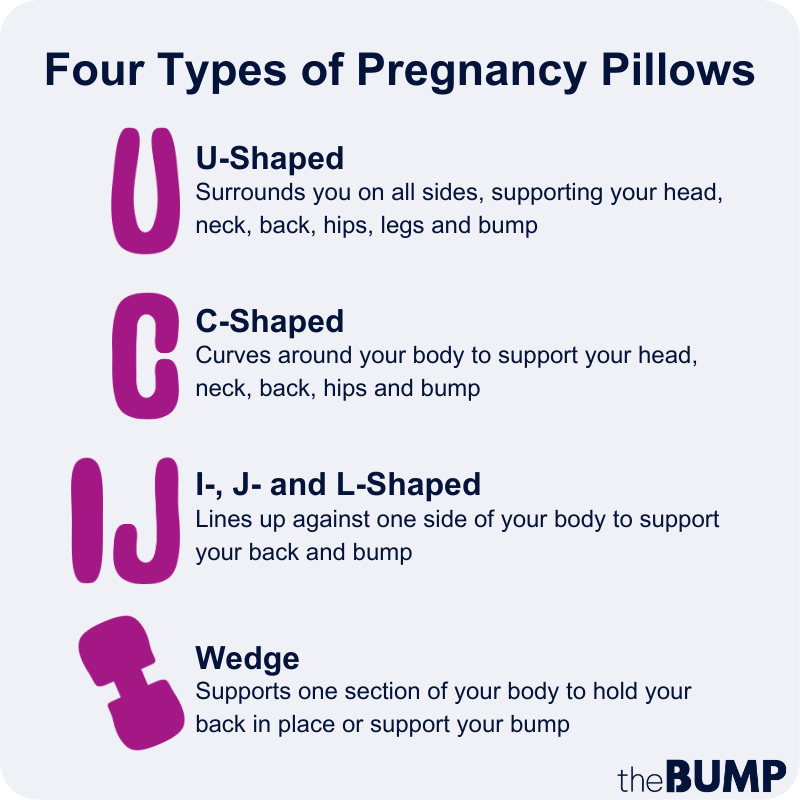
- Best pillow types: U-shaped, C-shaped, J-shaped, or I-shaped
- Key features: Long leg support, belly cradle, and back cushioning
- Pro tip: Place the pillow between your knees and hug the front section to keep shoulders aligned
Top pick: Boppy Full Body Side Sleeper Pillow—designed specifically to keep side sleepers supported and stable
Back Sleepers: Transition Early
Back sleeping is safe only in early pregnancy. After week 20, the growing uterus can compress the inferior vena cava, reducing blood flow and causing dizziness.
- Use a small wedge under your knees to relieve lower back strain
- Gradually shift to side sleeping using a C or J-shaped pillow to ease the transition
- Avoid full U-shaped pillows if still back sleeping, as they can encourage unsafe positions
Stomach Sleepers: Switch by Trimester Two
Sleeping on your stomach becomes impossible and unsafe as your belly grows. By 16 to 20 weeks, most women naturally stop.
- Use a firm wedge under your chest and hips to ease the shift
- Try a C-shaped pillow hugging the side of your body to train new sleeping habits
- Never force stomach sleeping after the first trimester
Compare Pregnancy Pillow Shapes

Each pillow shape offers different levels of support, space use, and versatility. Knowing the pros and cons helps you make a smarter choice.
U-Shaped: Full-Body Support
Wraps around you like a hug, supporting head, back, belly, hips, and legs all at once.
- Best for: Women who want maximum stability and do not share a small bed
- Pros: 360-degree support, keeps you centered, reduces tossing
- Cons: Bulky, hard to store, takes up partner’s space
- Ideal for: Side sleepers with chronic back or hip pain
Top model: Momcozy Huggable Maternity Pillow—memory foam, cooling cover, $44.99
C-Shaped: Balanced Comfort
Curved like a “C,” open on one side, offers nearly full support without enclosing you.
- Best for: Side sleepers who want flexibility and partner space
- Pros: Compact, can be used sitting up, easy to reposition
- Cons: Must flip when switching sides, slight gap in support
- Unique perk: Open side lets you access your partner or personal pillow
Top pick: Boppy Total Body Pillow—soft, organic cotton cover options, versatile
J/L-Shaped: Targeted and Portable
Long on one end, curved on the other, like a candy cane.
- Best for: Women who need adaptable support and want to save space
- Pros: Fits smaller beds, supports back or belly, lightweight
- Cons: Requires adjustment, no full wraparound support
- Usage hack: Place long arm behind your back, curve between knees
I-Shaped: Simple and Affordable
A long straight body pillow, classic and widely available.
- Best for: Side sleepers who already know their preferred position
- Pros: Cheap, easy to clean, doubles as a regular body pillow
- Cons: No back support unless combined with another pillow, slips easily
- Tip: Hug it to support your upper body and place between knees
Wedge Pillows: Minimalist Relief
Small, triangular shape, ideal for spot support.
- Best for: Women with limited bed space or specific pain points
- Pros: Portable, travel-friendly, inexpensive, great for couch naps
- Cons: Limited overall support, may need multiple wedges
- Types:
- Single wedge: Under belly or behind back
- Double wedge: One under belly, one behind back
- Adjustable: Change height or firmness with inserts
Top wedge: Belly Bandit S.O.S. Side Sleeper—firm, OB-GYN designed, includes travel case ($79.95)
Convertible Pillows: Long-Term Value
Flexible design that bends into U, C, J, or I shapes.
- Best for: Women who want one pillow for all trimesters and postpartum
- Pros: Adaptable, space-efficient, lasts beyond pregnancy
- Cons: Higher price, may feel less structured
Top model: bbhugme Pregnancy Pillow ($219)
– 57 inches by 7.5 inches, microbead fill with silicone fasteners
– Adjustable firmness, five-point support
– Machine-washable cotton-spandex cover
– Doubles as nursing, tummy time, and toddler pillow
Prioritize Support by Pain Type
Different body areas need different support. Match your pillow to your most pressing discomfort.
Back Pain: Firm Support Needed
Lower back strain is common due to weight gain and posture changes.
- Best pillows: Firm wedge, C-shaped, or U-shaped with lumbar support
- Key feature: High-density foam that does not collapse
- Top pick: Belly Bandit S.O.S. Wedge—medical-grade firmness, stays in place
Hip Pain: Prevent Leg Drop
Hip and sciatic pain often stem from misaligned pelvis and knee pressure.
- Best pillows: Full-body U or C-shaped, or leg-gap pillows
- Key feature: Long leg support that separates knees and aligns hips
- Top pick: bbhugme—microbeads mold perfectly to hips and ankles
Belly Support: Cradle the Bump
As your uterus grows, unsupported weight pulls on abdominal muscles.
- Best pillows: U, C, or J-shaped with contoured belly lift
- Alternative: Wedge placed under the lower abdomen
- Pro tip: The pillow should support from pelvis to ribcage
General Discomfort: Multi-Point Relief
If you feel pain in multiple areas, go for comprehensive support.
- Best option: U or C-shaped pillow with head, back, belly, hip, and knee zones
- Bonus: Look for breathable fabric to avoid overheating
Consider Fill Material and Firmness
The inside of the pillow determines how it feels and lasts.
Memory Foam: Strong, Lasting Support
- Pros: Holds shape, supports spine alignment, durable
- Cons: Can retain heat, look for cooling covers
- Best for: Women with back pain or heavy bump support needs
Polyester Fiberfill: Soft and Affordable
- Pros: Fluffy, lightweight, budget-friendly
- Cons: Flattens over time, less supportive
- Best for: Short-term use or mild discomfort
Microbeads: Customizable and Moldable
- Pros: Conforms closely to body, adjustable firmness
- Cons: Can make crinkling noise, may shift over time
- Best for: Women who want personalized support
Natural Fills: Eco-Friendly and Breathable
- Options: Buckwheat, kapok, organic cotton
- Pros: Cool, sustainable, hypoallergenic
- Cons: Heavier, less common in full-body pillows
- Best for: Hot sleepers or eco-conscious buyers
Choose Breathable, Safe Fabrics
Your skin is more sensitive during pregnancy. Choose materials that will not irritate or overheat.
Cooling Fabrics for Hot Sleepers
- Best options: Bamboo, Tencel, organic cotton, rayon from bamboo
- Gel-infused covers: Help regulate temperature
Hypoallergenic and Non-Toxic Materials
- Look for certifications:
- GOTS (Global Organic Textile Standard): Ensures organic fibers and ethical production
- GREENGUARD Gold Certified: Guarantees low chemical emissions, safe for pregnancy and babies
- Avoid: Fragranced fabrics or synthetic dyes if sensitive
Top eco-pick: Boppy with GOTS-certified organic cotton cover
Check Noise and Movement Stability
A pillow that makes noise or slips when you move can disrupt sleep.
- Noisy fills: Microbeads and seed-based fills may crinkle
- Quiet alternatives: Memory foam with soft knit or cotton covers
- Slippery fabrics: Nylon or polyester may slide, look for non-slip bottoms
- Pro tip: Read reviews mentioning noise or slipping before buying
Ensure Easy Cleaning and Care
Pregnancy brings spills, sweat, and postpartum messes. Cleanability is key.
Machine-Washable Covers: Essential
- Look for: Removable, zip-off covers
- Wash frequency: Every 1 to 2 months, or as needed
- Drying: Air dry to preserve fabric and shape
Top for care: Momcozy, Queen Rose, and Boppy all have machine-washable covers
Inner Core Maintenance
- Never machine-wash the core unless specified
- Spot clean with mild soap and air dry
- Store in a cool, dry place to prevent mildew
Evaluate Size, Space, and Portability
Your bed size and lifestyle affect which pillow fits best.
Small Beds or Shared Space
- Twin and Full beds: Avoid U-shaped pillows that dominate the mattress
- Queen and King beds: Can accommodate larger C or U shapes
- Sleeping with partner: Choose C, J, or double wedge to save space
Space-saving pick: babybub Bub’s Double Wedge (15.7 by 13.2 inches), tiny but effective
Travel and Portability Needs
- Best travel options:
- Boppy Side Sleeper Pillow ($27.99): 24 inches, under 2 pounds, fits in carry-on
- Belly Bandit S.O.S.: Includes travel case
- babybub: Ultra-compact double wedge
- Storage tip: Use vacuum bags for large U or C pillows when not in use
Set a Realistic Budget
Pregnancy pillows range from $25 to $220. Know what you are paying for.
Budget Under $50
- Examples: Queen Rose ($49.99), Momcozy ($44.99)
- Features: Full U-shape, polyester or memory foam, machine-washable cover
- Best for: Short-term use or first-time moms
Mid-Range $50 to $100
- Examples: Boppy ($28 to $48), Belly Bandit ($79.95)
- Features: Targeted support, better materials, cooling fabrics
- Best for: Women with specific pain or hot sleep concerns
Premium $100 Plus
- Example: bbhugme ($219)
- Features: Adjustable firmness, multi-shape, postpartum use, luxury fabric
- Best for: Long-term investment, multiple pregnancies, nursing support
Value tip: A pricier pillow like bbhugme pays off if used for years
Plan for Postpartum Use
The best pregnancy pillows do not retire after birth.
Nursing and Feeding Support
- Use as a lap pillow to elevate baby during breastfeeding or bottle feeding
- C or U-shaped pillows provide arm and back support
Recovery and Comfort
- Prop behind your back while sitting in bed
- Support sore perineal area when lying down
- Use as a floor cushion for feeding or diaper changes
Baby Development
- Tummy time prop: Place baby on the curved part of a C or U pillow
- Toddler support: Helps little ones sit safely during play or feeding
Pro tip: bbhugme and Boppy are top-rated for postpartum versatility
Use Your Pillow Effectively
Even the best pillow will not help if used wrong.
For Side Sleeping (Left Side Preferred)
- Lie on your left side
- Place pillow between knees and under belly
- Hug the front section for chest and arm support
- Position back section to support lower spine
For Sitting or Reclining
- Use C-shaped or bbhugme behind your back and under arms
- Great for reading, nursing, or watching TV
For Travel or Couch Naps
- Use wedge under belly or behind back
- Compact options like Boppy travel pillow fit in carry-ons
No perfect way: Experiment nightly, comfort is personal
Make Your Final Decision
Use this quick checklist to confirm your choice:
- Matches your sleep position (side sleeper or back pain sufferer)
- Fits your bed size and sharing situation
- Supports your key pain areas (back, hips, belly)
- Made with breathable, non-toxic fabric (GOTS or GREENGUARD Gold)
- Filling provides right firmness (foam for support, microbeads for molding)
- Machine-washable cover
- Quiet during movement
- Portable or storable if space is tight
- Useful postpartum (nursing, recovery, baby support)
- Within your budget
- Positive real-user reviews
Frequently Asked Questions About Choosing a Pregnancy Pillow
When should I start using a pregnancy pillow?
Most women begin using a pregnancy pillow in the second trimester, typically around 20 to 28 weeks. It becomes particularly beneficial after week 28 when the growing uterus can compress the inferior vena cava if lying flat on the back. Some women start earlier due to individual discomfort, prior back issues, or multiple pregnancies.
Can I use regular pillows instead of a pregnancy pillow?
Yes, temporarily. You can stack pillows or roll blankets for makeshift support. However, dedicated pregnancy pillows offer integrated, ergonomically designed support that stays in place and provides consistent relief. If you consistently find relief using multiple pillows at night, it is time to invest in a dedicated pregnancy pillow.
What is the best pregnancy pillow for back pain?
For back pain, look for firm support with high-density foam that does not collapse. The Belly Bandit S.O.S. Wedge offers medical-grade firmness and stays in place. C-shaped or U-shaped pillows with lumbar support also work well for lower back strain.
Are expensive pregnancy pillows worth it?
It depends on your needs. If you value adjustability, longevity, and multi-use functionality, higher-cost pillows like the bbhugme ($219) offer long-term value beyond pregnancy. For short-term use or first-time moms, budget options around $40 to $50 work well.
How long can I use a pregnancy pillow after giving birth?
There is no set timeline. Many women continue using pregnancy pillows for 6 to 12 months postpartum for nursing, recovery, and comfort. Some keep them indefinitely as body pillows. Pillows like bbhugme and Boppy are specifically designed for postpartum versatility.
Key Takeaways for Choosing Your Pregnancy Pillow
The right pregnancy pillow is not about the most expensive or popular model. It is about what works for your body, your bed, and your life. Whether you choose a $28 wedge or a $219 convertible, the goal is the same: better sleep, less pain, and more energy for the journey ahead.
Start by matching your pillow to your sleep position. Side sleepers benefit most from U, C, J, or I-shaped pillows, while back sleepers should transition early using wedges. Consider your primary pain areas. Back pain calls for firm support, hip pain needs leg-gap design, and belly discomfort requires contoured lift.
Think beyond pregnancy. Choose a pillow with postpartum utility for nursing, recovery, and baby play. Look for breathable, non-toxic fabrics if you run hot or have sensitive skin. Check that the cover is machine-washable, and read reviews about noise and stability before buying.
With the right fit, your pregnancy pillow can become your most trusted companion, from bump to baby and beyond.