
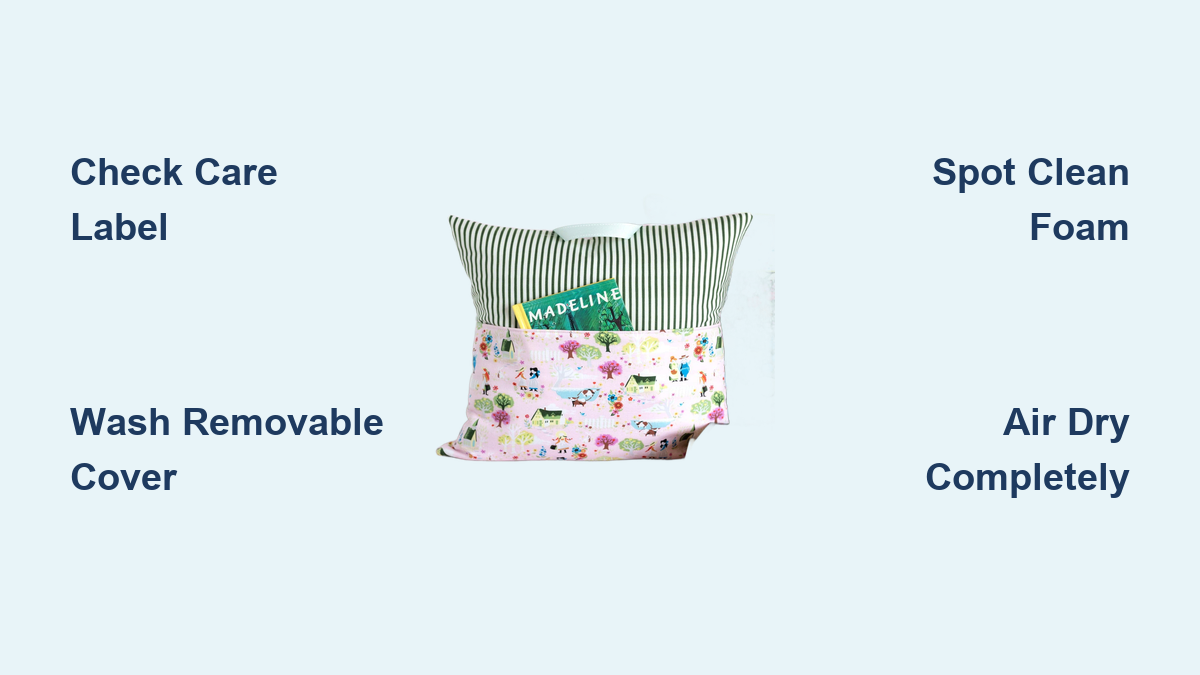
You sink into your favorite chair with a good book, only to notice a faint odor or spot on your reading pillow. Suddenly, comfort turns to concern. When was the last time you cleaned it?
Reading pillows collect dust, oils, sweat, and allergens over time, just like any frequently used home item. Knowing how to clean a reading pillow properly is essential for hygiene, freshness, and longevity. This guide covers step-by-step cleaning methods based on material type, so you can restore comfort without damaging your pillow.
Check the Care Label Before Cleaning
Always start by inspecting the care label attached to your reading pillow. This small tag contains the manufacturer’s specific cleaning instructions and prevents accidental damage.
Manufacturers design pillows with different materials and construction methods, and improper washing can lead to shrinking, fabric damage, or foam breakdown. Look for these common instructions:
- Machine washable: Usually applies to pillow covers or fiber-filled inserts
- Hand wash only: Common in silk, velvet, or other delicate fabrics
- Spot clean only: Standard for memory foam or non-removable covers
If there is no label visible, assume the safest route: spot clean and air dry only.
Machine Wash Removable Covers
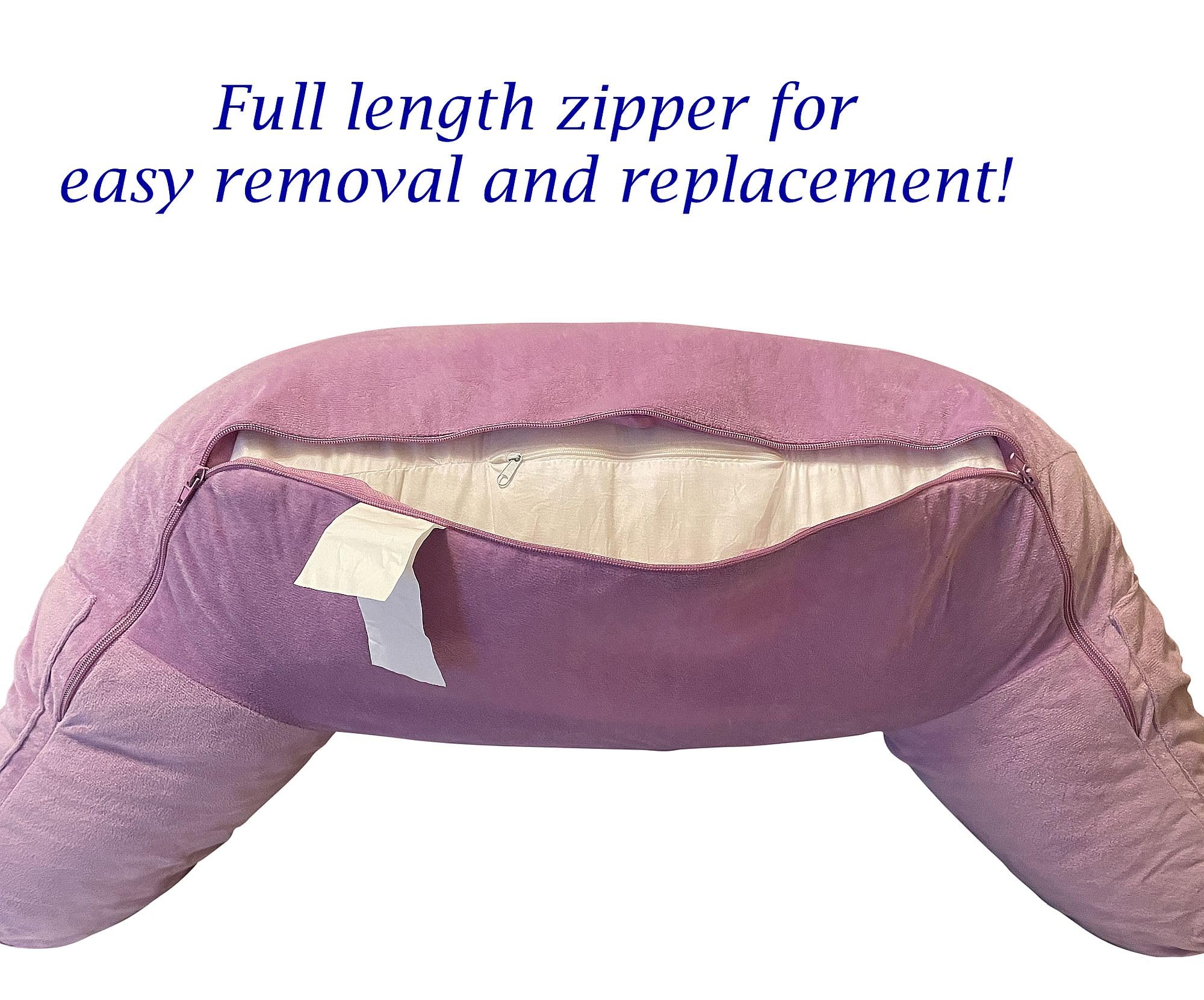
Most reading pillows come with removable, zippered covers, making cleaning straightforward.
Remove the Cover Carefully
Unzip the cover fully and gently pull it off the insert. Shake it outdoors or over a trash can to remove loose debris like hair, crumbs, or dust. Inspect for stains, especially around the headrest and arm areas, before washing.
Pre-Treat Stains
For visible marks, apply a mild stain remover or a paste of baking soda and water directly to the area. Let it sit for 5 to 10 minutes to break down oils and dirt. Avoid harsh chemicals like bleach, which can weaken fibers and fade colors.
Wash on Gentle Cycle
Wash the cover in cold water using a gentle cycle and mild detergent. Hot water and strong detergents can cause shrinking or fabric degradation, especially in blended or natural fibers. Never use fabric softener, as it coats fibers and reduces breathability over time.
Dry Properly
Choose one of two drying methods:
- Air dry: Lay flat on a clean towel or hang in a well-ventilated space, away from direct sunlight
- Tumble dry on low: Use only if the label allows, and add dryer balls to reduce wrinkles
Ensure the cover is completely dry before reattaching it to the insert to prevent mildew.
Hand Wash Non-Removable Covers
If your reading pillow has a non-removable cover, avoid submerging it entirely.
Prepare a Gentle Cleaning Solution
Fill a basin with lukewarm water and add mild detergent, like Woolite or dish soap. Mix until suds form, then dip a soft cloth or sponge into the solution.
Spot Clean First
Start by dabbing stained areas. Do not rub, as this spreads the stain or damages fabric texture. Use light pressure and circular motions to lift dirt. For oily spots, add a drop of dish soap directly to the cloth.
Wipe the Entire Surface
Once stains are treated, gently wipe down the entire pillow surface in sections. Do not oversaturate, as excess moisture can seep into the filling and cause mold or lumps. Focus on high-contact zones: headrest, arms, and backrest.
Rinse and Air Dry
Dampen a second cloth with clean water and wipe away soap residue. Repeat until no suds remain, as leftover detergent attracts dirt and causes discoloration. Place the pillow in a dry, ventilated area and flip it every few hours. Drying takes 12 to 24 hours depending on thickness and humidity.
Clean Memory Foam Reading Pillows
Memory foam requires special handling since it absorbs water like a sponge and dries slowly, creating mold risks.
Vacuum Both Sides
Use a handheld vacuum with a brush attachment to remove dust, pet hair, and debris. Vacuum the top and bottom surfaces, paying extra attention to seams and crevices where dirt accumulates.
Spot Clean Gently
Mix one part mild detergent with two parts water. Dip a clean cloth into the mix, wring it out thoroughly, and dab the stained area. For tougher stains, use a 50/50 vinegar and water solution. Avoid scrubbing, as foam is fragile when wet and tears easily.
Deodorize With Baking Soda
To eliminate odors without washing, sprinkle baking soda over the entire surface. Let it sit for 2 to 4 hours, or overnight for stronger smells. Add 2 to 3 drops of essential oil, like lavender or tea tree, to the baking soda for a fresh scent. Then vacuum thoroughly to remove all powder residue.
Dry Completely Before Use
Never place a damp memory foam pillow back into use. Set it upright or on its side in a well-ventilated room or near a fan. Avoid direct sunlight, which degrades foam over time. Flip every few hours to promote even drying, and wait at least 8 to 12 hours before covering or using.
Prevent Future Stains and Odors
Use a Pillow Protector
A removable protector blocks sweat, spills, and allergens, extending time between deep cleans. Choose a breathable, washable cover that fits snugly over the pillow. Wash the protector every 2 to 4 weeks along with your pillow cover.
Fluff and Rotate Regularly
Fiber-filled or shredded foam pillows flatten or clump over time. Fluff them daily by hand and rotate weekly to distribute wear evenly. This maintains shape and support, especially if you lean heavily on one side.
Store in a Dry, Clean Space
When not in use, store your reading pillow in a cool, dry place. Avoid damp basements or humid attics, which encourage mildew. Use a breathable cotton storage bag instead of plastic, which traps moisture.
Wash Covers Monthly
Even with a protector, wash removable covers once a month to remove accumulated skin cells, oils, and dust mites. If you eat or drink while reading or have pets that use the pillow, consider bi-weekly washing.
Air Out in Sunlight Occasionally
Every few months, place your dry pillow (not memory foam) in indirect sunlight for 2 to 3 hours. UV rays naturally kill bacteria and neutralize odors. Avoid prolonged exposure, as sunlight can fade colors and weaken fibers.
Troubleshoot Common Cleaning Issues

Pillow Still Smells After Cleaning
If your reading pillow still has an odor, try these fixes:
- Sprinkle baking soda, let sit overnight, then vacuum
- Place in a sealed bag with activated charcoal for 24 hours
- Set outside in fresh air for a few hours, avoiding rain or moisture
- For persistent smells, use an enzyme-based cleaner designed for organic odors
Never mask odors with perfumes or sprays, as they irritate allergies and embed deeper into fabric.
Cover Shrank After Washing
Shrinkage usually happens from using hot water or high heat drying. To prevent this, always use cold water and low or no heat. Check fabric content, as cotton blends are more prone to shrinking. If the cover no longer fits, replace it with a custom-fit or stretchable alternative.
Foam Feels Lumpy After Drying
Wet memory foam can lose its structure if not dried properly. To restore it, fluff gently by hand and let it sit in a dry, warm room for an additional 12 hours. Avoid compressing it while wet. If lumps remain, the foam may be damaged and require replacement.
Frequently Asked Questions About Cleaning Reading Pillows
Can I put a reading pillow in the dryer?
Only if the care label says yes. For most reading pillows, air drying is safest. If tumble drying is allowed, use the lowest heat setting and remove while slightly damp to finish air drying.
How often should I clean my reading pillow?
Clean pillow covers every 1 to 4 weeks, depending on use. Clean pillow inserts every 3 to 6 months. Spot clean memory foam monthly and deep clean every 6 months. Increase frequency if you have allergies, pets, or eat while reading.
What if my reading pillow has no removable cover?
Use hand-washing techniques instead. Dab stains with mild detergent, wipe the surface with a damp soapy cloth, rinse with a clean damp cloth, and air dry completely. Avoid soaking, as water damages fillings and causes mold.
Can I use vinegar to clean my reading pillow?
Yes, white vinegar is excellent for stain and odor removal. Mix with equal parts water for a safe cleaning spray. Test on a hidden area first to ensure no discoloration. Avoid using vinegar on silk or leather-like materials.
Is baking soda safe for all reading pillows?
Yes, baking soda is safe for all types, including memory foam. It is non-toxic, naturally deodorizing, and does not damage fabric when vacuumed properly. Use it monthly for freshness, especially in high-use environments.
Key Takeaways for Keeping Your Reading Pillow Fresh

Keeping your reading pillow clean does not have to be complicated. With the right method based on your pillow’s material, you can maintain a fresh, supportive, and hygienic reading experience. From removable covers you can toss in the wash to memory foam models that need gentle spot cleaning, each type has a simple, effective cleaning path.
Combine regular washing, protective covers, and natural deodorizers like baking soda to extend your pillow’s life and comfort. Now that you know how to clean a reading pillow the right way, make it part of your home care routine. A little effort goes a long way in turning your favorite reading spot into a consistently clean and cozy retreat.