
Sliding into bed with crisp, fresh linens feels amazing, but dirty sheets harbor dust mites, sweat, and bacteria that ruin your rest. Knowing how to clean bed sheets properly removes these hidden allergens and ensures you wake up feeling refreshed.
This guide reveals the exact temperatures, detergents, and drying methods experts recommend for deep cleaning your bedding. You will learn how to sanitize fabrics safely, remove stubborn stains, and maintain your linens for long-lasting comfort.
Wash Sheets Weekly at High Temperatures
:max_bytes(150000):strip_icc()/wash-sheets-hot-water-GettyImages-1137137437-c55fbd8514b2480487675d8a61b311a8.jpg)
Cleaning your bedding once a week is the gold standard for maintaining a healthy sleep environment. If you sweat heavily at night or sleep with pets, you may need to wash them every three to four days.
Set the Correct Water Temperature
Use the hottest water setting safe for your specific fabric type to kill germs effectively. Ideally, your water should reach between 140°F and 150°F to eliminate dust mites and bacteria.
- Cotton: Usually safe for hot water cycles.
- Linen: Requires warm water to prevent excessive shrinking.
- Silk or Satin: Needs cold water on a gentle cycle.
- Microfiber: Use warm water only to avoid damaging fibers.
Choose Liquid Detergent Over Powder
Select a liquid detergent because it dissolves completely in both hot and cold water. Powder detergents often leave residue that traps dirt and irritates sensitive skin over time.
Sanitize with White Vinegar Naturally
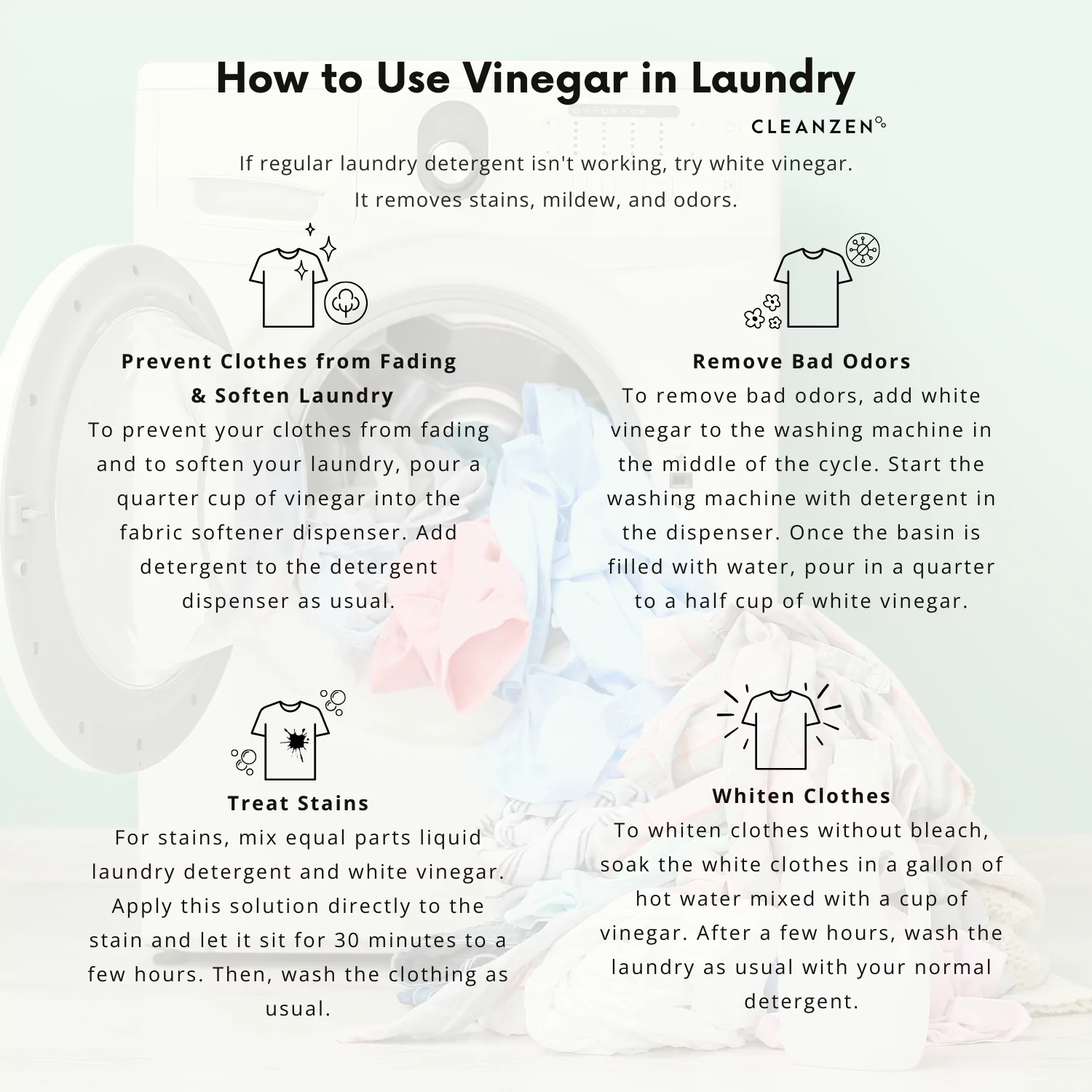
Boost your cleaning routine by adding half a cup of white vinegar during the rinse cycle. This natural ingredient disinfects fabrics without harsh chemicals while keeping them soft.
Benefits of Using Vinegar
White vinegar performs three critical functions during the wash cycle. It kills bacteria and mildew, removes old detergent buildup, and softens fibers naturally.
The sour smell disappears completely once the sheets dry, leaving no odor behind. Never mix vinegar with bleach, as this combination creates dangerous fumes.
Skip Chemical Fabric Softeners
Avoid using commercial fabric softeners or dryer sheets on your bedding. These products coat fibers with chemicals that reduce breathability and can trigger skin allergies.
Dry Sheets Completely to Prevent Mildew
Proper drying is just as important as washing to ensure your sheets are truly clean. Incomplete drying leads to musty odors and encourages bacterial growth within the fibers.
Use High Heat When Safe
Set your dryer to the highest heat setting allowed by the care label. High heat helps kill any remaining dust mites and ensures moisture does not remain trapped in the fabric.
Remove your sheets immediately after the cycle ends to prevent deep wrinkles from setting in. This step keeps your linens smooth and ready for use.
Add Dryer Balls for Fluffiness
Toss two or three wool dryer balls into the drum to improve airflow and reduce drying time. These balls help fluff the fibers and minimize static electricity without chemicals.
- Use wool balls for natural softening.
- Try tennis balls in clean socks as a budget alternative.
- Avoid overloading the dryer to ensure even drying.
Air-Dry Delicate Fabrics
Silk, satin, and lace sheets require air drying to prevent damage. Hang these items in the shade rather than direct sunlight to avoid fading colors or weakening fibers.
Handle Stains Immediately Before Washing

Addressing spills and marks right away prevents them from becoming permanent fixtures on your linens. Quick action saves your sheets from lasting damage.
Spot-Clean with Baking Soda or Salt
Create a paste using baking soda and water to lift general stains before washing. For blood stains, use cold water and salt immediately because hot water sets protein stains permanently.
Rub the cleaning agent gently into the fabric and let it sit for 15 minutes. Wash the item as usual after treating the affected area.
Avoid Unnecessary Ironing
Most modern sheets do not require ironing if you remove them from the dryer promptly. If you prefer crisp linens, use a medium-heat iron while the fabric is still slightly damp.
Always check the care label before applying heat to avoid scorching or melting synthetic fibers. Some fabrics like linen look better with a natural wrinkle.
Protect Your Mattress and Pillows

Clean sheets are only part of the equation for a hygienic bed. You must also care for the underlying layers to maintain a healthy sleep environment.
Use Allergen-Proof Encasements
Install breathable encasements on your mattress and pillows if you suffer from allergies. These covers block dust mites, bed bugs, and pet dander from penetrating your bedding.
Wash these protective covers once a month along with your regular sheet rotation. This habit significantly reduces the allergen load in your bedroom.
Wash Pillows and Duvets Twice a Year
Most pillows and comforters can be machine washed, but you must check the label first. Down and synthetic pillows usually tolerate gentle cycles, while memory foam requires spot cleaning only.
- Add dryer balls to restore loft when drying duvets.
- Ensure pillows are completely dry to prevent mold growth.
- Follow specific instructions for latex or specialty foams.
Common Mistakes to Avoid When Cleaning
Even well-meaning washers make errors that reduce cleaning effectiveness or damage fabrics. Avoiding these pitfalls ensures your sheets stay fresh and last longer.
Overloading the Washing Machine
Packing too many items into the drum prevents proper agitation and rinsing. This leads to soap residue staying in the fabric and lingering odors after the cycle finishes.
Fill your washer only three-quarters full to allow enough room for movement. Proper water flow is essential for removing dirt and allergens.
Using Excessive Detergent
Using more detergent than recommended does not make sheets cleaner. Excess suds fail to rinse out fully and actually attract more dirt over time.
Stick to the measured dose suggested on the bottle, especially for high-efficiency machines. Less is often more when it comes to laundry soap.
Ignoring Care Labels
Care labels provide specific instructions that prevent shrinking or melting your linens. Washing silk in hot water or drying microfiber on high heat can ruin the fabric permanently.
When in doubt, choose a colder temperature and air dry the item. It is better to under-clean than to destroy your sheets.
Special Care for Different Fabrics
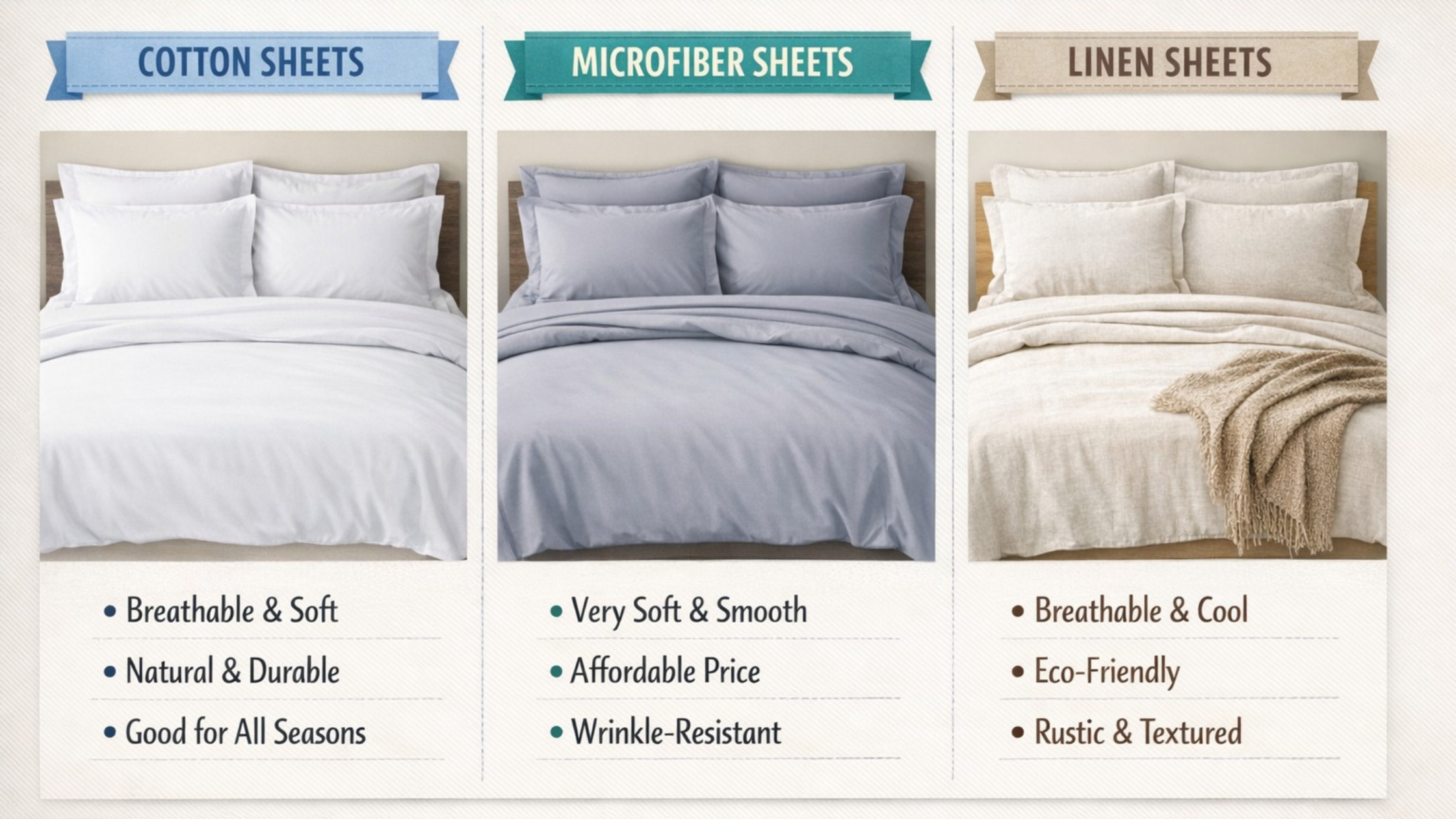
Tailor your cleaning routine to the specific material of your sheets for the best results. Different fibers require different temperatures and handling methods.
Cotton and Linen Care
Cotton sheets generally handle hot water and high heat drying well. Linen prefers warm water and medium heat to maintain its texture and prevent excessive shrinkage.
Both materials become softer with repeated washing. Expect some natural wrinkling with linen as part of its charm.
Microfiber and Synthetic Care
Microfiber requires warm water and mild detergent to stay intact. Avoid fabric softeners entirely as they degrade the synthetic fibers and reduce effectiveness.
Use low to medium heat in the dryer to prevent melting or warping. These materials dry quickly and resist staining naturally.
Silk and Satin Care
Silk and satin demand cold water and a gentle cycle or hand washing. Use a pH-neutral detergent to preserve the sheen and strength of the delicate fibers.
Always air dry these items away from direct sunlight. Never wring them out, as this can break the fine threads.
Frequently Asked Questions About Cleaning Bed Sheets
How often should I really wash my sheets?
You should wash your sheets once a week for optimal hygiene. If you sweat heavily or sleep with pets, washing them every three to four days is even better.
Can I use bleach to sanitize my sheets?
Only use oxygen-based bleach on white or color-safe sheets. Avoid chlorine bleach unless the care label explicitly states it is safe, as it can damage fibers.
Why do my clean sheets smell musty?
Musty odors usually mean the sheets did not dry completely or sat wet in the washer too long. Ensure your dryer cycle is long enough and remove items promptly.
Is white vinegar safe for all sheet types?
White vinegar is generally safe for most fabrics including cotton and linen. However, always check the care label for delicate materials like silk before adding it to the wash.
How do I stop my sheets from pilling?
Pilling occurs from friction and harsh washing. Wash sheets inside out, use liquid detergent, and avoid overloading the machine to reduce fiber breakage.
Key Takeaways for How to Clean Bed Sheets
Mastering how to clean bed sheets involves using the right temperature, avoiding harsh chemicals, and drying your linens thoroughly. Weekly washing with hot water and white vinegar eliminates allergens while extending the life of your bedding.
Protect your investment by rotating sets, treating stains immediately, and following specific care labels for different fabrics. Start tonight by stripping your bed and applying these expert tips for a fresher, healthier sleep environment.