
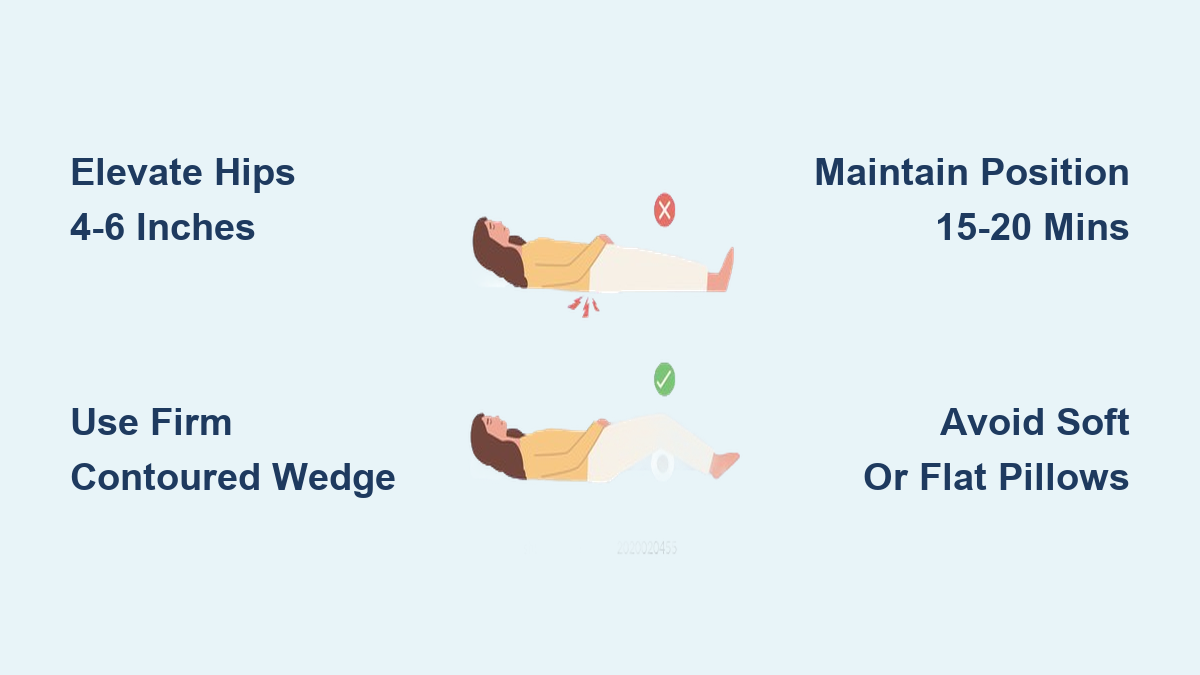
Placing a pillow under your hips is a simple technique that serves multiple purposes, from supporting conception attempts to relieving chronic hip pain and aiding post-surgical recovery. The key to success lies in knowing exactly where to position the pillow, how long to maintain the position, and which pillow type works best for your specific goal. This guide covers all four primary use cases, providing step-by-step instructions and expert recommendations for each situation.
Whether you are trying to conceive, seeking more comfortable intimate moments, managing bursitis or arthritis pain, or recovering from hip replacement surgery, understanding the correct pillow placement can make a significant difference in your results and overall comfort.
How to Elevate Hips for Conception

Elevating the hips after intercourse is a widely practiced method believed to support conception by helping sperm travel toward the cervix more efficiently.
Why Hip Elevation May Help
Creating a pelvic tilt with a pillow under your hips may assist sperm in moving toward the fallopian tubes while reducing immediate semen leakage. The elevation also helps sperm bypass the acidic vaginal environment faster, potentially improving their chances of survival. Additionally, this position may lower the risk of urinary tract infections by minimizing bacterial entry into the urethra.
Step-by-Step Positioning
Remain lying flat on your back immediately after intercourse. Slide a firm pillow or contoured foam wedge under your lower back and hips, ensuring your pelvis sits higher than your shoulders. Aim for approximately a 4 to 6 inch lift. Stay still in this position for 15 to 20 minutes without sitting up quickly. When ready to move, roll to the side rather than sitting up abruptly.
Best Pillow Types for Fertility
A contoured foam wedge designed specifically for post-coital use maintains the necessary angle throughout the duration. A thick firm bed pillow works acceptably if it does not compress under your body weight. Avoid using feather pillows or plush cushions, as they flatten quickly and fail to maintain proper elevation.
Timing and Position Tips
For optimal conception chances, have sex during the fertile window spanning five days before ovulation through one day after ovulation. Ovulation typically occurs 12 to 14 days before your next period. The missionary position, doggy style, and side-lying positions all allow deep penetration and place sperm closest to the cervix. Standing positions and woman-on-top may work against gravity and are considered less favorable, though not prohibitive.
Using Pillows During Sex for Comfort and Alignment

Strategic pillow placement during intimate moments can enhance comfort, improve alignment, and reduce physical strain for both partners.
Benefits of Pillow Support
Using a pillow under the hips or lower back adjusts the pelvic angle for deeper penetration while reducing lower back strain. This positioning also improves clitoral contact and helps manage joint pain or mobility limitations. Many people instinctively use pillows to find more comfortable or stimulating angles during intercourse.
Where to Place the Pillow
Place a firm pillow under the hips or lower back to lift the pelvis for better alignment, which works well for missionary or doggy style positions. Position a pillow between the legs to support thighs during side-by-side or leg-up positions, reducing hip flexor tension. Place a pillow under the head or shoulders to alter spinal tilt and change penetration depth, which can also reduce neck strain.
Communication Matters
Discussing pillow use with your partner helps clarify whether their preference relates to comfort, sensation enhancement, or addressing physical limitations. Open conversation about positioning preferences enhances intimacy and ensures both partners feel comfortable.
Sleep Positions for Hip Pain Relief
For conditions like hip bursitis, arthritis, or general joint pain, strategic pillow placement during sleep helps decompress the hip joint and maintain proper alignment throughout the night.
Back Sleeping with Hip Support
Lie flat on your back with a thin pillow under your head to keep your neck neutral. Place a pillow under your knees to reduce hip compression and support the lumbar spine. Cross the painful leg over the opposite ankle to create mild external rotation, which relieves outer hip pressure common in trochanteric bursitis. Alternatively, cross the unaffected leg over the painful side for internal rotation relief.
Side Sleeping on the Painful Hip
When sleeping with the affected hip on top, place one pillow between your knees to align the hips and prevent pelvic tilt. Add another pillow under the thigh of the top leg for added lift and decompression. A small pillow between the ankles prevents unwanted rotation. Keep the top leg bent at 90 degrees or straight, whichever feels more stable.
Side Sleeping on the Good Hip
When lying on the non-painful side, place a pillow under your rib cage to lift your upper body slightly and shift weight off the bottom hip. Add a pillow under the painful leg’s thigh or knee to prevent sinking into the mattress. Consider wrapping a long body pillow around the leg and securing it with a towel to maintain position throughout the night.
Pre-Bed Routine for Hip Pain
Apply an ice pack to the outer hip for bursitis or the groin area for arthritis for 10 to 15 minutes before bed. Use a thin cloth barrier between the ice and your skin. Follow with gentle stretching, including the figure-four stretch where you lie on your back, cross the affected foot over the opposite knee, and pull the opposite thigh toward your chest. Hold for 30 seconds, then perform slow hip circles in both directions to loosen tight muscles.
Pillow Placement After Hip Replacement Surgery

After hip replacement surgery, correct positioning with pillows is critical for preventing joint dislocation and supporting proper healing during recovery.
Why Pillows Are Essential
Using pillows after surgery helps maintain safe hip flexion angles below 90 degrees, prevents the legs from crossing or rotating improperly, and supports neutral alignment during rest and sleep. Failure to follow positioning rules can lead to dislocation requiring revision surgery.
The Abduction Pillow Method
The abduction pillow serves as the gold standard for post-surgical recovery. Place it between your legs to keep the hips apart and prevent crossing. Secure it with straps if provided to ensure consistent positioning throughout the day and night. This pillow is required for both anterior and posterior surgical approaches, though specific restrictions may vary.
Additional Pillow Uses Post-Surgery
Place a pillow under the thighs, not the calves, to keep the hips level and prevent excessive flexion. Avoid placing pillows under your knees, as this can bend the hip past the safe 90-degree limit. A long body pillow can substitute for an abduction pillow if needed.
How Long to Use Pillows
During the first two weeks, use pillows strictly at all times when lying down. From weeks three through six, gradually reduce pillow use under guidance from your physical therapist. After six to twelve weeks, discontinue use only with medical clearance from your surgeon.
Choosing the Right Pillow for Your Goal
Selecting the appropriate pillow type for your specific purpose ensures effectiveness and prevents discomfort from using the wrong support.
Key Pillow Features to Consider
Firmness matters significantly because soft pillows collapse under pressure and fail to maintain elevation. Thickness should provide 4 to 6 inches of lift for conception purposes, while sleep and surgery applications may require adjustable thickness. Memory foam retains its shape well over time, making it ideal for long-term use, while polyester fill is more affordable but tends to flatten. Contoured designs target specific areas most effectively for fertility wedges and abduction pillows.
Best Pillow by Purpose
For fertility and conception, use a contoured foam wedge or thick firm pillow for 15 to 20 minutes post-intercourse. For sexual comfort, a firm bed pillow or small bolster works well during intimate moments. For hip pain during sleep, a medium-firm body pillow or knee support pillow provides all-night relief. For hip replacement recovery, a hospital-grade abduction pillow or long body pillow with strap maintains proper positioning.
DIY Alternatives
Stack two to three firm bed pillows for elevation when a wedge is unavailable. Use a rolled towel under the lower back for a mild tilt. Fold a blanket to provide leg support during sleep. Test stability before use to ensure pillows do not slip or flatten during the night.
Common Mistakes to Avoid
Understanding what not to do helps ensure your pillow placement achieves the desired outcome without causing additional problems.
Fertility Mistakes
Avoid using soft or flat pillows that compress under body weight, as they fail to maintain the necessary pelvic tilt. Do not get up or sit immediately after intercourse, as this can cause semen to leak before sperm has time to travel. Avoid using pillows under just the head rather than under the hips, as this raises the wrong area.
Pain Relief Mistakes
Do not skip the pre-bed routine of ice and stretching, as pillow placement alone may not provide sufficient relief. Avoid keeping the same position every night without experimentation, since small adjustments in pillow height or leg angle often improve results significantly. Do not use pillows that are too thick, as this can create new pressure points and worsen pain.
Post-Surgery Mistakes
Never skip hip precautions, even during brief rests, as minor movements can dislocate the joint early in recovery. Do not remove the abduction pillow without medical guidance, even if it feels uncomfortable. Avoid bending at the waist or picking up objects from the floor while using pillows, as this violates the 90-degree rule.
Frequently Asked Questions About Putting a Pillow Under Hips
How long should I keep a pillow under my hips after sex?
Keep the pillow under your hips for 15 to 20 minutes immediately after intercourse. This gives sperm enough time to travel toward the cervix while you remain in a tilted position.
What is the best pillow thickness for hip elevation?
Aim for 4 to 6 inches of elevation. A thick firm pillow or contoured foam wedge works best for maintaining this height without compressing under your body weight.
Can pillow placement actually help with conception?
While a large European study found no significant increase in pregnancy rates with post-sex elevation, the practice remains widely recommended because it is low-risk and may offer subtle benefits. Many fertility specialists still advise lying down with hips elevated after intercourse.
Which sleeping position is best for hip bursitis?
Back sleeping with a pillow under your knees and the painful leg crossed over the opposite ankle often provides the best relief for trochanteric bursitis. This position decompresses the outer hip and reduces pressure on the inflamed bursa.
Do I need a special pillow after hip replacement surgery?
Your surgeon will typically prescribe an abduction pillow to keep your legs separated. This is the gold standard for preventing dislocation. A long body pillow can serve as a substitute if the abduction pillow is unavailable.
Key Takeaways for Putting a Pillow Under Your Hips
Successfully placing a pillow under your hips requires knowing your specific goal and following the appropriate technique for that purpose. For conception, use a firm pillow or wedge to elevate the hips for 15 to 20 minutes after intercourse while timing intimacy with your fertile window. For sexual comfort, experiment with pillow placement under the hips, back, or between legs to find what works best for you and your partner. For hip pain relief, combine strategic pillow placement with ice therapy and stretching before bed, trying back sleeping or side sleeping with proper support. After hip replacement surgery, strictly follow your surgeon’s positioning rules using an abduction pillow between your legs for six to twelve weeks.
The right pillow type matters significantly in each scenario, so choose firmer options that maintain their shape rather than soft pillows that compress. Small adjustments in positioning often yield significant improvements, so track what works best for your specific situation and adjust accordingly.