
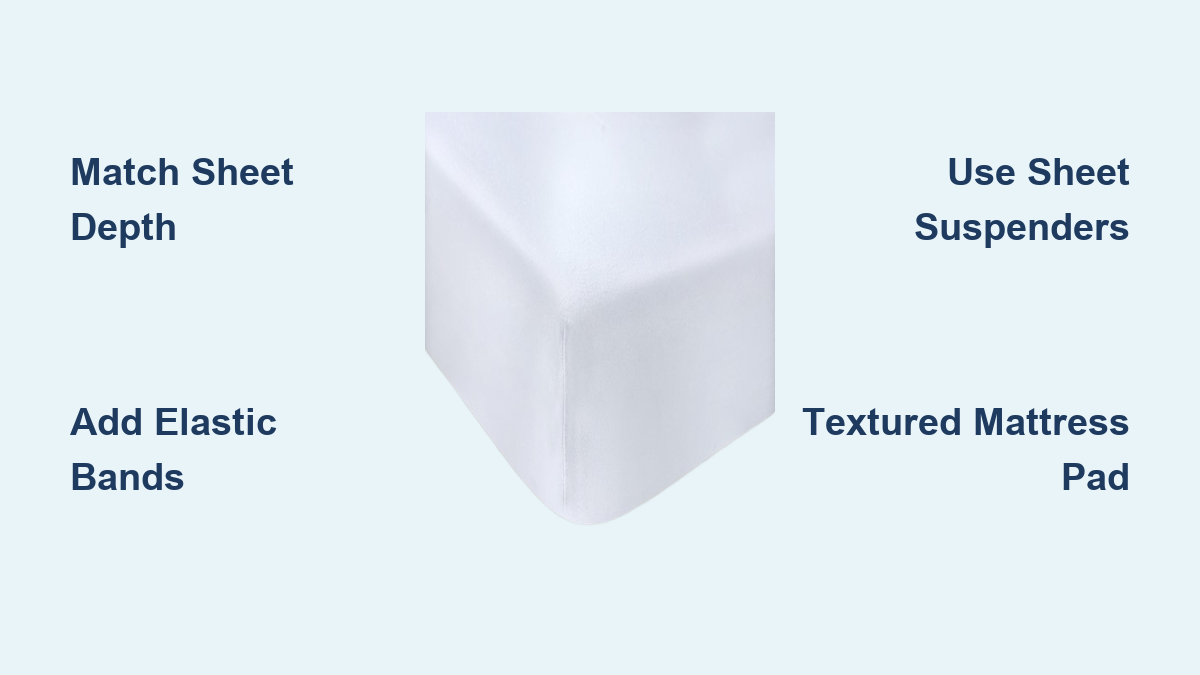
Nothing ruins a good night’s sleep faster than a fitted sheet that slips off the corner in the middle of the night. If you constantly wake up to bunched fabric or spend mornings tucking corners, learning how to keep fitted sheets on bed is essential for your comfort.
This guide reveals proven fixes ranging from simple DIY sewing hacks to smart accessories like suspenders and grippers. You will discover exactly how to match your sheet depth, modify loose fabric, and choose products that stop slipping forever.
Identify Why Your Fitted Sheets Slip Off
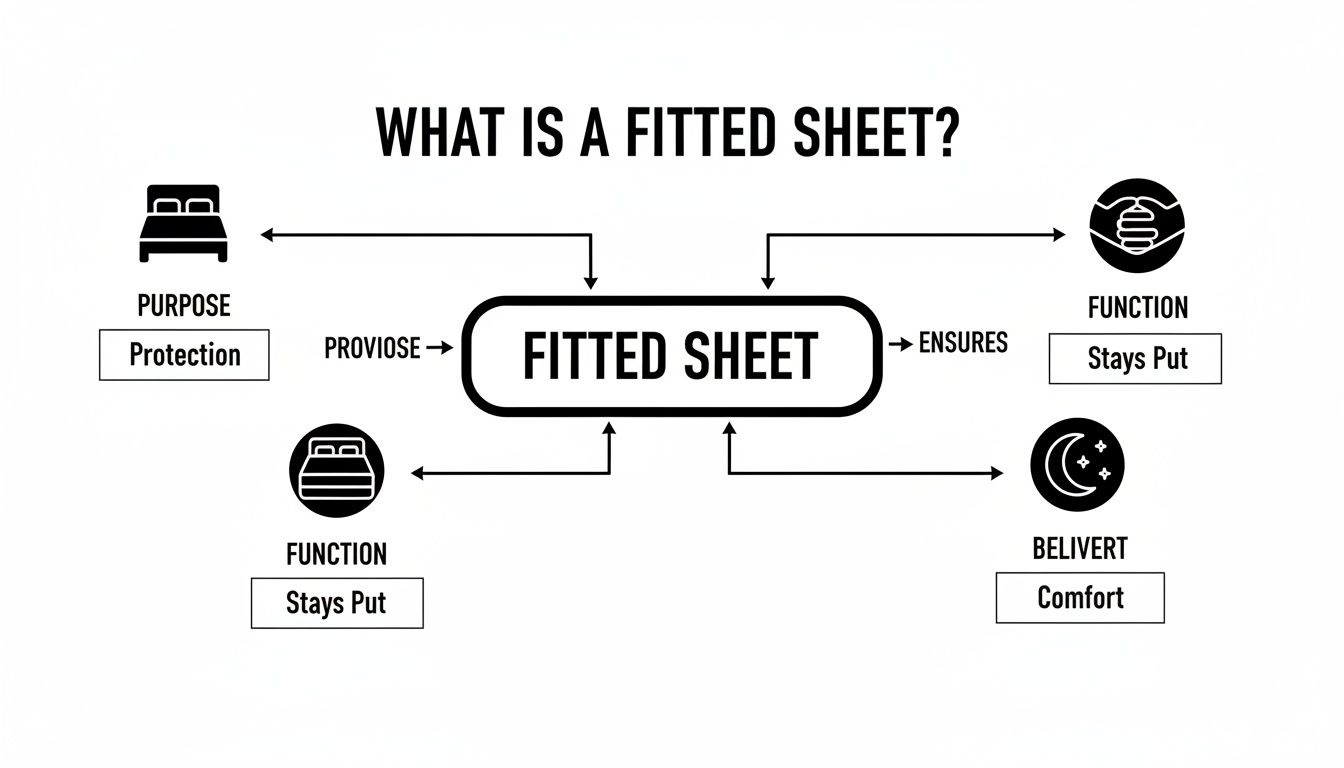
Modern bedding often prioritizes universal sizing over security, leading to constant shifting during sleep. Deep-pocket sheets designed for thick mattresses often gap on standard beds, while smooth mattress protectors create a sliding surface. Even split king setups with adjustable bases create uneven tension that pulls corners free. Identifying your specific root cause is the first step toward a lasting solution.
Match Sheet Depth to Mattress Size
Using oversized sheets is a primary reason for poor fit and nightly frustration.
* Measure your total mattress thickness before buying any new bedding.
* Choose standard pocket depth (8–10 inches) for most beds under 14 inches tall.
* Avoid “extra-deep” labels unless you have a thick pillow-top or hybrid mattress.
* Look for brands known for snug, stretch-resistant corners to ensure a tight hold.
Upgrade Your Mattress Surface Texture
A smooth pad can sabotage even the best fitted sheet by reducing friction.
* Replace flat, slippery protectors with textured cotton toppers that add natural grip.
* Use a flannel or terry-cloth mattress pad since these materials resist sliding effectively.
* Add a non-slip shelf liner between the mattress and box spring to anchor the whole setup.
Sew Elastic Bands for a Custom Tight Fit

If your current sheets are too loose, modifying them with elastic transforms a sagging sheet into a custom-fit solution. This method works well for those who want a permanent fix without buying new bedding.
Install Perimeter Elastic Like a Shower Cap
Turn any loose fitted sheet into a snugger version with this simple sewing upgrade.
1. Remove the sheet from the mattress and lay it flat on a table.
2. Cut a length of 1/2-inch wide elastic slightly shorter than each side measurement.
3. Stretch the elastic and sew it along the inner edge of the hem from corner to corner.
4. Use a zigzag stitch to allow stretch while preventing the thread from tearing.
This creates a “shower cap” effect that pulls the sheet taut around the mattress edges automatically.
Strengthen Corners with Heavy-Duty Elastic
Deep or extra-firm mattresses require stronger tension to stay secure all night.
* Cut 2-inch wide elastic into 6-inch strips for maximum holding power.
* Use pinking shears to prevent fraying, then hem the raw ends neatly.
* Sew these strips into each corner inside the existing pocket for added depth.
* The added tension locks the sheet in place, especially on thicker or heavier beds.
Use Sheet Suspenders and Bed Clips
Sheet suspenders work like underwear elastic by pulling loose fabric tight across the mattress base. These tools offer a quick, no-sew solution for immediate relief.
Attach Elastic Bed Clips Quickly
This quick fix works in seconds and requires no sewing skills whatsoever.
* Place the fitted sheet on the mattress and smooth out major wrinkles.
* Clip one end of each bed suspender to opposite corners at the foot and head.
* Let the elastic band stretch across the underside of the mattress to create tension.
* Repeat for all four corners to ensure the sheet stays fixed in place.
These are ideal for deep or adjustable beds and typically cost under $6 on major retail sites.
Try Diagonal Corner Clipping
For maximum tension, you can arrange the clips in a cross pattern under the bed.
* Clip suspenders from foot-left to head-right corners, crossing them under the bed.
* This diagonal pull reduces sagging in the center of the mattress significantly.
* The method works especially well on split king beds with independent movement.
Install Drawstring or Band Systems

Some solutions go beyond simple clips and elastic by using full-frame support to lock sheets down. These systems provide 360-degree security for restless sleepers.
Use a 360-Degree Bed Scrunchie
The Bed Scrunchie is a circular elastic band that wraps around the entire mattress perimeter.
* Slide it over the mattress like a giant hair tie to position it correctly.
* Place your fitted sheet over it so the band grips the fabric and prevents shifting.
* This tool works with any sheet brand or material type you currently own.
* It is available in multiple sizes to fit various mattress heights perfectly.
Try Comfy Snug Drawstring Sheets
These innovative sheets feature a built-in drawstring around the hem for adjustable tightness.
* After placing the sheet, pull the cord tight like closing a balloon opening.
* Secure the toggle to hold the tension firmly against the mattress corners.
* This eliminates loose corners without needing external modifications or accessories.
Modify Sheets for a Permanent Fit
For a long-term fix, alter your existing sheets so they fit like custom-made ones. This approach saves money and extends the life of your current bedding inventory.
Apply the Inside-Out Method
Transform a loose sheet into a tight one permanently with this clever sewing hack.
1. Turn the sheet inside out and stretch it over the mattress carefully.
2. Pull corners taut to simulate the desired final fit level.
3. At the foot end, gather excess fabric and pin it securely in place.
4. Sew through the elastic to create a shorter, tighter edge permanently.
5. Flip right-side out to reveal a sheet that fits snugly without slipping.
This hack is ideal for sheets that are slightly too deep for your specific mattress.
Add Fabric Tension Panels
Boost grip by increasing sheet tension with an added fabric insert.
* Cut a rectangular panel from stretchy fabric equal to 1/8 the length of the sheet.
* Sew it horizontally across the bottom inside edge to shorten the pocket.
* The added resistance pulls the sheet tighter over the mattress base automatically.
* This method is especially effective on low-profile beds that lack depth.
Choose Better Fitted Sheets for Security

Sometimes the best fix is starting fresh with higher-quality bedding designed for security. Selecting the right product initially saves time on fixes later.
Skip Extra-Deep Pockets
Manufacturers often exaggerate pocket depth, leading to ill-fting bedding purchases.
* “X-deep” sizes (22+ inches) are overkill for most standard beds.
* Standard 10–12 inch pockets offer better tension on average mattresses.
* Always check actual measurements on the label, not just marketing terms.
Buy Proven Secure-Fit Brands
Not all sheets are created equal when it comes to staying in place.
* Sheex Original Performance uses performance fabric with reinforced corners.
* Customers report fewer slips and lasting elasticity even after many washes.
* Consider thrifted or donated sheets since older cotton blends often have tighter weaves.
Prevent Slippage with Smart Habits
Even the best sheets fail if not used correctly, so small changes make a big difference. Adopting good habits ensures your hard work lasts longer.
Tighten Sheets When Making Bed
- Pull each corner firmly when putting on the sheet to engage the elastic fully.
- Tug diagonally across the bed to engage all sides evenly before smoothing.
- Smooth out wrinkles before adding blankets to prevent shifting layers.
Wash Sheets Properly
Overwashing stretches elastic and reduces the holding power of your sheets.
* Use cold water and a gentle cycle to preserve fabric integrity.
* Air dry or use low heat to maintain elasticity in the corner bands.
* Replace sheets every 2–3 years as elastic degrades over time naturally.
Combine Methods for Best Results
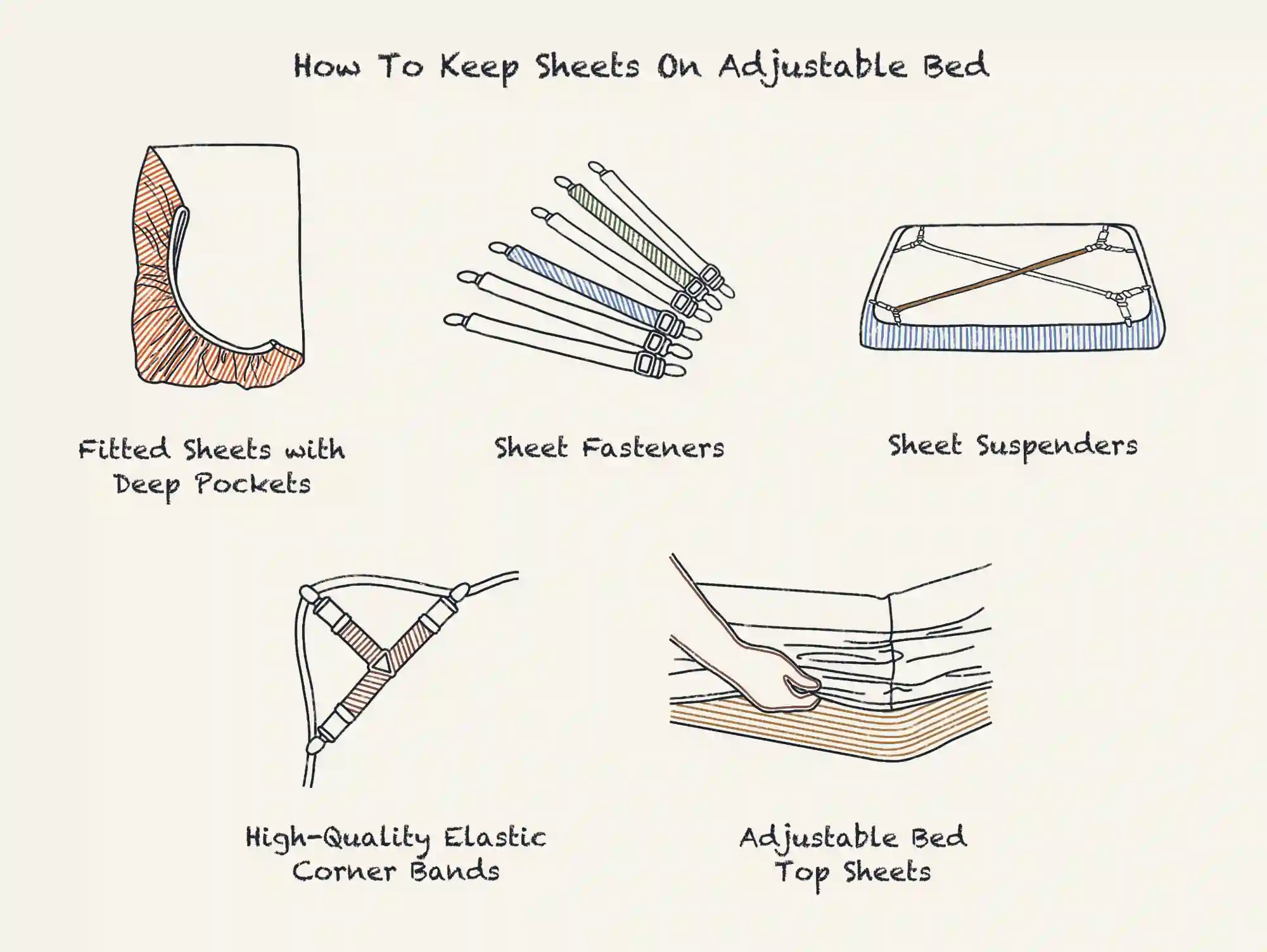
No single fix works for every bed, so the most reliable approach is stacking solutions. Combining methods creates a fail-safe system against slipping.
Pair Textured Topper with Suspenders
- Use a cotton or flannel mattress pad to stop sliding at the source.
- Add sheet clips for extra corner security on top of the textured surface.
- This combo is ideal for smooth memory foam or split king bases.
Use Elastic and Drawstring Combo
- Sew elastic into corners for initial fit and baseline tension.
- Pair with a drawstring sheet or Bed Scrunchie for added hold.
- This provides maximum grip for restless sleepers or very deep mattresses.
Frequently Asked Questions About Keeping Sheets on Bed
How do I stop my fitted sheet from popping off the corners?
You can stop corners from popping off by adding elastic bands around the perimeter or using sheet suspenders. These tools create constant tension that holds the fabric tight against the mattress edges all night.
What is the best product to keep sheets on an adjustable bed?
Sheet suspenders with strong clips work best for adjustable beds because they move with the base. The diagonal clipping method also helps maintain tension when the head or foot of the bed raises.
Can I fix loose sheets without sewing?
Yes, you can fix loose sheets without sewing by using sheet suspenders, bed clips, or a Bed Scrunchie band. These accessories grip the fabric and mattress directly to prevent slipping without permanent alteration.
Why do deep pocket sheets slip off my regular mattress?
Deep pocket sheets slip because the extra fabric creates loose pockets that cannot grip standard mattress depths. The lack of tension allows the sheet to shift easily when you move during sleep.
How often should I replace my fitted sheets to ensure a good fit?
You should replace fitted sheets every 2–3 years because the elastic degrades and loses tension over time. Washing them in cold water and air drying can extend their lifespan slightly.
Key Takeaways for Learning How to Keep Fitted Sheets on Bed
Solving the problem of slipping sheets often requires matching your solution to your specific mattress type and sheet depth. Whether you choose to sew in elastic, use suspenders, or switch to textured toppers, taking action ensures a comfortable and secure sleep environment.
Start by measuring your mattress and checking your current sheet pockets, then apply one of these proven methods today. With the right combination of tools and techniques, you can finally stop fighting your bedding and enjoy a restful night.