
You bought a premium mattress for better sleep, yet ill-fitting linens keep ruining your night. Constant slipping, bunched corners, and tight fabric destroy both your comfort and bedroom aesthetics. The solution lies in selecting the correct bed sheet sizes for your specific mattress dimensions.
This guide details standard dimensions, explains how to measure depth accurately, and reveals how to fix common fitting issues. You will learn to match flat and fitted sheets to Twin, Queen, and King beds without guesswork. Follow these steps to ensure a snug, seamless fit every time you make your bed.
Standard Bed Sheet Dimensions for Every Mattress Type
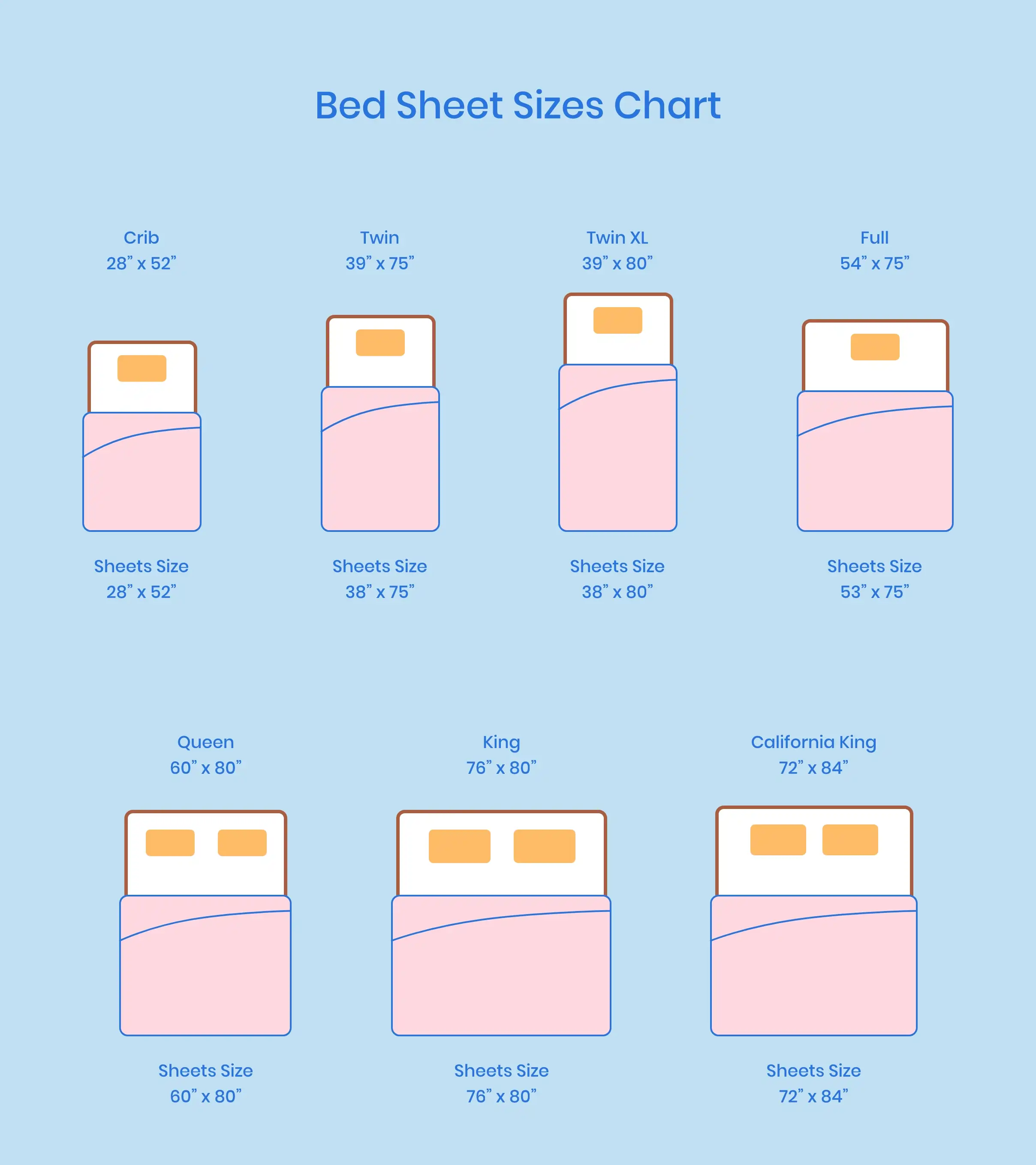
Every mattress size requires a matching sheet size to function correctly. Using the wrong dimensions leads to tight pulls, loose edges, or sheets that simply will not stay on. You must know the exact width and length for your specific bed type.
- Twin: 39″ x 75″
- Full (Double): 54″ x 75″
- Queen: 60″ x 80″
- King: 76″ x 80″
- California King: 72″ x 84″
These numbers apply to flat sheets and duvet covers. However, fitted sheets require an additional measurement known as depth. This is the vertical height of your mattress from the top surface to the bottom edge.
Fitted Sheet Depth Matters for Thick Mattresses

Most standard mattresses range from 10 to 14 inches in depth. If you own a thick memory foam or hybrid model, you likely need special deep-pocket or ultra-deep fitted sheets. Ignoring this measurement causes the most common fitting failures.
- Standard pocket: Fits up to 12 inches
- Deep pocket: Fits 13 to 18 inches
- Ultra-deep: Fits 19 inches and above
Warning: Using a standard fitted sheet on a thick mattress causes tearing at the corners or constant slipping. Always check your mattress thickness before buying new linens.
Twin vs Full: What Is the Actual Difference?
The Twin (39″ x 75″) works best for kids, single sleepers, or bunk beds where space is limited. It provides just enough room for one person to sleep comfortably without excess fabric.
The Full (54″ x 75″) offers 15 extra inches in width compared to the Twin. This size suits adults who want more space but may still feel tight for two people sharing a bed. Both sizes share the same 75-inch length.
Queen vs King: Which Size Fits Your Bedroom?
The Queen (60″ x 80″) fits most master bedrooms and offers ample room for couples. It balances space efficiency with sleeping comfort for the average user.
The King (76″ x 80″) adds a massive 16 inches in width over the Queen. This size is ideal for couples who want maximum space to stretch out or for those who share their bed with pets. Note that the King requires a larger bed frame and more floor space.
California King vs King: Who Needs the Extra Length?
The California King (72″ x 84″) is 4 inches longer but 4 inches narrower than a standard King. This unique dimension makes it the top choice for tall sleepers over 6 feet 2 inches.
However, the reduced width makes it less ideal for couples who prioritize shoulder room over legroom. Always measure your bed frame length before choosing this size.
Pro Tip: Measure your bed frame, not just the mattress. Some platform beds add height or width that affects how bed sheet sizes fit.
How to Measure Your Mattress Correctly
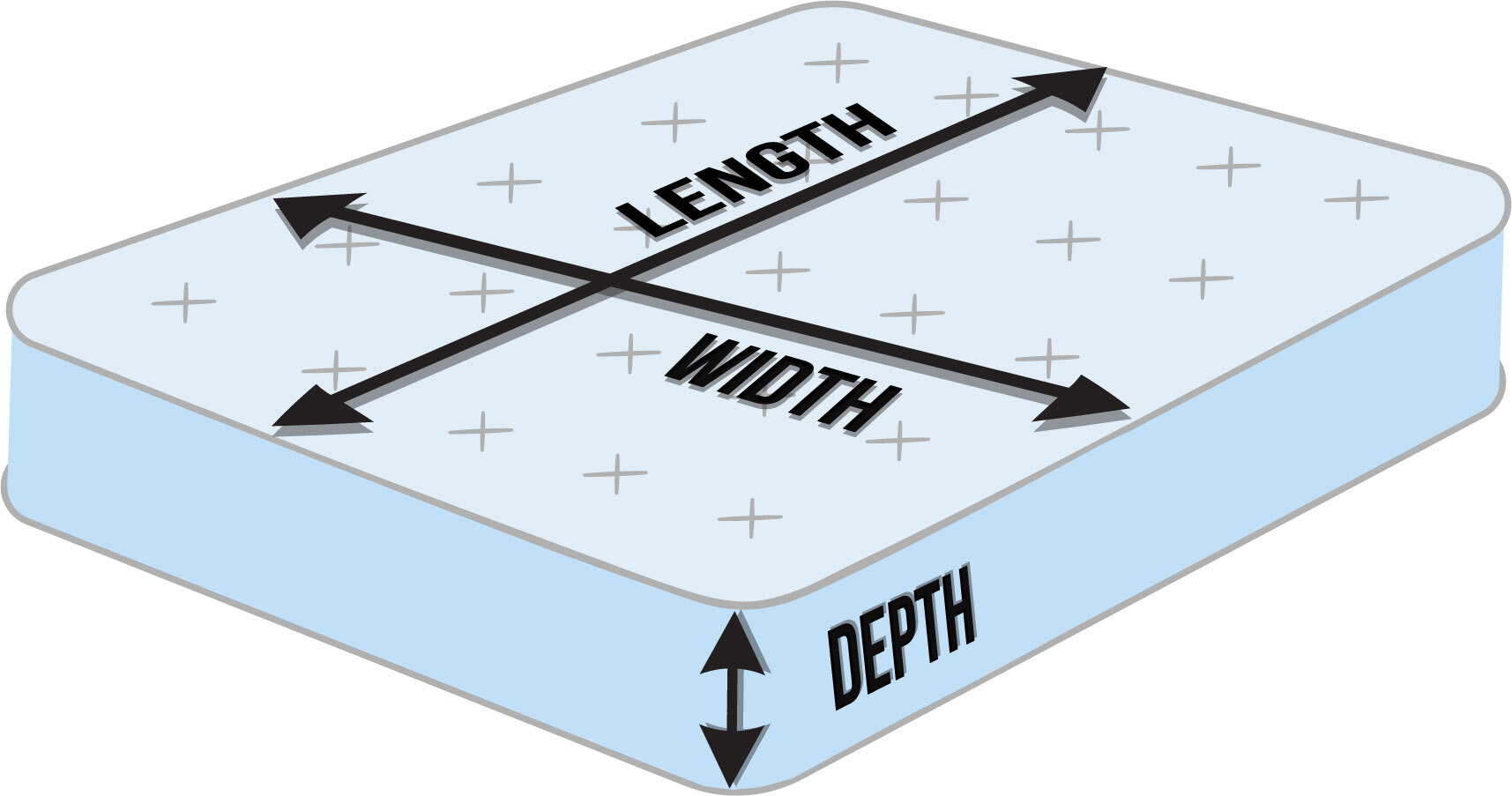
Do not assume your mattress is a “standard” size based on its label alone. Over time, labels fade, and manufacturing variations occur between brands. Measuring ensures you buy the right sheets the first time.
Measure Length and Width Accurately
Use a flexible tape measure to record the surface dimensions of your mattress. Start by measuring from the head to the foot to get the length. Then measure from one side to the other to get the width.
Compare these numbers to the standard bed sheet sizes listed above. Even a 1 to 2-inch difference can significantly affect how well your sheets fit.
Measure Mattress Depth for Fitted Sheets
You must include the entire height of the mattress for fitted sheets. Place one end of the tape measure at the top center of the mattress. Stretch it straight down the side to the very bottom edge.
Record this measurement in inches. For example, a 14-inch deep mattress needs deep-pocket sheets designed for the 13 to 18-inch range.
Check for Non-Standard Mattress Features
Some beds do not follow standard sizing rules at all. Oversized mattresses found in RVs or antique frames often require custom solutions.
- Oversized mattresses: Common in RV beds or antique frames
- Adjustable bases: May require stretchy or custom-fit sheets
- Mattress toppers: Add 2 to 4 inches, increasing total depth
If your measurements do not match standard sizes, look for custom-fit or highly stretchable sheet sets to accommodate the difference.
Types of Bed Sheets and Their Specific Uses
Not all sheets serve the same purpose in your bedding ensemble. Understanding the distinct types helps you choose the right products for comfort, protection, and style.
Fitted Sheets: The Stay-Put Bottom Layer
Fitted sheets feature elasticized corners designed to hug your mattress tightly. They must match your mattress size, depth, and corner shape precisely.
- Look for 360-degree elastic bands
- Choose reinforced corners for durability
- Select tagless labels to prevent irritation
Flat Sheets: Layered Comfort and Protection
Flat sheets lay flat over the sleeper and act as a barrier between you and your comforter. They are ideal for adding a breathable layer or protecting expensive duvets from body oils.
Use a flat sheet tucked in at the sides or layered loosely under a duvet. While less common in modern minimalist bedding, they remain preferred in hot climates for hygiene.
Note: Flat sheets are less common in modern bedding but still preferred in hot climates or for hygiene purposes.
Duvet Covers: Style Plus Easy Care
Duvet covers act as slipcovers for your comforter or duvet insert. You must match the cover to the duvet insert size, not necessarily your bed size.
- A Queen duvet cover fits a Queen duvet (88″ x 92″)
- Secured internally with zippers, buttons, or ties
- Allows style changes without buying new comforters
Bed Skirts: Hide the Space Under the Bed
Bed skirts attach to the box spring or bed frame to conceal the area underneath. They come in standard sizes like Queen and King, as well as adjustable split designs.
Use case: Gives a clean, hotel-like look by concealing under-bed storage or unsightly bed frames.
Common Fitting Problems and How to Fix Them
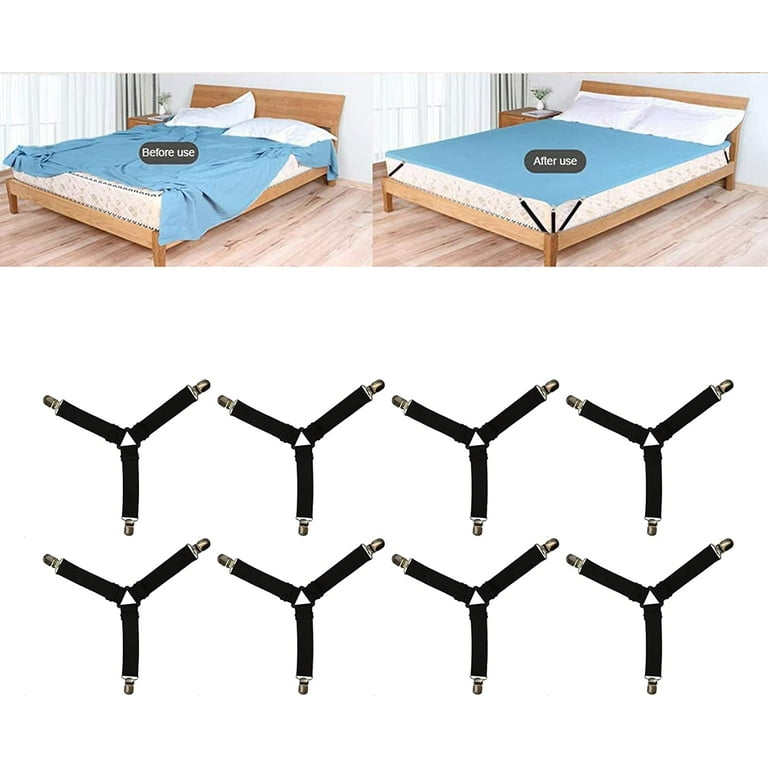
Even with the correct bed sheet sizes, sheets can sometimes fail to perform. Here is how to diagnose and fix common fitting issues quickly.
Sheets That Slip Off During Sleep
Cause: Weak elastic, incorrect depth, or low-quality fabric causes slippage.
Fix:
– Upgrade to deep-pocket fitted sheets
– Choose options with silicone grip strips or corner anchors
– Use sheet suspenders that clip under the mattress
Pro Tip: Look for “stay-put” or “no-slip” labels when shopping for difficult mattresses.
Bunched or Wrinkled Fitted Sheets
Cause: Poor stretch, wrong size, or improper washing techniques create bunching.
Fix:
– Wash in cold water and dry on low heat
– Remove promptly from the dryer to avoid over-drying
– Choose percale or sateen weaves that resist wrinkling
Avoid: Overloading the washer, which twists sheets and weakens the elastic bands.
Flat Sheets That Won’t Stay Tucked
Cause: Movement during sleep or slippery fabric prevents the sheet from staying tucked.
Fix:
– Use sheet straps or under-bed elastics
– Try hospital corners when making the bed
– Choose heavier cotton with a 300+ thread count
Hospital Corner How-To:
1. Tuck the foot end of the sheet under the mattress.
2. Lift the side edge and fold it down diagonally.
3. Tuck the remaining fabric under the mattress.
Material and Thread Count: Comfort Beyond Size
Size is critical, but material and weave affect feel, durability, and breathability. These factors determine whether your bed sheet sizes feel comfortable against your skin.
Best Sheet Materials Compared

| Material | Best For | Care Tips |
|---|---|---|
| Egyptian Cotton | Softness, breathability | Wash in cold, avoid bleach |
| Pima Cotton | Durability, smooth feel | Low heat drying |
| Microfiber | Budget, wrinkle resistance | Use gentle cycle |
| Bamboo | Hypoallergenic, cooling | Wash separately, mild detergent |
| Linen | Hot sleepers, texture | Expect wrinkling; softens over time |
Sleep Tip: Side sleepers benefit from soft, breathable sheets to prevent overheating during the night.
Thread Count: What Is Ideal?
Thread count indicates the number of threads woven into one square inch of fabric. Finding the right balance ensures comfort without sacrificing breathability.
- 200–400: Optimal balance of softness and breathability
- 400–600: Feels luxurious but may be less airy
- 600+: Often marketing hype that can feel stiff or trap heat
Reality Check: Higher thread count does not equal better quality. Weave and fiber type matter more than the number alone.
Buying Tips for Long-Lasting Sheets
Avoid returns and frustration with these smart shopping strategies. Investing time in selection ensures your bed sheet sizes last for years.
Check the Brand’s Size Chart
Not all “Queen” sheets are identical across different manufacturers. Some brands run small while others offer extra depth for modern mattresses.
Action Step: Always review the product specs before purchasing, especially when shopping online.
Look for Deep-Pocket Options
If you have a thick mattress or use a topper, standard sheets will not work. You must specifically search for deep-pocket variants.
- Search terms: “Deep pocket,” “fits 18-inch mattresses,” or “hybrid mattress fit”
- Verify the depth range matches your measurement
Prioritize Elastic Quality
Strong, durable elastic prevents corner tears and slippage over time. Weak elastic ruins even the perfectly sized sheet.
Red flags: Thin elastic, no corner reinforcement, or no mention of stretch in the product description.
Buy Sets with Extra Fitted Sheets
Rotate between 2 to 3 fitted sheets to extend their lifespan and reduce wear. This strategy ensures you always have a clean backup ready.
Smart buy: Look for sets with 1 flat sheet, 2 fitted sheets, and 2 pillowcases.
Maintenance: Keep Sheets Fitting and Looking New
Even the best sheets wear out fast with poor care. Proper maintenance preserves the fit and fabric quality of your linens.
Wash Properly
Use mild detergent and wash in cold or warm water. Avoid fabric softeners as they break down elastic fibers over time.
Tip: Separate colors to prevent bleeding and keep whites bright.
Dry with Care
Dry on low heat or air dry whenever possible. Remove sheets promptly to reduce wrinkles and prevent heat damage.
Do not over-dry, as excessive heat degrades elastic quickly. This is the number one cause of fitted sheet failure.
Store Correctly
Fold sheets neatly and do not cram them into tight drawers. Keep them in a cool, dry place to prevent mildew.
Use cotton storage bags to prevent yellowing and keep dust away from clean linens.
When to Replace Your Sheets
Sheets do not last forever, even with perfect care. You should replace them when you notice specific signs of wear.
- Pilling or thinning fabric
- Faded colors or permanent stains
- Elastic that won’t stretch
- Persistent odors after washing
Average lifespan: 2 to 3 years with regular use and proper care.
Final Checklist for the Perfect Fit
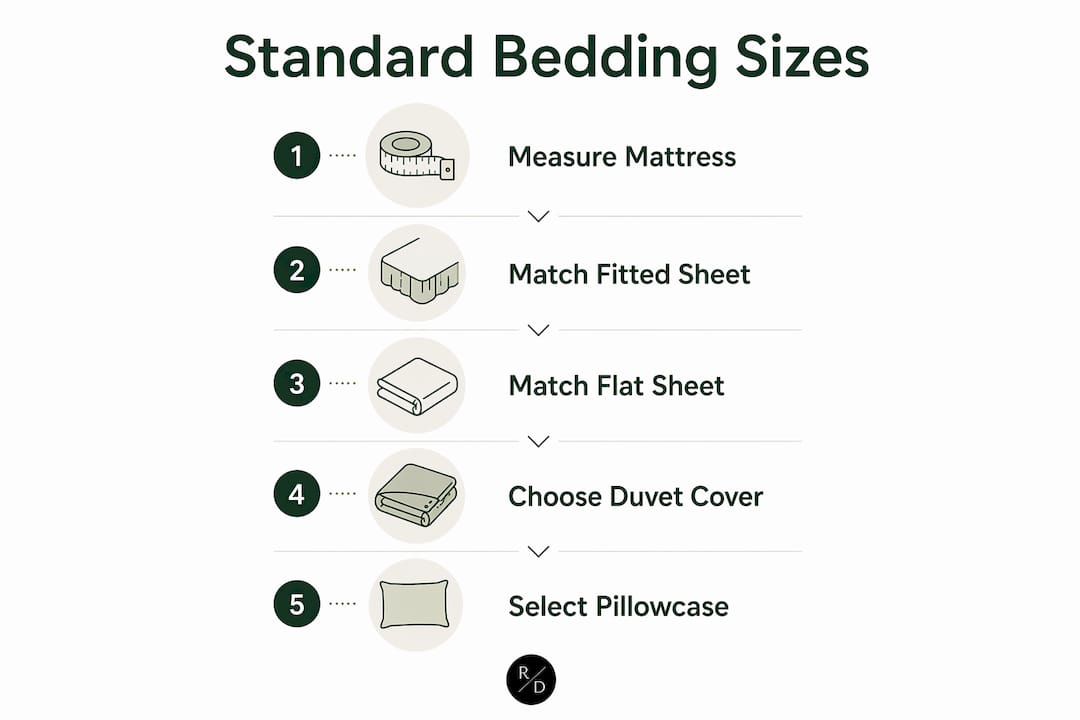
Before buying new sheets, run through this quick checklist to ensure success. This guarantees you select the right bed sheet sizes for your needs.
- ✅ Measured mattress length, width, and depth
- ✅ Confirmed bed size (Queen, King, etc.)
- ✅ Checked if deep-pocket sheets are needed
- ✅ Verified material (cotton, microfiber, bamboo)
- ✅ Read brand’s size chart and reviews
- ✅ Looked for strong elastic and corner durability
A perfect-fitting sheet stays in place, feels comfortable, and protects your mattress. Do not guess. Measure, compare, and choose wisely.
Frequently Asked Questions About Bed Sheet Sizes
What are the standard dimensions for a Queen bed sheet?
Standard Queen flat sheets measure 60″ x 80″. Fitted sheets match this footprint but vary in depth, typically fitting mattresses from 10 to 14 inches thick.
How do I know if I need deep-pocket sheets?
Measure your mattress height. If it exceeds 12 inches, or if you use a mattress topper, you need deep-pocket sheets to prevent tearing and slipping.
Can I use King sheets on a Queen mattress?
No, King sheets are too wide (76″ vs 60″) and will bunch up excessively. Always match the sheet size to your specific mattress dimensions for safety and comfort.
What is the difference between California King and King sheets?
California King sheets are longer (84″) but narrower (72″) than standard King sheets (80″ long, 76″ wide). They are designed for taller individuals.
How often should I replace my bed sheets?
You should replace sheets every 2 to 3 years. Replace them sooner if the elastic fails, the fabric pills, or stains will not wash out.
Key Takeaways for Choosing Bed Sheet Sizes
Selecting the correct bed sheet sizes transforms your sleep quality and bedroom appearance. Matching your sheets to your exact mattress dimensions and depth prevents slipping and discomfort.
Remember to measure your mattress height and check brand-specific size charts before buying. Combine the right size with quality materials and proper care for linens that last.