
You see “1000 thread count” on the package and assume you are buying the best luxury sheets available. Marketing teams love these high numbers because they trick shoppers into believing higher equals better quality. The reality of bed sheets thread count explained reveals that inflated numbers often hide inferior materials and deceptive manufacturing tricks.
This guide shows you why a 300 thread count sheet often feels softer than an 800 count version. You will learn how brands manipulate yarn counts, why fiber length matters more than density, and exactly which range suits your sleeping style. Stop guessing and start choosing sheets that truly improve your sleep.
What Thread Count Actually Measures
Thread count is a specific measurement of fabric density rather than a direct indicator of softness or durability. It counts the total number of vertical warp and horizontal weft threads woven into one square inch of fabric. A sheet with 150 warp and 150 weft threads equals a 300 thread count.
Why Density Does Not Equal Quality
Manufacturers can increase density by using thinner yarns or weaving them tighter. While this creates a heavier fabric, it often reduces airflow significantly. Dense sheets trap body heat which makes sleeping uncomfortable for many people. You want a balance that offers durability without sacrificing breathability.
Limitations to Woven Fabrics Only
This metric only applies to woven textiles like standard cotton sheets. It does not work for knitted fabrics or materials like linen and silk. Linen quality is better judged by weight in grams per square meter while silk uses momme weight. Relying on thread count for these materials gives you no useful information about their performance.
Why Fiber Quality Beats High Thread Counts
Experts agree that the raw material determines the feel of your sheets far more than the thread count number. You can have a high count made from rough short fibers that feel terrible. Long-staple cotton varieties create the strongest and smoothest yarns available.
The Importance of Staple Length
Staple length refers to the length of the individual cotton fibers before spinning. Extra-long-staple varieties like Egyptian Pima and Supima cotton have fibers measuring 5 cm or longer. These long fibers spin into smooth yarns that resist pilling and feel silky against your skin.
Benefits of Combed and Organic Options
Combed cotton undergoes a process that removes short fibers and impurities before spinning. This results in a cleaner fabric that lasts longer and feels smoother. Organic cotton offers similar benefits while ensuring no synthetic pesticides were used during growth. Look for GOTS certification to verify organic claims.
How Brands Inflate Thread Count Numbers

One of the most common tricks in the bedding industry involves manipulating how threads are counted. Brands use multi-ply yarns to double or triple the stated thread count without adding actual density. This practice misleads consumers into paying premium prices for average products.
Understanding Single-Ply vs Multi-Ply Yarns
Single-ply yarn consists of one continuous strand of fiber that is breathable and lightweight. Multi-ply yarn twists two or more thin low-quality threads together to form one strand. Manufacturers then count each tiny strand within the twist as a separate thread.
The Math Behind the Deception
A sheet might have 250 vertical and 250 horizontal threads for a true density of 500. If the maker uses two-ply yarn they might claim a 1000 thread count by counting the twisted strands separately. The Federal Trade Commission warned against this in 2005 yet the practice continues today. These sheets often feel stiff and trap heat compared to true single-ply options.
Best Thread Count Ranges for Your Needs

No single number works for everyone because your ideal sheet depends on your climate and personal preference. Different ranges offer distinct benefits regarding texture and temperature regulation. Choosing the right bracket ensures you get the comfort you expect.
200 to 400 for Crisp Coolness
This range is perfect for percale weaves that feature a one-over-one-under pattern. These sheets feel crisp and lightweight like a high-quality button-down shirt. They are the best choice for hot sleepers or those living in warm climates who need maximum airflow.
300 to 500 as the Sweet Spot
Most people find this middle range offers the best balance of softness and durability. Sheets in this bracket work well year-round and suit both percale and sateen weaves. When made with long-staple cotton they become softer with every wash and last for years.
400 to 600 for Silky Warmth
This higher range is ideal for sateen weaves that use a three-over-one pattern. The extra density protects the floating threads from snagging while providing a lustrous finish. These sheets feel substantial and warm making them great for winter months or cold sleepers.
Why 600 and Above Is Often Overkill
Counts exceeding 600 often result in heavy fabric that sleeps hot and lacks breathability. Numbers above 800 are frequently achieved through the multi-ply tricks mentioned earlier. True single-ply cotton sheets above 800 are rare and extremely expensive so treat high claims with skepticism.
Percale vs Sateen Weave Differences

The weave pattern changes how the sheet feels more than the thread count alone. Understanding the difference between percale and sateen helps you pick the right texture for your bed.
Percale for Airy Comfort
Percale uses a simple matte finish weave that feels cool to the touch. It is naturally breathable and ideal for summer months or warm bedrooms. The best percale sheets usually fall between 200 and 400 thread count.
Sateen for Luxurious Warmth
Sateen creates longer floats on the surface which gives it a silky sheen. This structure makes the fabric heavier and warmer than percale. You should look for 300 to 600 thread count to ensure the floating threads do not snag easily.
Thread Count for Non-Cotton Materials
Many premium sheet materials do not use thread count as their primary quality metric. Using this number to judge them can lead to poor purchasing decisions.
Linen and Silk Metrics
Linen typically has a low thread count between 50 and 140 but offers superior breathability. Its quality is better measured by GSM weight with 170 to 190 being ideal. Silk uses momme weight where 17 to 22 momme indicates high quality for bedding.
Bamboo and Microfiber Standards
Bamboo sheets often list counts between 300 and 500 but focus on 100% viscose or lyocell labels. Microfiber is measured in GSM with 90 to 120 being the standard range. These materials rely on fiber properties rather than weave density for their feel.
Red Flags in Sheet Marketing

You can spot low-quality products by watching for specific warning signs on packaging. Brands often use vague language to hide inferior construction methods.
Suspiciously High Numbers
Be wary of any sheet claiming 1000 1200 or 1500 thread count. These numbers almost always indicate multi-ply manipulation or the use of very short inferior fibers. Such sheets often feel plastic-like and trap excessive heat.
Vague Fiber Descriptions
Labels that just say “cotton” without specifying long-staple Egyptian or Pima often use generic upland cotton. Lack of ply information is another sign to avoid the product. Always look for “single-ply” clearly stated on the tag.
Price vs Value in Bed Sheets
Spending more money does not guarantee better sheets if you are paying for marketing hype. Understanding where value lies helps you budget effectively.
The $50 to $100 Sweet Spot
You can find excellent quality percale and sateen sets in this price range. Look for long-staple cotton and single-ply construction within this bracket. These offer the best balance of comfort and affordability for most households.
When Premium Prices Make Sense
Prices over $100 are justified for organic certifications or specific artisanal weaving like Italian mills. However do not pay extra solely for a thread count above 800. Real luxury comes from fiber quality and honest construction not inflated numbers.
Care Tips to Extend Sheet Life
Proper maintenance preserves the softness and integrity of your sheets regardless of their thread count. Following simple steps can make your investment last for years.
Washing Best Practices
Use cool or warm water instead of hot water to prevent fiber weakening. Choose mild detergents and avoid fabric softeners which coat fibers and reduce breathability. High-quality cotton softens naturally over time without chemical aids.
Drying and Storage Rules
Dry your sheets on low heat or line dry them to prevent damage from high temperatures. Remove them promptly from the dryer to avoid deep wrinkles. Store them in breathable cotton bags in a cool dry place rather than plastic containers.
Expert Tips for Your Sleep Type
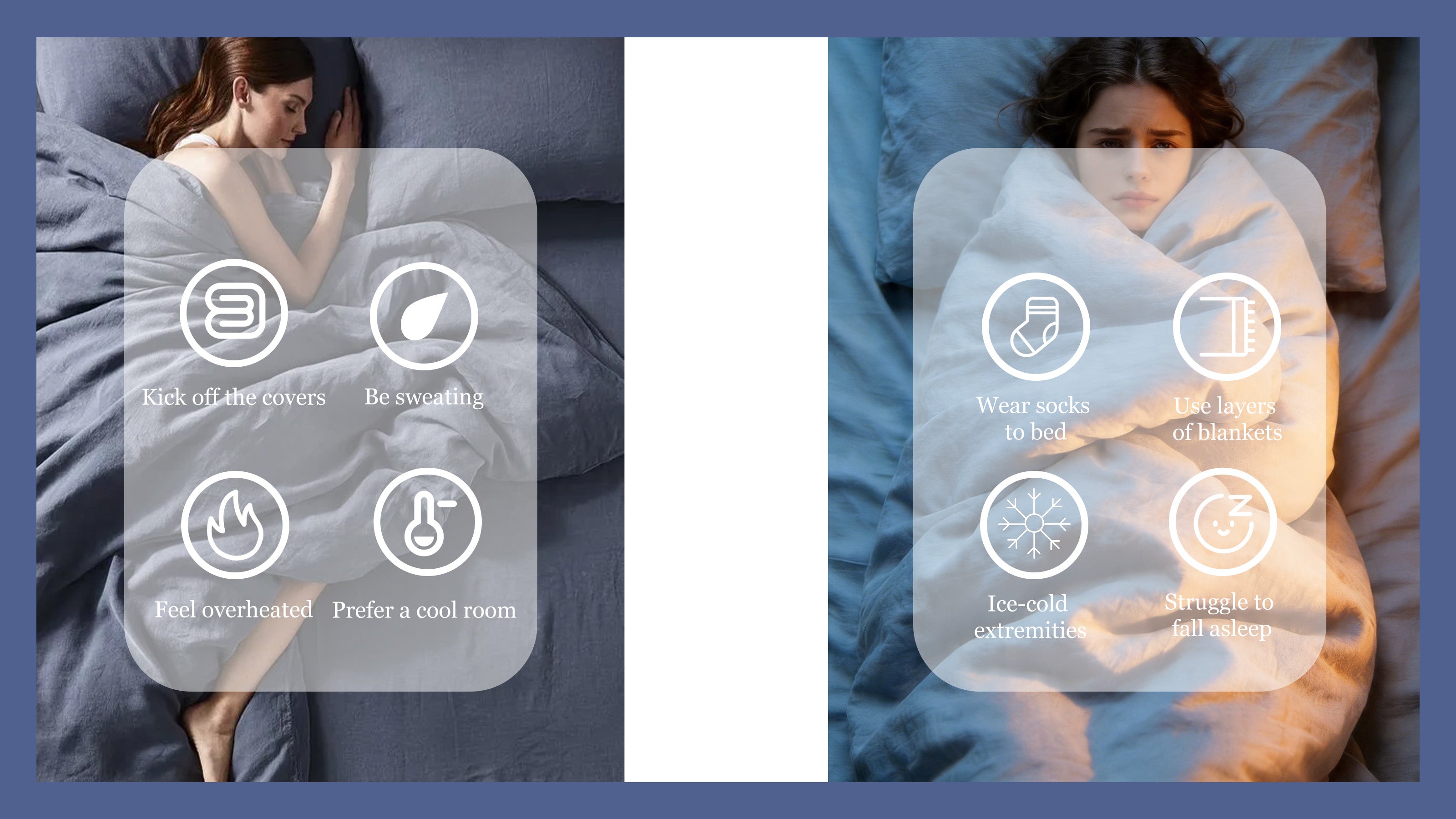
Your personal sleeping habits should dictate your sheet choice more than any number on a label. Tailor your purchase to your specific temperature needs.
Advice for Hot Sleepers
Choose percale weave with 200 to 300 thread count for maximum airflow. Stick to 100% long-staple cotton or linen materials. Avoid sateen and high counts that trap heat.
Advice for Cold Sleepers
Select sateen weave with 400 to 600 thread count for warmth. Pima or Egyptian cotton works best here. Consider flannel options during the coldest winter months.
Frequently Asked Questions About Bed Sheets Thread Count
Is 1000 thread count actually better than 400?
No, 1000 thread count sheets are often made with multi-ply tricks that reduce quality. A 400 thread count sheet made from single-ply long-staple cotton will feel softer and last longer.
What is the ideal thread count for hot sleepers?
Hot sleepers should choose percale weave with a thread count between 200 and 300. This range provides the most breathability and keeps you cool all night.
Does thread count matter for linen sheets?
Thread count is not the best metric for linen which is better judged by GSM weight. Linen naturally has a lower thread count between 50 and 140 but remains high quality.
Why do some high thread count sheets pill easily?
Pilling often occurs in high count sheets made from short inferior fibers twisted into multi-ply yarns. Long-staple single-ply cotton resists pilling regardless of the thread count number.
How can I tell if a sheet is single-ply?
Check the product label or description for the words “single-ply” explicitly. If the brand does not mention ply and the count is over 600 it is likely multi-ply.
Key Takeaways for Buying Bed Sheets
Bed sheets thread count explained shows that the number on the package is just one part of the story. Fiber quality weave type and construction method matter far more than a high density count. A 300 thread count sheet with long-staple cotton outperforms a 1000 count sheet made with cheap tricks.
Focus on finding single-ply long-staple cotton in the 300 to 500 range for the best all-around experience. Ignore inflated numbers above 800 as they rarely offer real benefits. Check your labels for specific fiber origins and weave types before you buy.
Your next step is to check the tags on your current sheets. See if they list fiber type and ply information so you can compare them against these standards.