
You slip into bed expecting soft sheets but feel rough bumps where tiny fabric balls cling to the surface. Pilling signals your bedding is breaking down due to friction and fiber weakness.
This issue happens when loose fibers tangle into knots from repeated stress during sleep or washing. You will learn exactly why do bed sheets pill and how to stop it before it ruins your linens.
Friction Breaks Fibers Over Time
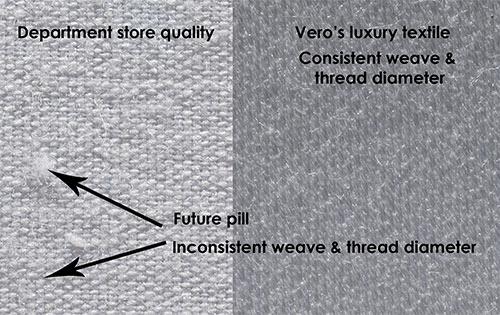
Friction acts as the primary catalyst for pilling by pulling fibers loose from the yarn structure. Every movement you make while sleeping rubs your body against the fabric surface.
Feet and Mattress Rubbing Causes Wear
Your feet generate the most friction during the night as they slide across the bottom sheet. This constant rubbing creates micro-tears in the fabric that lead to tangling. Fitted sheets face double stress because they rub against both your body and the mattress surface.
Washing Machines Add Mechanical Stress
Laundry cycles worsen pilling when sheets tumble and rub against each other inside the drum. Overloading the machine increases this friction and accelerates fiber breakdown significantly.
- Avoid washing sheets with rough items like towels or jeans.
- These heavier items increase abrasion and damage delicate fibers.
- Even new sheets can pill after just one aggressive wash cycle.
Low-Quality Fibers Tangle Easily

Not all sheets pill at the same rate because fiber length plays a critical role in durability. The type of material used during manufacturing determines how quickly your bedding will degrade.
Short-Staple Cotton Breaks Fast
Sheets made from short-staple cotton have many exposed fiber ends that fray easily. These loose ends tangle into pills quickly even if the thread count appears high. Budget brands often use this lower-grade cotton to keep costs down.
Long-Staple Cotton Resists Pilling
Egyptian and Pima cotton varieties use longer fibers that are stronger and less likely to break. These premium materials produce smoother sheets that resist pilling for years instead of months.
Pro Tip: Look for “long-staple” or “combed” cotton on the label to ensure shorter fibers were removed.
Heat and Moisture Weaken Fabric
Body heat and sweat do more than make sheets damp because they actively degrade fibers over time. This environmental stress weakens the structural integrity of your bedding.
Nighttime Sweat Softens Fibers
Your body releases moisture while sleeping especially around the feet and torso area. Cotton absorbs this moisture which causes fibers to swell and weaken significantly. Repeated wet-dry cycles make the fabric much more prone to fraying and pilling.
Hot Water Damages in Laundry
Washing sheets in hot water causes fibers to expand rapidly then contract when cooled. This thermal shock weakens the material and leads to surface fuzz over time.
- Always wash sheets in cold or lukewarm water.
- This practice preserves fiber strength and prevents rapid breakdown.
- Cold water reduces the risk of thermal shock damage.
Poor Washing Habits Speed Up Damage
How you clean your sheets matters just as much as the fabric quality itself. Incorrect laundry habits can accelerate the pilling process dramatically.
Fabric Softeners Coat and Degrade Fibers
Many people use fabric softeners to keep sheets soft but these chemicals cause long-term damage. They leave a waxy coating that breaks down cellulose in cotton and makes fibers brittle.
Bleach Weakens Natural Fibers
Chlorine bleach strips color and weakens fibers especially in cotton and bamboo materials. Even oxygen-based bleaches can accelerate wear if used excessively on your linens.
Do This Instead: Use gentle eco-friendly detergents and skip the softener entirely to protect fibers.
Overloading Increases Friction
Stuffed washing machines trap sheets in tight spaces and force them to rub harder against each other. This mechanical stress pulls fibers loose and speeds up the pilling process significantly.
Best Practice: Wash sheets in small loads or alone using a gentle cycle with minimal agitation.
Certain Fabrics Pill More Than Others
Some materials are simply more prone to pilling due to their specific structure and fiber composition. Understanding these differences helps you choose better bedding.
Cotton Sateen Pills Faster Than Percale
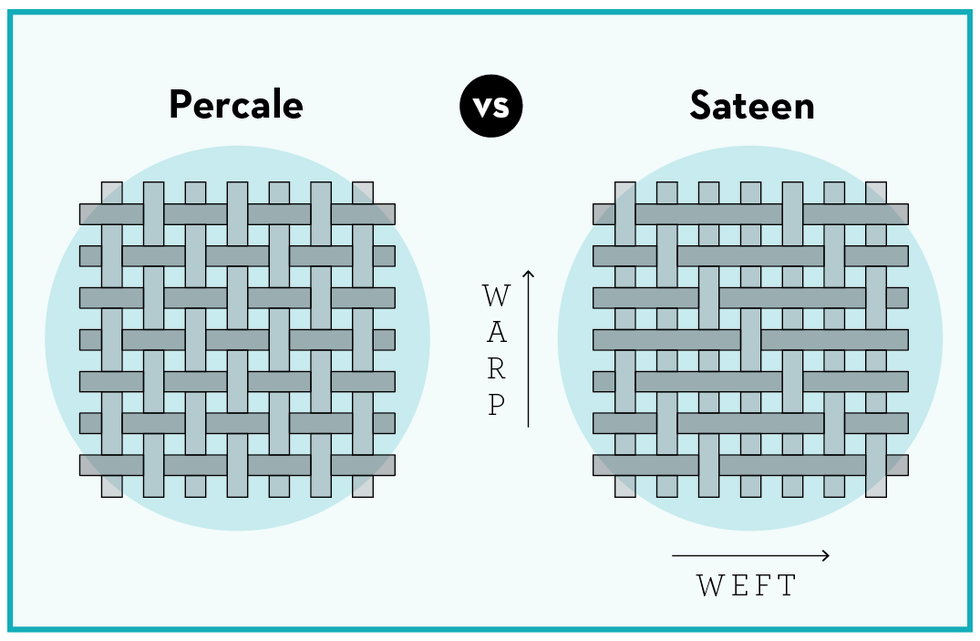
While both are cotton their weaves behave very differently under stress and friction. Percale features a tight weave that resists pilling better than other options.
- Percale: Tight one-over-one-under weave resists pilling effectively.
- Sateen: Four-over-one weave creates silky surfaces but exposes long yarn floats.
- Result: Sateen yarns snag and pill easily compared to percale.
Bamboo and Rayon Blends Degrade Quickly
Bamboo sheets are marketed as soft yet most are actually rayon from bamboo which is semi-synthetic. It starts smooth but loses integrity after a few washes and becomes thin.
Microfiber Snags and Statics
Microfiber consists of ultra-fine polyester threads that generate static in the dryer. This static increases fiber friction while the fine strands snag easily leading to rapid pilling.
Warning: Cheap microfiber sheets often look worn out within three to six months of use.
Terry and Plush Fabrics Are High-Risk
Terry cloth and plush bedding have looped surfaces with many loose fiber ends ready to tangle. These loops break easily and form pills especially in high-friction areas.
Best For: Towels rather than everyday sheets due to high pilling risk.
Fitted Sheets Pill First—Here’s Why
It is common for pilling to appear on fitted sheets before flat ones even without washing. This happens due to specific design stress factors inherent in their construction.
Elastic Corners Create Stress Points
The elastic in fitted sheets constantly stretches and contracts during normal use. This repeated tension pulls fibers apart at the seams and corners which are prime locations for pilling.
Storage Compression Damages Fibers
Fitted sheets are often folded tightly or stored under pressure in linen closets. This compression can cause internal friction and fiber breakage before the sheet is even used.
Prevent It: Store sheets loosely or roll them instead of folding to reduce stress.
Manufacturing Flaws Start Pilling Early
Sometimes pilling begins right out of the package and it is not your fault at all. Production issues can create conditions ripe for immediate fiber tangling.
Loose Weaving Allows Fiber Movement
Poorly constructed sheets have gaps in the weave that let fibers shift and tangle easily. Even high-thread-count sheets can be loosely woven if made with low-quality yarn.
Poor Finishing Leaves Loose Ends
During production fabrics are brushed to soften them but improper finishing leaves excess fibers. These loose surface fibers are ready to form pills with the very first use.
Sign of Quality: Wash new sheets immediately in cold water to remove loose fibers before they tangle.
How to Stop Pilling Before It Starts
Prevention is the best defense against pilling so follow these steps to extend sheet life. Proper care routines can significantly delay the onset of fiber tangling.
Wash in Cold Water on Gentle Cycle
Use cold water and a delicate setting to reduce thermal and mechanical stress on fibers. This approach minimizes the damage caused by agitation and temperature changes.
Detergent Tip: Use half the recommended amount to avoid residue buildup on fibers.
Air Dry Whenever Possible
Line drying eliminates dryer heat and tumbling friction completely for better results. If using a dryer choose low or medium heat and remove sheets while slightly damp.
Pro Move: Throw in wool dryer balls to reduce static and soften sheets naturally.
Rotate Your Sheet Sets
Use two or three sets of sheets and rotate them weekly to spread out wear. This gives each set time to rest between uses and reduces concentrated friction.
Bonus: Rotation helps detect early pilling so you can adjust care routines quickly.
Remove Existing Pills Safely
Once pilling appears you can clean it up but you must proceed carefully to avoid damage. Proper removal techniques restore smoothness without harming the base fabric.
Use a Fabric Shaver for Fast Results
An electric fabric shaver gently cuts off pills without damaging the underlying fabric structure. Move the device in one direction for the best and safest results.
Avoid: Pressing too hard or going over the same spot repeatedly to prevent tears.
Try a Dull Razor or Lint Roller
A clean dull razor works like a shaver when you glide it lightly over the surface. A lint roller picks up loose pills quickly for minor surface issues.
For Precision: Use small scissors to snip individual pills which is ideal for delicate fabrics.
Choose Anti-Pill Sheets That Last

Invest in quality materials to avoid replacing your sheets every single year. Smart purchasing decisions prevent future pilling problems effectively.
Pick Long-Staple Cotton or Linen
Egyptian or Pima cotton offers strength and softness while resisting fiber breakage. Linen naturally resists pilling and gets softer with each wash cycle.
Weave Choice: Opt for percale over sateen for better durability and longevity.
Consider Performance-Engineered Fabrics
Some brands use advanced fibers designed to resist pilling and wick moisture effectively. These often outperform natural fibers in long-term smoothness and durability.
Look For: Labels like “anti-pill” or “stay-smooth” to ensure quality construction.
Skip Low-Grade Blends
Avoid sheets with high polyester content or vague fiber descriptions like soft fabric blend. These often pill quickly and feel synthetic against your skin.
Red Flag: “Luxury” bamboo or silk blends at very low prices likely indicate poor quality.
Frequently Asked Questions About Bed Sheet Pilling
Why do my new sheets pill immediately after washing?
New sheets often pill because manufacturing leaves loose fibers on the surface that tangle quickly. Washing them immediately in cold water removes these loose ends before they form balls.
Does high thread count prevent pilling completely?
No because high thread count sheets can still pill if made from short or low-quality fibers. Fiber length and weave quality matter more than thread count alone for durability.
Can I fix pilled sheets without buying new ones?
Yes you can use a fabric shaver or dull razor to remove existing pills safely. However this is a temporary fix if the underlying fiber quality is poor.
Which fabric resists pilling the best for everyday use?
Long-staple cotton percale and linen resist pilling better than sateen or synthetic blends. These materials feature tight weaves and strong fibers that withstand friction well.
Does using fabric softener make sheets pill faster?
Yes fabric softeners leave a waxy coating that degrades natural fibers and makes them brittle. This weakness accelerates the pilling process over time significantly.
Key Takeaways for Preventing Bed Sheet Pilling
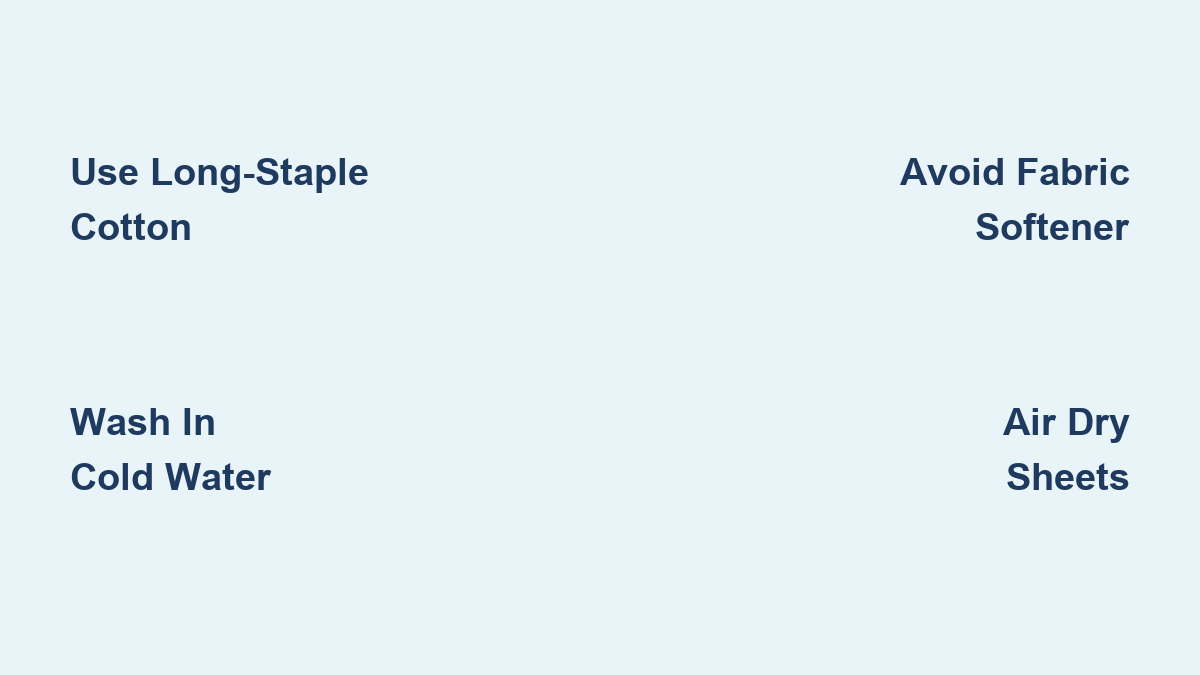
Pilling happens when friction heat and poor fiber quality cause loose threads to tangle into balls. You can prevent this by choosing long-staple cotton washing in cold water and avoiding fabric softeners.
Select percale weaves over sateen and air dry your linens to extend their smooth life. Remove existing pills gently with a fabric shaver and replace sheets that show widespread thinning.