
You might not think much about your bedding until you slide between crisp, clean sheets and instantly feel your stress melt away. This reaction is no accident because high-quality bed sheets play a massive role in your sleep quality, skin health, and overall well-being.
From regulating your body temperature to shielding your skin from irritants, the right fabric does far more than just cover your mattress. This guide explores the specific benefits of bed sheets backed by science to help you choose the best materials for a restful night.
Regulate Body Temperature Through Breathable Fabrics
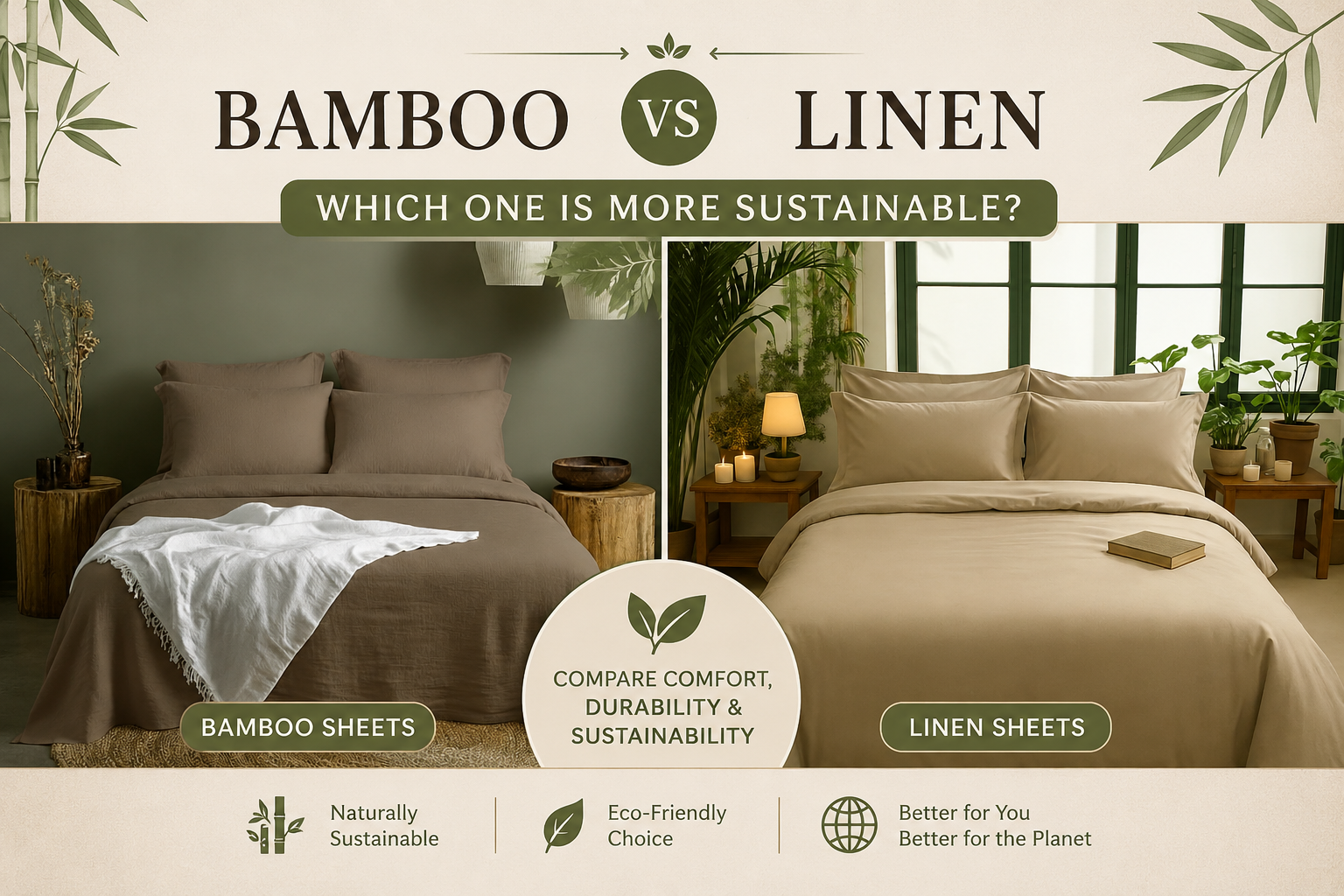
Your body must cool down slightly to initiate and maintain deep, restorative sleep cycles. Bed sheets made from naturally porous materials actively support this process by allowing air to circulate freely around your body.
How Cotton, Bamboo, and Linen Control Heat
Materials like cotton, bamboo, and linen possess inherent breathability that facilitates essential airflow.
* Cotton allows air to move through the fibers, preventing heat buildup.
* Bamboo wicks moisture away from the skin up to 40% more efficiently than standard cotton.
* Linen adjusts to ambient temperatures, feeling cool in summer and warm in winter.
These properties help stabilize your core temperature throughout the night. You stay dry and comfortable rather than waking up sweaty or chilled.
Prevent Sleep Disruption from Overheating
When bedding traps heat, your body struggles to regulate its temperature, leading to restless sleep. Even minor thermal discomfort can fragment your sleep cycles, especially during crucial REM stages.
By selecting sheets designed for breathability, you create a microclimate that supports uninterrupted rest. This stability is critical for memory consolidation, hormone regulation, and proper immune function.
Protect Skin Health and Prevent Acne Breakouts
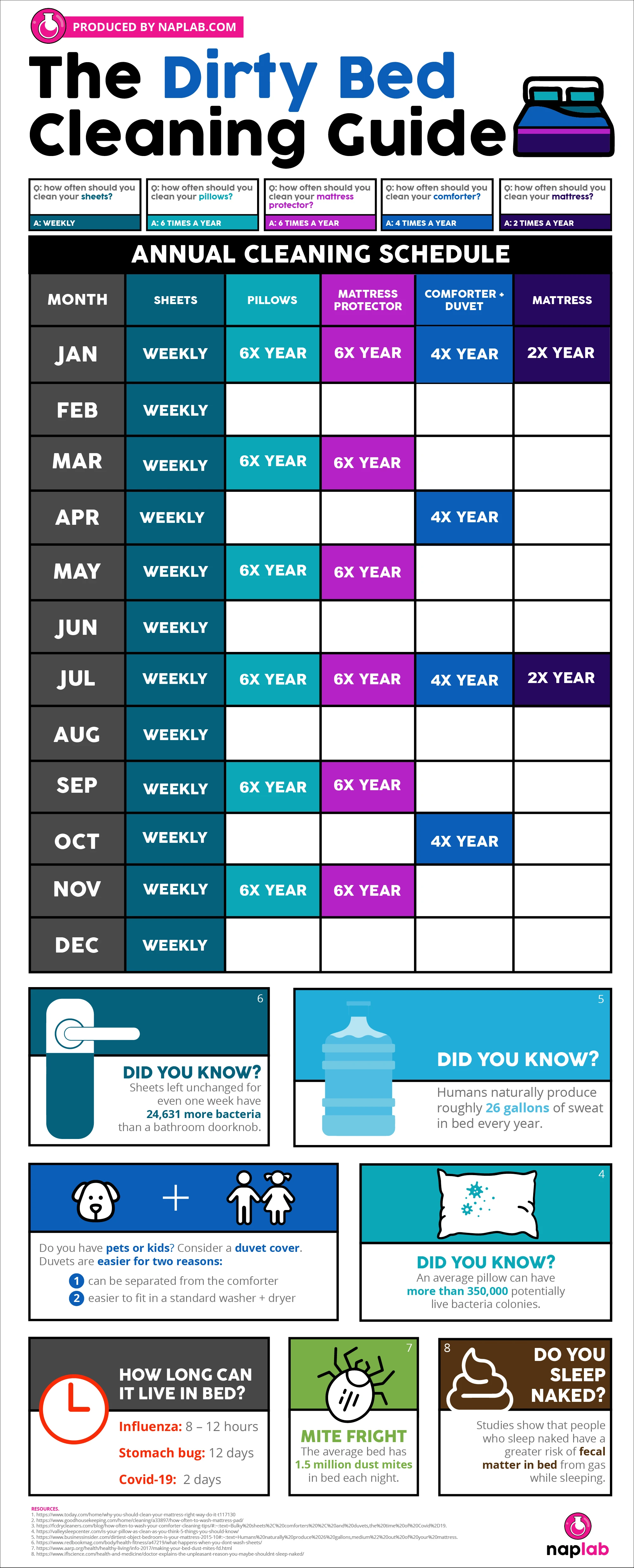
Your face spends roughly eight hours a night in direct contact with your pillowcase and sheets. If these fabrics are dirty or made from harsh materials, they become breeding grounds for bacteria and allergens.
Stop Bacteria Transfer That Causes Acne
Dead skin cells, natural oils, and sweat accumulate on unwashed sheets within just a few days. The bacteria linked to acne thrives in this environment.
When you sleep on dirty linens, these microbes transfer back to your pores, increasing inflammation and clogging follicles. Changing your bed sheets every 7 to 10 days significantly reduces this bacterial load and lowers your risk of facial breakouts.
Soothe Sensitive Skin with Hypoallergenic Materials
For people with eczema or sensitive skin, fabric choice matters immensely. Conventional synthetic blends may contain chemical finishes that irritate the skin.
In contrast, organic cotton and bamboo viscose are naturally hypoallergenic and softer. Their smooth fibers minimize friction-related micro-tears while wicking moisture, which is key for preventing flare-ups in reactive skin types.
Extend Mattress Lifespan and Prevent Damage
A high-quality mattress represents a significant financial investment, yet it degrades quickly without proper protection. Bed sheets act as the first line of defense against stains, odors, and structural damage.
Block Stains and Spills Before They Set
Accidental spills, sweat, and bodily fluids can seep into mattress padding if left unchecked. This causes permanent discoloration and lingering odors.
Sheets absorb these liquids first, giving you time to launder them before any damage occurs. Even small amounts of moisture can promote mold and mildew growth deep within foam layers, which is nearly impossible to clean once established.
Preserve Support and Hygiene Over Time
Over months, oils and dead skin penetrate unprotected mattresses, breaking down foam and reducing support. Dust mites feed on this organic debris and multiply rapidly in warm environments.
By using sheets as a removable barrier, you prevent contamination at the source. Regular washing keeps the surface hygienic and maintains the mattress’s structural integrity, extending its usable lifespan by years.
Enhance Sleep Quality by Reducing Friction
The sensation of your skin dragging against rough surfaces can subtly disrupt your rest. High-thread-count cotton or silk sheets reduce friction, allowing smoother repositioning without triggering micro-arousals.
Minimize Sleep Interruptions from Movement
Even light physical resistance can activate sensory neurons that partially wake the brain. Low-friction sheets enable effortless shifting, which is especially beneficial for side sleepers or those with joint pain.
Satin-weave cotton and silk offer the smoothest glide. This reduces the need to consciously adjust your position, leading to longer periods of uninterrupted deep sleep.
Prevent Skin and Hair Damage Overnight
Coarse synthetic sheets create friction that tangles hair and pulls at delicate facial skin. Silk and sateen weaves reduce this effect significantly.
For curly or textured hair, reduced friction means less breakage and frizz upon waking. These smooth fabrics also help prevent sleep creases on your face.
Strengthen Defense Against Allergens and Dust Mites

Allergens accumulate fast in bedding. Dust mites, their droppings, and mold spores are common triggers for asthma and chronic sinus issues. Properly maintained bed sheets disrupt this cycle.
Disrupt Dust Mite Habitats with Regular Washing
Dust mites feed on shed skin cells and thrive in warm, humid environments like your bed. A single mattress can host millions of mites within weeks.
Washing sheets weekly in hot water kills mites and removes their food source. Hypoallergenic fabrics like tightly woven bamboo also limit mite penetration, offering an added layer of protection.
Reduce Exposure to Respiratory Irritants
Inhalation of allergens during sleep can lead to nasal congestion and poor oxygenation. This disrupts your sleep architecture and leaves you feeling groggy.
Clean sheets reduce airborne particulates, improving breathing and reducing nighttime symptoms. For allergy sufferers, pairing hypoallergenic sheets with a weekly wash routine can significantly improve morning alertness.
Boost Mental Relaxation Through Bedroom Aesthetics

Your bedroom environment signals whether it is time to be alert or rest. Bed sheets influence both sight and touch, shaping your psychological readiness for sleep.
Create a Calming Visual Environment
Color psychology shows that soft, neutral tones promote relaxation by lowering heart rate and cortisol levels. A neatly made bed with coordinated sheets sends a subconscious message of order and safety.
In contrast, mismatched or wrinkled bedding can create visual clutter. This subconsciously increases stress and makes it harder to wind down effectively.
Reinforce Sleep Cues Through Tactile Comfort
The feel of crisp, smooth sheets under your hands activates sensory pathways associated with cleanliness. This tactile feedback strengthens the mental association between your bed and rest.
Updating sheets seasonally reinforces these cues. Lighter linen in summer and flannel in winter help your body adapt to changing sleep needs.
Save Money with Smart Maintenance Habits
While sheets are inexpensive compared to mattresses, their long-term value lies in protection and efficiency. A smart rotation system maximizes hygiene, durability, and cost savings.
Use Multiple Sets to Maintain Freshness
Owning 2 to 3 sets of sheets allows for continuous rotation. You can keep one on the bed, one in the wash, and one aired out.
This ensures you never skip a change due to laundry backlog. Rotating sheets also extends fabric life by reducing wash frequency per set and allowing fibers to recover between uses.
Replace Sheets Easily Instead of Deep-Cleaning Mattresses
Unlike mattresses, which require professional cleaning, sheets are fully replaceable at low cost. Worn or discolored sheets can be swapped out instantly.
This ease of replacement makes sheets a high-return investment. They protect your largest bedding expense while adapting to changing style or health needs.
Frequently Asked Questions About Bed Sheet Benefits
How often should I change my bed sheets for maximum health benefits?
You should wash your bed sheets every 1 to 2 weeks. This frequency prevents the accumulation of bacteria, dust mites, and irritants that cause acne and allergic reactions.
Which bed sheet material is best for hot sleepers?
Bamboo and linen are excellent choices for hot sleepers. Bamboo wicks moisture efficiently, while linen adjusts to ambient temperatures to keep you cool in summer.
Can bed sheets really help prevent acne?
Yes, clean sheets prevent bacteria and oil buildup from transferring back to your skin. Changing them regularly reduces the risk of clogged pores and inflammation.
Do hypoallergenic sheets actually reduce allergy symptoms?
Hypoallergenic materials like organic cotton and bamboo are less likely to trigger reactions. They reduce exposure to irritants and create a safer environment for those with sensitivities.
How do bed sheets protect my mattress investment?
Sheets act as a barrier against sweat, spills, and dead skin cells. This prevents stains and structural degradation, extending the usable life of your mattress significantly.
What is the best way to maintain bed sheet hygiene?
Wash sheets in hot water weekly to kill dust mites. Own multiple sets to allow for rotation and airing out, ensuring a fresh surface is always available.
Key Takeaways for Maximizing Bed Sheet Benefits

The benefits of bed sheets extend far beyond simple aesthetics or basic coverage. They regulate your body temperature, protect your skin from bacteria, defend against allergens, and preserve the structural integrity of your mattress.
Choosing breathable, hypoallergenic materials and washing them every 7 to 10 days unlocks maximum health and comfort. By treating your sheets as a functional tool rather than just decor, you invest in better sleep and long-term savings.
Start today by switching to organic cotton or bamboo and committing to a weekly washing routine. You will feel the difference in your sleep quality and skin health faster than you might expect.