
Selecting the right bedding often feels confusing with so many different types of bed sheets available today. Your sleep quality depends heavily on choosing materials that match your specific body temperature and skin sensitivity needs.
This guide explains every major fabric and weave to help you find your ideal match. You will learn how to distinguish between cotton varieties, understand weave patterns, and select sheets that improve your nightly rest.
Identify Your Specific Sleep Requirements
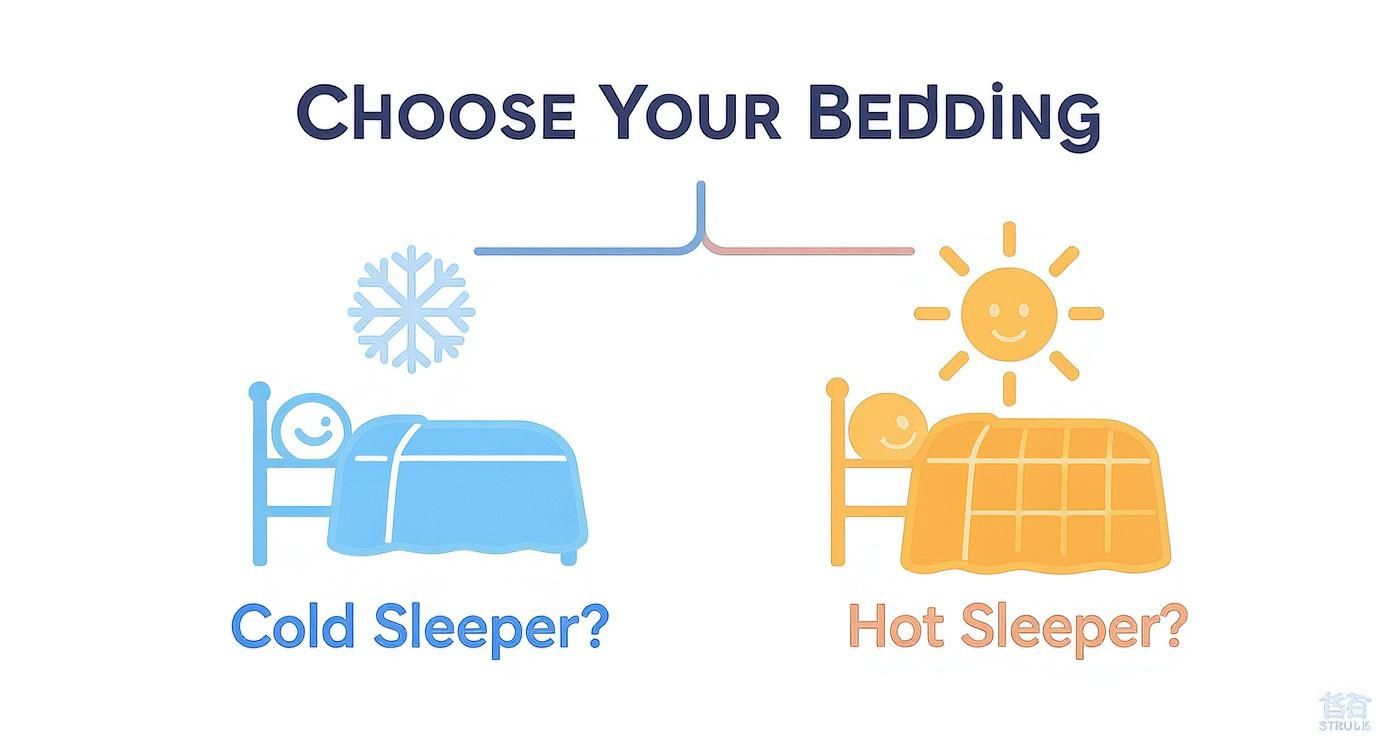
You must understand your personal sleep habits before shopping for new linens. The different types of bed sheets perform differently based on whether you overheat or feel cold at night.
Do You Sleep Hot or Cold?
Hot sleepers need breathable fabrics that wick moisture away from the body quickly. Cold sleepers benefit from heavier weaves that trap body heat effectively throughout the night.
Is Your Skin Sensitive?
People with allergies or sensitive skin should seek hypoallergenic and natural fibers. Synthetic materials sometimes cause irritation or trap allergens against your skin surface.
How Much Care Do You Want?
Some fabrics require gentle cycles and air drying to maintain their quality over time. Others offer wrinkle resistance and machine-washable convenience for busy households.
Explore Cotton Sheet Varieties in Detail
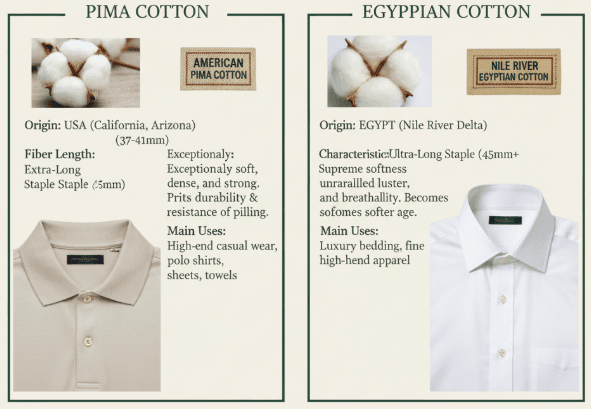
Cotton remains the most popular choice among the different types of bed sheets due to its durability and breathability. Not all cotton is equal, as fiber length determines softness and longevity significantly.
Egyptian Cotton Characteristics
This premium cotton features extra-long staples that create a silky and strong fabric. It offers superior breathability for hot sleepers who want a lightweight and cooling feel.
Pima Cotton Benefits
Pima cotton provides a high-end feel similar to Egyptian cotton but at a more affordable price point. It resists pilling better than standard cotton and delivers excellent durability for daily use.
Upland Cotton Features
Upland cotton makes up most global production and serves as a budget-friendly option for many buyers. Its shorter fibers result in a rougher texture that may wear out faster than premium varieties.
Understand Weave Patterns That Change Feel

The weave structure dictates how fabric drapes over your body and breathes during sleep. Two primary weaves dominate the market for the different types of bed sheets you can buy.
Percale Weave Properties
Percale uses a one-over-one-under pattern to create a crisp and matte finish. This lightweight weave stays cool and feels refreshing, making it perfect for warm climates.
Sateen Weave Properties
Sateen follows a four-over-one-under pattern to produce a smooth and lustrous surface. These sheets feel warmer and softer but may trap more heat than percale options.
Discover Linen Options for Natural Comfort
Linen comes from flax plant fibers and offers exceptional temperature regulation year-round. It stands out among different types of bed sheets for its ability to keep you cool in summer and warm in winter.
Why Choose Linen Fabric?
- Highly breathable structure ideal for hot sleepers
- Becomes softer with every single wash cycle
- Eco-friendly material that lasts for many years
- Naturally textured look adds organic style
Linen Care Considerations
Linen wrinkles easily as part of its natural charm and relaxed aesthetic. You should expect a higher upfront cost compared to cotton, though the longevity justifies the investment.
Evaluate Bamboo Sheets for Sustainability
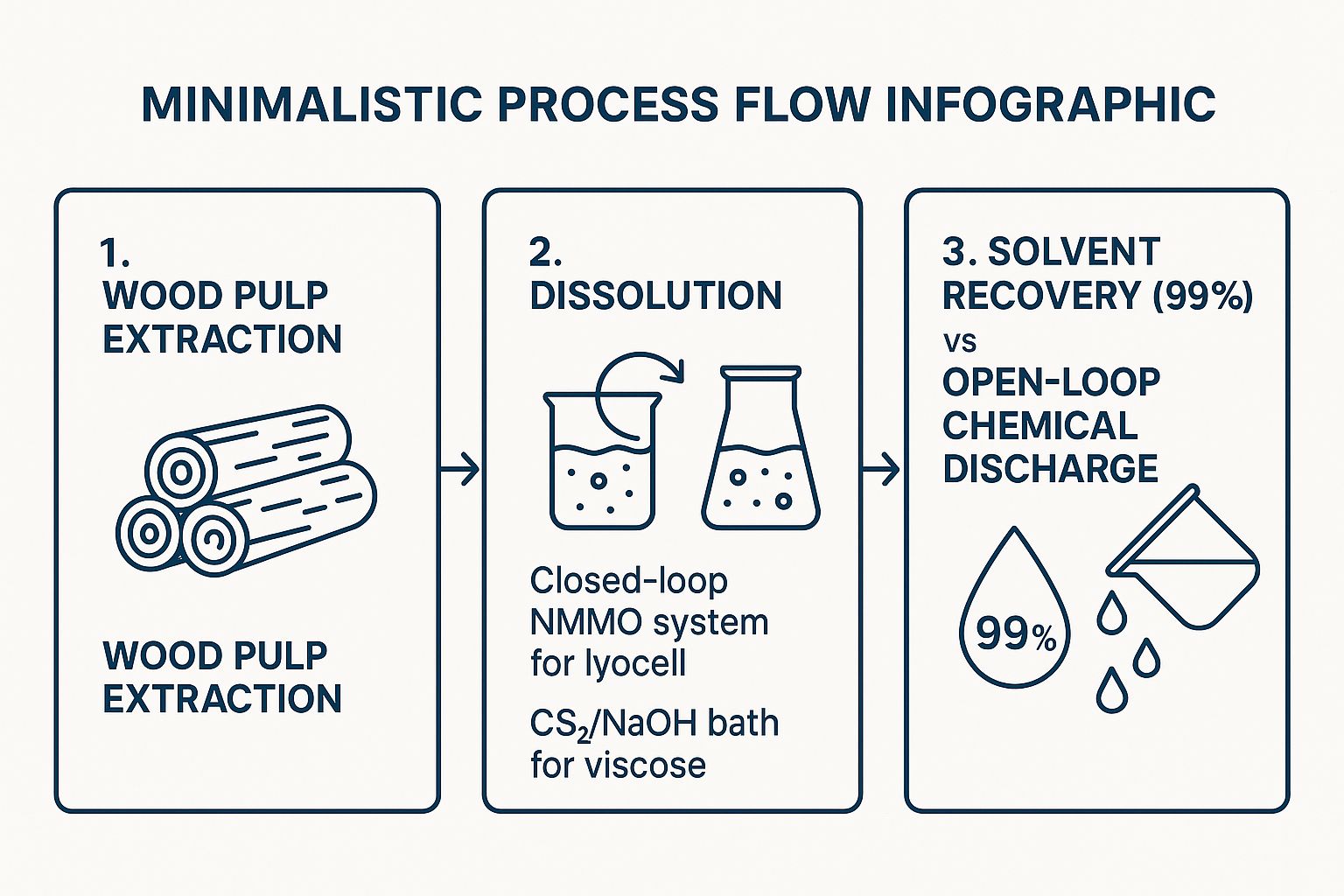
Bamboo sheets derive from viscose or lyocell processed from bamboo pulp. They rank highly among different types of bed sheets for being incredibly soft and eco-friendly.
Benefits of Bamboo Fabric
- Silky texture feels like a mix of silk and cotton
- Naturally antibacterial properties resist odors and allergens
- Breathable design wicks moisture to keep you dry
- Sustainable sourcing uses minimal water during growth
Environmental Processing Notes
Viscose production can impact the environment if not managed carefully by manufacturers. Look for lyocell-based bamboo options like TENCEL™ for a greener and more sustainable choice.
Consider Microfiber for Budget Needs
Microfiber sheets use ultra-fine synthetic fibers like polyester to create affordable bedding. They are durable and easy to care for, making them popular for families or guest rooms.
Pros and Cons of Microfiber
- Low cost makes them one of the most affordable options
- Resistant to stains and wrinkles for heavy daily use
- Less breathable nature can trap heat and moisture
- Prone to static buildup and pilling over extended time
Select Flannel for Cold Weather Warmth
Flannel sheets feature a brushed surface that creates a soft and fuzzy texture. They are designed specifically for warmth, making them ideal for winter months or cold sleepers.
Who Should Use Flannel?
- Cold sleepers who need extra insulation at night
- Winter-only users seeking seasonal comfort and coziness
- Individuals who love a plush and warm sleeping surface
Flannel Limitations
These sheets are less breathable and not suitable for year-round use in warm areas. High-quality flannel resists pilling, while cheaper versions may shed fibers quickly.
Analyze Satin Sheets for Smoothness
Satin refers to a specific weave pattern rather than a single fiber type. You can find satin made from silk, polyester, or cotton, all sharing a glossy and slippery surface.
Silk Versus Polyester Satin
Silk satin regulates temperature naturally and is gentle on hair and skin. Polyester satin is affordable and shiny but lacks breathability and can feel plasticky.
Best Uses for Satin
Satin sheets help reduce hair frizz and prevent facial creases while you sleep. They work best for cool to neutral sleepers who want a smooth and luxurious feel.
Review TENCEL™ as an Eco-Luxury Choice

TENCEL™ is a brand of lyocell made from sustainably sourced eucalyptus pulp. It offers a silky texture and breathability that rivals the best different types of bed sheets on the market.
Why TENCEL™ Stands Out
- Moisture-wicking ability draws sweat away from your body
- Temperature-regulating properties adapt to seasonal changes
- Hypoallergenic and soft for sensitive skin types
- Biodegradable production has low environmental impact
Try Jersey Sheets for T-Shirt Comfort
Jersey sheets use a knit construction rather than a woven one, giving them stretch. They feel similar to a soft cotton t-shirt and are great for casual comfort seekers.
Who Loves Jersey Sheets?
- Parents and kids who need easy-care and cozy bedding
- People who hate ironing since they rarely wrinkle
- Fans of relaxed comfort who prefer soft over crisp textures
Jersey Durability Notes
These sheets are breathable but may pill or lose shape after frequent washing. They offer less cooling power than percale but excel in softness and ease of care.
Decode Thread Count Marketing Claims

Thread count measures the number of threads per square inch of fabric. Many shoppers mistakenly believe higher numbers always mean better quality among different types of bed sheets.
What Thread Count Really Means
- 200 to 400 is the ideal range for most cotton sheets
- 400 to 600 offers softness without unnecessary inflation
- Over 800 often indicates multi-ply threads rather than quality
Quality Factors Beyond Count
Weave pattern and fiber quality matter far more than thread count alone. A 300-thread-count Egyptian cotton percale can feel superior to an 800-thread-count synthetic set.
Ensure Proper Size and Fit for Mattress
Even the best sheets fail if they do not fit your mattress depth correctly. Always check pocket depth and elastic quality before purchasing any new set.
Key Fitting Details to Check
- Measure mattress depth especially for pillow-top models
- Look for deep or extra-deep pockets if needed
- Ensure elastic goes all around for a snug and secure fit
Follow Care Tips for Longevity
Proper washing and drying extend the life and feel of your investment. Different fabrics require specific care routines to maintain their best qualities.
General Care Guidelines
- Wash in cold water to prevent shrinking and color fading
- Use mild detergent and avoid bleach or fabric softeners
- Dry on low heat or air dry to preserve fiber integrity
- Rotate multiple sets to reduce wear and tear over time
Frequently Asked Questions About Bed Sheets
Which sheet type is best for hot sleepers?
Percale cotton, linen, and TENCEL™ are the best choices for hot sleepers. These fabrics offer superior breathability and moisture-wicking properties to keep you cool.
Do higher thread counts always mean better sheets?
No, high thread counts often use marketing tricks rather than offering real quality improvements. Fiber type and weave pattern matter more than the thread count number alone.
How often should I replace my bed sheets?
You should replace sheets when they show signs of thinning, pilling, or permanent stains. Most quality sheets last two to three years with proper care and rotation.
Are bamboo sheets actually made from bamboo?
Yes, but they undergo chemical processing to turn bamboo pulp into viscose or lyocell fibers. Look for lyocell processes if you want a more environmentally friendly option.
Can I mix and match different sheet types?
Yes, mixing types by season helps you stay comfortable year-round. You might use flannel in winter and linen or percale in summer for optimal comfort.
Key Takeaways for Choosing Different Types of Bed Sheets
Selecting the right bedding requires matching fabric and weave to your personal sleep needs. Focus on breathability if you sleep hot or choose warmer weaves if you feel cold often.
Understanding the different types of bed sheets helps you avoid costly mistakes and buyer remorse. Start by identifying your priority, whether it is cooling, softness, or durability, then choose a fabric that fits.
Take action today by checking your current sheets against these guidelines. Replace worn-out sets with materials that support your specific sleep style for better rest tonight.