

Your sleep quality often depends on the specific types of bed sheets fabric you choose for your bedroom. From crisp cotton percale to silky sateen, the wrong material can leave you overheating or feeling itchy all night.
This guide breaks down every major weave, fiber, and certification you need to know before buying. You will learn how to match your sleep style with the perfect fabric for cooler nights and lasting comfort.
Comparing Cotton Weave Structures

Cotton remains the most popular choice for bedding, yet the weave defines the actual feel. Understanding the difference between percale, sateen, and twill helps you avoid buyer’s remorse.
Percale Weave Characteristics
Percale uses a simple one-over-one-under pattern that creates a tight, breathable surface.
- Feel: Crisp, cool, and lightweight like a luxury hotel sheet.
- Best for: Hot sleepers and warm climates needing airflow.
- Thread count: Typically ranges from 200 to 400 for optimal performance.
- Durability: Becomes softer with washing while resisting pills.
This weave is ideal if you want a fresh, airy sensation year-round without trapping heat.
Sateen Weave Advantages
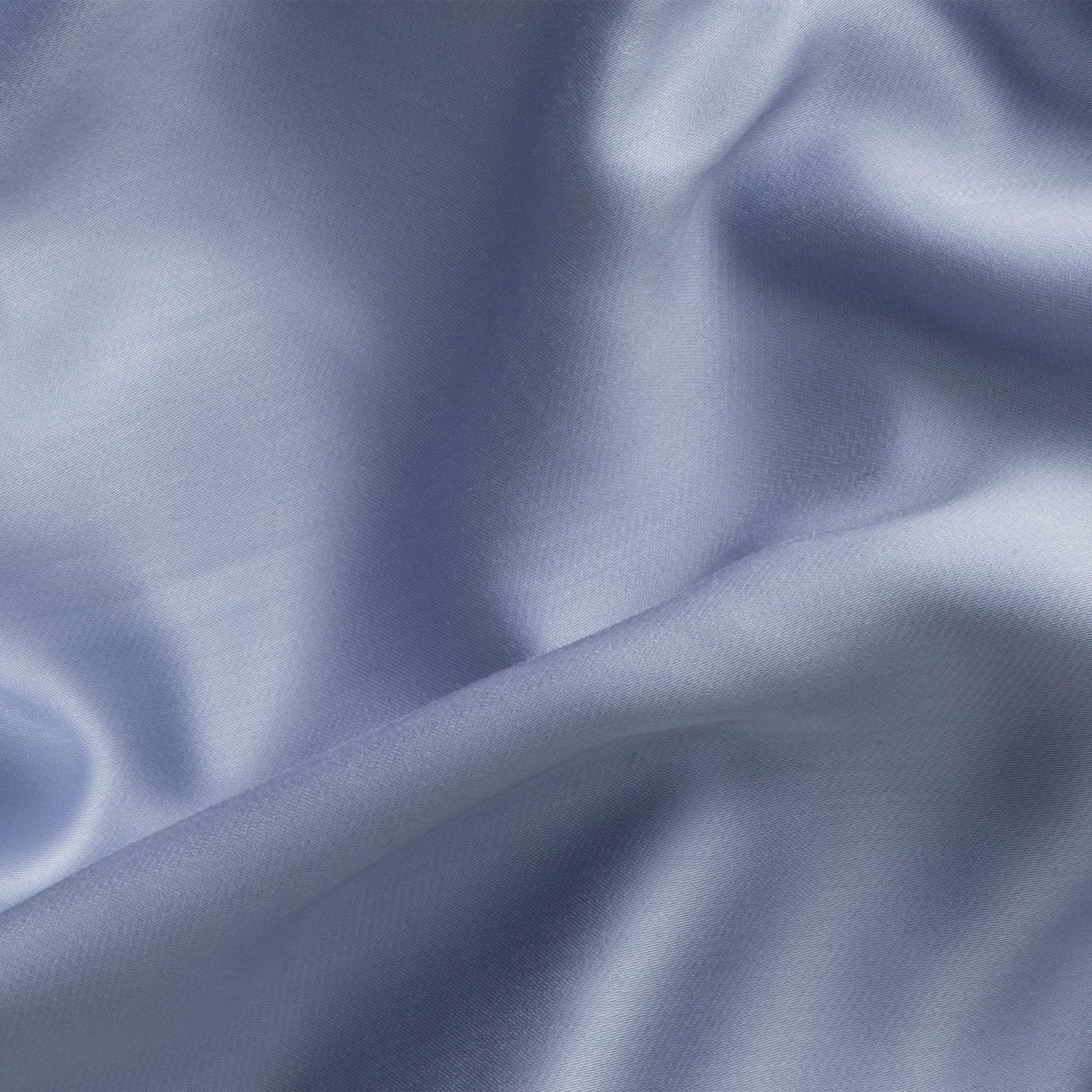
Sateen employs a four-over-one weave to produce a smooth, lustrous finish similar to silk.
- Feel: Silky, soft, and slightly heavier than standard percale.
- Best for: Sleepers who prefer a plush and luxurious touch.
- Downside: Can trap more heat and may pill if the quality is low.
- Care: Wash in cold water to preserve the sheen and prevent damage.
Choose sateen for elegant bedding, but avoid it if you tend to sweat heavily at night.
Twill Weave Durability
Twill features a distinctive diagonal rib pattern that makes it one of the strongest cotton options.
- Feel: Substantial, slightly textured, and warmer than other weaves.
- Best for: Cooler sleepers or those needing long-term durability.
- Strength: Resists wrinkles and wear better than percale or sateen.
- Usage: Common in hotel-grade bedding due to its robust nature.
The dense structure offers less breathability, making it perfect for colder months.
Batiste Lightweight Properties
Batiste is a fine, lightweight weave crafted from high-thread-count cotton or blends.
- Feel: Delicate, soft, and slightly sheer for an elegant look.
- Best for: Luxury bedding or decorative layering in guest rooms.
- Durability: Less durable than twill or percale, so handle with care.
Though rare, batiste provides an airy finish prized in high-end European bedding collections.
Organic Cotton Versus Conventional Options
When evaluating types of bed sheets fabric, the farming method impacts both your health and the planet. Organic cotton avoids synthetic pesticides and fertilizers entirely.
Health Benefits of Organic Cotton
Organic farming eliminates toxic chemicals that often remain as residues in conventional fabrics.
- Sensitive skin: No chemical residues mean fewer irritants for your body.
- Hypoallergenic: Ideal for allergy sufferers who react to synthetic traces.
- Eco-friendly: Uses significantly less water and energy than conventional farming.
- Ethical: Supports fair labor practices and safer working conditions globally.
If you have skin sensitivities, organic cotton is the smarter long-term investment for your home.
Understanding GOTS Certification
The Global Organic Textile Standard (GOTS) verifies true organic claims beyond marketing labels.
- Fiber content: Requires at least 95% organic fibers in the final product.
- Safety: Prohibits toxic dyes, finishes, and harmful processing agents.
- Labor: Mandates ethical labor practices throughout the entire supply chain.
- Audits: Involves regular third-party inspections to ensure compliance.
Look for the GOTS label to guarantee your sheets meet rigorous environmental and social standards.
Identifying Quality Sheet Indicators
Thread count is not the only metric that matters when shopping for high-quality bedding. Focusing solely on numbers can lead to poor purchasing decisions.
Thread Count Realities
High thread counts often mislead buyers who assume higher numbers equal better quality.
- Ideal range: 200 to 400 is usually perfect for genuine cotton comfort.
- The myth: Counts over 600 often use multi-ply threads to inflate numbers artificially.
- Better metric: Single-ply, long-staple cotton feels superior to inflated blends.
Focus on fiber quality and weave type rather than chasing extremely high thread counts.
Fabric Weight and GSM
GSM (grams per square meter) measures fabric density more accurately than thread count alone.
- Lightweight: 120–180 GSM offers airy breathability common in percale.
- Midweight: 180–220 GSM balances comfort with everyday durability.
- Heavyweight: 220+ GSM provides plush warmth found in sateen or flannel.
Match the GSM to your climate, as higher numbers mean denser, warmer fabric.
Importance of Staple Length
Cotton fibers are classified by length, which directly impacts softness and strength.
- Short-staple: Rougher texture and prone to pilling over time.
- Long-staple: Smoother, stronger, and more lustrous finish.
- Top varieties: Egyptian, Pima, and Supima® cotton are all long-staple types.
Long-staple cotton ensures your sheets stay soft and intact through many wash cycles.
Exploring Alternative Bed Sheet Fabrics
While cotton dominates the market, other types of bed sheets fabric offer unique benefits for specific needs.
Linen for Breathability
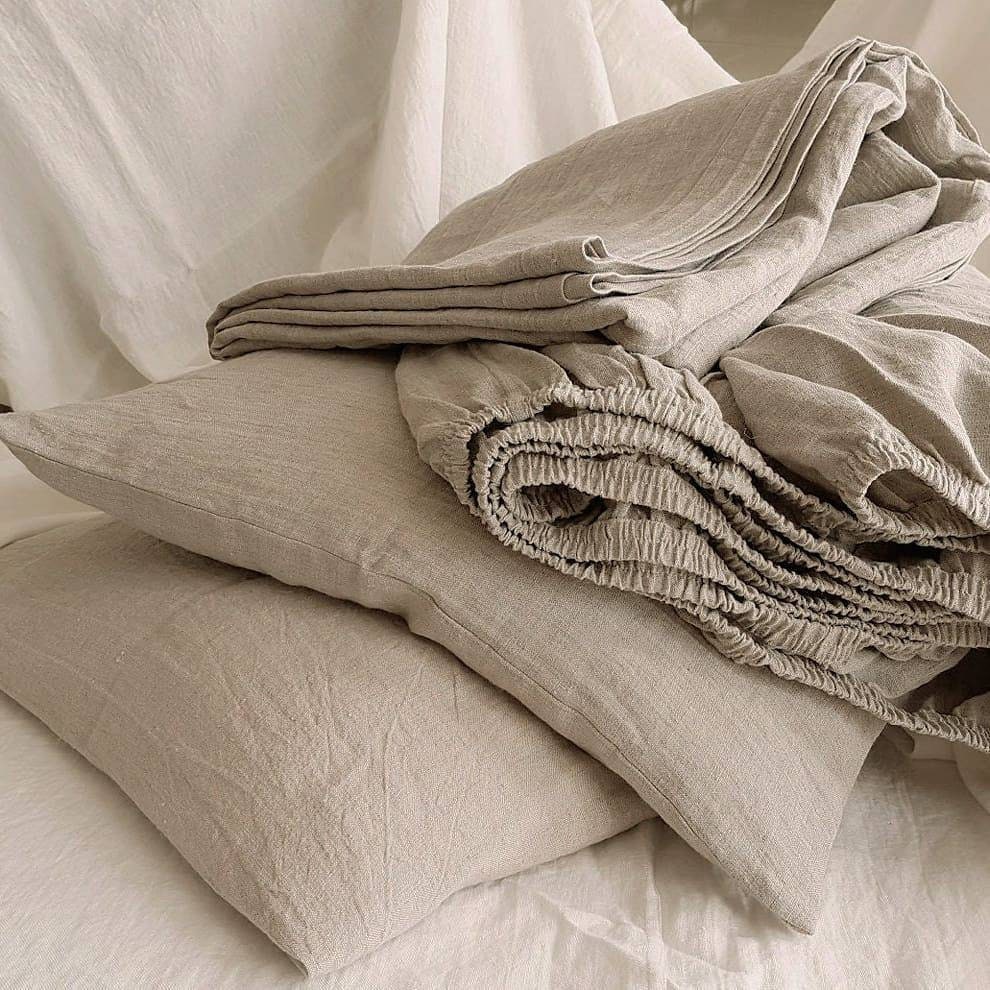
Linen comes from flax plant fibers and is prized for exceptional cooling properties.
- Feel: Coarse initially but softens significantly with age and washing.
- Best for: Hot sleepers and those who love a rustic, lived-in aesthetic.
- Pros: Highly breathable, moisture-wicking, and completely eco-friendly.
- Cons: Wrinkles easily and requires time to break in fully.
This fabric is perfect for summer or humid climates where airflow is critical.
Bamboo Derived Fabrics
Bamboo viscose or lyocell is a growing favorite for eco-conscious consumers.
- Feel: Silky, smooth, and naturally cool to the touch.
- Best for: Sensitive skin and buyers prioritizing sustainability.
- Pros: Naturally antibacterial, moisture-wicking, and biodegradable.
- Cons: Can be less durable than cotton if not high quality.
Choose lyocell bamboo over viscose for a more sustainable production process.
Microfiber Budget Options
Microfiber is a synthetic fabric made from polyester or nylon fibers.
- Feel: Soft, smooth, and highly resistant to wrinkles.
- Best for: Kids’ rooms, guest beds, or tight budget constraints.
- Pros: Affordable, stain-resistant, and very easy to care for.
- Cons: Less breathable and can trap heat during sleep.
Avoid microfiber if breathability or environmental impact is your main concern.
TENCEL Lyocell Features

TENCEL™ is a branded lyocell made from sustainably sourced wood pulp.
- Feel: Silky, cool, and excellent at absorbing moisture.
- Best for: Night sweaters and those seeking eco-luxury materials.
- Pros: Biodegradable, hypoallergenic, and resistant to wrinkles.
- Cons: Slightly more expensive than standard cotton options.
This fabric blends well with cotton to add softness and superior breathability.
Warm Fabrics for Cold Sleepers
Specific types of bed sheets fabric are essential for those who get cold easily at night.
Flannel Sheet Warmth
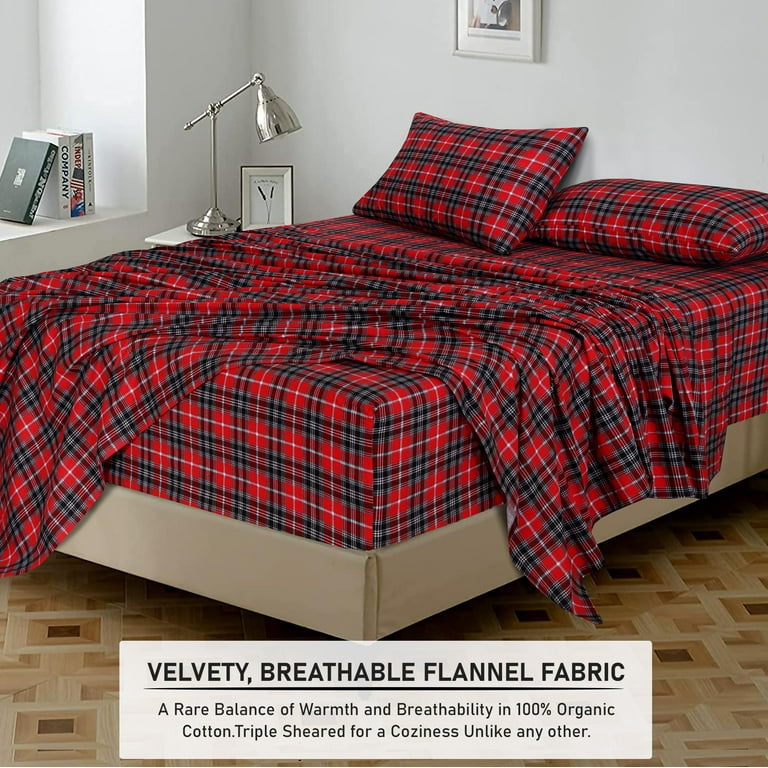
Flannel is typically cotton or wool that has been brushed to create a fuzzy surface.
- Feel: Fuzzy, warm, and incredibly inviting in cold weather.
- Best for: Winter months or bedrooms with low temperatures.
- Care: Wash in cool water to prevent excessive pilling.
- Note: Breathable for a warm fabric but can overheat some sleepers.
Fleece Sheet Insulation
Fleece is made from 100% polyester and offers lightweight warmth.
- Feel: Plush, soft, and highly insulating against cold air.
- Best for: Budget warmth or occasional camping use.
- Downside: Not breathable and can cause sweating for many people.
Fleece works well for occasional use but lacks the breathability needed for daily sleep.
Understanding Fabric Blends
Many manufacturers combine natural and synthetic fibers to balance cost and performance.
Cotton-Polyester Mixes
These blends often feature ratios like 50/50 or 60/40 cotton to polyester.
- Pros: Wrinkle-resistant, durable, and very affordable for most budgets.
- Cons: Less breathable and can feel plasticky compared to pure cotton.
Best for low-maintenance users who do not mind sacrificing some natural comfort.
Natural Fiber Combinations
Blends like cotton-bamboo or cotton-TENCEL™ offer high performance.
- Feel: Soft, breathable, and eco-friendly for daily use.
- Best for: Sleepers wanting luxury feel with sustainable credentials.
- Advantage: Combines cotton durability with moisture control of other fibers.
These blends provide excellent value without the high price of 100% specialty fabrics.
Selecting Your Ideal Sheet Fabric
Choosing the right types of bed sheets fabric depends on your specific sleep habits. Use this guide to match your needs with the correct material.
Matching Fabric to Sleep Style

| Sleep Need | Best Fabric Choice |
|---|---|
| Hot sleeper | Percale, linen, TENCEL™ |
| Cold sleeper | Flannel, sateen, fleece |
| Allergies | Organic cotton, TENCEL™, bamboo |
| Eco-conscious | Organic cotton, linen, TENCEL™ |
| Budget-friendly | Microfiber, cotton-poly blends |
| Luxury feel | Sateen, long-staple Egyptian cotton |
Considering Climate Factors
- Warm climates: Stick to breathable weaves like percale or linen.
- Cold climates: Layer with flannel or use sateen for added warmth.
- Four seasons: Rotate sheets based on the current weather outside.
Prioritizing Care Requirements
- Easy care: Microfiber and polyester blends need minimal effort.
- High maintenance: Linen wrinkles and batiste requires gentle handling.
- Long-lasting: Twill and GOTS-certified organic cotton endure well.
Final Tips for Buying Sheet Fabric
Your search for the best types of bed sheets fabric ends with informed decision-making. Always feel the material if possible or check return policies when buying online. Look closely at labels for fiber content and weave type rather than marketing buzzwords. Avoid terms like “luxury” unless backed by specific fabric details. Start with a fitted and flat sheet in your chosen fabric to test comfort. Replace your sheets every two to three years as even high-quality fabrics wear out.
Frequently Asked Questions About Bed Sheets Fabric
Which fabric is best for hot sleepers?
Percale, linen, and TENCEL™ are the top choices because they offer maximum breathability and moisture-wicking properties to keep you cool.
Does higher thread count always mean better quality?
No, thread counts over 400 can be misleading. A 300 thread count with long-staple cotton often feels better than a 1000 count made of short fibers.
What is the difference between percale and sateen?
Percale has a crisp, cool feel with a matte finish, while sateen has a silky, warm feel with a lustrous sheen due to its unique weave pattern.
Why should I choose GOTS-certified cotton?
GOTS certification ensures the cotton is grown without toxic chemicals, processed ethically, and verified by third parties for true organic quality.
How often should I replace my bed sheets?
You should generally replace bed sheets every two to three years, or sooner if you notice thinning fabric, persistent stains, or loss of elasticity.
Key Takeaways for Choosing Types of Bed Sheets Fabric
Selecting the right fabric transforms your sleep experience by matching material properties to your personal needs. Focus on weave type, fiber length, and certifications like GOTS rather than just thread count numbers. Whether you choose cooling linen, luxurious sateen, or durable organic cotton, the right choice ensures better rest. Check your current bedding labels today to see how they compare to these standards.