
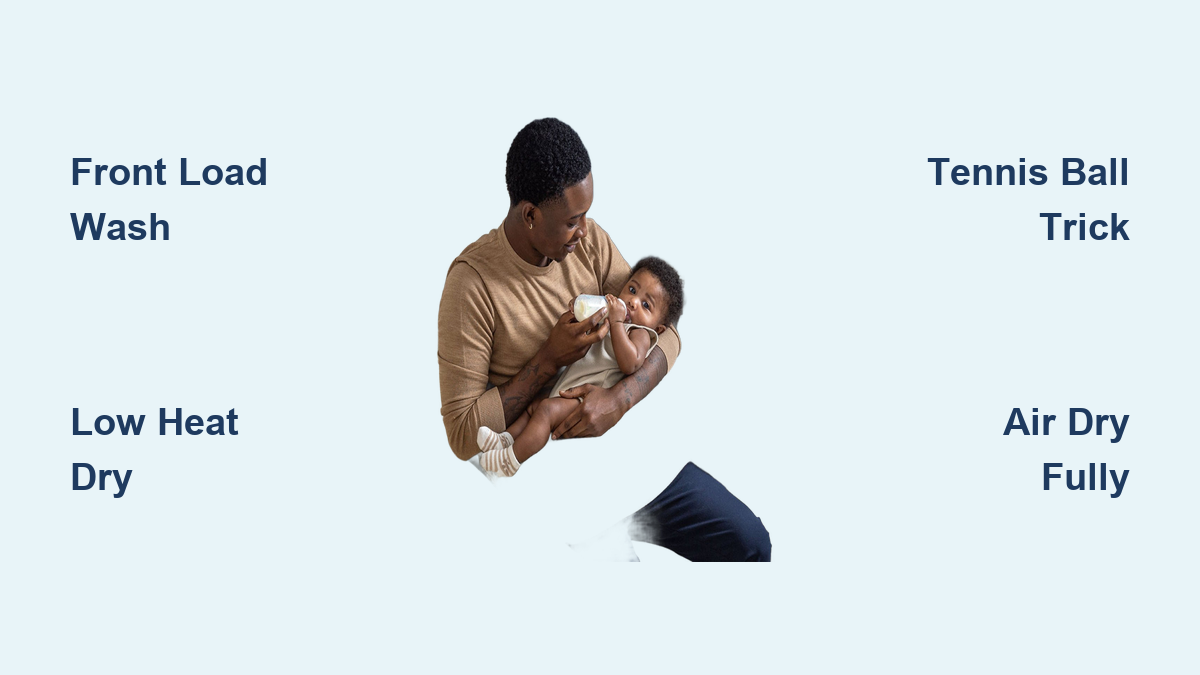
If your Boppy pillow has seen its fair share of spit-up, milk stains, or just daily use, you are not alone. Many parents wonder: Can I wash the Boppy pillow insert? How do I keep it fluffy? Is it safe to machine wash? The good news is, yes, you can clean it safely and effectively without ruining its shape or structure, as long as you follow the right steps.
Cleaning a Boppy pillow is not just about freshness. It is about hygiene, safety, and extending the life of a product that supports both you and your baby during feeding, tummy time, and more. But improper cleaning can lead to lumpy filling, fabric damage, or even mold if not dried completely. That is why it is crucial to follow manufacturer guidelines while also incorporating user tested tips for best results.
Safe Ways to Wash Your Boppy Pillow Insert
:max_bytes(150000):strip_icc()/top-load-washer-vs-front-load-2145868-v5-6606d79a51e446be957069689296fc44.png)
Use a Front Load Washing Machine
Always use a front load washing machine when cleaning the Boppy pillow insert. Unlike top load machines with agitators, front loaders are gentler and reduce the risk of tearing or deforming the internal filling. Agitators can twist and pull the pillow, leading to uneven stuffing or fabric damage.
Set the washer to the delicate cycle. Use lukewarm water at 30 degrees Celsius (85 degrees Fahrenheit) maximum. Avoid hot water because it may shrink or weaken the outer fabric. Never overload the machine. Wash the Boppy alone or with similar bulky items like blankets to allow free movement during the cycle.
Choose Mild Detergent and Skip Harsh Chemicals
Use only mild liquid detergent. Harsh chemicals, powders, or chlorine bleach can degrade fibers, irritate baby skin, or leave residues inside the pillow. Add detergent directly to the drum before placing the pillow in. Skip fabric softeners because they coat fibers and reduce breathability. If needed, use non-chlorine bleach sparingly to remove stubborn stains or odors. Avoid powder detergents because they do not dissolve well in cold water and can leave gritty deposits inside the pillow.
Hand Wash for Delicate Care
If you do not have access to a front load washer or want extra control, hand washing is a safe alternative. Fill a clean sink or bathtub with enough lukewarm water (around 30 degrees Celsius) to fully submerge the Boppy. Add a small amount of mild liquid detergent. Push the pillow down until it is completely soaked. Gently compress and release it to let soapy water penetrate the inner filling. Do not twist, wring, or scrub because this can damage the polyfill.
Drain the soapy water and refill with clean water. Repeat the squishing motion until the water runs clear and no suds remain. Residual soap can cause odors or skin irritation. Squeeze gently to remove excess water, but never wring tightly.
Dry the Boppy Pillow Without Losing Fluffiness
Tumble Dry on Low Heat
After washing, dry the Boppy pillow on tumble dry low using a delicate cycle. High heat can melt synthetic fibers or cause shrinkage. Always check that the outer cover is intact before drying. Never use dryer sheets because they leave a coating that reduces fabric breathability. Dry the pillow alone or with minimal items to ensure even tumbling and airflow.
Prevent Lumps With the Tennis Ball Trick
One of the biggest concerns after washing is lumpiness. To keep the filling evenly distributed, place a clean tennis ball inside a pillowcase and toss it into the dryer with the Boppy. The bouncing motion helps break up clumps and restores fluff. Pause the dryer every 20 to 30 minutes to manually reshape the pillow by hand. Flip it, squeeze gently, and redistribute any dense areas.
Outdoor drying in direct sunlight naturally kills bacteria and freshens the fabric, but only if you can ensure the core dries completely, which may take 24 to 48 hours.
Air Dry When Machine Drying Is Not Possible
If you prefer not to use a dryer, air drying is acceptable but requires caution. Lay the pillow flat on a clean, dry surface in a well-ventilated area. Rotate every few hours to promote even drying. Avoid placing on damp floors or in humid rooms. Moisture trapped inside can lead to mildew and musty odors, so never rush this step. The center must be fully dry before reuse.
Do not iron or dry clean the Boppy pillow because both can damage internal materials.
Clean the Boppy Slipcover Separately

Wash the Cover First
The slipcover should always be washed separately from the insert. This prevents abrasion, color transfer, and tangling. Unzip or unfasten the cover completely. Turn it inside out to protect prints and stitching. Wash on delicate cycle with mild detergent at 30 degrees Celsius. Wash dark and light covers separately to avoid bleeding.
Dry and Iron Safely
Tumble dry the slipcover on low heat. Remove promptly to minimize wrinkles. A cool iron can be used if needed, but avoid high heat. Never use steam directly on embellished or printed areas. Do not dry clean. Replace the cover only when both it and the insert are completely dry to prevent moisture buildup.
Sanitize a Boppy Pillow Without Full Washing
Use High Heat Dryer for Light Soiling
If the Boppy insert is not visibly stained but needs sanitizing, especially for used or hand-me-down pillows, skip washing and go straight to the dryer. Place the dry pillow directly into the dryer and run it on high heat for at least 30 minutes. This kills bacteria, dust mites, and germs without water exposure. Pair with a freshly washed slipcover for full hygiene.
Verified user MaryBerry84 reports success with this method: Sanitized mine before first use, no washing needed.
Spot Clean Spills Immediately
For small stains or spills, spot cleaning preserves the pillow integrity. Use a clean cloth dampened with mild soapy water. Gently blot the affected area, do not scrub. Wipe with a second cloth dipped in clean water to remove soap. Use a fan or place near open window until dry. Avoid hairdryers or direct heat.
Prevent Lumps and Extend Your Pillow Lifespan
Wash Only When Necessary
Overwashing wears down fabric and filling. Most users only need to clean the slipcover weekly and the insert occasionally. Wash insert only if soiled, smelly, or after illness. For daily maintenance, clean only the cover. Store in a cool, dry place when not in use.
User jencountrylife notes: I used mine with three babies, only washed the insert once.
Check for Wear After Cleaning
Once cleaned, inspect the pillow for thin spots or tears in fabric, persistent odors that could indicate trapped moisture, or hard clumps that will not fluff. If the pillow is misshapen, damaged, or retains moisture, replace it. A compromised Boppy can pose safety risks during use.
Avoid Common Mistakes
Do not use a top load washer with an agitator. Do not wash in hot water or dry on high heat. Do not skip the tennis ball trick because it leads to lumps. Do not iron or dry clean. Do not store while damp. Each can shorten the pillow lifespan or create health hazards.
Follow Safety Guidelines After Cleaning
Never Use a Damaged Pillow
After cleaning, ensure the Boppy is fully functional and safe. Check for no loose seams or exposed filling. Verify the shape supports baby properly during feeding. Make sure fabric is breathable and free of mildew. A warped or lumpy pillow may not provide stable support and increases fall risk.
Keep Baby Safe During Use
Even a clean Boppy must be used correctly. Always supervise baby when using the pillow. Never allow unsupervised sleep because Boppy is not a sleeper. Keep straps out of reach to prevent entanglement. Use only while seated on a stable surface.
The FDA and CPSC warn against using nursing pillows as sleep aids due to positional asphyxia risks.
Know When to Replace Your Boppy Pillow
Signs It Is Time for a New One
Despite proper care, Boppy pillows wear out. Replace if filling clumps permanently and will not fluff, outer fabric is thin, torn, or pilling excessively, persistent odor remains after cleaning, or baby no longer fits (typically after 12 months).
Warranty Info: One Year Limited Coverage
Boppy offers a one-year limited warranty covering defects in materials and workmanship. Proof of purchase is required. The warranty does not cover damage from improper cleaning or misuse. It excludes Boppy Healthcare products. Following care instructions helps maintain eligibility.
Frequently Asked Questions About Cleaning Boppy Pillows
Can I put the Boppy pillow insert in the washing machine?
Yes, you can machine wash the Boppy pillow insert, but you must use a front load washing machine on the delicate cycle with lukewarm water and mild liquid detergent. Never use a top load washer with an agitator because it can tear or deform the filling.
How do I dry the Boppy pillow without it getting lumpy?
Tumble dry the pillow on low heat with a delicate cycle. Place a clean tennis ball inside a pillowcase and toss it in the dryer with the Boppy. The bouncing motion breaks up clumps. Pause every 20 to 30 minutes to manually reshape the pillow by hand.
How often should I wash the Boppy pillow?
Wash the slipcover every one to two weeks or more frequently if stained or used daily. Wash the insert only when necessary, such as visible soiling, odor, or after illness. Overwashing can degrade the fabric and filling.
Can I sanitize a Boppy pillow without washing it?
Yes, place the dry pillow in the dryer on high heat for 30 to 45 minutes. This kills bacteria, dust mites, and germs without water exposure. This method is ideal for used or hand-me-down pillows where you want to sanitize but preserve the shape.
Can I iron or dry clean the Boppy pillow?
No, never iron or dry clean the Boppy pillow. Both methods can damage the internal materials and outer fabric. Follow the manufacturer guidelines to preserve the pillow integrity and warranty coverage.
What should I do if the Boppy pillow smells after cleaning?
If the pillow retains a musty odor after cleaning, it may not be fully dry inside. Allow additional air drying time in a well-ventilated area. If odor persists, the pillow may have mold or trapped moisture and should be replaced.
Key Takeaways for Cleaning Your Boppy Pillow
Regular cleaning keeps your Boppy pillow hygienic and safe, but how you clean it matters just as much as when. Stick to front load washing, low heat drying, and the tennis ball trick to prevent lumps. For light use or secondhand pillows, high heat drying without water is a smart sanitizing alternative. Always prioritize safety by never using a misshapen or damp pillow. Remember that the cover gets washed often, the insert only when truly needed. Following these steps will extend the life of your Boppy and keep it safe for your baby.