
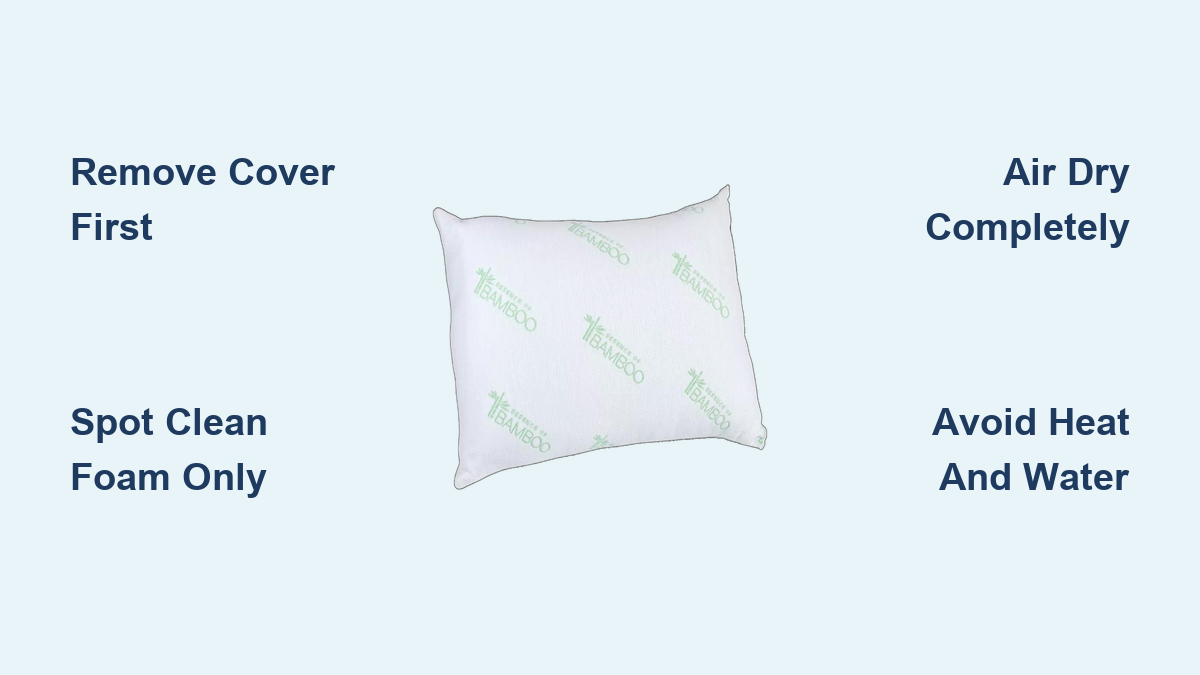
If you own an Essence of Bamboo pillow, you know how incredibly comfortable it feels thanks to its soft bamboo-derived cover and adaptive memory foam core. But when cleaning time comes, many owners make a critical mistake: tossing the entire pillow in the washing machine. This can permanently damage the foam and void your warranty. The removable bamboo cover can be washed safely under specific conditions, but the memory foam insert must never be submerged unless explicitly permitted by the manufacturer. This guide provides step-by-step instructions for cleaning each component correctly, preventing mold and odors, and extending your pillow’s lifespan to up to three years with proper care.
You will learn how to safely remove and inspect the pillow components, wash the bamboo cover using proper machine or hand-washing techniques, spot-clean the foam insert without causing water damage, dry both parts thoroughly to prevent mildew, and maintain freshness between cleanings. By following these methods, your pillow will stay hygienic, odor-free, and supportive for years to come.
Remove and Inspect Components Before Cleaning
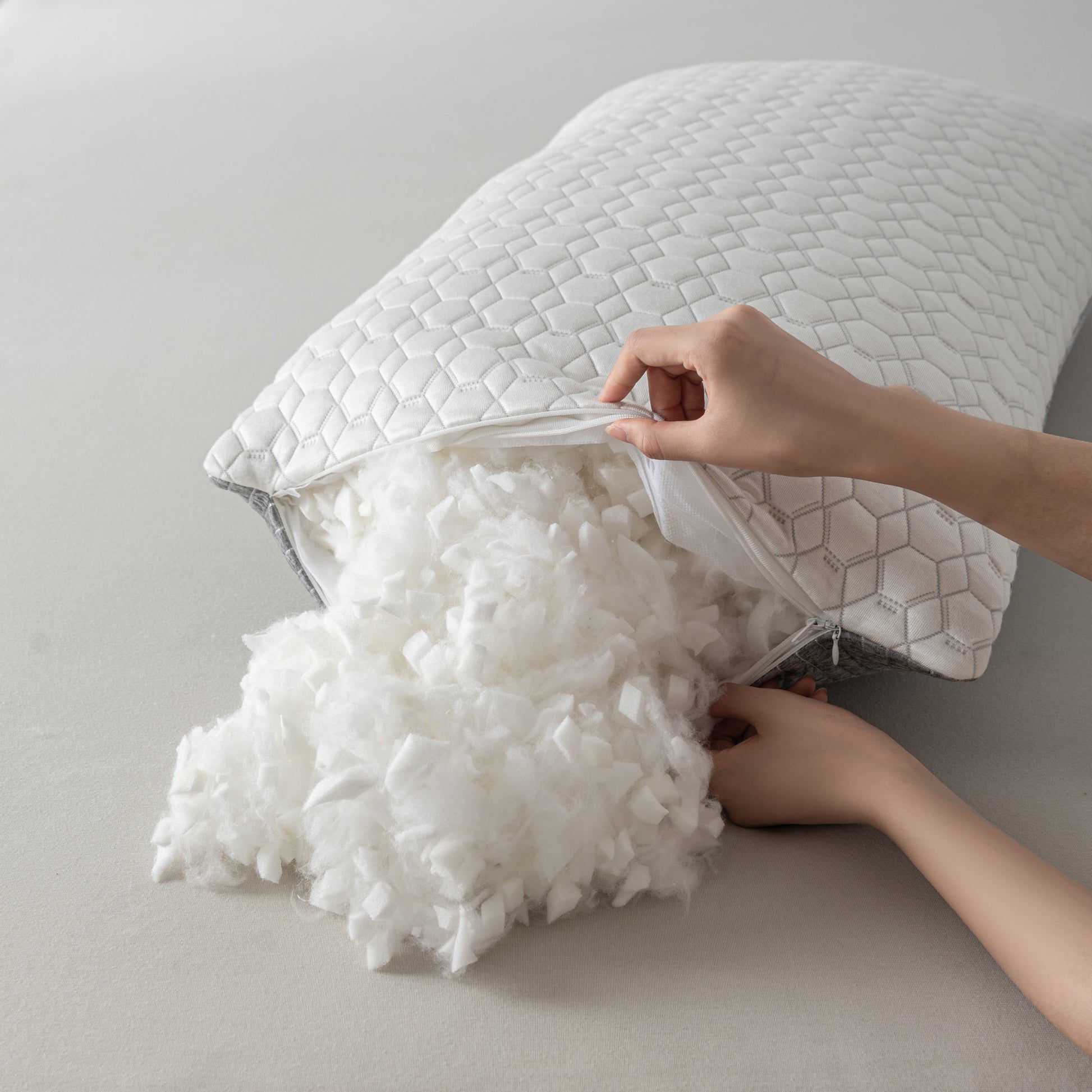
Before starting any cleaning process, you must separate the pillow into its individual parts and assess their condition. Most Essence of Bamboo pillows consist of two main components that require completely different cleaning approaches.
Separate the Cover from the Foam
Locate the full-length zipper on the bamboo viscose cover and gently unzip to access the foam core inside. Slide the foam insert out carefully, taking note of its shape and structure. Close the zipper on the cover before washing to prevent it from snagging on other items in the machine. If your specific model includes adjustable fill, check whether extra foam is stored in a sealed bag for future use.
Inspect Both Parts for Damage
Examine the memory foam for visible stains from sweat, oil, or spills. Check for odors that might indicate trapped moisture or mold growth inside the foam cells. Press the foam to test its rebound ability and ensure it has not lost its structural integrity. Look at the cover for yellowing caused by sweat and body oils, as well as any pilling, fabric wear, or residue buildup from harsh detergents or skincare products.
🔍 Pro Tip: Always check the manufacturer’s care label before cleaning. Some models permit hand-washing the foam while others strictly prohibit any water exposure.
Wash the Bamboo Cover Properly
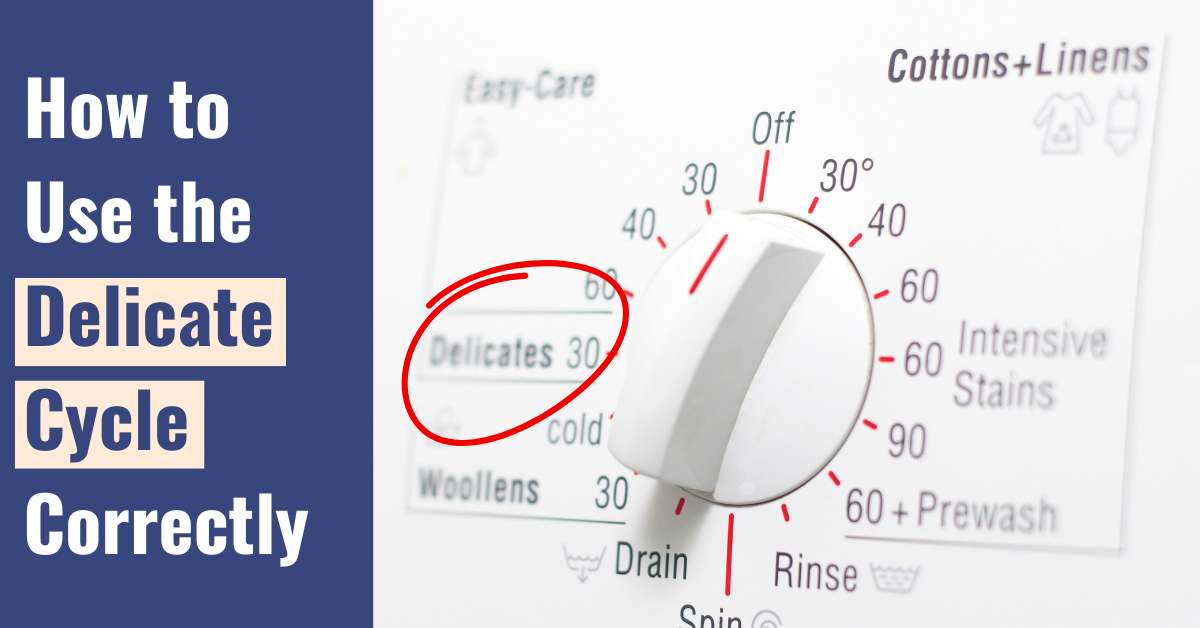
The bamboo viscose cover is the only component safe for machine washing, but it requires specific settings to prevent shrinkage, fiber damage, and premature wear. Using the wrong water temperature or detergents can permanently alter the fabric’s texture and breathability.
Machine Wash Settings
| Setting | Recommendation |
|---|---|
| Water Temperature | Cold (30°C / 86°F or lower) |
| Cycle Type | Gentle or delicate |
| Spin Speed | Low to medium |
| Detergent | Mild, fragrance-free liquid detergent |
| Load Size | Wash alone or with soft fabrics only |
Place the cover inside a mesh laundry bag if your washing machine has an agitator to prevent excessive friction. Use only a small amount of mild detergent, and never add bleach, fabric softeners, or harsh stain removers. These products damage bamboo fibers, reduce natural breathability, and can cause skin irritation.
Hand Wash Option for Extra Care
Fill a basin with cool water and add a capful of mild detergent. Submerge the cover and gently swirl it around for several minutes. Rinse thoroughly until all soap residue is removed and water runs completely clear. Press out excess water gently without twisting or wringing, which can stretch or misshape the fabric.
Treat Stains Before Washing
For sweat or oil stains that cause yellowing, apply liquid detergent directly to the affected areas and wait ten minutes before washing. For makeup marks, dab gently with diluted dish soap using a damp cloth, then rinse thoroughly. Never use hot water on bamboo viscose, as it causes irreversible shrinkage that cannot be fixed.
Clean the Memory Foam Insert Safely
The foam core is extremely sensitive to water exposure. Unlike the cover, memory foam absorbs liquid readily but releases it very slowly, creating perfect conditions for mold and mildew growth. Only use minimal moisture when cleaning, and always confirm on the care label that full hand-washing is permitted.
Spot Clean for Routine Maintenance
Create a cleaning solution by mixing one part mild detergent with four parts lukewarm water. Dampen one microfiber cloth with the solution and wring it out until it is barely wet. Gently dab the stained area without scrubbing, which can tear foam cells. Use a second clean, damp cloth to wipe away soap residue, then blot aggressively with a dry towel to extract as much moisture as possible.
💡 Warning: Over-wetting causes internal rot and degradation. If the foam feels cool when you press deep into the center, it still contains moisture and needs more drying time.
Hand Wash Only If Manufacturer Permits
Some Essence of Bamboo pillow models allow full hand washing, but you must verify this on the care label first. Fill a bathtub with lukewarm water and a small amount of baby shampoo or mild detergent. Gently submerge the foam and squeeze it repeatedly to allow water to penetrate and flush out impurities. Never twist, wring, or scrub the foam, as this destroys the cell structure that provides support. Drain and refill with clean water, repeating the squeezing process three to five times until the rinse water runs clear. Press gently to remove excess water without forcing it out.
⏳ Complete drying takes twenty-four to forty-eight hours. Rushing this step risks mold growth that can permanently ruin the foam.
Deodorize Without Water
Frequent washing is not necessary and can actually shorten the pillow’s lifespan. Between cleanings, use dry methods to refresh the foam and eliminate odors caused by sweat and body oils.
Baking Soda Treatment
Sprinkle a light, even layer of baking soda over the entire surface of the foam. Let it sit for thirty to sixty minutes, or up to two hours for stronger odors. Vacuum thoroughly using an upholstery attachment to remove all baking soda residue. This method is safe, non-toxic, and highly effective at neutralizing trapped smells.
Vinegar Refresh Spray
Mix equal parts water and white vinegar in a spray bottle. Lightly mist the foam surface without soaking it. Set the foam in a well-ventilated area for one to two hours to allow the vinegar smell to dissipate and the foam to dry completely.
Sunlight Airing
Place the foam in indirect sunlight for one to two hours, rotating it every thirty minutes to ensure even exposure. UV rays naturally kill bacteria and help reduce stubborn odors. Never leave the foam in direct sunlight for extended periods, as heat degrades the foam over time.
Dry Thoroughly to Prevent Mold
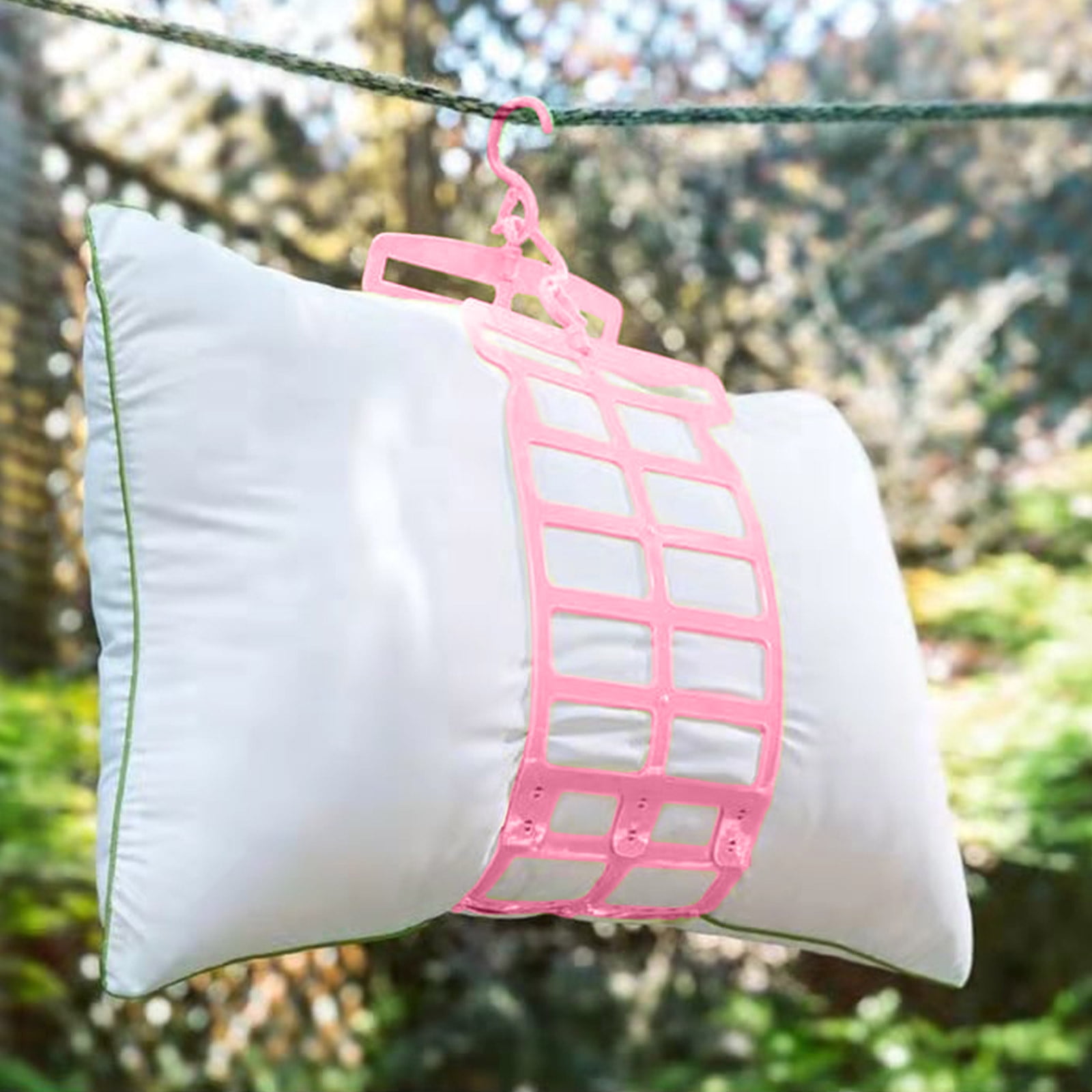
Improper drying is the number one cause of pillow damage according to manufacturers and cleaning experts. Moisture trapped inside foam creates the perfect environment for musty smells, mildew, and structural breakdown that cannot be reversed.
Air Dry the Foam Correctly
Lay the foam flat on a clean drying rack or mesh screen that allows air circulation underneath. Elevate the rack off the floor to maximize airflow. Place the foam in a low-humidity, well-ventilated area such as a living room or open hallway. Avoid bathrooms, closets, or other enclosed spaces. Use a fan to speed drying if needed, and rotate the foam every two to three hours for even exposure.
⏱️ Drying Time: Expect twenty-four to forty-eight hours depending on foam thickness, density, and ambient humidity levels.
Test for Full Dryness
Press your fingers deep into the center of the foam. If it feels cool, soft, or slightly damp, it is not fully dry and needs more time. Never reinsert the foam into the cover until it passes this test completely.
❌ Never use a clothes dryer, hair dryer, or radiator to speed drying. Heat melts foam and destroys its ability to rebound.
Dry the Bamboo Cover
Air drying is the safest method for the cover. Lay it flat or hang it on a drying rack away from direct sunlight, which weakens fibers over time. If the care label permits tumble drying, use only the low heat or air-fluff setting and limit drying to ten to fifteen minutes. Remove the cover immediately when damp to prevent wrinkles and overheating.
Restore Shape and Softness
After washing and drying, you need to restore the pillow’s comfort, loft, and supportive properties through proper reshaping techniques.
Fluff the Foam Core
Gently compress and release the foam from all sides, working around the edges and center. For shredded foam models, shake the insert thoroughly to redistribute the filling evenly. This step helps regain proper support and prevents flat spots from forming during use.
Reshape the Cover
Smooth out any wrinkles in the cover before reinserting the foam. Zip the cover closed gently, taking care not to force the zipper if the fabric is still slightly damp.
Soften Stiff Fabric
If the cover feels stiff after washing, run it through an extra rinse cycle to remove detergent residue that can coat fibers. Alternatively, toss the dry cover in the dryer on air-only setting with one or two wool dryer balls for ten to fifteen minutes to restore softness.
Prevent Damage: What to Avoid
Many common cleaning mistakes cause permanent damage that shortens the pillow’s lifespan. Avoid these actions to keep your pillow in optimal condition.
| Action | Risk |
|---|---|
| Hot water on cover | Causes irreversible shrinkage |
| Bleach or harsh chemicals | Causes yellowing and fiber decay |
| Fabric softener | Coats fibers and reduces breathability |
| Dryer heat on foam | Melts foam and damages elasticity |
| Soaking or submerging foam | Leads to mold and disintegration |
| Aggressive scrubbing | Tears foam cells and spreads stains |
| Skipping vacuuming | Spreads dust and allergens during cleaning |
🛑 When in doubt, remember this rule: use less water, no heat, and allow more drying time.
Maintain Long-Term Freshness
Consistent maintenance reduces the need for deep cleaning and helps your pillow last its full lifespan of two to three years.
Use a Pillow Protector
A washable pillow protector acts as a removable barrier against sweat, body oils, and allergens. Wash the protector every one to two weeks along with your pillowcase. This simple step prevents yellowing of the cover and reduces the foam’s exposure to moisture.
Follow a Cleaning Schedule
| Frequency | Action |
|---|---|
| Daily or weekly | Fluff and rotate pillow |
| Weekly | Air out for fifteen to thirty minutes; wash pillowcase |
| Every two to four weeks | Wash bamboo cover |
| Monthly | Vacuum foam; deodorize with baking soda |
| Every three to six months | Deep refresh including full inspection |
Control Your Bedroom Environment
Keep indoor humidity below sixty percent using a dehumidifier if needed. Ensure good airflow by opening windows or using a fan. Avoid sleeping with wet hair or heavy night creams that transfer moisture and oils into the pillow.
Troubleshoot Common Problems
Even with proper care, issues can arise. Here is how to address the most frequent problems.
Musty Smell After Washing
This usually indicates incomplete drying where moisture remains trapped inside the foam. Deodorize with baking soda, air the foam in indirect sunlight, and use a fan for twenty-four or more hours to ensure complete dryness.
Cover Shrank or Feels Stiff
Hot water or high dryer heat causes this problem. Rewash in cold water with an extra rinse cycle and air dry. Prevention is the only real solution since shrinkage cannot be reversed.
Foam Won’t Dry in Forty-Eight Hours
High humidity or poor airflow is likely the cause. Use a fan, extend drying over three days, and rotate the foam more frequently to ensure even moisture release.
Pillow Lost Its Shape
Lack of regular fluffing or damage from wet foam causes this issue. Re-fluff manually by working the foam with your hands. If the foam does not rebound after fluffing, the internal structure is degraded and replacement is necessary.
Know When to Replace
Even with perfect maintenance, bamboo pillows eventually wear out and need replacement. Watch for these signs that indicate it is time for a new pillow.
Replace your pillow if the foam does not spring back when compressed, if persistent musty odor remains despite thorough cleaning, if you notice visible lumps, sagging, or tears in the core, if the cover has irreversible stains or severe pilling, or if the pillow no longer provides adequate support even after fluffing.
📅 With proper care, an Essence of Bamboo pillow typically lasts two to three years before needing replacement.
Frequently Asked Questions About Washing Essence of Bamboo Pillows
Can I machine wash the entire Essence of Bamboo pillow?
No. Only the removable bamboo cover is safe for machine washing. The memory foam insert must never be placed in a washing machine and should only be spot-cleaned or hand-washed if the manufacturer explicitly permits it.
How often should I wash the bamboo cover?
Wash the cover every two to four weeks under normal use. Wash more frequently if you sweat heavily at night, have allergies, or do not use a pillow protector between washes.
Why does my pillow smell after washing?
The smell typically comes from moisture trapped inside the foam that did not dry completely. Always test the foam center for coolness or dampness before reassembling the pillow. Use baking soda and extended airing to neutralize any remaining odors.
Can I put the bamboo cover in the dryer?
Only if the care label permits it. Use low heat or air-fluff settings, and limit drying to ten to fifteen minutes. Air drying is always safer and helps preserve the fabric’s integrity and softness.
Is baking soda safe for the memory foam?
Yes. Baking soda is completely non-toxic and effective at neutralizing odors. Always vacuum thoroughly afterward to remove all powder residue from the foam surface.
Can bamboo pillows help with allergies?
Yes. Bamboo viscose is naturally hypoallergenic, antimicrobial, and resistant to dust mites. This makes these pillows an excellent choice for allergy sufferers when maintained properly with regular cleaning.
What is the safest deep clean method for the foam insert?
There is no safe method involving water immersion. The safest deep clean involves vacuuming the surface, spot-cleaning any stains with minimal moisture, deodorizing with baking soda, and allowing complete air drying before reuse.
Key Takeaways for Washing Your Essence of Bamboo Pillow
Proper cleaning of your Essence of Bamboo pillow comes down to understanding its two-component construction and treating each part appropriately. The bamboo cover tolerates machine washing in cold water on gentle cycles, but the memory foam core requires only spot cleaning with minimal moisture and extended air drying. Never use heat on any component, and always ensure the foam is completely dry before reassembling the pillow. Using a pillow protector, fluffing regularly, and maintaining low humidity in your bedroom will reduce cleaning frequency and extend your pillow’s life to its full potential of three years.
Take a few minutes now to check your pillow’s care label and gather the supplies you need for safe cleaning. Your pillow will stay fresher, more supportive, and more comfortable when you follow these proven methods consistently.