

Drying bed sheets often results in a tangled, wrinkled mess if you simply toss them into the machine without a plan. Many people struggle with stiff linens because they overlook critical steps regarding load order and heat settings. Mastering how to dry bed sheets properly ensures your bedding stays soft, fresh, and ready for immediate use.
This guide reveals the exact sequence for loading your dryer to prevent twisting and bunching. You will learn which heat settings protect your specific fabric type and how to use simple tools to cut drying time. Follow these expert techniques to achieve hotel-quality results every single time.
Load Sheets in a Specific Sequence to Prevent Tangling

The order in which you place items into the dryer dictates whether your sheets tumble freely or twist into a tight knot. Dumping all your linens in at once creates a dense ball that traps moisture and causes deep creases. You must load items individually to maximize airflow around every fiber.
Start by Tossing in Pillowcases First
Place your pillowcases into the empty drum before adding any larger items. These small pieces dry quickly and act as natural spacers between heavier fabrics. Loosely tossing them in creates an initial layer that helps air circulate as the drum begins to spin.
Add the Flat Sheet Smoothly
Lay the flat sheet into the dryer one section at a time rather than dropping it as a crumpled heap. Spread the fabric out loosely so it does not form tight bundles during the initial rotation. This simple step prevents deep wrinkles from setting early in the drying cycle.
Tuck Corners on Fitted Sheets Before Loading
For fitted sheets, tuck the elasticized corners inward toward the center of the fabric before placing them in the machine. This technique stops the elastic edges from snagging on the drum or lint trap while preventing the sheet from wrapping around other items. If you are drying multiple fitted sheets, repeat this tucking method for each one individually.
Pro Tip: Overloading is the enemy of dry sheets. Keep your dryer drum only one-third to one-half full to ensure proper airflow and even drying.
Select the Correct Heat Setting for Your Fabric Type
Using the wrong temperature can shrink cotton fibers, damage delicate weaves, or leave your sheets feeling stiff and rough. You must match your drying cycle and heat level to the specific material of your bedding for the best results.
Use the Delicate Cycle for Most Linens
Even durable cotton and polyester blends benefit significantly from the Delicate or Gentle cycle. These settings utilize slower tumbling speeds and lower heat levels to reduce wear on the fabric. This approach minimizes wrinkling and extends the overall lifespan of your sheets.
Adjust Temperature Based on Material
Different fabrics react differently to heat, so you must adjust your settings accordingly to avoid damage.
- Cotton: Use low to medium heat to prevent shrinkage and fiber degradation.
- Bamboo and Silk: Stick to low heat or Air Fluff settings because high temperatures can melt or weaken these delicate fibers.
- High-Thread-Count Linens: Always use low heat to preserve softness and maintain the integrity of the weave.
Warning: Never use high heat on your sheets. It degrades fibers over time and creates deep-set creases that are extremely difficult to remove.
Time Your Drying Cycle Precisely
Most sheet loads require between 30 and 50 minutes to dry completely, depending on the fabric type and initial moisture level. If your dryer has a moisture sensor, use it to automatically stop the cycle when the sheets are dry. Remove the linens while they are still slightly damp to make smoothing out wrinkles easier.
Boost Softness and Speed with Drying Aids
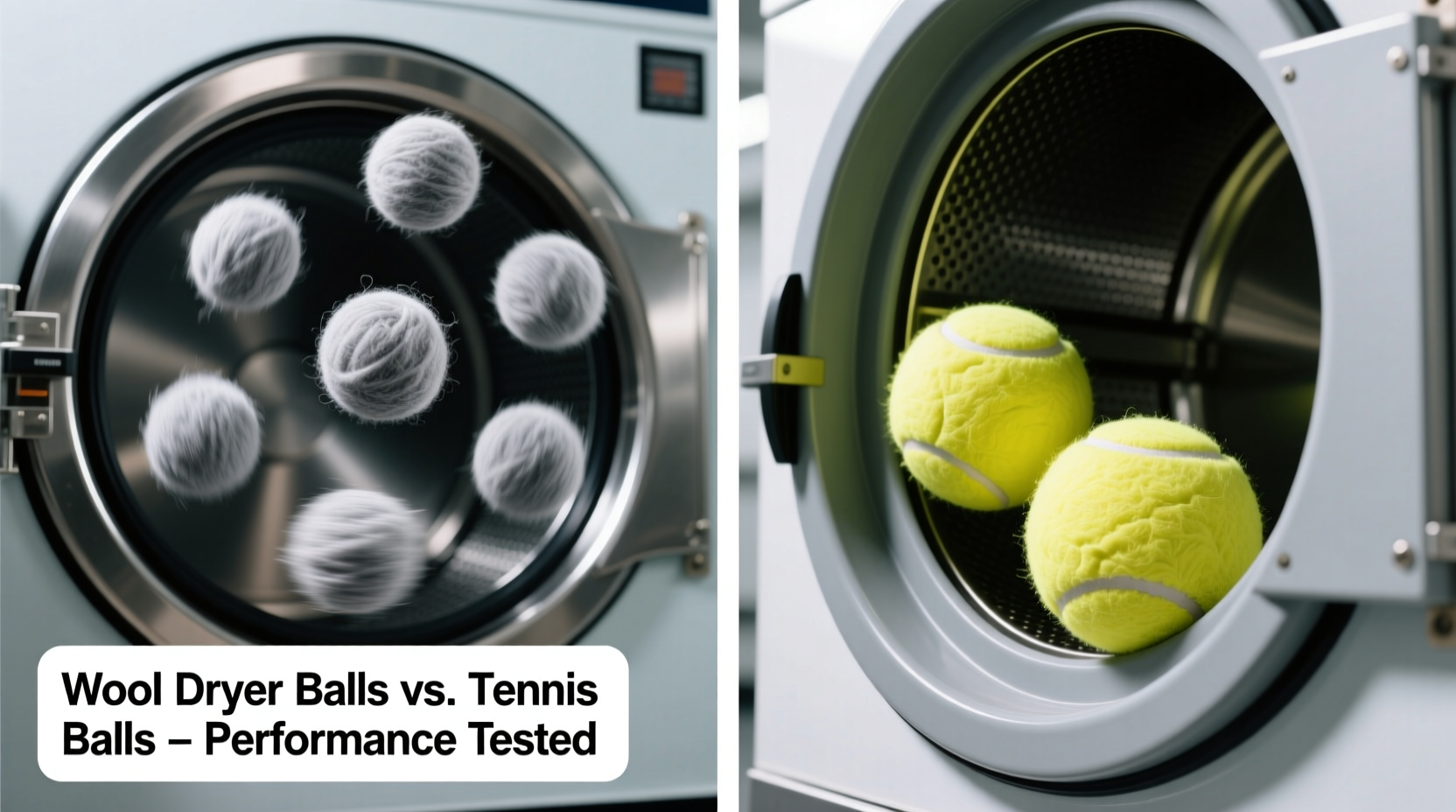
Adding specific accessories to your dryer load can significantly boost airflow, reduce drying time, and soften fabric without harsh chemicals. These tools work mechanically to separate layers and fluff the fibers.
Utilize Wool Dryer Balls for Best Results
Place two or three wool dryer balls into every load of sheets. These natural tools separate the sheets to improve airflow and reduce drying time by up to 25 percent. They also soften the fabric through gentle tumbling action and eliminate static electricity naturally.
Expert Note: Wool balls are reusable for over 1,000 loads and are a safer alternative to dryer sheets, which often leave chemical residues on fabrics.
Try Tennis Balls as a Budget Alternative
If you do not have wool balls, clean tennis balls work effectively as a substitute. Place two or three balls inside a clean sock to reduce noise and protect the dryer drum. They prevent clumping, fluff the sheets for even drying, and help break up wet bundles.
Avoid: Do not use fabric softener sheets. They coat fibers and reduce the absorbency of your sheets over time.
Execute Proper Post-Dry Handling Techniques
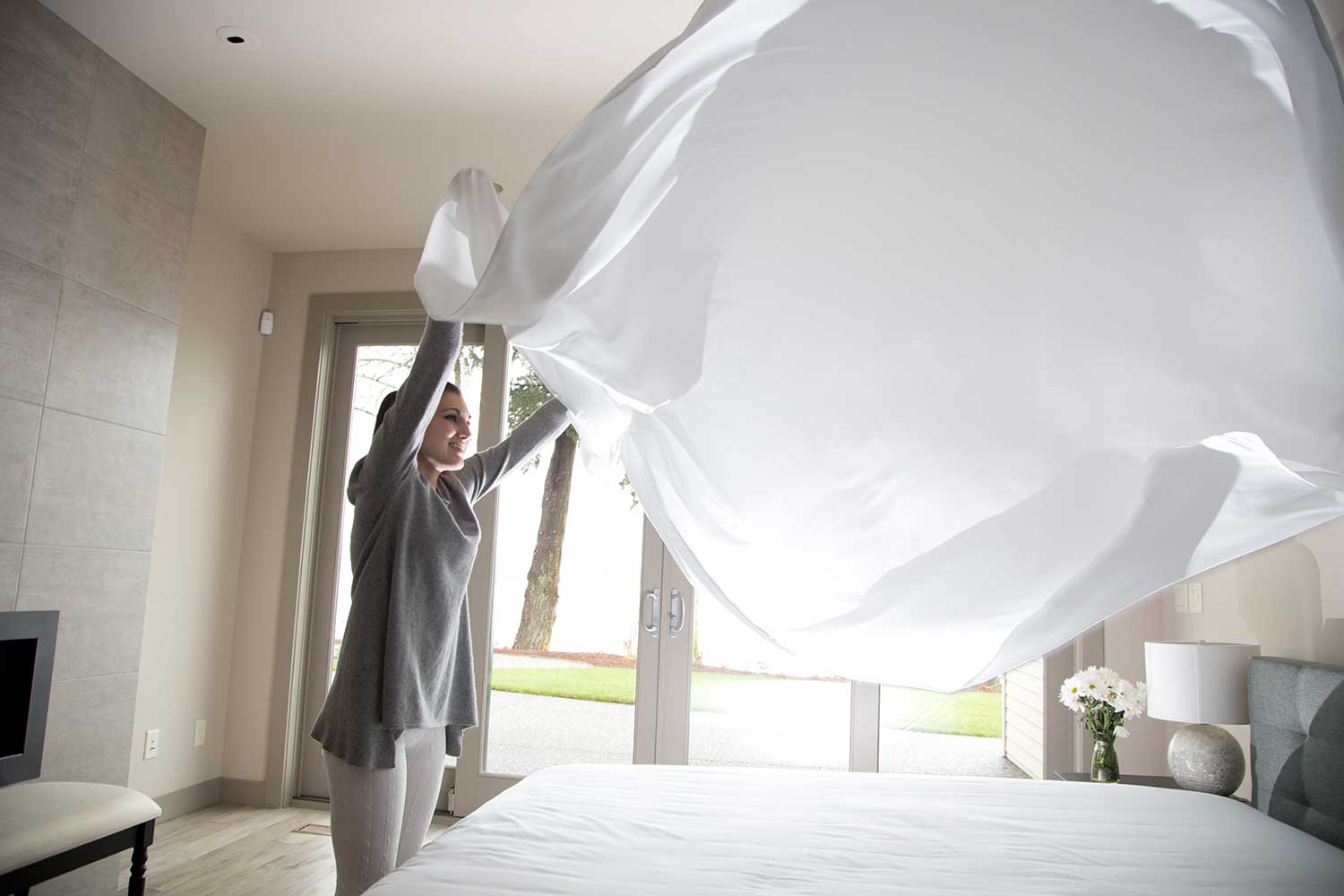
What you do immediately after the dryer stops matters just as much as the drying process itself. Proper handling in these final minutes ensures your sheets remain smooth and soft.
Shake Sheets Vigorously Upon Removal
As soon as you remove the sheets from the drum, shake them out vigorously in the air. This action releases trapped moisture and heat while loosening any light wrinkles that may have formed. It helps the fabric relax before you attempt to fold or store it.
Smooth Creases by Hand
Lay the sheet flat on your bed or a clean surface immediately after shaking. Run your hands over the fabric to smooth out any remaining creases, paying special attention to the edges and corners. This manual step ensures a crisp finish.
Allow Brief Air Drying If Damp
If you removed the sheets while they were slightly damp, hang them over a drying rack or spread them on the bed for 10 to 15 minutes. This final air-dry step prevents the stiffness associated with over-drying and reduces wrinkles naturally.
Critical: Leaving sheets in the dryer after the cycle ends allows wrinkles to set permanently. Remove them immediately.
Fold and Store Linens Immediately
Do not let freshly dried sheets sit in a laundry basket. Immediate folding prevents new wrinkles from forming and keeps your linens ready for use.
Fold Neatly or Roll for Storage
Fold your sheets into compact rectangles for easy stacking in your closet. Alternatively, you can roll them for a spa-like storage appearance. For matching sets, tuck the folded fitted sheet inside the flat sheet to keep pairs together.
Store in a Dry and Cool Environment
Keep your linens in a well-ventilated closet away from humidity. Never store sheets that are even slightly moist, as this can lead to mildew growth and musty odors.
Freshness Tip: Add a sachet of lavender or cedar blocks to your drawers to keep them fresh and deter pests naturally.
Troubleshoot Common Drying Issues
Even with perfect technique, you may encounter issues related to your machine or load size. Understanding these problems helps you adjust your approach for better results.
Address Sheets That Remain Damp
If your sheets are still wet after a full cycle, check if the dryer is overloaded. Too many sheets block airflow and prevent even drying. Clean your lint filter before every load, as restricted airflow significantly slows drying time. If sheets are soaking wet after washing, your washer spin cycle may be failing.
Investigate Unusual Noises
Listen for knocking sounds during drying, which could indicate worn drum bearings or loose parts. Grinding or squeaking noises may suggest that the motor or rollers require maintenance.
Reset Machines That Stop Mid-Cycle
If your machine locks and will not open, unplug it and wait 10 to 30 minutes. Try pressing the Start or Pause button for five seconds to reset the system. Check the pump filter located behind the front bottom panel, as a clogged filter can halt the cycle entirely.
Replacement Advice: Machines over 10 to 14 years old often cost more to repair than replace. Consider upgrading if your unit fails frequently.
Frequently Asked Questions About Drying Bed Sheets
What is the best way to dry bed sheets without wrinkles?
The best method involves loading sheets one by one in a specific order: pillowcases first, then the flat sheet, and finally the fitted sheet with tucked corners. Use wool dryer balls, select a delicate cycle with low heat, and remove the sheets while they are still slightly damp to smooth them out.
Can I put bed sheets in the dryer on high heat?
No, you should avoid using high heat for bed sheets. High temperatures can damage fabric fibers, cause significant shrinkage, and create deep wrinkles that are hard to remove. Always use low to medium heat settings to preserve the quality and softness of your linens.
How many dryer balls should I use for a load of sheets?
You should use two to three wool dryer balls per load of sheets. These balls help separate the fabric layers, improve airflow to reduce drying time, and soften the sheets naturally without chemical additives.
Why do my sheets come out of the dryer tangled?
Sheets often come out tangled because they were loaded all at once or the dryer was overloaded. Loading items individually and keeping the drum only one-third to one-half full allows the sheets to tumble freely and prevents them from wrapping around each other.
Should I air dry my sheets after using the dryer?
Yes, air drying sheets briefly after the dryer cycle is beneficial, especially if you remove them while slightly damp. Hanging them for 10 to 15 minutes allows residual moisture to evaporate naturally, which reduces stiffness and eliminates remaining wrinkles.
Key Takeaways for How to Dry Bed Sheets Effectively

Mastering how to dry bed sheets requires attention to loading order, heat settings, and immediate post-cycle handling. By loading items individually, using wool dryer balls, and selecting gentle cycles, you can prevent wrinkles and extend the life of your bedding.
Remember to remove your sheets while they are slightly damp and shake them out immediately. This final step ensures a soft, crisp finish that feels luxurious against your skin. Start applying these techniques today to transform your laundry routine and enjoy perfectly dried sheets every time.