
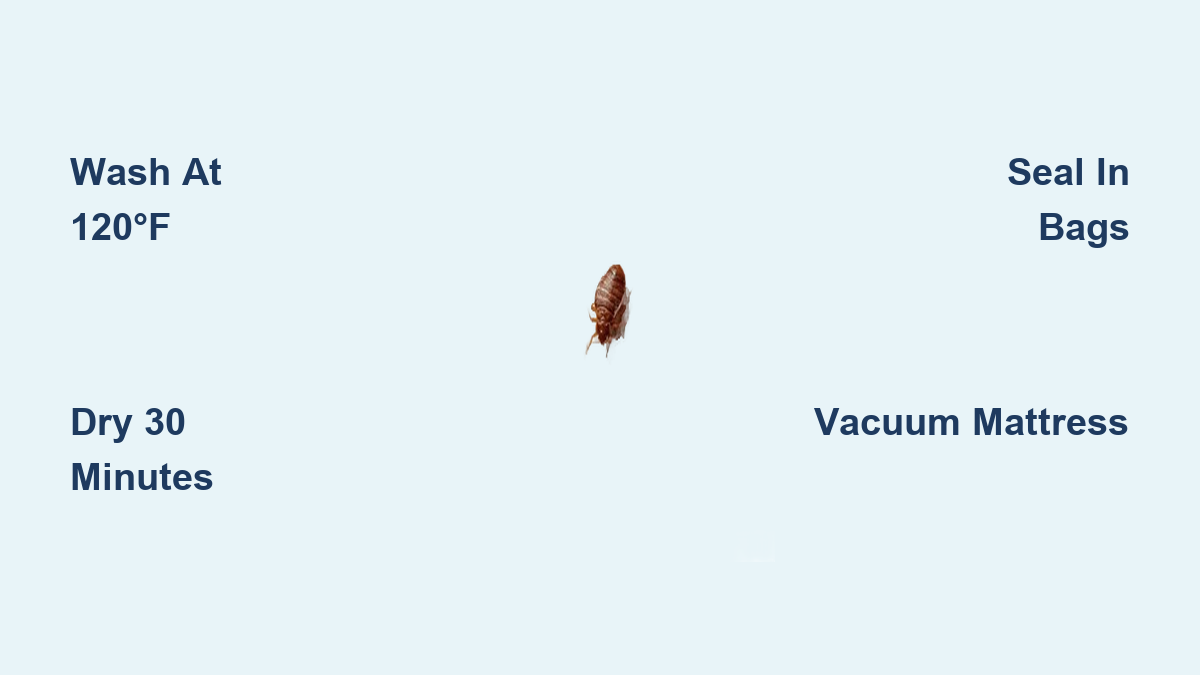
Discovering bed bugs in your sleeping area creates immediate panic, but you can stop their spread by learning how to clean sheets with bed bugs effectively. High heat is the only reliable way to kill these pests and their resilient eggs during the laundry process.
This guide details the exact temperatures required, safe handling techniques to prevent spreading infestation, and why drying matters just as much as washing. You will gain a clear action plan to sanitize your linens and protect your home from re-infestation.
Wash Infested Linens at 120°F or Higher
:max_bytes(150000):strip_icc()/Handle-bed-bug-infestation-laundry-2146304-V1-899a4efc4ca54972959fafa4c1263cf4.png)
Heat acts as your primary weapon when laundering bedding suspected of harboring bed bugs. Water must reach at least 120°F (49°C) to ensure both adult bugs and their eggs die on contact.
Select the Hottest Safe Water Cycle
Always check fabric care labels first, yet prioritize the hot water setting whenever the material allows. Cotton and most synthetic blends withstand high temperatures that penetrate deep into fibers.
- Hot water kills adult bed bugs within minutes of exposure.
- Eggs require sustained temperatures above 120°F for roughly 20 minutes to die.
- Cold or warm cycles often fail to kill eggs and may scatter live bugs.
Handle Contaminated Sheets with Extreme Care
Agitating sheets before washing can launch live bugs into the air or onto clean surfaces nearby. You must minimize movement while stripping the bed to contain the problem.
- Place a large plastic trash bag directly on the bed near the sheets.
- Strip bedding slowly directly into the bag without shaking it.
- Seal the bag tightly before carrying it to the washing machine.
- Avoid setting the bag on carpets, furniture, or other beds during transport.
Dry Bedding on High Heat for 30 Minutes
The drying phase is critical because bed bugs can survive submersion in water if the temperature is insufficient. Dry heat penetrates fabric more effectively than wet heat to eliminate all life stages.
Understand Why Drying Kills Bed Bugs
Many homeowners assume the wash cycle does all the work, but the dryer provides the lethal blow. The combination of tumbling and high temperature ensures no bug survives.
- Bed bugs die instantly at 113°F, but eggs need higher heat.
- Maintain a dryer temperature of 120°F or higher for at least 30 minutes.
- Use a dryer thermometer to verify the internal drum reaches lethal levels.
Dry Non-Washable Items to Ensure Safety
Items like pillows, comforters, or delicate blankets that cannot be washed can still be treated. The dry heat alone is sufficient to sanitize these materials without water damage.
- Place dry items directly into the dryer on the highest heat setting.
- Run the cycle for a minimum of 30 minutes to kill hidden pests.
- Do not overload the machine so hot air circulates freely through all layers.
Bag and Isolate Infested Items Immediately
Improper handling during the cleaning process often spreads bed bugs to other rooms. Isolating infested items prevents clean laundry from becoming recontaminated during your workflow.
Seal Items Before Transporting to Laundry
Once you remove sheets from the bed, place them immediately into heavy-duty plastic bags. Double-bagging adds an extra layer of security against escapees.
- Label bags clearly as “infested” to prevent accidental unsealing.
- Never leave open baskets or hampers filled with dirty linens on the floor.
- Carry sealed bags directly to the washing area without detours.
Sanitize Your Washing Machine After Use
Bed bugs or eggs might survive in the rubber seals or crevices of your washing machine. Running a cleaning cycle protects your next load of laundry from cross-contamination.
- Run an empty hot water cycle with bleach or vinegar after washing infested items.
- Wipe down the drum, door gasket, and detergent drawer with a damp cloth.
- Leave the machine door open afterward to let moisture escape and dry out.
Vacuum Mattress and Surroundings Before Washing
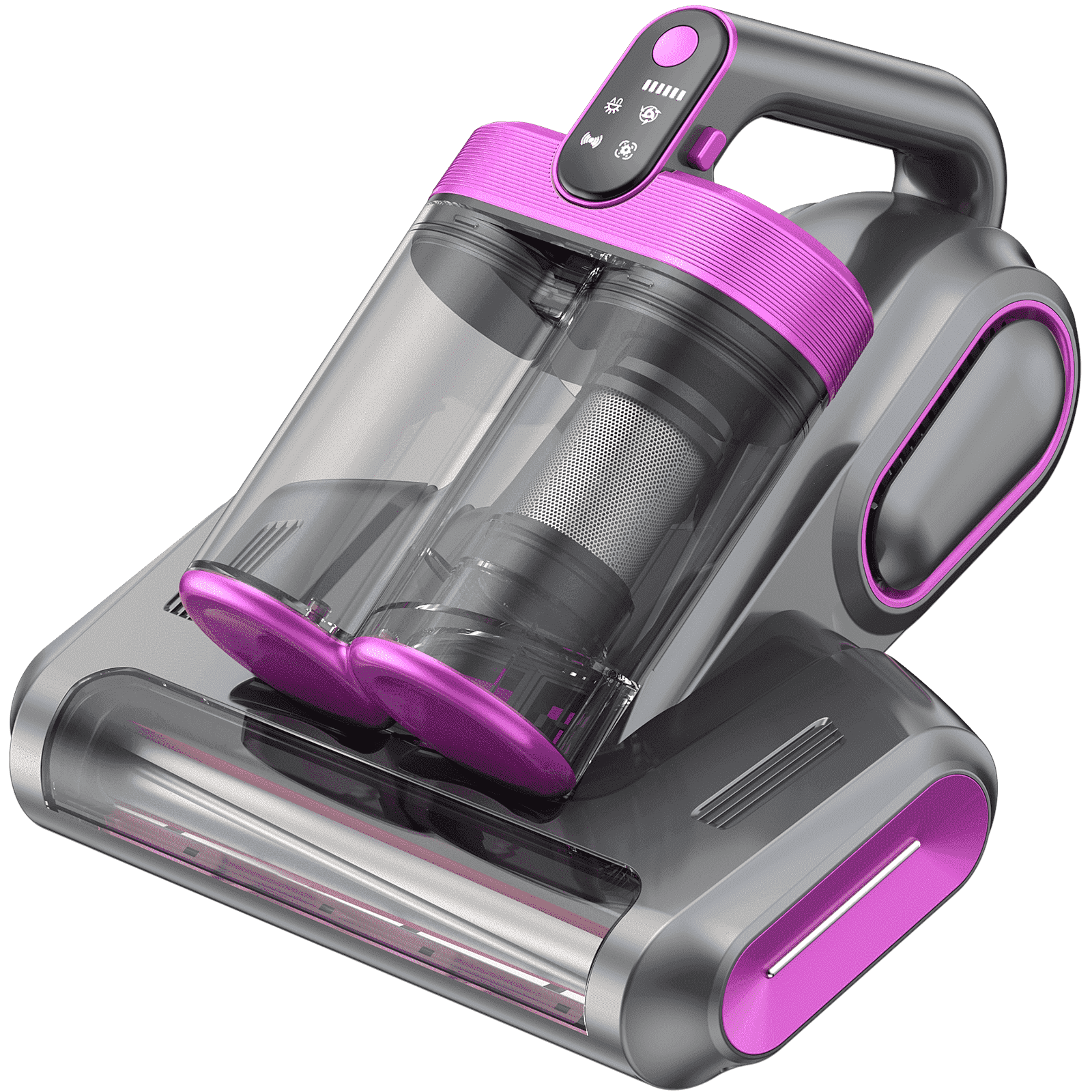
Washing sheets addresses only the fabric, leaving the root population in your mattress and bed frame untouched. Vacuuming reduces the number of hidden bugs before you even touch the linens.
Target High-Risk Hiding Spots
Use a vacuum equipped with a HEPA filter and a narrow crevice tool for best results. Focus your efforts on areas where bed bugs cluster during the day.
- Scrub vacuum seams, tufts, and folds of the mattress surface.
- Clean along box spring edges, joints, and stapled areas.
- Vacuum cracks in the bed frame, screw holes, and nearby baseboards.
Dispose of Vacuum Debris Safely Outside
Bed bugs can crawl out of a standard vacuum canister or survive inside a bag. You must dispose of the contents carefully to prevent them from returning to your home.
- Empty the vacuum cleaner outside, far away from your house entrance.
- Seal the debris in a plastic bag and place it in an outdoor trash bin immediately.
- Consider using disposable vacuum bags specifically for infested zones.
Treat the Entire Bedding System Thoroughly
Cleaning sheets alone leaves other fabric items as potential reservoirs for bed bugs. A comprehensive approach includes every textile item within the sleeping environment.
Launder All Bed-Related Fabrics Together
Gather every fabric item that touches or resides near your bed for a simultaneous wash. This prevents bugs from migrating between clean and untreated items.
- Wash pillowcases, duvet covers, and blankets in hot water.
- Include mattress protectors and any curtains within six feet of the bed.
- Launder sleeping garments and pajamas alongside your sheets.
Encase Mattress and Box Spring Securely
Even after washing sheets, bed bugs often remain deep inside the mattress structure. Encasement traps any survivors inside and prevents new bugs from entering.
- Install bed bug-proof encasements on both mattress and box spring.
- Keep encasements on for at least 18 months to starve trapped bugs.
- Dispose of heavily infested items only if properly bagged and marked.
Prevent Re-Infestation After Cleaning
Killing bugs on your sheets is a victory, but preventing their return requires ongoing vigilance. Re-infestation often occurs when hidden populations migrate back to the clean bed.
Monitor Your Bed Regularly for Activity
Place bed bug interceptors under each leg of your bed frame to catch wandering pests. These devices provide an early warning system for any remaining infestation.
- Check interceptors weekly for dark spots, shed skins, or live insects.
- Place sticky traps around the bed frame to capture stragglers.
- Inspect sheets daily for new blood spots or black fecal dots.
Maintain a Clutter-Free Sleeping Zone
Reducing clutter eliminates hiding spots and makes future detection much easier. A minimalist bed area limits the places bed bugs can establish a foothold.
- Avoid storing boxes, books, or clothes under the bed.
- Keep nightstands clear of unnecessary items like bags or piles of paper.
- Wash and dry bedding weekly on high heat during active treatment.
Know When to Call a Professional Pest Controller
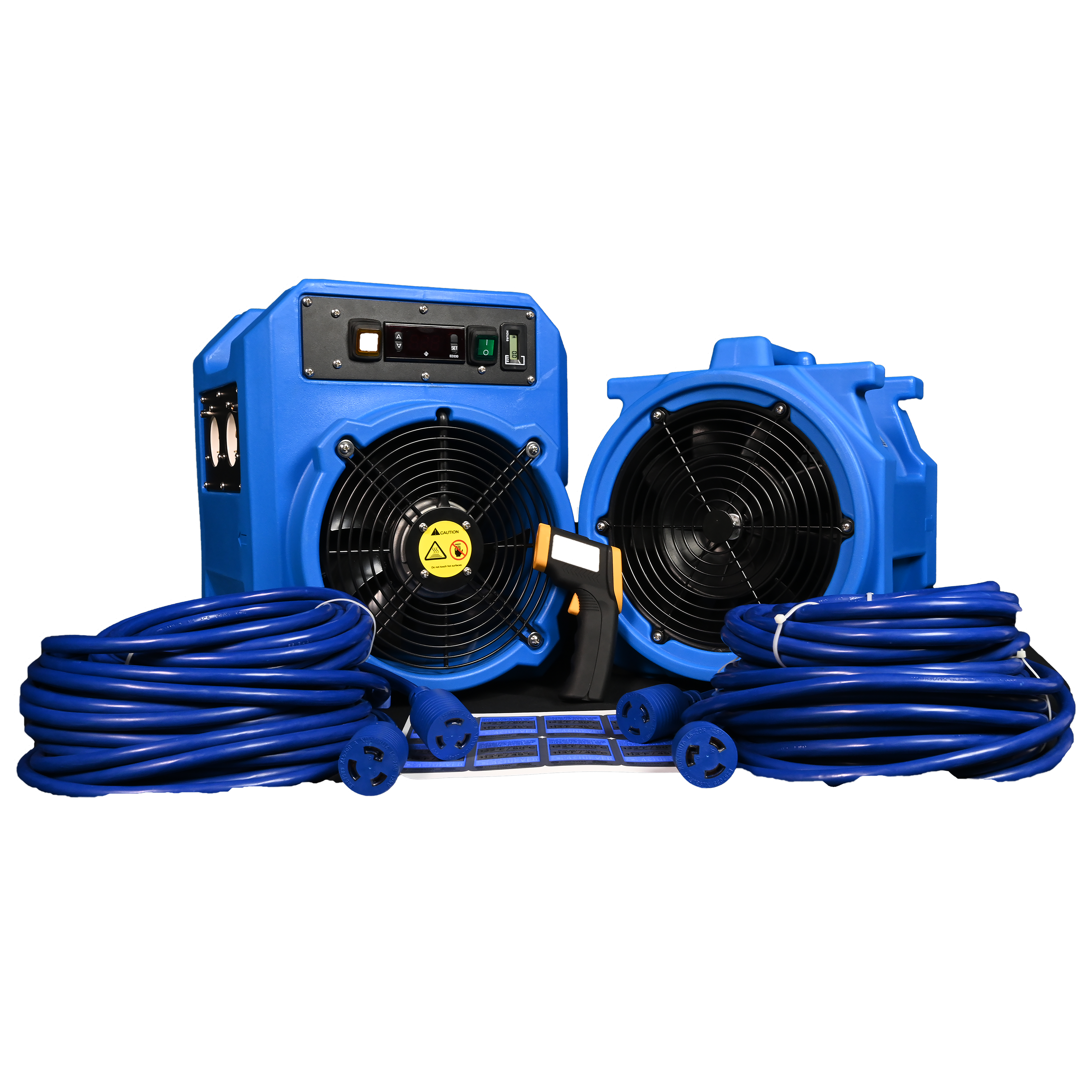
Home cleaning methods help manage the problem, but established infestations often require expert intervention. Recognizing when to seek help saves time and prevents the problem from worsening.
Identify Signs You Need Expert Help
Certain indicators suggest that DIY cleaning is insufficient to control the population. Professional assessment becomes necessary when the infestation spreads beyond the bed.
- You see live bugs after multiple rounds of cleaning and drying.
- Bites continue appearing despite having clean, heat-treated sheets.
- Stains or spots appear on walls, baseboards, or furniture away from the bed.
- The infestation spreads to other rooms or living areas.
Understand Professional Treatment Options
Pest control experts use methods that reach bugs deep inside walls and furniture. Their tools complement your cleaning efforts to ensure total elimination.
- Heat treatment raises room temperature to 135°F+ to kill all life stages.
- Targeted insecticides are applied to cracks, seams, and hidden voids.
- Follow-up visits ensure complete elimination of any surviving eggs.
Frequently Asked Questions About Cleaning Bed Bug Sheets
What temperature kills bed bugs and their eggs instantly?
Bed bugs die at 113°F, but eggs require at least 120°F for 20 minutes to ensure destruction. Washing at 120°F and drying on high heat for 30 minutes guarantees elimination.
Can I save my sheets if they have bed bugs on them?
Yes, you can save infested sheets by washing them in hot water and drying on high heat. The combination of hot water and sustained dryer heat kills all bugs and eggs effectively.
Will cold water wash kill bed bugs on sheets?
No, cold water will not kill bed bugs or their eggs and may spread them further. You must use water at least 120°F and high-heat drying to eliminate the infestation.
How long do I need to dry sheets to kill bed bugs?
You should dry sheets on the highest heat setting for at least 30 minutes. This duration ensures the heat penetrates all layers of fabric to kill hidden bugs and eggs.
Should I throw away my mattress if I have bed bugs?
You usually do not need to throw away your mattress if you use proper encasements. Encasing the mattress traps bugs inside and prevents new ones from entering for over a year.
Key Takeaways for Learning How to Clean Sheets with Bed Bugs
Successfully eliminating bed bugs from your linens requires washing at 120°F and drying on high heat for 30 minutes. Remember that cleaning sheets is just one part of a larger strategy that includes vacuuming, encasing, and monitoring.
Take action today by gathering all bedding, sealing it in bags, and running a high-heat cycle immediately. Combine these laundry steps with professional advice if the infestation persists to reclaim your sleeping space fully.