
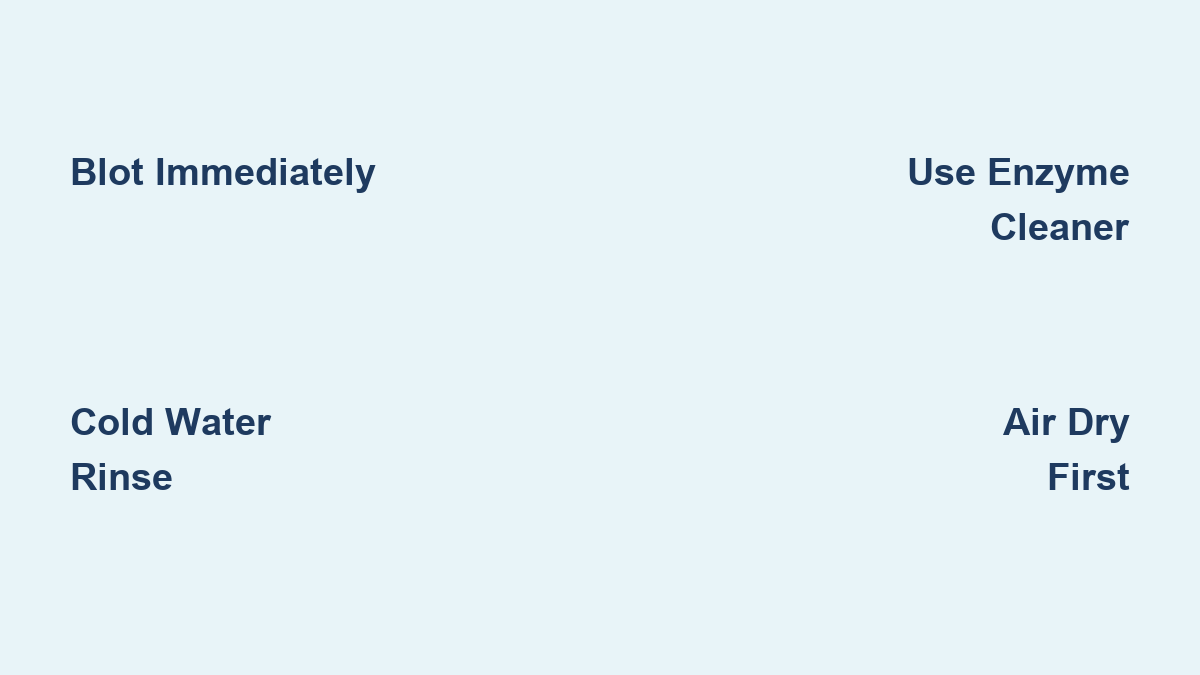
Finding a wet, smelly spot on your bed sheets is never pleasant, whether from a child, pet, or medical accident. You need to know how to get pee out of bed sheets quickly before the stain sets and the odor becomes permanent.
This guide explains exactly how to blot, rinse, and treat urine using cold water, enzymes, or vinegar to neutralize odors completely. You will learn the specific steps to wash safely and why air drying is the most critical final step.
Blot and Contain Urine Immediately

Time is your biggest ally when dealing with urine on sheets because liquid soaks deeper the longer it sits. You must start within minutes to prevent the urine from reaching the mattress or spreading through the fabric weave.
Press Firmly Without Rubbing
Use a clean, dry towel or several layers of paper towels to press down firmly on the wet area. Never rub the fabric because this mechanical action forces urine deeper into the fibers and spreads the contamination. Replace your towels as they soak through and continue pressing until no more moisture transfers to the cloth.
Isolate the Affected Area
Keep the wet area isolated to prevent cross-contamination with other parts of the bed. If you suspect urine has reached the mattress, place a waterproof barrier like a shower curtain underneath the sheet during your cleanup process.
Rinse Stains with Cold Water Only
Flushing out residual urine before applying cleaners is critical for success. You must use cold running water exclusively because hot water causes proteins in urine to coagulate and bind permanently to fabric fibers.
Flush from the Reverse Side
Turn the sheet over so the back of the stain faces up and pour cold water through the fabric from this reverse side. This technique forces the urine out through the front of the material rather than pushing it deeper into the core. Continue rinsing for two to five minutes until the water running off the fabric appears completely clear.
Avoid Heat During Initial Rinse
Using hot water at this early stage will cook the proteins into the fabric and make the stain permanent. Even if you plan to wash with warm water later, the initial rinse must always be cold to ensure the stain remains removable.
Apply Enzyme Cleaner to Break Down Odors

Enzyme cleaners are the gold standard for organic stains because they actively digest the protein structures and ammonia compounds found in urine. These products do not just mask odors but destroy the uric acid crystals that cause lingering smells.
Allow Time for Enzymatic Action
Apply the enzyme product directly to the damp stain and let it sit for 30 to 60 minutes without letting it dry. Enzymes require this dwell time to break down the crystals effectively, so keeping the area moist is essential for maximum performance.
Select the Right Product
Look for formulas specifically labeled for “pet urine” or “organic stains” as these contain higher enzyme concentrations. This method works best for fresh accidents or recurring stains where deep odor neutralization is required.
Use Vinegar and Baking Soda Mixture

If you do not have an enzyme cleaner, you can use common household ingredients to neutralize odor and lift stains effectively. This DIY solution relies on a chemical reaction to help lift residue from the fabric.
Mix and Apply Solution
Combine one tablespoon of baking soda, one tablespoon of white distilled vinegar, and one cup of cold water in a bowl. Pour this mixture directly onto the stain and let it sit for at least 30 minutes, or up to one hour for older stains.
Understand the Chemical Reaction
The acidity of the vinegar neutralizes the alkaline uric acid while the baking soda helps deodorize and gently lift the stain. This combination is safe for cotton, polyester, and most blends but should be tested on delicate fabrics first.
Soak Sheets to Remove Deep Odors

Surface cleaning often fails to reach deep crystals if the urine has soaked in or dried completely. A pre-soak ensures the cleaning solution penetrates the full depth of the fabric fibers.
Submerge in Vinegar Solution
Fill a basin or bathtub with cold water and add white vinegar to create a one-to-one ratio with the water. Submerge the entire sheet and let it soak for 30 minutes before moving to the washing machine.
Target Crystallized Uric Acid
This extended exposure allows the acetic acid in the vinegar to dissolve crystallized uric acid that regular washing cycles might miss. This step is ideal for sheets that still smell after a normal wash or have been stained for a long time.
Wash Using Cold or Lukewarm Settings
The washing machine phase rinses away broken-down organic matter and cleaning agents from the fabric. You must continue to avoid hot water settings unless you are certain the stain is fully treated.
Select Appropriate Cycle Temperature
Use cold or lukewarm water settings to prevent any residual proteins from setting permanently under heat. Choose a normal wash cycle and consider adding a second rinse cycle for heavily soiled items to flush out all residues.
Add Detergent and Boosters
Use a high-quality laundry detergent at the standard dose and add one cup of white vinegar to the drum or fabric softener dispenser. For white or color-safe sheets, you can also add half a cup of oxygen-based bleach to break down stains without damaging the fabric.
Handle Delicate Fabrics with Care
Not all bed sheets can handle aggressive cleaning agents or machine agitation. Always check the care label before applying vinegar, enzymes, or strong detergents to your linens.
Protect Silk and Fine Cotton
Hand wash delicate materials like silk in cold water with a mild, pH-neutral detergent instead of using a machine. Avoid using baking soda and strong acids on these fabrics as they can weaken delicate fibers and cause damage.
Blot and Air Dry Gently
Blot and rinse delicate fabrics gently before laying them flat to air dry. For valuable or complex fabrics, immediate blotting followed by professional cleaning may be the safest option to avoid ruin.
Air Dry Sheets Before Heat Verification
This is the most important rule of urine removal: never use a dryer until you are 100 percent sure the stain and odor are gone. Dryer heat acts as a fixing agent that permanently bonds uric acid to fabric fibers.
Understand the Risk of Heat
If any trace of urine remains, the high temperature of a dryer will bake the odor and stain into the sheets permanently. Once heat sets the problem, re-washing often fails to remove the smell because the proteins are now locked in.
Inspect Before Drying
Check the sheet visually and by smell while it is still damp to ensure no traces remain. If you detect any yellowing or odor, repeat the treatment and washing process immediately before attempting to dry again.
Utilize Sunlight for Natural Disinfection
Sunlight serves as a powerful natural disinfectant and odor eliminator for your freshly washed sheets. Hanging sheets outside allows UV rays to kill odor-causing bacteria and break down remaining organic matter.
Hang Outside in Direct Sun
If weather permits, hang your sheets in direct sunlight for two to six hours depending on humidity. The fresh air circulation also helps carry away volatile compounds that contribute to lingering smells.
Ensure Indoor Airflow if Needed
If you cannot go outside, hang sheets on a drying rack near an open window or fan to ensure good ventilation. Make sure both sides of the fabric get air circulation and avoid folding them until they are completely dry.
Inspect and Re-Treat Persistent Stains
Some cases require extra effort, especially with chronic bedwetting or old pet accidents. You must verify the results before storing the sheets or putting them back on the bed.
Perform Visual and Olfactory Checks
Examine the stain area under bright light for any yellowing and sniff the fabric closely, especially when warm. If you detect any trace of smell or discoloration, you must repeat the entire process including re-treating and re-washing.
Run a Double Wash Cycle
For persistent issues, run a first wash with warm water and oxygen bleach followed by a second cold wash with just vinegar. This two-step process breaks down leftover crystals and ensures complete odor neutrality.
Compare Cleaning Methods for Results
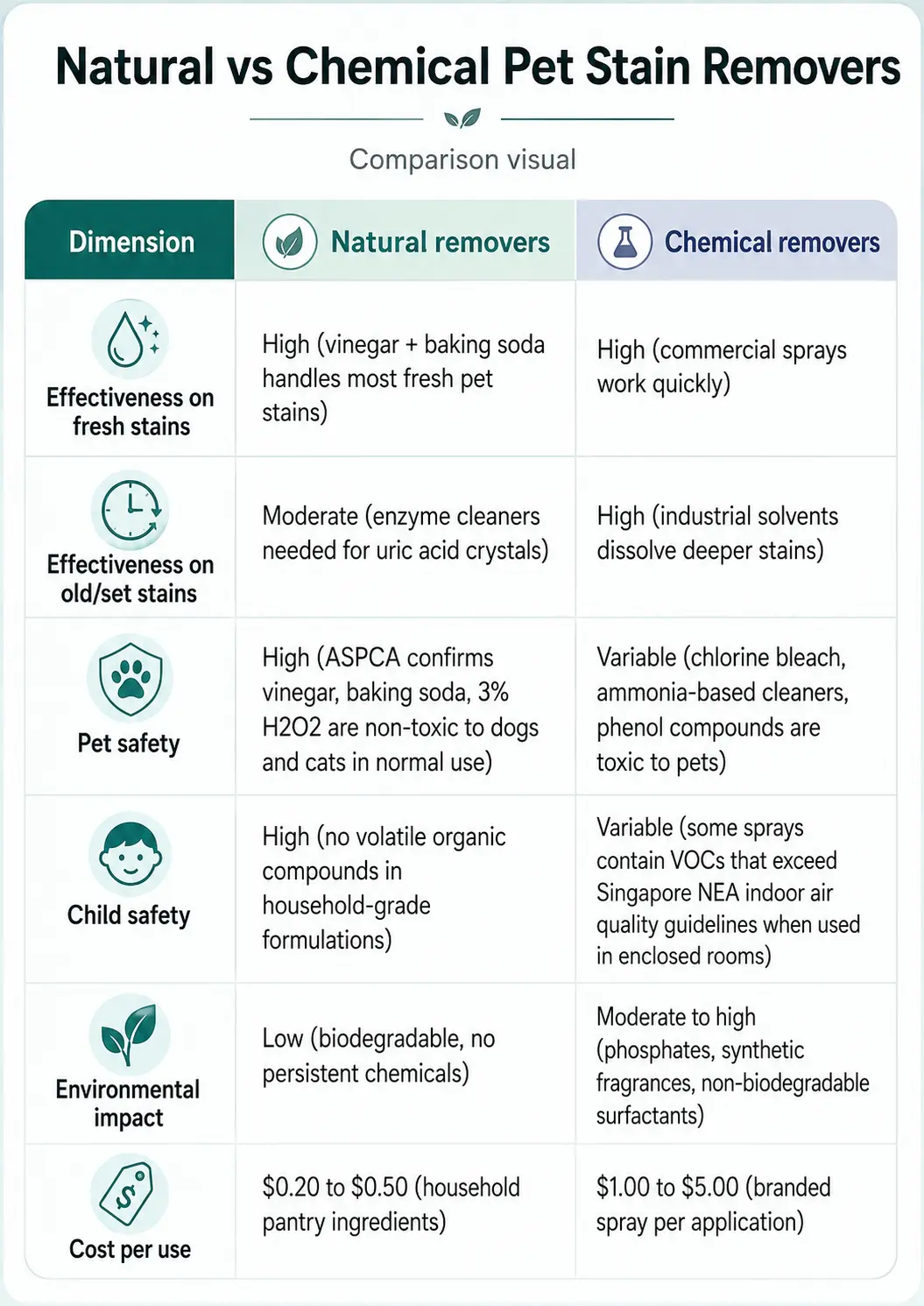
Choosing the right method depends on your specific situation and the age of the stain. Different scenarios require different approaches for the best outcome.
- Fresh accidents: Use blotting, cold rinse, and enzyme cleaner to stop setting early.
- Mild odors: Add vinegar to the wash cycle to neutralize smells safely.
- Old stains: Use pre-soak, enzyme treatment, and a double wash to reach deep crystals.
- White sheets: Combine oxygen bleach and vinegar to whiten and disinfect.
- Delicates: Stick to blotting, cold hand washing, and air drying to prevent damage.
Avoid Common Cleaning Mistakes
Even with the right steps, simple errors can ruin your results and set stains permanently. Awareness of these pitfalls ensures your cleaning efforts succeed.
Do Not Use Hot Water Early
Heating the fabric too soon cooks proteins into the fibers and makes the stain permanent. Always start with cold water and only consider warmer temperatures after the stain is fully treated.
Do Not Mix Vinegar and Bleach
Never mix vinegar with chlorine bleach because this creates toxic chlorine gas that is dangerous to inhale. Wait several wash cycles between using these chemicals to ensure the machine is fully rinsed.
Test for Color Fastness First
Apply a small amount of your cleaning solution to a hidden corner like a hem before treating the main stain. Wait five minutes and blot dry to check for color change or damage before proceeding with the full treatment.
Frequently Asked Questions About Removing Urine from Sheets
Can I use hot water to wash pee out of bed sheets?
No, you must use cold or lukewarm water initially because hot water causes proteins in urine to coagulate and set permanently. Heat bonds the uric acid to the fabric, making the stain and odor nearly impossible to remove later.
What is the best homemade solution for urine stains?
A mixture of one tablespoon baking soda, one tablespoon white vinegar, and one cup cold water works effectively. This solution neutralizes alkaline uric acid and lifts stains through a gentle chemical reaction.
How long should I let enzyme cleaner sit on the stain?
You should let enzyme cleaner sit for 30 to 60 minutes to allow it to break down uric acid crystals fully. Keep the area moist during this time so the enzymes can digest the organic matter causing the odor.
Why does my sheet still smell after washing?
The smell likely remains because the urine was not fully neutralized before drying or heat was applied too soon. You must air dry the sheet first to verify the odor is gone before using a dryer.
Is sunlight effective for removing urine odors?
Yes, sunlight provides UV radiation that acts as a natural disinfectant to kill bacteria causing odors. Hanging sheets outside also allows fresh air to carry away volatile compounds left in the fabric.
Can I use bleach to remove urine stains?
You can use oxygen bleach on white or color-safe sheets, but never mix chlorine bleach with vinegar. Chlorine bleach alone may not break down uric acid effectively and can damage fibers if not used correctly.
Key Takeaways for Getting Pee Out of Bed Sheets

Successfully removing urine requires immediate action with cold water, effective treatment using enzymes or vinegar, and strict avoidance of heat until the stain is gone. Always air dry your sheets first to verify the odor is completely eliminated before using a dryer.
Keep vinegar and enzyme cleaners on hand for quick response to accidents and always test solutions on a hidden area first. By following these science-backed steps, you can restore your bed sheets to a fresh, clean, and odor-free condition.