

Spilled nail polish on your linens? You can save your bedding by knowing how to get nail polish out of bed sheets quickly before the formula hardens. Whether it is a fresh drip or a dried gel splotch, the right solvent and technique will lift the stain without ruining the fabric.
This guide details specific steps for cotton, synthetics, and delicate fibers using household items. You will learn how to choose the correct remover, avoid common errors like scrubbing, and ensure the stain is gone before drying.
Act Fast to Prevent Permanent Damage
Time is your most valuable tool when dealing with nail polish spills on fabric. The faster you respond to the accident, the higher your chances of complete removal without harsh chemicals.
Blot Gently Instead of Rubbing
Immediately dab the wet area with a clean, dry cloth or paper towel. Use a light tapping motion to absorb liquid without pushing it deeper into the weave. Never scrub the spot, as this spreads the pigment and forces it further into the fibers. Work from the outer edge toward the center to prevent a larger ring.
Stop the Spread to Other Layers
Place a fresh towel underneath the stained section of the sheet. This barrier catches any polish that seeps through the fabric layers. It protects your mattress or the other side of the sheet from becoming stained during the cleaning process.
Assess Wet versus Dried Stains
Identify if the polish is still wet or has already hardened on the fabric. Fresh stains respond well to simple blotting and mild solvents for quick removal. Dried or gel polish requires stronger treatment with acetone to break down the hardened polymers.
Choose the Right Solvent for Removal
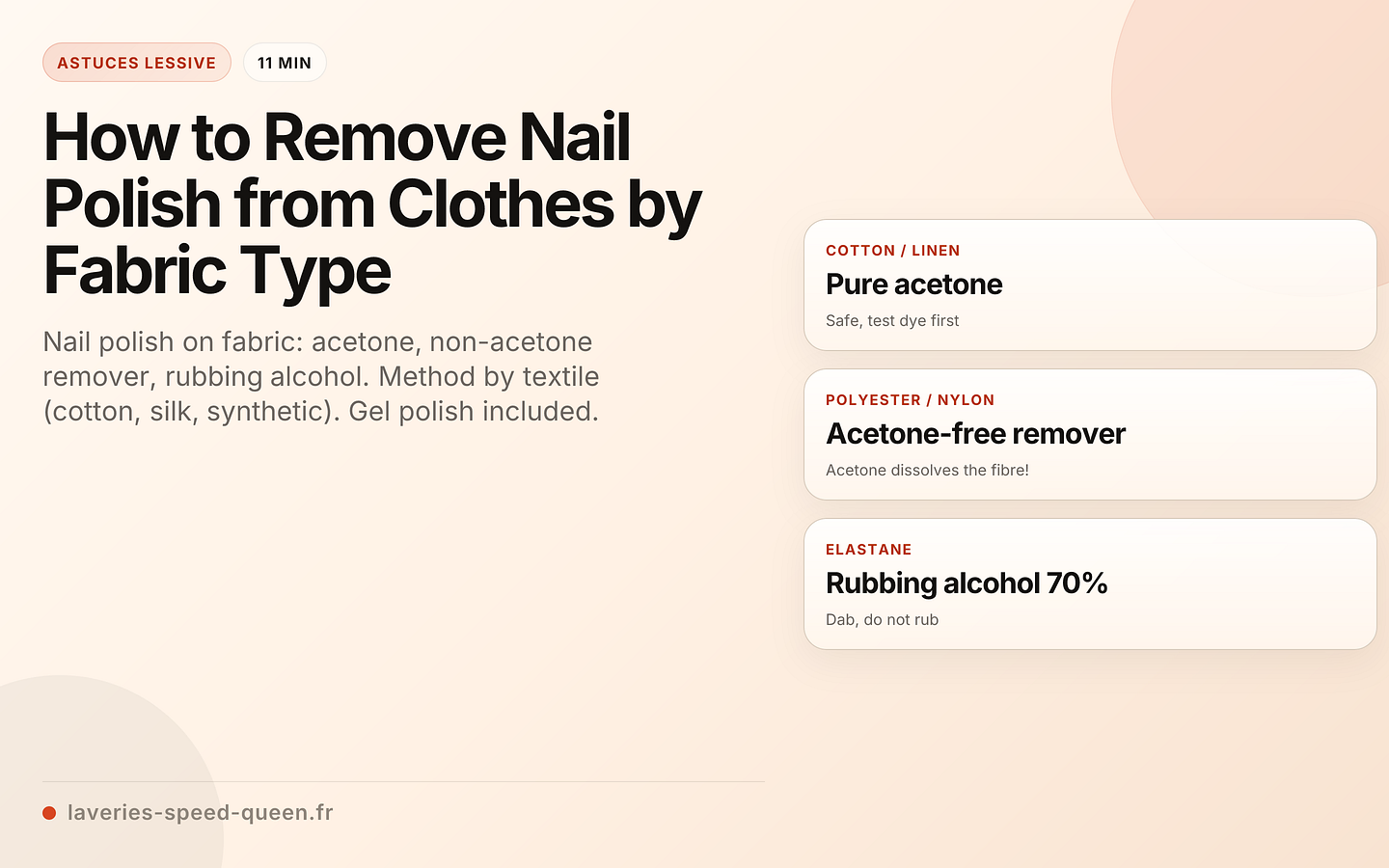
Not all nail polish removers work equally well on every type of fabric or polish. Selecting the correct chemical agent depends on your sheet material and the polish composition.
Use Acetone for Tough Stains
Acetone is the strongest household solvent for dissolving both regular and gel nail polish effectively. It breaks down the polymer structure, turning hardened stains back into a liquid you can blot away.
Perform a Patch Test First
Apply a small drop of acetone to a hidden area like a hem or corner seam. Wait 30 seconds and blot to check for color fading or fiber damage. Skip this solvent entirely if the fabric reacts poorly to the test drop.
Apply Acetone With Care
- Soak a white cotton ball in acetone-based nail polish remover.
- Dab the soaked ball gently onto the stained area.
- Let it sit for 1 to 2 minutes to penetrate the fibers.
- Blot with a clean cotton ball to lift the dissolved polish.
- Repeat with fresh cotton balls until no color transfers.
Expert Note: Always use white cloths or cotton balls to avoid dye transfer from colored applicators.
Try Rubbing Alcohol for Sensitive Fabrics
Rubbing alcohol serves as a gentler alternative if acetone is too harsh for your specific sheets. This method works well for standard polish but may require more patience for gel formulas.
How to Apply Alcohol Safely
- Soak a cotton ball in standard isopropyl rubbing alcohol.
- Dab the stain using the outside-in technique carefully.
- Replace the cotton ball frequently as it absorbs color.
- Rinse the area with cold water after treatment completes.
Rubbing alcohol often needs multiple applications for dried stains. It is less likely to damage dyes on colored sheets compared to pure acetone.
Avoid These Harmful Solvents
- Non-acetone removers: Often too weak for dried or gel polish removal.
- Hairspray or sanitizer: May contain additives that set stains permanently.
- Bleach: Can react with polish chemicals and cause yellowing or fabric breakdown.
Match Method to Fabric Type
Your sheet material determines which solvents are safe to use without causing damage. Using the wrong chemical can melt fibers or strip colors permanently.
Cotton and Cotton Blends Are Acetone-Safe
Most bed sheets consist of cotton or cotton blends that handle acetone very well. You can use acetone treatment followed by a machine wash for best results. Always patch test dark colors to ensure no slight fading occurs.
Polyester and Nylon Need Caution
Synthetic fabrics can tolerate acetone but are more sensitive than natural cotton fibers. A patch test is mandatory before applying strong solvents to these materials. Start with rubbing alcohol if you feel unsure about the fabric tolerance.
Acrylic Fibers Melt With Acetone
Acetone melts acrylic fibers because it is the same chemical used to dissolve plastic. Never apply acetone to acrylic sheets under any circumstances. Use mild dish soap and warm water for fresh stains or seek professional dry cleaning for dried ones.
Silk and Wool Require Professional Care
Delicate natural fibers like silk and wool are easily damaged by harsh solvents. Avoid acetone and alcohol completely on these materials. Blot gently with a cloth dampened with mild soap and water, then take the item to a professional cleaner.
Wash and Rinse Properly After Treatment
Laundering removes residual chemicals and any remaining pigment after you treat the stain. Proper washing ensures the sheet is clean and safe for sleeping.
Wash in Hot Water If Safe
Check the care label for the maximum safe water temperature. Use the hottest water allowed, as heat helps dissolve leftover polish and solvent residues. Add a high-quality detergent and a stain-fighting booster for stubborn red or dark polishes.
Run a Full Cycle With Extra Rinse
A complete wash cycle ensures thorough cleaning of the entire sheet. Consider running an extra rinse cycle for large or deep stains. This flushes out all traces of acetone or alcohol from the fabric fibers.
Never Dry Until Stain Is Gone
This is the most critical rule for saving your linens from permanent damage. Do not put the sheets in the dryer until the stain is completely gone.
Why Heat Sets Stains Permanently
Dryers use heat to evaporate moisture from wet fabrics. If any polish residue remains, the heat bonds it permanently to the fibers. This makes the stain nearly impossible to remove later.
Inspect Before Drying Thoroughly
- Remove the sheet while it is still damp from the wash.
- Hold it up to bright light or inspect under a lamp.
- Repeat the solvent treatment if any discoloration remains.
- Wash again and only dry when the area looks completely clean.
Air drying is the safest option if you are unsure about the results. Only use the tumble dryer after full verification of stain removal.
Troubleshoot Stubborn Stains Effectively
Sometimes one round of treatment is not enough for thick or dried polish. Gel formulas especially may require repeated efforts for full removal.
Repeat the Process on Dry Fabric
Let the sheet dry completely between treatment attempts. Reapplying solvent to a wet stain dilutes its effectiveness significantly. Re-soak with acetone and extend dwell time to 3 to 5 minutes if the fabric allows.
Use a Backing Towel for Deep Stains
Lay the sheet flat with a thick towel underneath for large spills. Apply acetone from the top so the backing towel absorbs the dissolved polish. Replace the towel as it becomes stained to prevent re-depositing color.
Avoid Common Mistakes During Cleanup
Even with the right method, small errors can ruin your sheets permanently. Avoid these pitfalls to ensure successful stain removal.
Do Not Rub or Scrub the Area
Rubbing pushes polish deeper and spreads the stain outward. Stick to blotting only to lift the color safely.
Do Not Skip the Patch Test
Acetone can fade colors or damage synthetics instantly. A 30-second test saves your entire set from ruin.
Do Not Use Acetone on Acrylic
It will melt the fabric and create holes with no exceptions.
Do Not Rush to the Dryer
Heat sets stains permanently into the fibers. Inspect twice and dry once to be safe.
When to Call a Professional Cleaner
Some situations call for expert help rather than home remedies. Professional cleaners have access to industrial solvents.
Take to a Dry Cleaner If:
- The fabric is silk, wool, or delicate lace.
- You are unsure of the material composition.
- The stain is large or on high-thread-count luxury sheets.
- Home methods failed after two attempts.
Tell the cleaner it is a nail polish stain so they can use safe industrial solvents.
Frequently Asked Questions About Nail Polish Removal
Can I remove dried nail polish from sheets?
Yes, you can remove dried polish using acetone-based remover. You must let the solvent sit on the stain for 1 to 2 minutes to break down the hardened polymers before blotting.
Will acetone ruin my cotton bed sheets?
Acetone is generally safe for cotton and cotton blends if used correctly. Always perform a patch test on a hidden area first to check for color fading.
What happens if I dry the sheets before the stain is gone?
The heat from the dryer will bond the remaining polish to the fibers permanently. This makes the stain almost impossible to remove later.
Can I use rubbing alcohol instead of acetone?
Yes, rubbing alcohol works as a gentler alternative for sensitive fabrics. It may require more applications and time to remove tough or gel polishes effectively.
How do I know if my sheets are acrylic?
Check the care label on your sheets for fiber content information. Acrylic feels synthetic and wool-like but will melt if exposed to acetone.
Is it safe to use nail polish remover on colored sheets?
It can be safe if you patch test first. Acetone may fade some dyes, so testing a hidden spot is essential before treating the main stain.
Key Takeaways for Removing Nail Polish From Bed Sheets
Knowing how to get nail polish out of bed sheets relies on speed and the correct solvent choice. Always blot wet stains immediately, choose acetone for cotton or alcohol for delicates, and never use heat until the stain is fully gone.
Start by testing your chosen solvent on a hidden spot today. With patience and the right technique, you can restore your linens to like-new condition.