
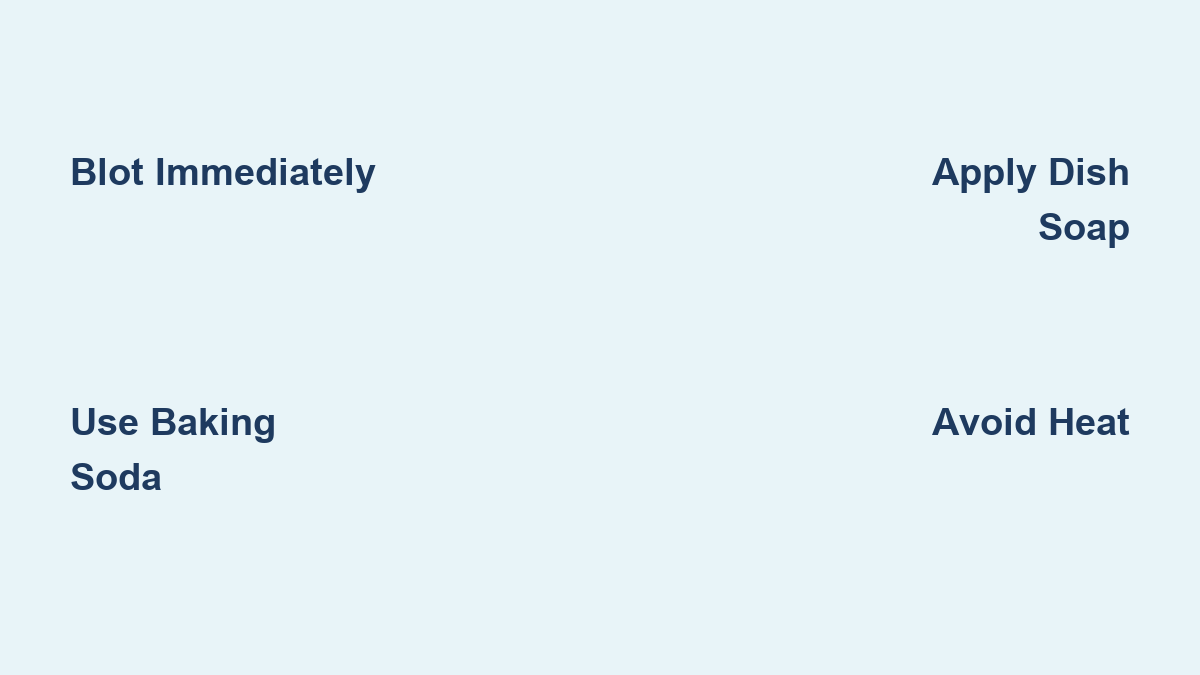
You wake up to find a greasy spot on your bed sheets from lotion or dinner in bed. Oil stains are stubborn and spread silently into fabric fibers before setting deep. Do not toss those sheets because you can learn how to get oil out of bed sheets with quick action. The solution lies in using the right degreaser immediately rather than water alone.
The key to success is acting fast while avoiding heat until the stain vanishes completely. Oil needs a specific degreaser to break down since water simply pushes it around. This guide walks you through a proven process using kitchen items to remove even set-in grease. You will learn to blot correctly and apply effective cleaners without damaging your bedding.
Stop the Spread by Blotting Immediately
The first few minutes after an oil spill are critical for successful removal. Oil soaks deeper into fibers as time passes which makes extraction much harder later. Your first move must be blotting the area gently instead of rubbing it hard.
Why Rubbing Makes Stains Worse
Rubbing grinds oil into the weave and spreads the stain across a larger area. This action embeds grease deeper where detergents cannot reach it easily. Use a clean dry cloth or paper towel to press down firmly and lift straight up. Repeat this with fresh sections of the cloth until no more oil transfers to the towel.
Check Your Fabric Care Label
Inspect the care label before applying any treatment to your specific sheets. Cotton and linen handle aggressive cleaning methods very well compared to other materials. Delicate fabrics like silk or satin need gentler handling to avoid permanent damage. Test any method on a hidden seam if you are unsure about fabric tolerance.
Pull Oil Out Using Dry Absorbents

Use a dry powder to draw out residual grease once you have blotted surface oil. This pre-wash step reduces the total oil load significantly before water touches the fabric. Detergents work much better when the bulk of the grease is already removed.
Best Powders for Grease Absorption
- Baking soda works most effectively and neutralizes odors at the same time
- Cornstarch has a fine texture that penetrates tight fabric weaves easily
- Flour serves as an emergency option if other powders are unavailable
Application Steps for Maximum Effect
- Sprinkle a thick layer over the entire stained area for full coverage
- Let the powder sit for 15 to 30 minutes to absorb the oil
- Brush off the powder gently with a soft brush before washing
Leave the powder on overnight for old or stubborn stains to maximize absorption. Avoid creating a paste by removing all powder before starting liquid treatments. This single step can lift over half of the oil from fresh spills effectively.
Break Down Grease With Dish Soap
Liquid dish soap is the gold standard for breaking down remaining oil molecules. It is specifically designed to cut through grease on dishes and works similarly on fabric. This step targets what the dry powder could not absorb from the fibers.
Correct Application of Dish Soap
- Use liquid dish soap brands known for cutting grease like Dawn
- Apply a few drops directly onto the remaining stain area
- Gently rub the soap in with fingers or a soft toothbrush
- Let the soap sit for 10 to 15 minutes before washing
This dwell time allows surfactants to surround and lift oil molecules from fibers. The chemical breakdown requires this waiting period to work effectively on deep stains.
Natural Alternatives for Sensitive Skin
- White vinegar helps dissolve oil and deodorize when soaked for 10 minutes
- OxiClean or Shout products follow label instructions for pre-treating oil
- These options work well for tough spots or those avoiding harsh chemicals
Avoid Using Chlorine Bleach
Chlorine bleach sets oil stains permanently and can yellow or weaken fabric fibers. It does not break down grease molecules so you should skip it entirely. Using bleach on oil often results in a permanent discolored spot on your sheets.
Wash Sheets in Warm Water Safely
Pre-treatment is only half the battle against stubborn oil stains on bedding. Washing under the right conditions ensures complete oil removal from the fabric matrix. Temperature and agitation play massive roles in the final result.
Selecting the Right Water Temperature
- Cotton and linen tolerate the warmest water safe for the fabric type
- Delicates like silk require cool or warm water as per care labels
- Heat helps melt and rinse away oil but too much damages synthetics
Check the tag on your sheets when in doubt about temperature limits. Hot water is necessary to dissolve oil but only if the fabric can withstand it.
Machine Loading and Detergent Tips
- Do not overload the machine because sheets need room to agitate freely
- Use a quality enzyme-based laundry detergent to break down organic oils
- Add ½ cup of baking soda to the wash cycle for extra lifting power
Run a full cycle instead of a quick wash for sufficient agitation time. Quick cycles often fail to provide enough movement to dislodge emulsified oil completely.
Inspect Stains Before Drying Sheets
This is the most crucial step in the entire how to get oil out of bed sheets process. Never dry oily sheets in a dryer because heat permanently bonds oil to fibers. A dried stain becomes almost impossible to remove later.
How to Inspect Damp Fabric
- Remove sheets from the washer and check the stain area closely
- Proceed to dry normally only if the stain is completely gone
- Repeat the entire process if any greasy mark remains visible
Older or thick stains may need two or three rounds of treatment to vanish. Patience pays off here since rushing to the dryer ruins all previous efforts.
Steps for Persistent Stains
- Reapply cornstarch and let it sit overnight for deep absorption
- Use dish soap again then soak in warm water for 30 minutes
- Wash once more before attempting to dry the sheets again
Repeat until the fabric looks clean before using any heat source for drying. Only use heat when you are certain the oil is fully removed.
Handle Delicate Fabrics With Care

Not all sheets are created equal regarding stain removal tolerance levels. High-thread-count cotton and silk need extra caution to prevent ruining the material.
Special Care for Silk and Satin
- Always test cleaning agents on a hidden area first for safety
- Use cold water and mild dish soap to avoid damaging fibers
- Hand wash if possible or use a delicate cycle on your machine
- Air dry flat to prevent stretching or losing the fabric sheen
These fabrics can pill or lose their shine if scrubbed too aggressively. Gentle handling ensures the fabric survives the cleaning process intact.
Microfiber and Blend Considerations
- Respond well to dish soap and warm water treatments generally
- Avoid fabric softeners since they clog fibers and trap oil inside
- Wash separately to prevent lint transfer from other clothing items
- Air dry or use low heat settings to prevent melting fibers
Microfiber often releases oil easier than cotton but high heat damages it. Stick to low heat settings to maintain the integrity of synthetic blends.
Prevent Future Oil Stains Effectively
Avoid repeat incidents with smart habits and protective layers in your bedroom. Prevention saves time and effort compared to removing set-in stains later.
Use Protective Barrier Layers
- Place a protective mattress pad under your top sheet for safety
- Choose water-resistant covers for high-risk users like skincare fans
- These layers catch spills before they reach your main bedding sheets
This simple step protects your primary investment from accidental grease spills.
Educate Guests and Family Members
- Provide a small towel for applying lotions or oils before bed
- Set a rule about no oily products in bed without protection
- Keep a stain kit nearby with baking soda and clean cloths
Airbnb hosts can reduce laundry costs significantly with these small preventive steps. Clear communication helps everyone protect the bedding effectively.
Frequently Asked Questions About Removing Oil Stains
Can I use hot water on all types of sheets?
No you must check the care label first because delicate fabrics like silk require cool water. Cotton and linen tolerate hot water well which helps dissolve oil effectively.
What happens if I put oily sheets in the dryer?
The heat permanently sets the oil into the fibers making removal nearly impossible. Always inspect the stain while damp before using any heat source.
How long should I leave baking soda on the stain?
Leave baking soda or cornstarch on for at least 15 to 30 minutes for fresh stains. Older or set-in stains benefit from sitting overnight for maximum absorption.
Is dish soap safe for colored bed sheets?
Yes liquid dish soap is generally safe for colors but test on a hidden area first. Avoid chlorine bleach as it causes discoloration and sets oil stains permanently.
Can I remove oil stains that have already been dried?
It is very difficult but you can try reapplying absorbents and dish soap multiple times. Soaking overnight may help lift some of the set-in grease eventually.
Key Takeaways for Getting Oil Out of Bed Sheets
Removing oil requires immediate blotting and avoiding heat until the stain disappears completely. Use dry absorbents like baking soda followed by dish soap to break down grease effectively. Always inspect damp sheets before drying to prevent setting the stain permanently.
Follow these steps carefully to restore your bedding without professional cleaning costs. Start by blotting the spill now and gather your kitchen supplies for treatment. Your sheets can look new again with patience and the right technique.