
You pull fresh linens from the dryer only to find a mess of deep creases instead of smooth fabric. Getting wrinkles out of bed sheets feels impossible when standard drying methods fail to deliver that crisp, hotel-quality finish you desire.
This guide reveals proven techniques using irons, steamers, and dryers to restore smoothness to your linens instantly. You will learn specific heat settings for different fabrics and prevention strategies to keep your bedding looking pristine night after night.
Iron Out Stubborn Creases Quickly

Ironing remains the most reliable method for eliminating deep set creases from cotton and linen sheets. This technique gives you total control over heat and pressure to smooth even the most stubborn folds.
Set Correct Heat Levels for Fabric Type
Your iron temperature must match your specific sheet material to avoid damage or ineffective results. Check the care label on your linens before plugging in your iron to ensure safety.
- Cotton: Use high heat settings for best results
- Linen: Apply high heat with plenty of steam
- Polyester blends: Select medium heat to prevent melting
- Silk: Choose low heat or steam only modes
Always use distilled water in your iron to prevent mineral deposits from staining your clean sheets.
Iron in Small Overlapping Sections
Lay the sheet flat on your board and smooth it with your hands before applying the iron. Work in sections about six inches wide, moving the iron slowly with firm pressure.
Use the steam burst function on heavy creases to relax the fibers immediately. Flip the sheet halfway through to ensure both sides receive equal treatment for a uniform look.
Pro Tip: Mist the sheet lightly with water before ironing to help loosen tight fibers and reduce ironing time.
Use the Dryer to Remove Wrinkles Effectively

Your dryer can act as a powerful wrinkle remover if you adjust your timing and settings correctly. Proper dryer usage prevents wrinkles from setting in during the final stages of drying.
Remove Sheets While Slightly Damp
Take your sheets out of the washer before the spin cycle completely dries them. Toss them into the dryer on low or medium heat for just ten to fifteen minutes.
The tumbling motion relaxes the fibers while the remaining moisture helps smooth out creases naturally. Avoid high heat settings which can shrink natural fibers and make existing wrinkles worse.
Add Dryer Balls to Improve Airflow
Drop two or three wool dryer balls into the load to separate the sheets as they tumble. These balls improve airflow and reduce static electricity that causes fabric to cling and crease.
Add a damp washcloth to the load to create a light steam environment inside the drum. This mimics a professional steamer and helps release wrinkles without direct heat contact.
Warning: Remove sheets immediately when the cycle ends to prevent new wrinkles from forming in the warm pile.
Steam Away Creases Without Direct Contact
Steaming offers a gentle alternative for delicate fabrics that cannot withstand direct iron pressure. This method relaxes fibers using hot vapor rather than heavy metal plates.
Glide a Handheld Steamer Vertically
Hang your sheet over a shower rod or sturdy clothesline to allow gravity to assist the process. Start at the top and glide the steamer head down in slow vertical strokes.
Hold the fabric taut with your free hand while applying steam to maximize wrinkle release. Let the hot vapor penetrate the fabric for a few seconds before moving to the next section.
This method works exceptionally well for linen and silk blends that might scorch under an iron.
Create Steam Using a Hot Shower
Turn your bathroom into a DIY steaming chamber by hanging wrinkled sheets inside while you run a hot shower. Keep the door closed and let the room fill with steam for fifteen minutes.
The ambient heat and moisture will naturally relax the fabric fibers throughout the entire sheet. Remove the sheet afterward and smooth it by hand while it is still warm and damp.
Smooth Sheets Without Using Heat
You can achieve smooth results without any heat sources by relying on tension and moisture redistribution techniques. These methods are ideal for delicate items or when you lack access to appliances.
Stretch Damp Sheets Tightly on the Bed
Pull sheets directly from the washer while they are still damp and shake them vigorously. Stretch the fabric tightly over your mattress starting with the corners to create tension.
Smooth every inch with your hands working from the center outward to push out air pockets. The combination of tension and air drying prevents wrinkles from forming as the water evaporates.
Pro Tip: Perform this task in a sunny or well-ventilated room to speed up drying and freshen the scent.
Roll Fabric to Release Surface Creases
Lay the damp sheet flat on a clean floor and smooth it out as much as possible. Starting at one end, roll the sheet tightly like a jelly roll or sleeping bag.
Press firmly along the roll to distribute moisture and pressure evenly across the fabric. Unroll it after fifteen minutes and hang it up to see surface wrinkles disappear.
Prevent Wrinkles Before They Start
Avoiding wrinkles entirely is easier than removing them once they have set into the fabric fibers. Adjusting your laundry routine can save you significant time and effort in the long run.
Avoid Overloading the Washing Machine
Overcrowding prevents sheets from moving freely during rinse and spin cycles. This lack of movement traps moisture in folds that eventually become permanent creases.
Wash bed sheets alone or with similar lightweight items to ensure adequate space. Leave enough room in the drum so water and detergent can circulate freely around the fabric.
Transfer Sheets Immediately After Washing
Move your sheets to the dryer or drying area the moment the wash cycle finishes. Letting damp sheets sit in a pile allows deep creases to set while the fabric is still wet.
Set a timer on your phone if you cannot monitor the machine closely during the day. Quick action is the single most effective way to prevent severe wrinkling.
Dry Using Low Heat Settings
Tumble dry your linens on low heat to prevent fibers from becoming brittle and prone to cracking. Over-drying removes too much moisture and makes fabrics difficult to smooth later.
If air-drying, shake the sheet thoroughly before hanging and clip corners taut. This prevents sagging which leads to uneven drying and unwanted creases.
Choose Fabrics That Resist Wrinkling

Your choice of material plays a massive role in how easily your sheets develop creases. Some fabrics naturally resist wrinkling better than others due to their fiber structure.
Understand Natural Fiber Limitations
Pure cotton and linen are breathable but highly prone to wrinkling due to their natural fiber structure. If you love these materials, accept that some creasing is normal and part of their charm.
Embrace the relaxed, lived-in look that natural fibers provide rather than fighting their nature. These fabrics often feel softer and more comfortable despite their tendency to crease.
Select Blends for Easy Care
Sheets made from polyester-cotton blends often feature wrinkle-resistant finishes. Look for labels stating “easy care,” “no-iron,” or “wrinkle-free” if you want low maintenance bedding.
These synthetic blends hold their shape better and require less effort to keep smooth. They are ideal for busy households where perfect ironing is not always possible.
Compare Percale and Sateen Weaves
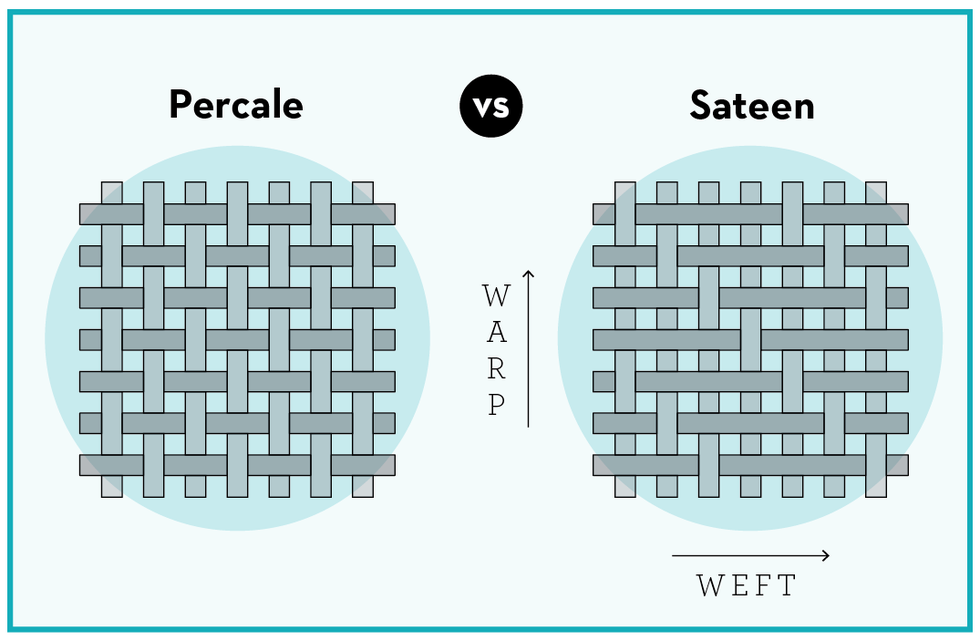
Percale features a tight matte weave that offers a crisp feel with moderate wrinkling. Sateen has a silky smooth surface but tends to wrinkle more easily due to its looser weave structure.
Choose your weave based on whether you prioritize a crisp feel or a silky texture. Both have unique benefits regarding comfort and maintenance requirements.
Handle Fitted Sheets with Special Care
Fitted sheets often develop the worst wrinkles because of their elastic corners and tendency to twist. Special handling techniques are required to keep them smooth.
Fold Fitted Sheets Properly
Shake out the fitted sheet and lay it flat before attempting to fold. Tuck the elastic corners inside one another to create a neat rectangle shape.
Fold the sheet in thirds and then in half to minimize deep storage creases. Proper folding ensures the sheet stays smooth while waiting in your linen closet.
Dry Fitted Sheets Inside Out
Turn fitted sheets inside out before washing and drying to protect the outer surface. This reduces pilling and helps the visible side of the fabric stay smooth.
Hang or lay them flat to dry if possible while smoothing the surface gently. This prevents the elastic edges from curling and creating difficult wrinkles.
Store Sheets Flat or Rolled Correctly
Improper storage can undo all your hard work by introducing new creases while sheets sit unused. How you store them matters just as much as how you wash them.
Avoid Stacking Sheets Too High
Stacking multiple sheet sets creates heavy pressure that leads to permanent creases at fold lines. Store no more than two or three sets high in your linen closet.
Place tissue paper between layers to reduce friction and absorb any residual moisture. This simple step keeps the bottom layers from getting crushed under weight.
Try Rolling for Long Term Storage
Roll each sheet like a scroll instead of folding to eliminate sharp fold lines completely. This method keeps them ready to use without needing immediate attention.
Store these rolls in a breathable cotton bag or basket in a cool dry place. Rolling is especially effective for sheets you do not use every week.
Frequently Asked Questions About Removing Wrinkles from Bed Sheets
Can I use a hair dryer to remove wrinkles from sheets?
Yes, you can use a hair dryer on a warm setting to spot treat small creases. Mist the area lightly with water first and pull the fabric taut while applying heat.
Why do my sheets come out of the dryer so wrinkled?
Sheets often wrinkle in the dryer due to overloading or over-drying. Remove them while slightly damp and ensure the drum is not too full for proper tumbling.
Does vinegar help stop wrinkles in bed sheets?
Adding white vinegar to the rinse cycle can soften fibers and reduce static cling. This makes fabrics less prone to holding deep creases after washing.
What is the fastest way to get wrinkles out of bed sheets?
Using a handheld garment steamer is usually the fastest method for immediate results. It requires no ironing board and works quickly on hanging fabric.
Do dryer sheets actually prevent wrinkles?
Dryer sheets reduce static electricity which helps prevent fabrics from clinging and creasing. However, they work best when combined with proper loading and timing techniques.
Key Takeaways for Getting Wrinkles Out of Bed Sheets

Achieving smooth bedding requires a combination of proper drying timing and the right removal technique. Whether you choose to iron, steam, or use dryer balls, acting quickly while sheets are damp yields the best results.
Selecting wrinkle-resistant fabrics and storing your linens correctly will reduce your workload significantly. Start by adjusting your dryer habits today to see an immediate improvement in your bed sheet appearance.