

New bed sheets often feel stiff or scratchy right out of the package, even if they promise luxury comfort. You do not have to wait months for them to break in naturally.
This guide reveals how to soften bed sheets using vinegar, baking soda, and proper drying techniques. You will learn to remove residue and relax fibers for immediate results.
Remove Detergent Residue with White Vinegar
:max_bytes(150000):strip_icc()/SPR-cleaning-with-vinegar-7152798-part-04-step-01-c6826083764b4dac9ec65186d2f62c8e.jpg)
Stiffness in cotton sheets often comes from hidden soap scum coating the fibers. White vinegar breaks down this residue effectively without harsh chemicals.
Apply Vinegar During the Rinse Cycle
Pour 1 cup of distilled white vinegar directly into your machine’s fabric softener dispenser. If your machine lacks a dispenser, add it manually when the rinse cycle begins. This process strips away the film that makes sheets feel crunchy while balancing pH levels.
Add Natural Fragrance Safely
Mix 3–5 drops of essential oil like lavender or eucalyptum with the vinegar before adding it to the wash. The heat from drying eliminates any vinegar smell, leaving only a fresh, clean scent. Avoid pouring oils directly onto dry sheets to prevent staining.
Use Baking Soda to Boost Cleaning Power

Baking soda acts as a natural water softener that enhances your detergent’s performance. It works best when paired with vinegar in a two-step washing process.
Neutralize Odors and Soften Water
Add ½ to 1 cup of baking soda directly to the wash drum before starting the cycle. This powder helps dissolve soap scum and brightens fabric without leaving a waxy layer behind. It is particularly effective in areas with hard water.
Sequence Chemicals Correctly
Place baking soda in the wash cycle and vinegar in the rinse cycle for maximum effect. Never mix them together in the same cycle unless you are performing a specific strip wash. This sequence ensures deep cleaning followed by thorough residue removal.
Select the Right Detergent and Dosage
Using the wrong soap or too much of it is the leading cause of stiff, rough sheets. Your choice of detergent directly impacts fiber flexibility.
Choose Mild and Low-Suds Formulas
Opt for fragrance-free, biodegradable detergents designed for delicate fabrics. Harsh surfactants strip natural oils from cotton, leaving fibers dry and brittle over time. Look for labels stating “free & clear” or “hypoallergenic.”
Prevent Overdosing Errors
Using more detergent than necessary leaves excess soap that cannot rinse out completely. Use only 1–2 tablespoons for standard loads, especially if you have soft water. Excess soap creates a crusty film that feels rough against your skin.
Avoid Commercial Fabric Softeners
Many people reach for liquid softeners to fix rough sheets, but these often cause long-term damage. They create a temporary feeling of softness that fades quickly.
Understand the Risks of Chemical Coatings
Commercial softeners use quaternary ammonium compounds to coat fibers with a waxy substance. This coating reduces absorbency and traps moisture, which can lead to mildew growth. Over time, this buildup makes sheets feel rougher than before.
Rely on Mechanical Softening Instead
Skip the chemicals and use physical methods to fluff your linens. Wool dryer balls and proper air drying preserve breathability while extending sheet life. These methods avoid the sticky residue that attracts dirt and accelerates wear.
Wash Sheets in Cold or Warm Water
Water temperature plays a critical role in maintaining fiber integrity and preventing stiffness. Hot water can ruin the soft texture you are trying to achieve.
Protect Fibers from Heat Damage
High heat breaks down cellulose in cotton, leading to pilling and a coarse feel. Stick to cold or warm water below 105°F (40°C) for regular cleaning cycles. This temperature range cleans effectively without degrading the fabric structure.
Follow Manufacturer Care Labels
Always check the tag on your sheets for specific temperature limits. Delicate weaves like percale or sateen may require extra gentle handling. Ignoring these instructions can void warranties or permanently alter the texture.
Dry Sheets Properly to Prevent Stiffness
The drying phase is where most people accidentally make their sheets stiff. Over-drying removes essential moisture from the fibers.
Remove Sheets While Slightly Damp
Take your sheets out of the dryer when they are about 90% dry. They should still feel slightly damp to the touch. Finish drying by hanging them or laying them flat to let fibers relax naturally.
Use Low Heat Settings Only
High heat scorches cotton and sets in wrinkles that feel rough. Always select low or medium-low heat settings on your dryer. Finish with a 10-minute cool-down cycle to reduce static and improve texture.
Use Wool Dryer Balls for Natural Fluffing
Wool dryer balls are an excellent tool for mechanically softening sheets without chemicals. They bounce around to separate fabric layers and increase airflow.
Fluff Fibers Mechanically
Use 3–6 wool balls per load to beat fibers gently as they tumble. This action mimics hand-rubbing to break in stiffness and reduces drying time by up to 25%. The physical separation prevents sheets from clumping together.
Reduce Static and Add Scent
Wool naturally absorbs moisture to reduce static cling without synthetic agents. Add 2–3 drops of essential oil to the balls every few loads for a light fragrance. These balls are quiet, durable, and compostable at the end of their life.
Try the Towel Trick for Faster Drying
Adding a simple household item to your dryer load can improve efficiency and softness. This hack works well for heavy cotton or flannel sheets.
Add a Dry Bath Towel to the Load
Toss one clean, dry bath towel in with your damp sheets before starting the dryer. The towel absorbs excess moisture and adds gentle friction that helps fluff fibers. Remove the towel after 20–30 minutes to prevent over-drying the rest of the load.
Monitor Drying Time Closely
Check your sheets frequently when using this method to ensure they do not dry out completely. The added friction speeds up the process significantly. This technique is ideal for thick sets that take a long time to dry.
Air-Dry Outdoors for Freshness and Texture
Sunlight and fresh air provide natural benefits that machines cannot replicate. Outdoor drying can enhance both scent and fabric feel.
Harness Sun and Breeze Benefits
Hang sheets on a clothesline outside where UV rays can naturally bleach and sanitize them. The movement of wind through the fabric helps separate fibers for enhanced softness. Even partial air-drying improves results compared to machine-only drying.
Avoid Full Crisp Dryness on the Line
Do not let sheets dry completely stiff on the line if you want maximum softness. Bring them inside while still slightly soft and finish in the dryer for 10 minutes on low. This hybrid method combines outdoor freshness with machine-softened texture.
Fix New Sheets That Feel Scratchy
Brand-new sheets often feel rough due to manufacturing starch or dye processes. You can speed up the break-in period with a specific routine.
Understand Why New Sheets Are Stiff
Manufacturers apply sizing or starch to make sheets look crisp on store shelves. Dyed sheets may feel stiffer initially due to chemical treatments used during coloring. These coatings wear off over time but cause initial roughness.
Break Them In Fast with a 3-Cycle Protocol
Wash new sheets with ½ cup baking soda and mild detergent in warm water. Rinse with 1 cup vinegar and dry with wool balls on low heat. Repeat this process 2–3 times to mimic months of wear quickly.
Strip Buildup from Stiff Washed Sheets
If your sheets feel stiff after washing, accumulated residue is likely the culprit. A strip wash can reset your linens effectively.
Run a Dedicated Strip Wash
Wash your sheets without any detergent and add 1 cup of white vinegar to the drum. Use warm water and run an extra rinse cycle to cleanse fibers deeply. This removes the film causing stiffness and restores natural softness.
Prevent Future Buildup Issues
Reduce your normal detergent usage after stripping your sheets. Skip commercial softeners entirely and use vinegar in every rinse cycle for maintenance. You will notice softer results within just one wash.
Handle Dyed or Colored Sheets Carefully
Colored sheets require specific attention because dye processes can affect texture. Proper care ensures they soften without losing their vibrancy.
Expect Slight Initial Stiffness
Dyed cotton often feels rougher than white due to chemical fixatives used in processing. This usually softens with 3–5 washes using vinegar and baking soda. Do not panic if they feel different from white sheets initially.
Wash Separately at First
Wash colored sheets alone for the first 2–3 cycles in cold water to prevent bleeding. Afterward, you can wash them with similar colors using your regular softening routine. Avoid chlorine bleach, which weakens fibers and fades dyes.
Rotate and Use Sheets Regularly
Softness comes from use, as regular movement creates micro-friction that relaxes fibers. This natural wear is why older sheets often feel superior.
Embrace the Break-In Effect
Every movement in bed gently abrades and relaxes fibers, similar to breaking in jeans. Rotate between 2–3 sets of sheets to ensure each gets regular use. This accelerates the natural softening process significantly.
Wash Frequently for Best Results
Wash sheets every 1–2 weeks to remove oils and dead skin that dull fibers. Regular laundering keeps them fresh and contributes to faster softening. More washes equal softer sheets over time.
Compare Softening Methods Side-by-Side
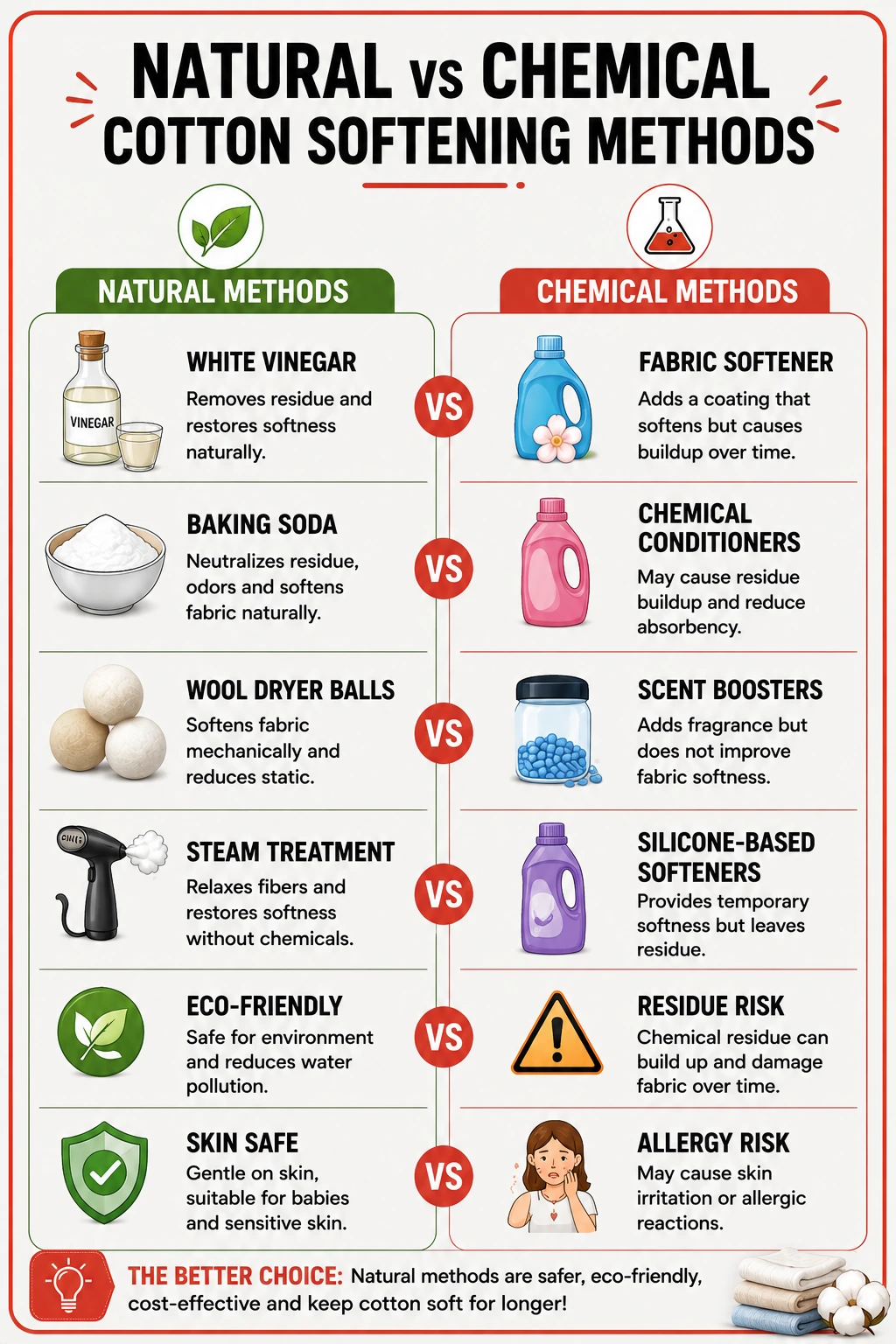
Different techniques offer varying levels of speed and safety for your linens. Understanding these differences helps you choose the right approach.
| Method | Best For | Speed | Long-Term Safety |
|---|---|---|---|
| White vinegar | Residue removal, brightening | Fast (1–2 washes) | Excellent |
| Baking soda | Boosting clean, pH balance | Medium | Excellent |
| Wool dryer balls | Mechanical softening, static control | Gradual | Excellent |
| Commercial softener | Immediate feel | Instant | Poor (buildup risk) |
| Hot water wash | Sanitizing | Fast | Risky (fiber damage) |
| Outdoor drying | Freshness, odor removal | Medium | Excellent |
Best combo: Vinegar + baking soda + wool dryer balls.
Follow the Ultimate Softening Routine
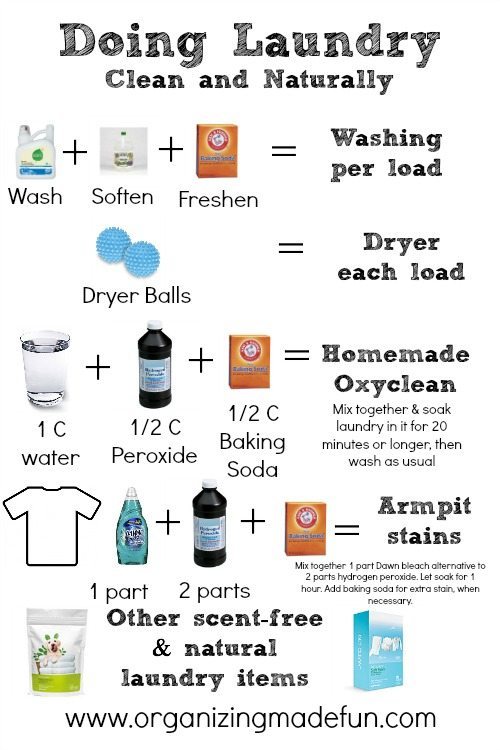
Consistency is key to maintaining soft, comfortable sheets night after night. Follow this simple workflow for best results.
- Sort by color and check care labels before washing.
- Wash in cold or warm water with mild detergent.
- Add ½ cup baking soda to the drum during the wash.
- Add 1 cup white vinegar to the rinse cycle.
- Dry with 3–6 wool dryer balls on low heat.
- Remove while slightly damp and air-dry briefly.
- Store clean, dry sheets in a ventilated space.
Repeat this process every 1–2 weeks for consistently soft results.
Avoid Common Softening Mistakes
Small errors in your laundry routine can sabotage your efforts to soften sheets. Awareness of these pitfalls ensures success.
Do Not Overload the Machine
Overfilling prevents proper agitation and rinsing, leading to residue retention. Fill your washer only ¾ full to ensure thorough cleaning. Sheets need room to move freely for effective softening.
Never Over-Dry Your Linens
Bone-dry sheets become stiff and brittle. Set your dryer timer or use moisture sensors to stop the cycle early. Remove sheets when they are soft and warm, not hot and crisp.
Do Not Ignore Care Labels
High-thread-count sateen or Egyptian cotton may require gentler treatment. Hand-wash or delicate cycles may be necessary for specific fabrics. Always prioritize manufacturer instructions.
Frequently Asked Questions About How to Soften Bed Sheets
How long does it take to soften new bed sheets?
New sheets typically soften within 3 to 5 wash cycles using vinegar and baking soda. Regular use and mechanical action from dryer balls accelerate this process significantly.
Can I use vinegar and baking soda together in the same cycle?
No, you should use baking soda in the wash cycle and vinegar in the rinse cycle. Mixing them directly cancels out their cleaning properties and creates excessive fizzing.
Why do my sheets feel stiff after washing with softener?
Commercial softeners often leave a waxy residue that builds up over time. This coating reduces absorbency and makes fibers feel rougher rather than softer after repeated use.
Does hot water help soften bed sheets faster?
No, hot water can damage cotton fibers and cause shrinkage, leading to increased roughness. Cold or warm water is safer and more effective for maintaining softness.
What is the best natural alternative to fabric softener?
White vinegar and wool dryer balls are the best natural alternatives. They remove residue and fluff fibers without leaving chemical coatings that cause buildup.
Key Takeaways for Learning How to Soften Bed Sheets
Softening bed sheets requires removing residue and relaxing fibers through consistent care. Use white vinegar in the rinse cycle and baking soda in the wash to eliminate stiffness caused by detergent buildup.
Avoid commercial softeners and hot water, as these can damage fibers and create long-term roughness. Stick to low heat drying, wool dryer balls, and regular washing to achieve luxury-soft results quickly.