

Sliding into bed should feel relaxing, but crackling shocks and clinging sheets often ruin the moment. Learning how to remove static from bed sheets solves this annoying problem caused by dry air and fabric friction.
This guide offers instant fixes like metal hangers and damp cloths alongside long-term laundry prevention strategies. You will discover how to adjust your bedroom humidity and choose better fabrics to stop static electricity for good.
Instantly Discharge Static from Made Beds

You do not need to strip the bed or run a full laundry cycle to fix sudden static cling. These methods neutralize electrical charges on contact using items you likely have nearby.
Rub Sheets with a Metal Wire Hanger
Grab a bare metal wire hanger to conduct built-up electricity away from your fabric. Glide the metal smoothly across the top sheet or blanket surface in long strokes. Ensure the hanger has no plastic coating so the metal touches the fibers directly. This chemical-free trick works instantly on both cotton and synthetic blends.
Wipe Fabric with a Hot Damp Cloth
Run a washcloth under hot tap water and wring it out until it is just barely damp. Wipe the cloth gently over areas where static cling is worst, such as the center of the bed. The heat helps the moisture evaporate quickly while neutralizing the electrical charge. Never soak the fabric, as excess water can lead to mildew issues.
Mist with a DIY Fabric Softener Spray
Mix one part liquid fabric softener with four parts hot water in a spray bottle for a quick solution. Lightly mist the underside of your fitted sheet or the top of your blanket from about twelve inches away. The softener creates a conductive layer on fibers that prevents charge buildup. Allow the mist to dry completely before climbing into bed to avoid residue.
Roll a Dryer Sheet Over Blankets
Attach one or two dryer sheets to a rolling pin using rubber bands for broad coverage. Roll this tool up and down your comforter to transfer anti-static agents mechanically. This method covers more surface area faster than rubbing by hand. You can also rub a dryer sheet directly between your hands before smoothing it over the sheets.
Prevent Static Buildup During Laundry Cycles

Stopping static before it starts saves you time and frustration during your weekly wash routine. Adjusting your washing and drying habits creates a lasting shield against electrical cling.
Add White Vinegar to the Rinse Cycle
Pour half a cup of white vinegar into the rinse cycle of your washing machine to soften fibers naturally. Vinegar removes detergent buildup that often worsens static without leaving harsh chemical residues. It rinses out completely, so your sheets will not smell like vinegar when dry. This is an excellent choice for people with sensitive skin or chemical allergies.
Toss in Wool Dryer Balls or Foil
Place three to six wool dryer balls in the dryer to separate fabrics and reduce drying time. These balls bounce between layers to minimize friction, which is the primary cause of static. Alternatively, crumple a sheet of aluminum foil into a tight two-inch ball and toss it in. The metal discharges static electricity as items tumble together.
Lower Heat Settings to Protect Fibers
High heat dries out fabric fibers, making them highly susceptible to holding an electrical charge. Select the low or medium heat setting on your dryer to keep moisture levels balanced. Remove your sheets while they are still slightly damp and let them air-dry the rest of the way. If sheets are already dry and clingy, run an air-fluff cycle with no heat for five minutes.
Use Liquid Fabric Softener Wisely
Add liquid fabric softener during the wash cycle to coat fibers and reduce friction between them. Choose hypoallergenic or unscented versions if you prefer to avoid strong fragrances. Do not overuse the product, as too much softener leaves a gummy residue that attracts dirt. Synthetic blends like polyester generate more static, so pair them with softener for best results.
Control Bedroom Humidity to Stop Shocks
Dry air is the root cause of most static problems in the bedroom. Fixing your room environment prevents electrons from building up on your bedding in the first place.
Run a Cool-Mist Humidifier at Night
Keep a cool-mist humidifier running while you sleep to maintain relative humidity between 40 and 60 percent. Moist air prevents electrical charges from accumulating on fabric surfaces effectively. This solution works best during winter when indoor air often drops below 30 percent humidity. Use distilled water in the tank to prevent mineral buildup and clean it weekly.
Place Bowls of Hot Water Nearby
Set a heat-safe bowl filled with hot water on your nightstand or dresser to add moisture passively. As the water evaporates, it increases the humidity in the immediate area. Place pebbles in the bowl and keep the water level just below the top to increase surface area. Replace the water every few hours to ensure consistent evaporation rates.
Boil Water on the Stove for Steam
Bring a pot of water to a boil in your kitchen or near the bedroom door to raise humidity quickly. The resulting steam saturates the air and reduces static potential throughout the home. Add citrus peels or cinnamon sticks to the water for a natural, pleasant aroma. Crack a window slightly to prevent condensation from forming on your walls.
Add Transpiring Indoor Plants
Place houseplants like peace lilies, snake plants, or pothos in your bedroom to release moisture naturally. These plants release water vapor through their leaves via transpiration, which humidifies the air. They also purify the air, making your sleep environment healthier overall. Choose varieties that thrive in low light if your bedroom lacks direct sun.
Select Bedding Materials That Resist Cling
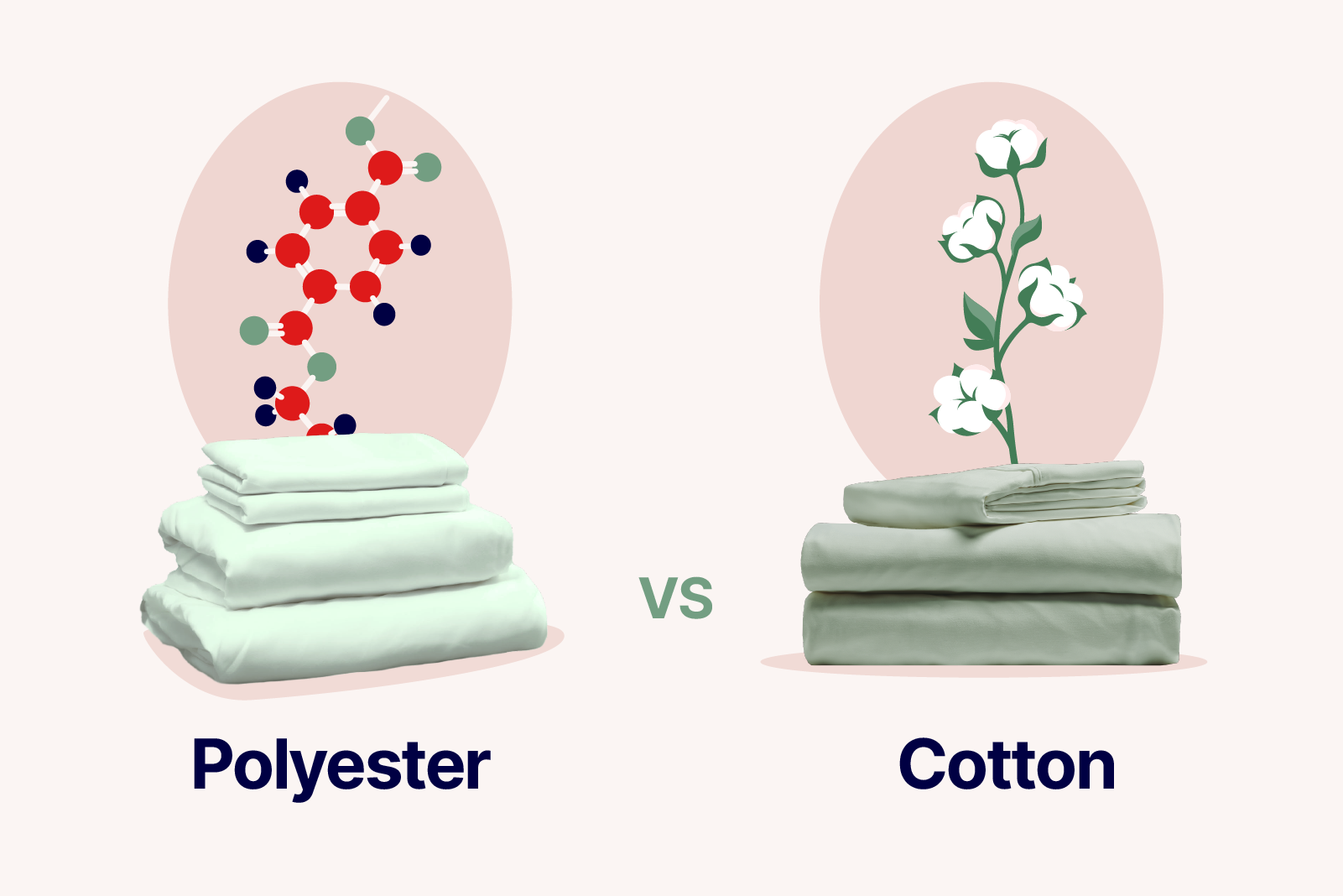
Your choice of fabric determines how much static you will battle each night. Switching materials can eliminate the problem permanently without extra tools.
Choose Natural Fibers Like Cotton
Opt for bedding made from cotton, linen, or bamboo because these materials absorb moisture from the air. This natural moisture content helps dissipate electrical charges before they become shocks. High-thread-count cotton sheets feel soft and remain cling-free even in dry conditions. Look for long-staple cotton or organic bamboo for the best year-round comfort.
Avoid Synthetic Polyester Blends
Polyester, nylon, and microfiber are major culprits because they trap electrons and resist moisture. These synthetic fibers create significant friction, making shocks and cling almost inevitable in dry weather. If you must use synthetic bedding, ensure it is blended with at least 50 percent cotton. Always check labels for “100 percent cotton” to avoid hidden synthetic content.
Upgrade to Treated Anti-Static Sheets
Some manufacturers now offer sheets with permanent anti-static coatings or conductive fibers designed for dry climates. While these cost more upfront, they provide a permanent solution for chronic static sufferers. You can also place a cotton blanket over a synthetic comforter to reduce direct skin contact. This barrier method reduces the transfer of charge to your body.
Tailor Solutions for Special Situations
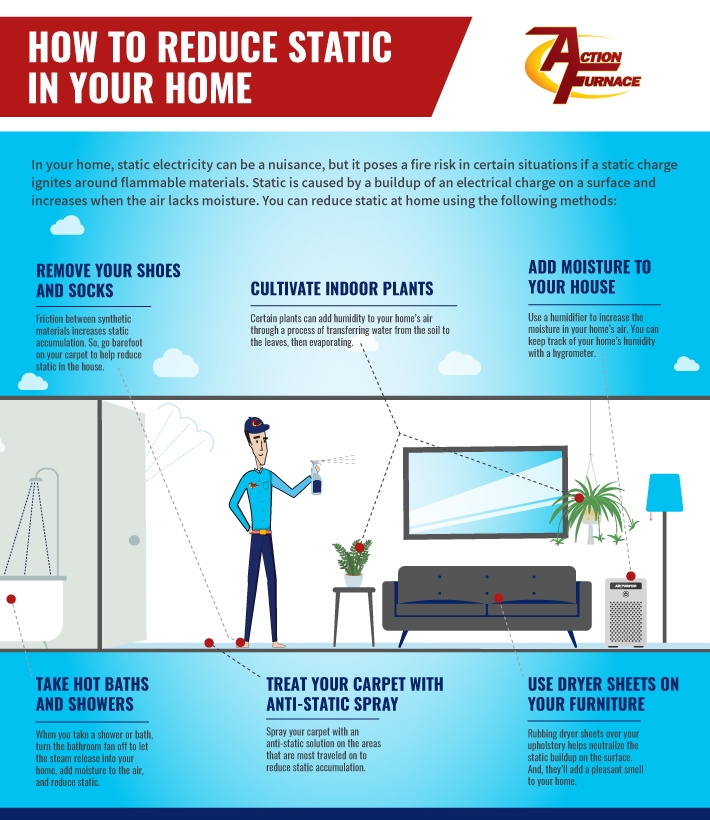
Different living situations and health needs require specific approaches to static control. Customize these methods to fit your restrictions and sensitivities.
Methods for Chemical Sensitivities
Avoid scented dryer sheets and commercial sprays if you react to chemicals or strong fragrances. Stick to using a metal hanger, adding white vinegar to your wash, or using wool dryer balls. A bedroom humidifier filled with plain water is also completely chemical-free. These options eliminate static without introducing potential irritants to your sleep space.
Options for Renters with Restrictions
If your landlord prohibits humidifiers due to water damage risks, use passive moisture methods instead. Boil water daily, place multiple bowls of hot water around the room, or hang damp towels to dry overnight. Increasing the number of indoor plants also raises humidity without electrical devices. These landlord-friendly tactics effectively reduce static without violating lease terms.
Prevent Static While Storing Linens
Do not stack clean sheets or blankets in tight piles, as this generates friction and static before use. Fold linens loosely or hang them to minimize contact between layers. Store your bedding in cotton bags rather than plastic bins, which trap dry air. Tossing a dryer sheet into storage drawers can also keep linens fresh and static-free.
Ground Yourself Before Bedtime
Touch a metal doorknob, faucet, or radiator before getting into bed to discharge your body. Walking on carpet builds up static on your person, which transfers to sheets upon contact. Making this a nightly habit prevents that initial zap when you slide under the covers. It is a simple step that stops the cycle of shock immediately.
Frequently Asked Questions About Static Bed Sheets
Why do my sheets shock me only in the winter?
Winter air has very low humidity, which allows electrical charges to build up on fabrics instead of dissipating. Dry indoor heating systems make this problem worse by removing moisture from the air. Using a humidifier or adding moisture to the room solves this seasonal issue effectively.
Can I use dryer sheets if I have sensitive skin?
Standard dryer sheets often contain fragrances and chemicals that irritate sensitive skin. You should use fragrance-free dryer sheets or switch to wool dryer balls and white vinegar. These alternatives reduce static without leaving irritating residues on your bedding.
How often should I replace aluminum foil balls in the dryer?
You can reuse a tightly crumpled aluminum foil ball for dozens of laundry loads before replacing it. Simply check that the ball remains tight and has no loose edges that could snag fabric. Replace it only when it becomes too small or misshapen to tumble effectively.
Will spraying water on sheets damage the fabric?
Lightly misting sheets with a water and softener mixture will not damage most fabrics if done correctly. Ensure you spray from a distance and let the sheets dry completely before use. Avoid soaking the fabric, as excessive moisture can lead to mildew or staining.
Do natural fibers like bamboo really stop static better?
Yes, natural fibers like bamboo, cotton, and linen absorb moisture from the air, which conducts electricity away. Synthetic fibers trap electrons because they cannot absorb moisture, leading to more static. Switching to natural materials is one of the most effective long-term solutions.
Key Takeaways for Removing Static from Bed Sheets

Static in bed sheets is a solvable problem caused by dry air and friction between fabrics. You can fix it instantly with a metal hanger or damp cloth, or prevent it long-term by adjusting your laundry routine and bedroom humidity.
Start by adding vinegar to your wash cycle and lowering your dryer heat to protect your fibers. For a permanent solution, consider switching to natural cotton or bamboo sheets and running a humidifier at night. Take action tonight by trying the metal hanger trick or placing a bowl of hot water in your room.