

You wake up to a flat, lifeless pillow with no support and no fluff, just a sad slab of stuffing. It is not just uncomfortable; it could be affecting your sleep posture and triggering neck pain. The good news is that most flattened pillows can be revived. Refluffing pillow stuffing restores loft, comfort, and hygiene, often without needing a replacement. Whether your pillow collapsed from nightly use, moisture, or a rough wash cycle, this guide delivers proven techniques to bring it back to life.
You will learn how to diagnose flatness, choose the right method by material, and apply expert-approved tricks from tennis balls in the dryer to comb-fluffing old polyester fill. By the end, you will know exactly how to refluff pillow stuffing for maximum support and longevity.
Why Pillows Go Flat and How Fluffing Helps
Pillows lose their puff due to everyday forces that compress and degrade the filling over time. Body weight squeezes air out of fibers, especially in soft or low-density fills. Moisture from sweat and humidity weighs down fibers and encourages clumping and odor. Dust, oils, and dead skin pack into the core, increasing density. Many pillows also arrive vacuum-sealed and need active fluffing to expand after shipping. Fiber fatigue causes synthetic and natural fills to lose spring over time, becoming dense and lumpy.
These factors do not just make pillows look sad. They reduce support, disrupt spinal alignment, and shorten lifespan. Refluffing reverses this damage by restoring air volume and redistributing fill.
Check If Your Pillow Needs Fluffing
Not every flat pillow can be saved. Use these quick checks to determine if fluffing will help.
The Fold Test
Fold the pillow in half. If it stays folded or rebounds slowly, it needs fluffing. If it never springs back, it is time to replace the pillow.
Other Signs You Need Fluffing
A sunken center or uneven shape indicates the pillow needs attention. Neck pain or frequent repositioning during sleep means your pillow is failing to support your head. A musty smell or damp feel suggests trapped moisture that needs airing and fluffing.
Replace the pillow if lumps will not break apart, allergy symptoms persist, yellow stains remain after washing, or the pillow is over 1 to 2 years old.
Manual Fluffing Techniques for All Pillow Types
No tools? No problem. Hand methods work for daily maintenance and immediate revival.
Accordion Squeeze Fluffing
Hold opposite corners of the pillow. Rapidly push and pull to compress and release. Repeat for 15 to 30 seconds, then rotate and repeat on other sides. This works best for all pillow types, especially down, feather, and synthetic fills.
Diagonal Clapping Method
Grasp diagonal corners and gently clap them together to shake and redistribute fill. Avoid slamming. Gentle motion prevents over-compression. This is ideal for down and feather pillows.
Massage Kneading Technique
Use fingertips to rub lumpy areas in circles. Apply firm pressure to break up clumps. This works like kneading dough and is best for polyester or fiberfill pillows with dense spots.
Punching and Hitting Method
Use fists or palms to deliver firm, even blows. Shake side to side and lift from bottom to top. Aggressive but safe, pillows can take it. This works well for body pillows, sofa cushions, and synthetic fills.
Layered Fluffing for Adjustable Pillows
Unzip and separate the inner core from the outer shell. Fluff the core by scrunching diagonals. Fluff the outer layer from bottom to top. Never flap, as it flattens. Re-zip after fluffing both layers. This works on Casper, Nest, and other multi-layer designs.
Dryer Fluffing Methods for Deep Restoration
Dryer methods are ideal after washing or for deep restoration. They are fast, effective, and hands-off.
Dryer Safety Rules
Use low or no heat, specifically air-fluff mode. Run for 15 to 30 minutes maximum. Always check the care label because memory foam cannot go in the dryer. Balance the drum by placing two pillows opposite each other.
Tennis Ball Method
Put one or two tennis balls inside clean tube socks. Toss them into the dryer with the pillow. Run on low heat for 20 to 30 minutes. The balls bounce and punch the fill, breaking clumps and speeding up fluffing. This works best for down, synthetic, and fiberfill pillows. Alternatives include wool dryer balls, rubber spikes, or clean shoes in socks.
Towel or Teddy Bear Trick
No balls? Add dry towels or stuffed animals. They create movement and prevent clumping. This is best for occasional use when specialized tools are not available. Do not overload the dryer because pillows need space to tumble.
Sun and Air Fluffing the Natural Way
This chemical-free method also sanitizes and deodorizes your pillow.
How to Sun-Fluff a Pillow
Hang the pillow outdoors or lay it flat in direct sunlight. Expose for 30 minutes to 3 hours. Turn occasionally for even drying and fluffing. UV rays kill bacteria and dust mites. Airflow naturally re-inflates fibers and removes musty odors. This is best for memory foam, cotton, and sweat-prone users. Prolonged sun may fade fabric, so cover or flip often.
Comb Fluffing for Matted Stuffing
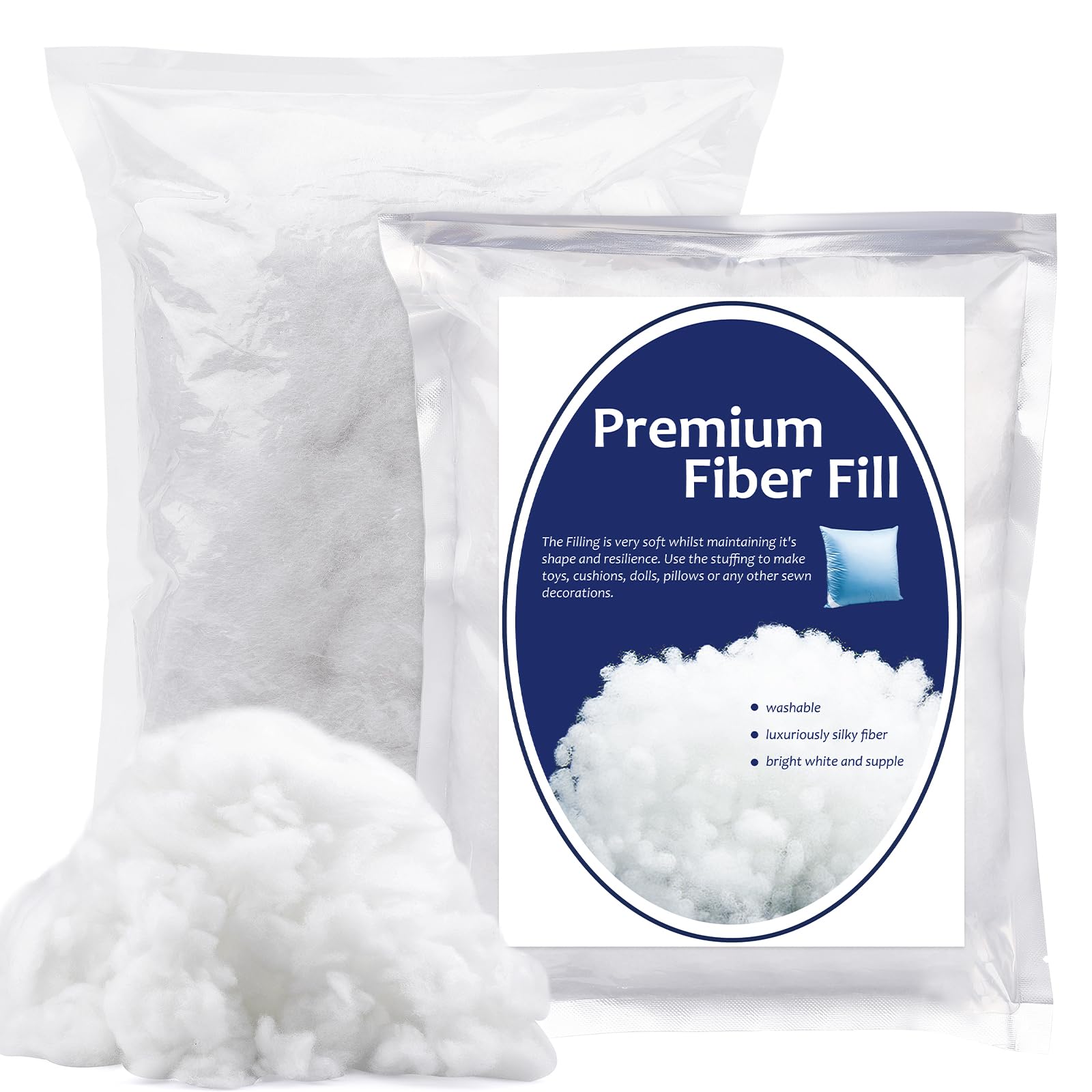
For severely lumpy or old polyester fill, especially when refurbishing, use this specialized technique.
Steps to Comb-Fluff
Remove stuffing if it is accessible. Hold a pet brush or massage comb in each hand. Pull clumped fibers between the teeth to separate. Continue until the fill resembles a puffy cloud. Reinsert and hand-fluff. This works best for spun polyester, DIY pillow repairs, or recycled fill.
Fluffing by Pillow Material
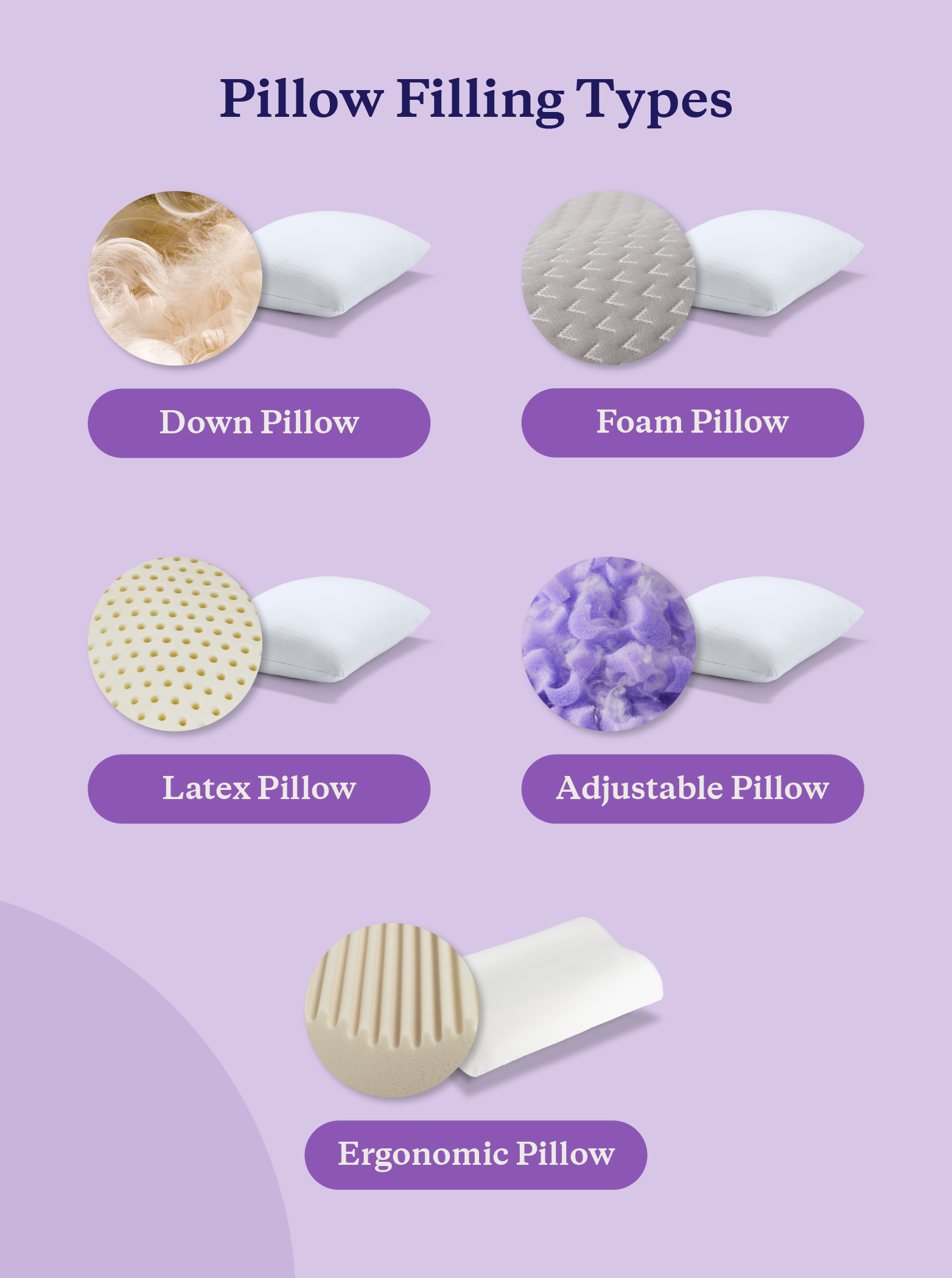
Use the right method for your fill type to avoid damage.
Down and Feather Pillows
Hand-fluffing, dryer with tennis ball, and sun airing work best. Fluff daily. Avoid high heat and frequent washing. Punch aggressively because down loves motion.
Synthetic and Polyester Pillows
Dryer with ball, massage, and comb-fluffing are most effective. Fluff after washing and weekly. Avoid incomplete drying, which leads to clumping.
Memory Foam Pillows
Sun airing is the only safe method. Never machine wash or use the dryer. Spot clean and air out when damp. Memory foam does not fluff like fiber. It slowly rebounds from compression.
Cotton Pillows
Sun-dry plus hand-fluff. Avoid shrinkage by not drying too hot. Wash gently with mild detergent and low spin.
Blended Fill Pillows
Hand-fluff plus rotate. Follow the label because some parts may not be washable. Fluff the fiber side more often.
Adjustable Pillows
Unzip and add or remove fill to customize firmness. Store extra fill in a labeled bag for future adjustments.
Body and Bolster Pillows
Accordion-fluff by holding the ends. Use low-heat dryer with tennis ball if the label allows. Rotate and turn during drying for even fluff.
Vacuum-Packed Pillows
Initial flatness is normal. They expand naturally over 24 to 72 hours. Speed it up with a 20-minute low-heat dryer cycle if the label allows. Do not force it. Let it expand on its own time.
Fix Lumps and Uneven Fill
Lumps mean fibers are matted, usually from washing or moisture.
How to Break Up Clumps
Knead by hand using fingertips in circular motions. Repeat the dryer cycle with a tennis ball for 15 to 20 minutes. Use the comb method for accessible or removable fill. Avoid sharp objects because fingernails or tools can tear fabric. Fluff immediately after drying to prevent clumping.
Fluffing Schedule by Use
How often you fluff depends on the type and use.
Daily sleep pillows need fluffing every day, especially upon waking. Decorative pillows need weekly fluffing or as needed. After washing, fluff immediately using the dryer method. New compressed pillows need multiple fluffing sessions daily for the first 2 to 3 weeks to encourage full expansion. Memory foam needs fluffing as needed after cleaning. No daily fluffing is required.
Long-Term Loft Preservation Tips
Keep pillows plump and lasting longer with these habits.
Daily Habits
Fluff every morning. Rotate and flip weekly. Reshape throw pillows after use.
Washing Best Practices
Use gentle cycle and mild detergent. Dry completely before use. Use low heat or air-dry.
Preventive Care
Use pillow protectors to block oils and sweat. Store extras in breathable cotton bags, never plastic. Replace every 1 to 2 years depending on use.
Design Fluffing: Style Your Throw Pillows
Fluffing is not just functional. It is part of home aesthetics.
Karate-Chop Look for Crisp Style
Fluff the pillow fully. Use the edge of your palm to press the center down. Pull top corners outward to create ears. The result is a clean, hotel-style V-shape, perfect for living rooms and styled beds.
Natural Plump for Soft Look
Gently fluff and let it settle. No shaping allows an organic, cozy form. This is ideal for rustic, lived-in spaces. No amount of fluffing fixes an undersized insert. Fill matters more than fluffing.
When to Replace Instead of Refluff
Even the best care has limits. Replace if the pillow fails the fold test repeatedly, has permanent dents, causes neck pain, smells musty after airing, or shows tears or unbreakable lumps. High-density pillows last longer and fluff better than ultra-light models.
Frequently Asked Questions About Refluffing Pillow Stuffing
How do I know if my pillow can be saved or needs replacing?
Fold the pillow in half. If it stays folded or rebounds slowly, fluffing will help. If it never springs back, has permanent dents, or causes neck pain despite fluffing, it is time to replace. Also replace if lumps will not break apart or if yellow stains persist after washing.
Can all pillow types go in the dryer?
No. Memory foam pillows must never go in the dryer. Check the care label first. Most synthetic and down pillows are safe on low heat or air-fluff. Cotton pillows can shrink if dried too hot. Always balance the drum with two pillows to prevent wobble.
How often should I fluff my pillow?
Daily fluffing is recommended for sleep pillows, especially upon waking. Fluff decorative pillows weekly or as needed. Always fluff immediately after washing and drying. New pillows need multiple fluffing sessions daily for the first few weeks.
What is the fastest way to fluff a flat pillow?
The tennis ball method in the dryer is the fastest deep-fluffing technique. Run on low heat for 20 to 30 minutes with one or two tennis balls in socks. For immediate results, use aggressive punching and shaking by hand.
Does refluffing really extend pillow life?
Yes. Regular fluffing reintroduces air into compressed fibers, preventing premature fiber degradation. It also improves hygiene by reducing moisture that leads to mold and dust mites. Combined with proper washing and protective covers, fluffing can extend pillow life by months or even years.
Why does my pillow get lumpy after washing?
Lumps form when fibers mat together from moisture and agitation. Always dry completely before fluffing. Use tennis balls in the dryer to break up clumps. For persistent lumps, remove the stuffing and comb-fluff by hand before reinserting.
Key Takeaways for Refluffing Pillow Stuffing

Regular fluffing is the simplest way to extend pillow life, improve sleep quality, and keep your bed looking great. Match your method to the pillow material. Down and synthetic fills respond well to aggressive punching and tennis ball drying. Memory foam needs only air and sunlight. Always check care labels before using heat.
Combine daily hand-fluffing with weekly airing or monthly deep cleaning, and your pillows will stay supportive for months or even years longer. Whether you are reviving an old favorite or maintaining a new one, mastering how to refluff pillow stuffing is a skill worth having. Start with the accordion squeeze method each morning, and your pillows will reward you with lasting comfort.