
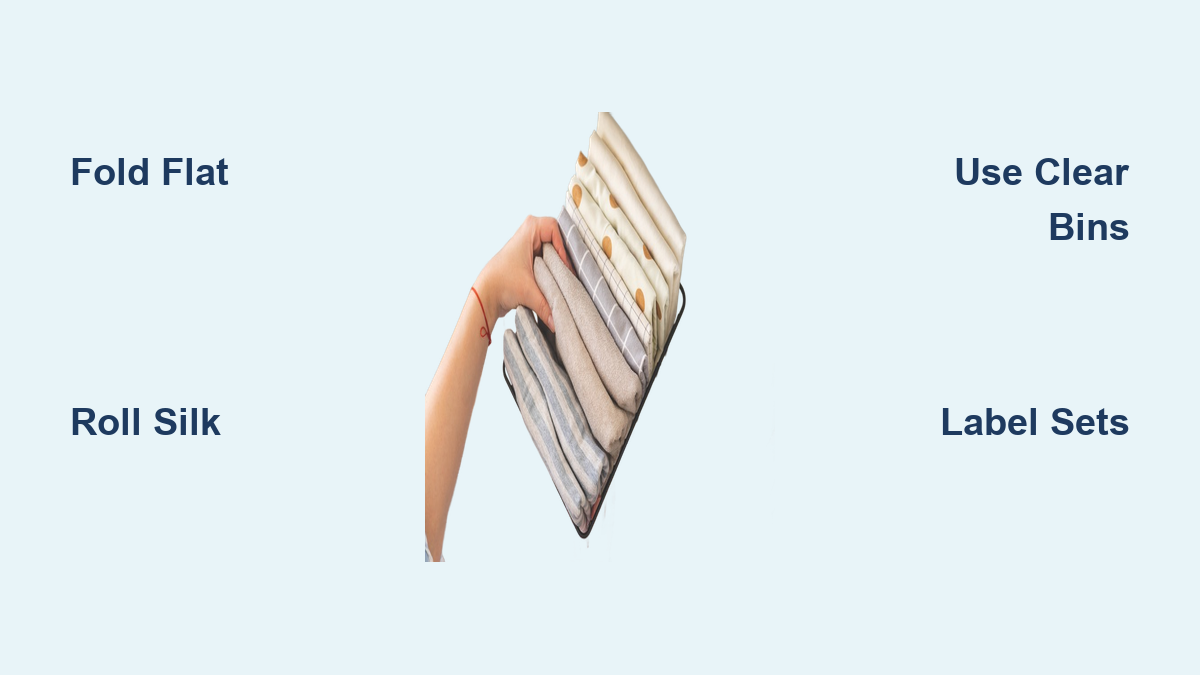
You’ve washed and dried your pillow cases. Now comes the question every homeowner faces: where do these go, and how do you keep them fresh until next use? How to store pillow cases properly matters more than you might think. Proper storage prevents wrinkles, protects delicate fibers, and keeps your linen closet organized so you can grab exactly what you need without digging through a tangled mess. This guide covers proven folding methods, ideal containers, fabric-specific care, and smart systems that work whether you have a spacious linen closet or a tiny apartment storage area.
Fold Pillow Cases Correctly
The way you fold pillow cases directly impacts how well they store and how easy they are to retrieve. Different fabrics call for different techniques.
Use the Flat Fold Method
Lay the pillow case face-up with the opening at the top. Smooth out wrinkles with your hands. Fold the bottom third upward toward the center, then fold the top third (the opening end) down over it to form a neat rectangle. This compact shape stacks easily in drawers or bins and works perfectly for cotton, microfiber, and polyester blends. It’s the go-to method for daily-use pillow cases stored in linen closets or dressers.
Try the Pocket Fold for Sheet Sets
Turn the pillow case inside out. Fold the top edge (the opening end) down about 6 to 8 inches to create a pocket. Fold your matching flat and fitted sheets to the same size and slide them into the pocket. This keeps complete bedding sets together without rubber bands or tags. When stored vertically in a bin, you can pull out one set at a time with no digging through a jumbled pile.
Roll Delicate Fabrics
For silk, satin, or heirloom pillow cases, rolling prevents sharp creases that can become permanent. Fold the pillow case in half lengthwise, then roll tightly from one end to the other. Tuck the final edge to secure. Rolling reduces air exposure and minimizes stress on delicate fibers. Store rolled cases in a breathable box or fabric pouch, ideally flat to avoid pressure.
Bundle with Matching Sheets
Pair each pillow case with its corresponding sheet set. Fold all components to a uniform size, with the pillow case on top or tucked inside the flat sheet. Secure with a fabric tie, ribbon, or labeled reusable bag. This method simplifies linen changes and prevents mismatched sets, especially useful in guest rooms or vacation homes.
Choose the Right Storage Container
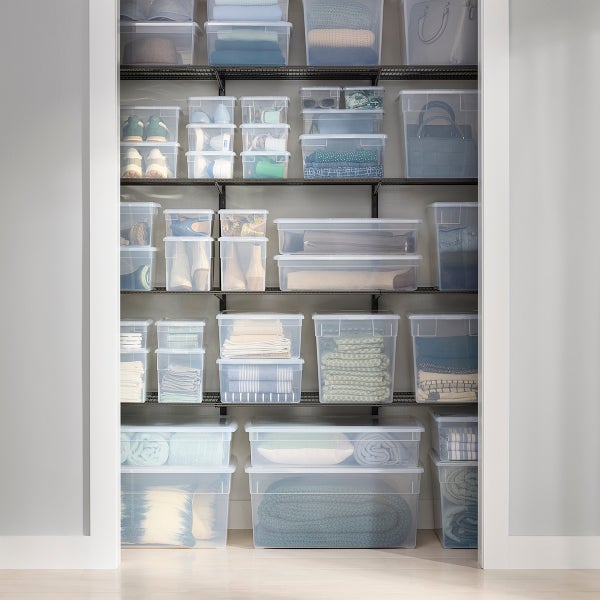
The container you pick affects breathability, visibility, and protection from dust and pests.
Use Clear Plastic Bins with Lids
Stackable, transparent bins let you see contents without opening. They shield pillow cases from dust, moisture, and insects, making them perfect for under-bed or attic storage. Add silica gel packs to absorb moisture in humid climates. Label the outside with bed size and fabric type (for example, “Queen, 400-thread count cotton”) for quick identification.
Opt for Fabric Baskets
Woven cotton, linen, or canvas bins are breathable and stylish for open shelving. They work best for frequently used pillow cases in a master bedroom. Avoid overcrowding to prevent crushing. Clean baskets every 3 to 6 months to remove dust buildup that can transfer to fabric.
Store Seasonal Sets in Vacuum Bags
Vacuum-sealed bags compress pillow cases by up to 80 percent, ideal for storing off-season sets. Use only for durable fabrics like cotton or microfiber. Avoid compressing silk, linen, or vintage pieces, as long-term pressure weakens fibers. Always label the bag before sealing, since compressed contents are hard to identify later.
Organize with Drawer Dividers
In dresser drawers, use adjustable dividers to separate pillow cases by size (twin, queen, king) or color. This prevents tangling and makes single-item retrieval easy. Group by frequency of use, with daily sets in front and guest sets in back.
Hang in Multi-Pocket Organizers
Closet-door or rod-mounted hanging organizers with clear pockets maximize vertical space. Each pocket holds one folded set, allowing full visibility and airflow. Lightweight and accessible, this solution works well for small apartments or shared linen closets.
Store by Bedding Set for Easy Access
Keeping pillow cases with their matching sheets saves time and reduces clutter.
Bundle Complete Sheet Sets
Store pillow cases as part of a full bedding set. Roll the fitted sheet, flat sheet, and pillow case together and secure with a fabric tie or elastic band. Alternatively, tuck all pieces into a labeled zipper pouch or reusable cloth bag. This system ensures you always have a complete set ready, especially helpful for guest rooms.
Tuck Into Duvet Covers
For coordinated storage, fold the sheet set and place it inside a matching duvet cover. Button or zip closed. The pillow case goes on top before folding. This keeps everything together and reduces the number of loose items in your closet.
Label Every Set Clearly
Use waterproof labels, fabric tags, or QR codes to identify each set. Include bed size (queen, king), fabric type (cotton, silk), color or pattern name, and season (summer, winter). QR codes can link to care instructions in smart homes. This is especially useful for households with multiple users or vacation properties.
Pick the Best Storage Location
Where you store pillow cases impacts their condition and accessibility.
Linen Closet: Primary Storage
Store daily-use pillow cases on mid-level shelves for easy reach. Use shelf dividers to keep stacks upright. Place heavier items like blankets on lower shelves and keep pillow cases above. Avoid overcrowding, and stack no more than 8 to 10 folded sets high to prevent wrinkling.
Under-Bed: Extra or Guest Sets
Use low-profile, rolling bins for under-bed storage. Choose containers with breathable sides if storing long-term to prevent mustiness. This space is ideal for guest-room pillow cases or seasonal rotation. Measure clearance height before purchasing containers.
Dresser Drawers: Bedroom Convenience
Dresser drawers work perfectly for pillow cases used weekly. Group by size or color family. Add lavender or cedar sachets for freshness, but never let them touch the fabric directly, as oils can stain.
Over-the-Door: Small Space Solution
Maximize unused space with door-mounted organizers. This works best for lightweight, folded pillow cases. Avoid overloading pockets, which can warp the door or damage hinges.
Attic or Basement: Long-Term Only
Only use these spaces if they are climate-controlled and pest-free. Elevate containers on pallets or shelves to avoid floor moisture. Inspect every 3 to 6 months for mold or insect signs. Include moisture absorbers and avoid plastic bags that trap humidity.
Protect Different Fabric Types

Each material has unique storage needs to prevent damage.
Cotton and Polyester: Durable and Flexible
These blends tolerate folding, stacking, and vacuum storage well. Store in dry, ventilated areas. Avoid direct sunlight to prevent fading. They work with most standard storage methods.
Silk and Satin: Handle with Care
Never fold sharply. Use rolling or flat storage instead. Keep pillow cases away from zippers or rough fabrics that can snag. Wrap in acid-free tissue paper if storing long-term. Store in a cool, dark place to preserve the sheen.
Linen: Prevent Wrinkles and Odors
Linen wrinkles easily, so fold loosely. Never store damp, as this invites mildew. Store in breathable containers and air out quarterly. Avoid compression to maintain texture.
Microfiber: Wrinkle-Resistant but Static-Prone
Microfiber tolerates vacuum storage well. It may develop static, so use a light anti-static spray if needed. Avoid fabric softeners during washing, as they reduce performance.
Control Storage Environment
Environmental factors play a big role in fabric preservation.
Maintain 40–50% Humidity
Too much moisture breeds mildew, while too little dries out fibers. Use silica gel packs or charcoal bags in storage bins. In damp basements, consider a small dehumidifier.
Block UV Light Exposure
Sunlight weakens fibers and causes yellowing. Store pillow cases in opaque bins or dark closets. Rotate sets seasonally so all pieces age evenly.
Prevent Pest Infestations
Moths and silverfish target natural fibers. Wash pillow cases before storage to remove skin oils. Use cedar blocks, lavender sachets, or diatomaceous earth as natural deterrents. Avoid mothballs, which leave toxic residue and strong odors.
Rotate Sets Every 3–6 Months
Use a first-in, first-out system to ensure even wear. Rotate pillow cases so none sit unused for years. This prevents fabric degradation from static storage and ensures freshness.
Avoid Common Storage Mistakes
Small errors can ruin your efforts. Steer clear of these pitfalls.
Never Store Dirty or Damp Pillow Cases
Residual oils, sweat, or moisture lead to stains, odors, and mold. Always wash and fully dry before storing. Inspect for tears or stains, and repair or retire damaged pieces.
Don’t Overstuff Containers
Jamming too many pillow cases into a bin causes deep wrinkles and fabric stress. Leave 1 to 2 inches of space at the top for airflow and easy access.
Separate Incompatible Fabrics
Do not store silk next to coarse denim or zippers. Abrasion causes pilling and snags. Keep delicate fabrics in their own compartment or pouch.
Skip Rubber Bands and Metal Clips
These can leave marks, promote oxidation, or snap over time. Use fabric ties, ribbons, or labeled bags instead.
Keep Away from Heat Sources
Radiators, heaters, or sunny windows accelerate fiber breakdown. Store in cool areas to extend lifespan.
Rotate Regularly
Leaving sets untouched for years leads to forgotten, deteriorating linens. Schedule seasonal rotation to keep everything fresh and functional.
Optimize for Special Use Cases
Tailor storage to your lifestyle and needs.
Guest Room: Ready-to-Use Sets
Store complete bedding in labeled, sealed bags with a fresh sachet. Keep near spare pillows for quick setup. Include care instructions if guests do their own laundry.
Travel and RV: Compact and Wrinkle-Free
Use roll-up packing cubes with separate compartments. Choose wrinkle-resistant fabrics like microfiber. Store in carry-on sized bags for easy transport.
Heirloom or Vintage: Archive with Care
Store flat in acid-free boxes with interleaved tissue paper. Keep in a climate-controlled room, never an attic or basement. Handle with clean hands or cotton gloves to avoid oil transfer.
Kids’ or Nursery: Accessible and Labeled
Use low bins within reach if children help with bedding. Add picture labels for non-readers. Wash and rotate more frequently due to higher soiling rates.
Prepare Pillow Cases Before Storage
Proper prep ensures long-term freshness.
Always wash pillow cases before storing. Never store used ones. Use mild, fragrance-free detergent for sensitive fabrics. Skip fabric softeners on microfiber (they reduce absorbency) and silk (they damage fibers). Iron or steam to remove wrinkles for a polished look. Inspect for damage and address stains immediately.
Frequently Asked Questions About Storing Pillow Cases
What is the best way to fold pillow cases for storage?
The flat fold method works best for most fabrics. Lay the pillow case face-up, fold the bottom third up, then fold the top third down over it to create a compact rectangle. For delicate fabrics like silk, roll them instead to prevent permanent creases.
Can I store pillow cases in vacuum bags?
You can use vacuum bags for cotton and microfiber pillow cases, but avoid them for silk, satin, linen, or vintage pieces. Long-term compression weakens delicate fibers and can cause permanent damage.
How often should I rotate my stored pillow cases?
Rotate pillow cases every 3 to 6 months. This prevents fabric degradation from sitting unused and ensures even wear across all your sets. A first-in, first-out system keeps everything fresh.
Should I add sachets or cedar blocks to my storage containers?
Yes, cedar blocks and lavender sachets work well as natural pest deterrents. However, never let them touch the fabric directly, as oils and dyes can transfer and cause stains. Place them in a small cheesecloth bag or separate compartment.
Can I store pillow cases in plastic bags?
Avoid plastic bags for long-term storage, since they trap humidity and can cause mustiness or mold. Use breathable fabric containers or clear plastic bins with ventilation holes instead. Vacuum bags are acceptable for seasonal storage of durable fabrics only.
Key Takeaways for Storing Pillow Cases
Storing pillow cases the right way keeps your linens fresh, organized, and ready for use. Start by washing and fully drying all pillow cases before storage, then choose a folding method that matches your fabric type. Cotton and polyester blends tolerate standard flat folding, while silk and satin need rolling or flat storage to protect delicate fibers.
Invest in clear, stackable bins for primary storage and add silica gel packs in humid climates. Always store pillow cases as part of complete sheet sets, and label everything clearly with bed size, fabric type, and season. Rotate your collection every few months to ensure even wear and catch any problems early.
Whether you are maximizing a small apartment closet or managing a vacation home inventory, these strategies turn a simple task into a smart home habit that saves time and extends the life of your bedding.