

If you wake up sweating or toss and turn because your pillow feels like a heat trap, you’re not alone. Overheating at night disrupts sleep cycles, delays sleep onset, and reduces deep sleep quality. The key to staying cool starts with your pillow, your head’s primary contact point. But not all pillows are created equal. How to make pillow cooler isn’t just about tossing it in the freezer. It involves smart materials, advanced technologies, and daily habits that work together to regulate temperature all night.
This guide reveals the science-backed ways to cool your pillow. You’ll discover which materials actually work, how to boost airflow, and how to maintain cooling performance over time. Whether you’re a hot sleeper, dealing with night sweats, or just want better rest, you’ll learn exactly how to make pillow cooler using proven methods.
Choose a Cooling-Friendly Pillow Fill
The internal fill of your pillow determines how much heat it traps. Some materials insulate like a winter coat, while others breathe like a summer sheet. Picking the right fill is the first step in how to make pillow cooler.
Avoid Heat-Trapping Down and Memory Foam
Down and solid memory foam are among the worst choices for hot sleepers. Duck or goose down is naturally insulative, trapping body heat like a thermal blanket. While soft and fluffy, it lacks breathability and can clump over time, reducing airflow. Similarly, traditional memory foam has a dense, closed-cell structure that holds heat and increases conductive transfer from your skin. Many users report waking up sweaty despite initial comfort.
Gel-infused memory foam offers a cooler initial feel but only provides temporary relief. Once the gel warms to body temperature, it stops drawing heat. These fills should be avoided unless modified with active cooling tech.
Use Polyester Fiberfill for Maximum Breathability
Polyester fiberfill is one of the best materials for cooling. Made from breathable synthetic fibers, often recycled PET, it resists moisture buildup and allows air to circulate. It’s lightweight, hypoallergenic, and dries quickly. Ideal for sweat-prone sleepers. Unlike memory foam, it doesn’t create a sinking sensation that increases heat contact.
Brands like Slumber Cloud’s Cumulus Pillow use advanced polyester blends specifically engineered for cooling. These fibers wick moisture and maintain loft, preventing compaction that blocks airflow.
Try Shredded Foam or Latex for Support and Airflow
If you need more support than fiberfill provides, opt for shredded memory foam or latex. Shredded foam consists of small foam pieces that create internal air channels. This allows heat to escape through convection. It’s adjustable, so you can add or remove fill to control loft and firmness.
Latex, especially natural latex, has an open-cell structure that naturally resists heat buildup. It’s durable, supportive, and resists mold and dust mites. The Purple Harmony Pillow combines latex with a breathable polymer grid for superior airflow and pressure relief.
Cooling Fill Comparison

Here are the best fill options ranked by cooling performance.
| Fill Type | Cooling Level | Best For |
|---|---|---|
| Polyester fiberfill | High | Hot sleepers, budget-friendly |
| Shredded foam | High | Adjustable support, airflow |
| Latex | High | Neck support, durability |
| Gel memory foam | Low-Moderate | Initial cool feel only |
| Down | Low | Warm sleepers only |
Pick the Right Cooling Fabric Shell
The outer shell is your first point of contact. A poorly chosen fabric can trap heat and moisture, even if the fill is breathable. The right shell enhances cooling through breathability, moisture wicking, and thermal conductivity.
Cotton: Breathable and Reliable
High-thread-count cotton, around 300 to 600 TC, is a top choice for cooling shells. It’s soft, naturally breathable, and allows air to pass through. Percale weave cotton is especially effective. Crisp and airy, it wicks moisture and promotes evaporation.
While cotton absorbs sweat, it releases it quickly under good ventilation. Avoid low-quality, tightly woven cotton that blocks airflow.
Viscose and Bamboo Rayon: Smooth and Moisture-Wicking
Viscose, often derived from bamboo and marketed as bamboo rayon, is highly breathable and non-absorbent. It pulls moisture away from the skin and dries fast. The smooth texture feels cool and reduces facial friction.
Note that bamboo cooling claims are overstated. The benefit comes from the viscose fiber structure, not the bamboo source. Any high-quality viscose offers similar performance.
TENCEL and Silk: Premium Cooling Fabrics
For maximum cooling, TENCEL, also known as lyocell, and silk are elite options. TENCEL, made from eucalyptus, absorbs 50% more moisture than cotton and regulates temperature naturally. It’s soft, hypoallergenic, and eco-friendly.
Silk feels cooler than ambient temperature due to high thermal conductivity. It wicks moisture, resists bacteria, and is gentle on hair and skin. It’s a popular upgrade for any pillow.
Avoid 100% polyester shells. They trap heat and feel plasticky unless specially engineered for cooling.
Use Advanced Cooling Technologies
Materials alone are not enough. The most effective cooling comes from proactive technologies that regulate temperature, not just react to heat.
Phase-Change Materials: Stabilize Temperature All Night
Phase-change material, known as PCM, is the gold standard in cooling tech. Originally developed by NASA, it absorbs excess heat when your body warms up and releases it when you cool down. This keeps the pillow surface near a constant temperature.
Microencapsulated PCM is infused into fibers or coatings. When body heat hits around 32 to 34 degrees Celsius, the material melts, absorbing thermal energy. As you cool, it solidifies, preventing sudden chills.
Brands like Slumber Cloud UltraCool, Sijo FlexCool, and GhostPillow use Outlast or proprietary PCM in their covers or fills. Lab-tested by the Good Housekeeping Institute, these pillows maintain a cool-to-touch feel all night.
Cool-to-the-Touch Covers: Instant Relief
These fabrics use mineral-infused yarns, including ceramic and graphite, to draw heat away on contact. The Ghost Ice cover and FlexiKold fabrics provide immediate cooling when you lay your head down.
While not as long-lasting as PCM, they are excellent for quick relief. Combine them with PCM for both instant and sustained cooling.
Avoid Gel-Only Cooling
Many pillows advertise gel-infused foam, but gel only cools on initial contact. Once it reaches body temperature, it stops working. It does not regulate heat dynamically. Relying solely on gel is ineffective for all-night cooling.
Shredded Foam and Perforated Cores Boost Airflow
Pillows like the Coop Home Goods and Tuft & Needle Original use shredded or perforated foam to create internal air channels. This allows passive convection. Air circulates, carrying heat away from your head.
These designs require occasional fluffing to prevent compaction, but they significantly reduce heat buildup compared to solid foam.
Best Cooling Technologies Ranked
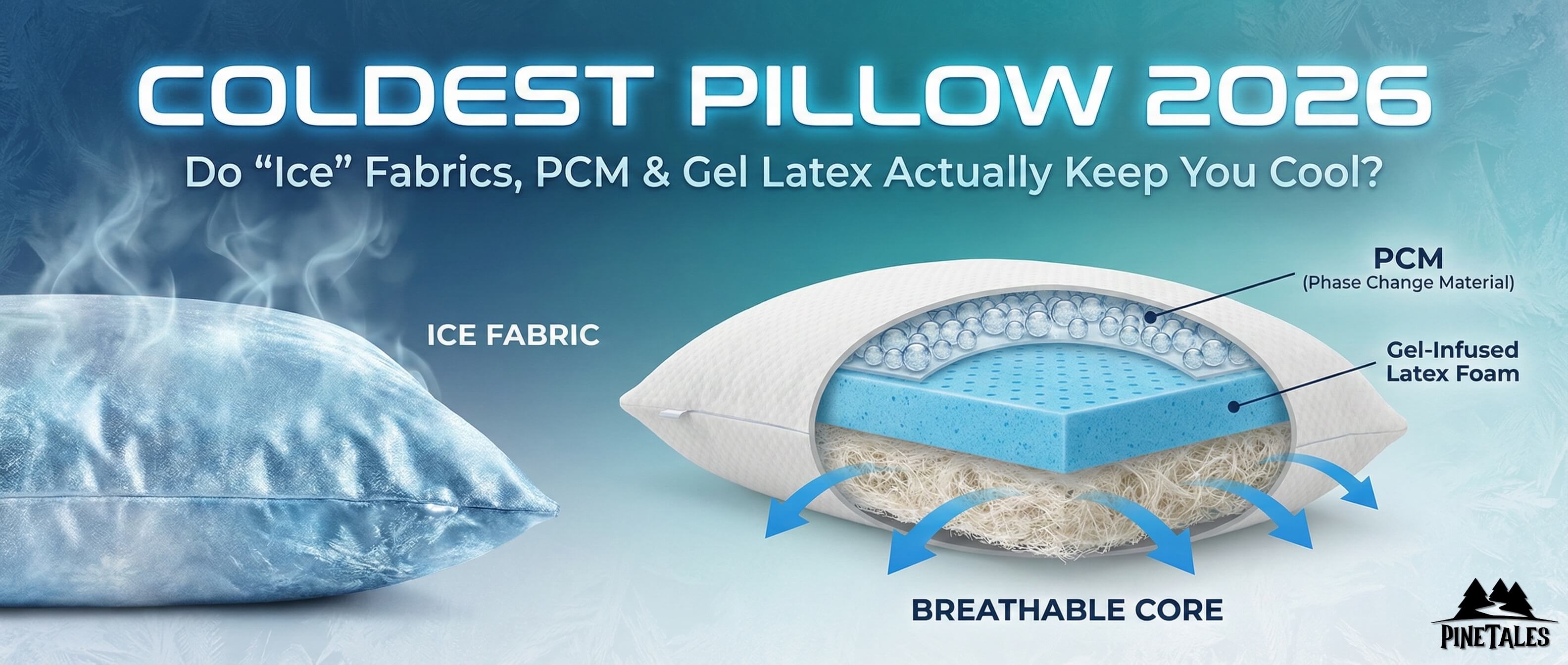
Here are the most effective cooling technologies ranked by performance.
- PCM or Outlast. Proactive, long-lasting temperature regulation.
- Shredded or perforated foam. Enhances airflow.
- Cool-to-the-touch covers. Immediate relief.
- Moisture-wicking fabrics. Reactive comfort.
- Gel infusion. Temporary, overhyped.
Optimize Pillow Design and Loft
Beyond materials, the pillow’s shape and construction affect cooling. Matching your pillow to your sleep position and adding ventilation features can dramatically improve airflow.
Match Loft to Your Sleep Position
Side sleepers need high-loft pillows, around 5 inches or more, for neck alignment. Use breathable fills like shredded foam to avoid heat trapping. Back sleepers do best with medium loft, around 4 to 5 inches. Focus on surface cooling. Stomach sleepers should use low-loft pillows, around 3 to 4 inches, to prevent neck strain and reduce insulation.
Use Ventilation Channels and 3D Mesh
Some pillows feature perforated cores or 3D mesh panels that increase internal airflow. The Purple Grid cover, for example, allows air to move freely through the pillow, reducing stuffiness.
Try Dual-Sided or Adjustable Pillows
Dual-sided designs let you switch between a cool and soft side. Adjustable pillows, like Coop Home Goods, let you add or remove fill to customize loft and airflow. This is ideal for seasonal changes.
Add External Cooling Aids
Even the best pillow can be enhanced with external tools. These methods provide additional cooling power when combined with a quality pillow.
Freeze a Gel Pack Inside the Pillowcase
The FlexiKold Gel Cold Pack stays pliable when frozen and conforms to your neck. Place it inside the pillowcase 15 to 30 minutes before bed. It stays cold for hours and is machine-washable.
Users report deep, uninterrupted sleep even during heatwaves. Just avoid direct skin contact to prevent overcooling.
Use a Cooling Pillowcase
Swap your regular case for a cool-to-the-touch pillowcase made from TENCEL, silk, or PCM-coated fabric. It protects your pillow and adds an extra cooling layer.
You still feel the cold beneath, like sitting on a blanket over snow. Change it weekly to maintain hygiene and cooling efficiency.
Direct Airflow with a Bed Fan
The IDEA Mini Elefan Bed Fan has a flexible neck that directs cool air under or across your pillow. USB-powered and quiet, it’s a budget-friendly alternative to expensive cooling mattresses.
Place it near your head and set it to low for a gentle breeze all night.
Run a Cool Mist Diffuser
The Riverock Essential Oil Diffuser emits a fine, cool mist that lowers ambient temperature near your face. Add peppermint or eucalyptus oil for a refreshing sensation.
While not a direct pillow cooler, it enhances the overall sleep environment, especially in dry or hot rooms.
Maintain Your Pillow for Long-Term Cooling
Cooling performance degrades without proper care. Follow these steps to keep your pillow effective.
Wash the Cover Weekly
Sweat, oils, and bacteria build up fast. Use a removable, machine-washable cover made from breathable fabric. Wash it weekly in cold water with mild detergent.
For non-removable covers, spot clean with a damp cloth and gentle soap.
Fluff and Rotate Daily
Pillows compress with use, blocking airflow. Fluff shredded foam or fiberfill pillows daily to restore loft. Rotate or flip the pillow weekly to prevent uneven wear.
Replace at the Right Time
Replace fiberfill pillows every 1 to 2 years. Replace memory foam every 3 to 5 years. Replace latex or shredded foam pillows up to 5 years. PCM tech lasts 3 or more years with care.
If your pillow no longer springs back or feels flat, it is time to replace it.
Match Cooling to Your Sleep Needs
Not all sleepers need the same solution. Tailor your approach based on personal factors.
Hot Sleepers and Night Sweats
Choose PCM-infused pillows with moisture-wicking covers. The Slumber Cloud UltraCool and REST Evercool are top picks for menopausal women or those with hyperhidrosis.
Ensure the pillow is fully or cover-washable to manage hygiene.
Allergy Sufferers
Opt for hypoallergenic fills like polyester or synthetic latex. Use TENCEL or cotton-viscose shells that resist dust mites and mold.
Avoid natural down unless specially treated.
Hot Climates and Humid Rooms
In tropical environments, combine breathable fills with quick-drying fabrics. Use a bed fan and cool mist diffuser to lower ambient heat.
Avoid dense foams and non-breathable cases.
Frequently Asked Questions About Making a Pillow Cooler
Does putting a pillow in the freezer actually work?
Putting a pillow in the freezer provides temporary relief but is not practical. The pillow absorbs moisture from the air, and the cold fades quickly. A frozen gel pack inside the pillowcase is a better approach. It stays cold longer and conforms to your shape.
How do I keep my pillow cool all night naturally?
Use a pillow with phase-change materials for sustained temperature regulation. Combine it with a cooling pillowcase and a bed fan for active cooling. Place a frozen gel pack inside the pillowcase for extra relief on hot nights.
Are gel pillows good for hot sleepers?
Gel pillows only provide initial coolness. Once the gel warms to body temperature, it stops working. For hot sleepers, phase-change materials or shredded foam with good airflow are more effective long-term solutions.
What is the best fabric for a cooling pillowcase?
TENCEL and silk are the best fabrics for cooling pillowcases. They wick moisture efficiently and feel cool to the touch. High-thread-count cotton with a percale weave is also excellent and more affordable.
Can I wash a cooling pillow?
It depends on the pillow. Some pillows, like the REST Evercool, are fully machine-washable. Others only have removable, machine-washable covers. Always check the manufacturer’s care instructions. Foam pillows generally should not be submerged in water.
How often should I replace my cooling pillow?
Replace fiberfill pillows every 1 to 2 years. Replace memory foam or PCM pillows every 3 to 5 years. Latex and shredded foam pillows can last up to 5 years with proper care. Replace sooner if the pillow loses loft or stops providing cooling benefits.
Key Takeaways for Making Your Pillow Cooler
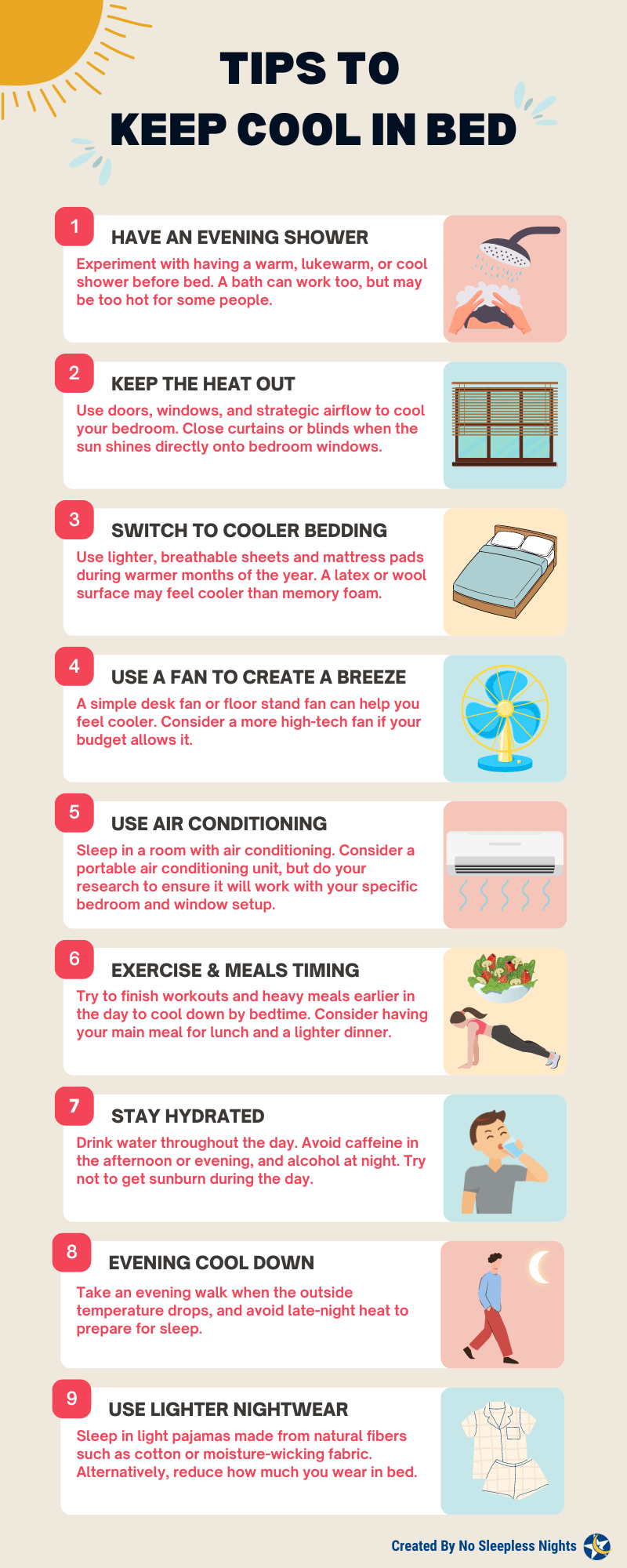
The best way to make pillow cooler is to combine smart materials, advanced technology, and daily habits. Focus on polyester or shredded foam fill, a cotton-viscose or TENCEL shell, and PCM-based temperature regulation. Add a cooling pillowcase and frozen gel pack for instant relief. With the right setup, you can stay cool, dry, and deeply asleep all night no matter how hot it gets.
Start by evaluating your current pillow. If it uses down or solid memory foam, it is likely trapping heat. Replace the fill with something breathable or add a cooling pillowcase. For the best results, invest in a pillow with phase-change technology and pair it with a bed fan. Small changes lead to better sleep, so try one method at a time and notice the difference.