
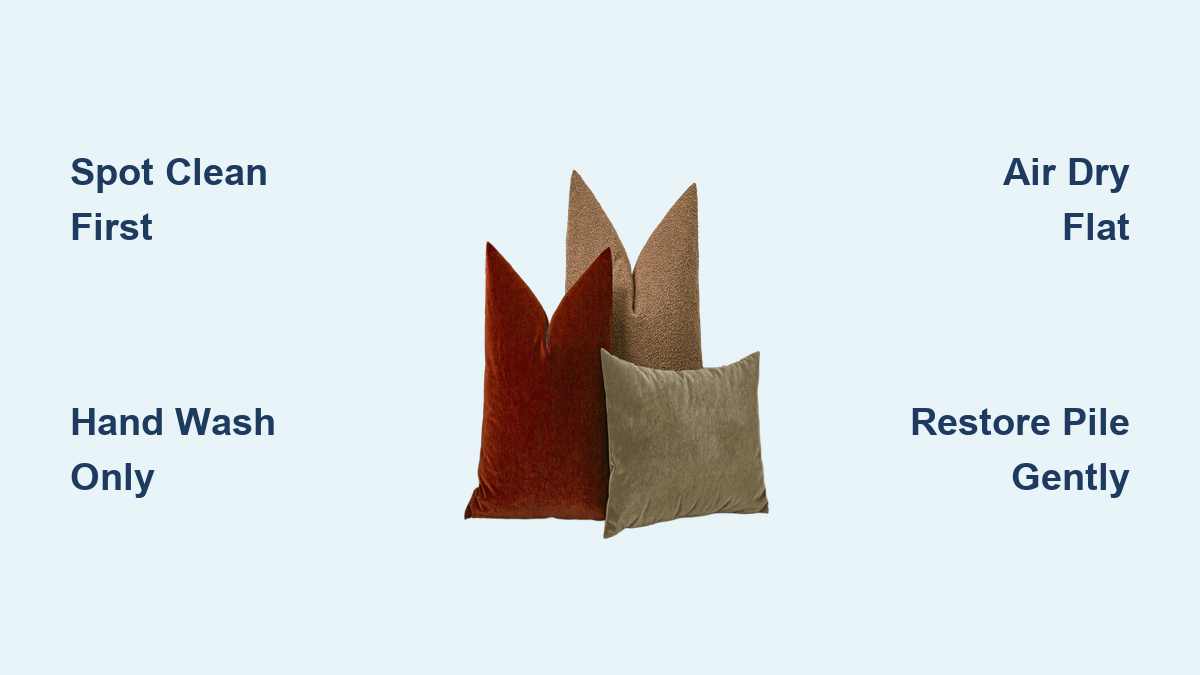
Velvet pillow covers add a touch of luxury to any room, but their plush texture demands careful cleaning. Washing them the wrong way can lead to matted pile, water stains, or irreversible shrinkage. The good news is that with the right method, based on your specific fabric type and care labels, you can safely clean your velvet covers at home without sacrificing their softness or sheen. This guide breaks down exactly how to wash, dry, and restore velvet pillow covers step by step so you keep them looking rich and elegant for years.
From identifying fiber types to avoiding common mistakes, you will learn how to clean polyester, cotton, silk, and rayon velvet, plus when to skip the washing machine entirely. Whether you are dealing with a spill or doing routine maintenance, these techniques ensure your velvet stays flawless.
Know Your Velvet Type Before Cleaning
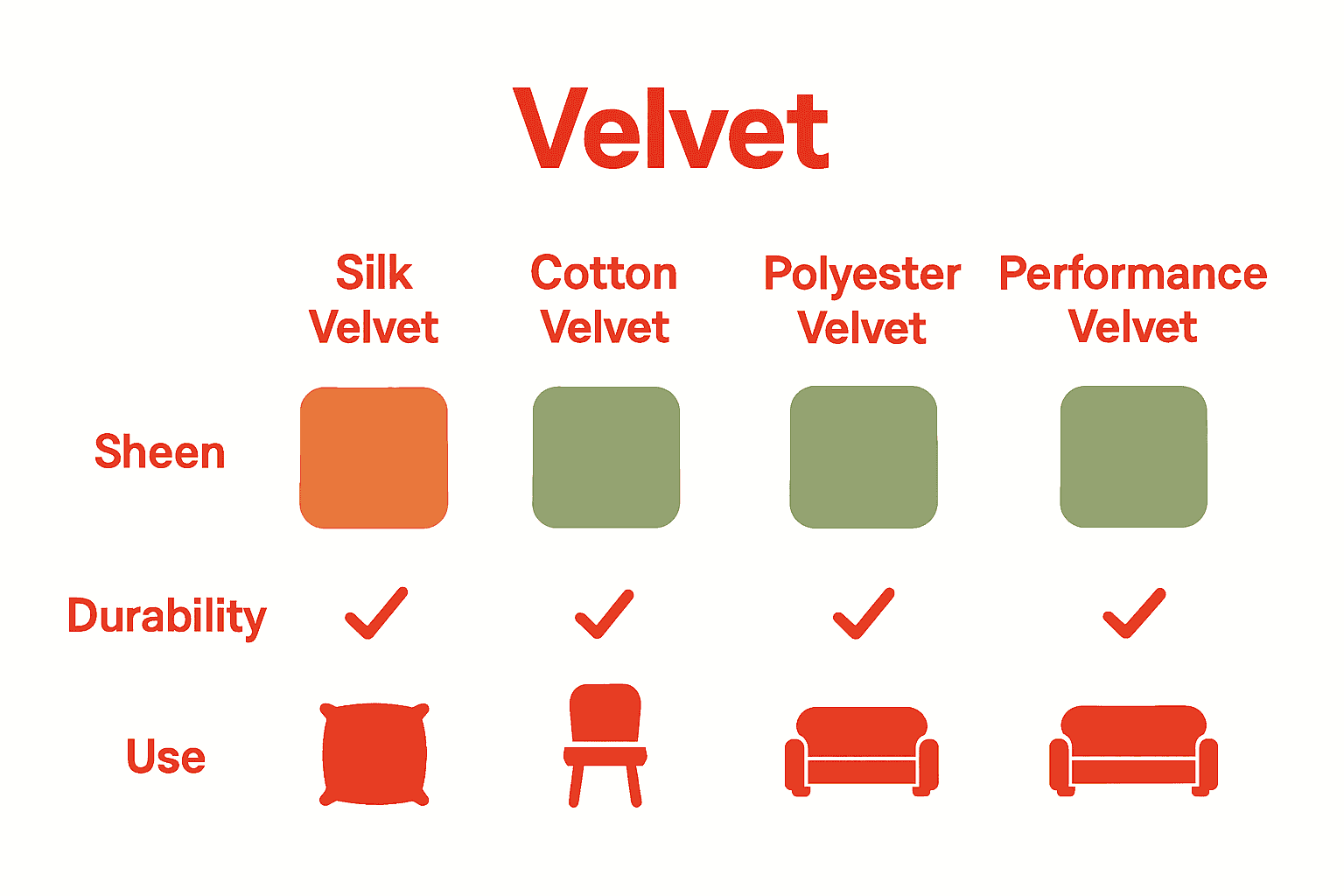
The first step in washing velvet pillow covers is identifying the fabric. Not all velvet is created equal, and each fiber type reacts differently to water, heat, and agitation.
Polyester Velvet
Most common in home décor, polyester velvet is durable and often machine washable. It resists shrinking and fading, making it ideal for frequent cleaning. Check the label for “machine washable” or code W.
Cotton Velvet (Velveteen)
Softer and more breathable, cotton velvet has a matte finish. It absorbs water easily and can shrink if washed in hot water. Always hand wash and avoid wringing.
Silk Velvet
Luxurious and delicate, silk velvet is highly sensitive to moisture. Water can leave permanent spots, and heat damages fibers. Always dry clean only—never wash at home.
Rayon Velvet
Rayon swells when wet, leading to seam shrinkage and texture loss. Even brief soaking can distort the fabric. Labeled “dry clean only” for a reason, so skip home washing.
Blends and Special Finishes
Cotton-polyester blends behave like their dominant fiber. Quilted, embroidered, or jacquard velvets require extra caution. If in doubt, spot clean or dry clean.
Pro Tip: No label? Do a spot test in a hidden seam with distilled water and mild detergent. Wait 10 minutes. If no bleeding or texture change, proceed cautiously.
Always Remove the Pillow Insert
Before cleaning, take out the inner cushion. Most inserts, whether foam, down, or feather, are not washable. Trapped moisture can cause lumps, odors, or mold. Wash only the cover and never the filled pillow.
Spot Clean First for All Velvet Types
Spot cleaning is the safest way to handle spills and maintain velvet between deep cleans. This method works for every velvet type, including dry-clean-only fabrics.
Stains? Blot, Do Not Rub
Rubbing creates friction that flattens the pile and spreads stains. Use a microfiber cloth dampened with distilled water and one drop of pH-neutral detergent.
Steps for effective spot cleaning:
- Vacuum the area gently with a soft brush attachment, moving in the direction of the pile
- Wring the cloth until nearly dry
- Blot the stain by pressing lightly, never scrubbing
- Place a dry towel over the area and press to absorb moisture
- Air-dry flat or vertically, away from heat and sun
Why distilled water? Tap water leaves behind minerals that show as water marks when dry.
Hand Wash Delicate Velvets
For cotton, rayon, or unlabeled velvets, hand washing is the best option if the label allows. This method protects the delicate pile while removing soil.
Step-by-Step Hand Washing
- Fill a sink with lukewarm water at max 30°C (86°F)
- Add a small amount of mild, non-ionic detergent
- Submerge the cover and gently swirl—never scrub, twist, or wring
- Soak for 10 to 15 minutes (only 1 minute for rayon)
- Drain and rinse with cool, clean water 2 to 3 times until water runs clear
- Press between clean, dry towels to remove excess water—never wring
Warning: Wringing crushes the pile and distorts the fabric. Gently press instead of twisting.
Machine Wash Only If Labeled Safe
Only polyester velvet should go in the washing machine, and only if the care label says so. Machine washing other velvet types risks permanent damage.
Safe Machine Washing Steps
- Confirm the label shows “machine washable” or code W
- Use cold or cool water at 30°C or lower
- Select the gentle or delicate cycle
- Place the cover in a mesh laundry bag to reduce agitation
- Wash alone or with similar non-linting items only
- Use mild, color-safe detergent with no bleach or fabric softener
Never use fabric softener because it coats fibers, dulls shine, and attracts dirt.
Air Dry Only, No Exceptions
Tumble drying destroys velvet. Heat melts synthetics, shrinks cotton, and flattens the pile. Always air dry to preserve the fabric.
Best Drying Methods
- Lay flat on clean towels to prevent seam stress
- Hang vertically on a padded hanger, never use wire
- Keep away from sunlight, radiators, and fans to avoid streaking
- Do not fold or crease while damp because wrinkles can set permanently
Drying time: Plan for 6 to 12 hours. Flip halfway if laying flat for even drying.
Fix Flat Pile After Washing
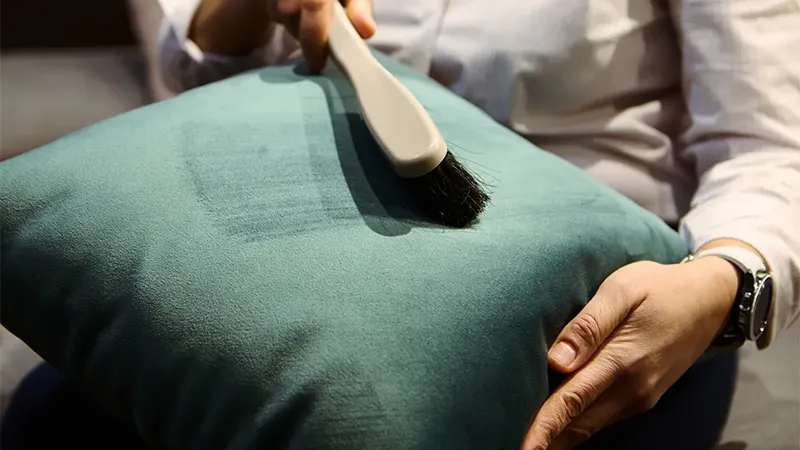
Washing can leave the pile matted. Restore the texture gently without direct ironing, which permanently damages velvet.
Revive the Pile Safely
- Steam from a distance: Hold a garment steamer 12 inches (30 cm) away. Steam from the back if possible.
- Brush with care: Use a soft clothes brush or clean toothbrush. Stroke in the direction of the nap.
- Vacuum lightly: Use an upholstery attachment on low suction to lift fibers.
Never iron directly because even low heat flattens the pile permanently.
When to Dry Clean
Some velvets should never be washed at home. Professional cleaning protects delicate fibers and embellishments.
Dry Clean Only If
- Fabric is silk, rayon, or velvet jacquard
- Label says “S” or “Dry Clean Only”
- Cover is heavily soiled, embroidered, or quilted
Tell your cleaner the fabric type because some solvents like perchloroethylene can damage rayon-backed velvet.
Avoid These Common Mistakes
Even small errors can ruin velvet. Steer clear of these pitfalls to keep your covers looking their best.
Common Errors That Damage Velvet
- Using tap water: Minerals cause visible rings; always use distilled water for spot cleaning
- Rubbing stains: Creates halo marks and fiber damage; always blot instead
- Over-soaking: Leaves fibers waterlogged and increases risk of streaks and pile collapse; limit soak time to 15 minutes max
- Using harsh cleaners: Vinegar damages silk, baking soda leaves residue that dulls luster, and bleach weakens fibers
- Skipping the spot test: Always test cleaning solutions on a hidden area first
Maintain Velvet Between Washes
Prevention keeps velvet looking new longer and reduces how often you need to do a full wash.
Weekly Care Routine
- Vacuum with a soft brush attachment
- Plump and rotate pillows to prevent uneven wear
- Brush pile gently every few weeks to prevent matting
Spill Response
- Blot immediately with a dry microfiber cloth
- Follow with spot cleaning if needed
- Never let liquids sit because oils and dander seep into the backing
Protective Measures
- Use fabric protector spray after testing first to repel spills
- Keep away from direct sunlight to prevent fading
How Often Should You Wash
Cleaning frequency depends on use. Adjust your schedule based on your household.
| Use Case | Washing Frequency | Notes |
|---|---|---|
| Daily Use (Living Room) | Every 2-4 weeks | More often with pets or kids |
| Occasional Use | Every 3-6 months | Vacuum monthly |
| Pet-Friendly Homes | Every 1-2 weeks | For fur, dander, and oils |
| Allergy Sufferers | Every 1-2 weeks | Use hypoallergenic detergent |
| After Spills | Immediately | Spot clean first |
Store Velvet Covers Properly
If rotating or storing off-season, proper storage prevents damage and keeps velvet fresh.
- Ensure covers are completely dry before storing
- Use breathable cotton bags, never plastic, because plastic traps moisture
- Store in a cool, dry, dark place
- Add cedar blocks or lavender sachets to deter moths
Best Practices by Fabric Type
| Fabric Type | Wash Method | Drying | Special Notes |
|---|---|---|---|
| Polyester Velvet | Hand or machine (if labeled) | Air dry flat or hang | Avoid linting fabrics in washer |
| Cotton Velvet | Hand wash only | Air dry flat | Shrinks in hot water |
| Silk Velvet | Dry clean only | Air dry away from sun | Water causes spots |
| Rayon Velvet | Dry clean only | Air dry flat | Swells and shrinks when wet |
| Velvet Jacquard | Dry clean only | Air dry | Delicate patterns |
| Quilted/Embroidered | Spot clean or dry clean | Air dry flat | Agitation damages stitching |
Key Takeaways for Washing Velvet Pillow Covers
Not all velvet can be washed at home. Silk and rayon must be dry cleaned. Polyester velvet is the only type typically safe for machine washing when the label permits. Always remove the pillow insert before cleaning and spot clean first because it is safer and faster. Air dry only because heat ruins the pile. Restore texture with steaming and brushing, never ironing. Prevent damage with regular vacuuming and protective sprays.
When in doubt, spot clean or consult a professional. With the right care, your velvet pillow covers can stay soft, vibrant, and luxurious for years.
Frequently Asked Questions About Washing Velvet Pillow Covers
Can I wash velvet pillow covers in the washing machine?
Only polyester velvet labeled as machine washable can go in the washing machine. Use cold water, gentle cycle, and a mesh laundry bag. Other velvet types like silk, rayon, and cotton velvet should be hand washed or dry cleaned to prevent damage.
How do I remove stains from velvet pillow covers without washing?
Blot the stain immediately with a dry microfiber cloth. Then use a second cloth dampened with distilled water and one drop of pH-neutral detergent. Blot gently without rubbing, then air dry. Never use tap water because minerals leave visible rings.
Why does my velvet look flat after washing?
Washing can mat the pile. Restore it by steaming from 12 inches away, then brushing gently in the direction of the nap. Never iron directly because heat permanently flattens velvet fibers.
How do I dry velvet pillow covers without damaging them?
Air dry only. Lay flat on clean towels or hang vertically on a padded hanger. Never tumble dry because heat melts synthetics and shrinks cotton. Keep away from sunlight and heat sources to prevent streaking.
Can I use vinegar or baking soda on velvet?
No. Vinegar is acidic and damages silk. Baking soda leaves residue that dulls the luster. Use only pH-neutral detergent specifically designed for delicate fabrics.
How often should I wash velvet pillow covers?
Wash daily-use covers every 2 to 4 weeks. Occasional-use covers need cleaning every 3 to 6 months. In pet-friendly homes or for allergy sufferers, wash every 1 to 2 weeks. Vacuum monthly between washes to extend time between cleanings.