
Choosing the right bed sheets transforms your sleep quality instantly. Many shoppers focus only on thread count while missing critical factors like fabric type and weave that truly matter. This guide reveals exactly how to pick bed sheets based on science and expert testing rather than marketing hype.
You will learn to identify premium materials and match sheet weight to your specific climate needs. We cover essential fit requirements and safety standards to ensure your new bedding lasts for years.
Choose the Right Fabric for Your Sleep Style
The material you select dictates temperature regulation and overall comfort throughout the night. Natural fibers generally offer better breathability while synthetics provide durability at a lower cost. Understanding these differences helps you avoid buyer remorse and expensive mistakes.
Select Long-Staple Cotton for Durability
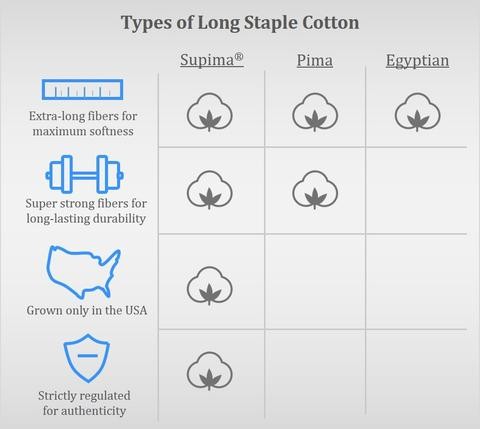
Egyptian and Pima cotton represent the gold standard for bed sheet luxury and longevity. Their extra-long fibers create a smooth surface that resists pilling and feels softer with every wash cycle.
- Egyptian cotton offers superior breathability and a distinctively silky hand feel.
- Pima cotton provides nearly identical quality with high durability at a often lower price point.
- Generic cotton labels often indicate shorter fibers that pill quickly and feel rough.
Try Bamboo for Cooling and Sensitivity
Bamboo sheets deliver a cool touch ideal for hot sleepers or those with sensitive skin issues. The material naturally wicks moisture away from the body to keep you dry.
- Naturally antimicrobial and hypoallergenic properties protect skin health.
- Eco-friendly production methods make it a sustainable choice.
- Silky texture mimics high-end silk without the difficult care requirements.
Pro Tip: Look for bamboo viscose made with closed-loop processing to ensure environmental sustainability.
Pick Linen for Maximum Airflow
Linen made from flax provides unmatched airflow for warm climates or summer months. Although slightly textured initially, it softens dramatically after several wash cycles.
- Ideal for hot sleepers who need maximum temperature regulation.
- Becomes more absorbent and comfortable over time.
- Offers a relaxed aesthetic that improves with age.
Consider Tencel for Moisture Control
Tencel derived from eucalyptus combines softness with exceptional moisture management capabilities. It wicks sweat significantly better than traditional cotton options.
- Resists bacteria and odors naturally without chemical treatments.
- Silky feel with a matte finish appeals to luxury seekers.
- Often blended with cotton to add strength and structure.
Skip Microfiber Unless Budget Is Primary
Microfiber consists of polyester fibers that are affordable but trap body heat effectively. They lack the breathability required for comfortable sleep in warm environments.
- Made from synthetic materials that feel plasticky to some users.
- Prone to static electricity and pilling after repeated washing.
- Best reserved for guest rooms or temporary bedding solutions.
Match Weave Type to Temperature Needs

Weave structure determines the texture and thermal properties of your sheets. Two primary types dominate the market with distinct feels and performance characteristics.
Choose Percale for Crisp Coolness
Percale uses a tight one-over-one-under weave pattern for a crisp matte finish. This structure creates high airflow making it perfect for warm sleepers.
- Feels lightweight and fresh like luxury hotel bedding.
- Highly durable and resistant to tearing during washing.
- Maintains coolness throughout the night without trapping heat.
Best For: Summer months and individuals who dislike sticky or heavy sheets.
Pick Sateen for Silky Warmth
Sateen employs a weave that exposes more thread surface for a glossy smooth feel. This construction creates a slightly warmer sheet ideal for cooler climates.
- Luxuriously soft texture feels like satin but remains breathable.
- Resists wrinkles better than percale weaves.
- Traps more body heat which benefits cold sleepers.
Watch Out: Lower quality sateen pills easily so stick with long-staple cotton varieties.
Try Twill for Heavy Duty Use
Twill features a diagonal weave pattern that adds significant strength to the fabric. It is less common in retail but excellent for high-use scenarios.
- Withstands frequent washing and heavy wear.
- Slightly textured feel adds visual interest.
- Often found in commercial grade bedding sets.
Ignore Thread Count Marketing Hype
Thread count measures threads per square inch but higher numbers do not equal better quality. Manufacturers often use multi-ply yarns to inflate these numbers artificially.
Stick to 200 to 400 Thread Count Range
This specific range delivers the best balance of softness and breathability for most users. Sheets within these parameters offer strong weave integrity without unnecessary weight.
- Provides adequate softness without sacrificing airflow.
- Ensures strong construction that lasts for years.
- Avoids artificial inflation tactics used by marketers.
Sheets above 400 often twist multiple threads together creating a heavier less breathable fabric. This construction method reduces overall comfort and performance.
Avoid 1000 Plus Thread Count Claims
Extremely high thread counts are frequently marketing gimmicks rather than quality indicators. True single-ply sheets rarely exceed 400 threads per square inch.
Expert Rule: Prioritize fiber quality and weave type over inflated thread count numbers. A 300-thread-count Egyptian cotton percale outperforms a 1200-count microfiber sateen every time.
Check Fabric Weight Using GSM Standards
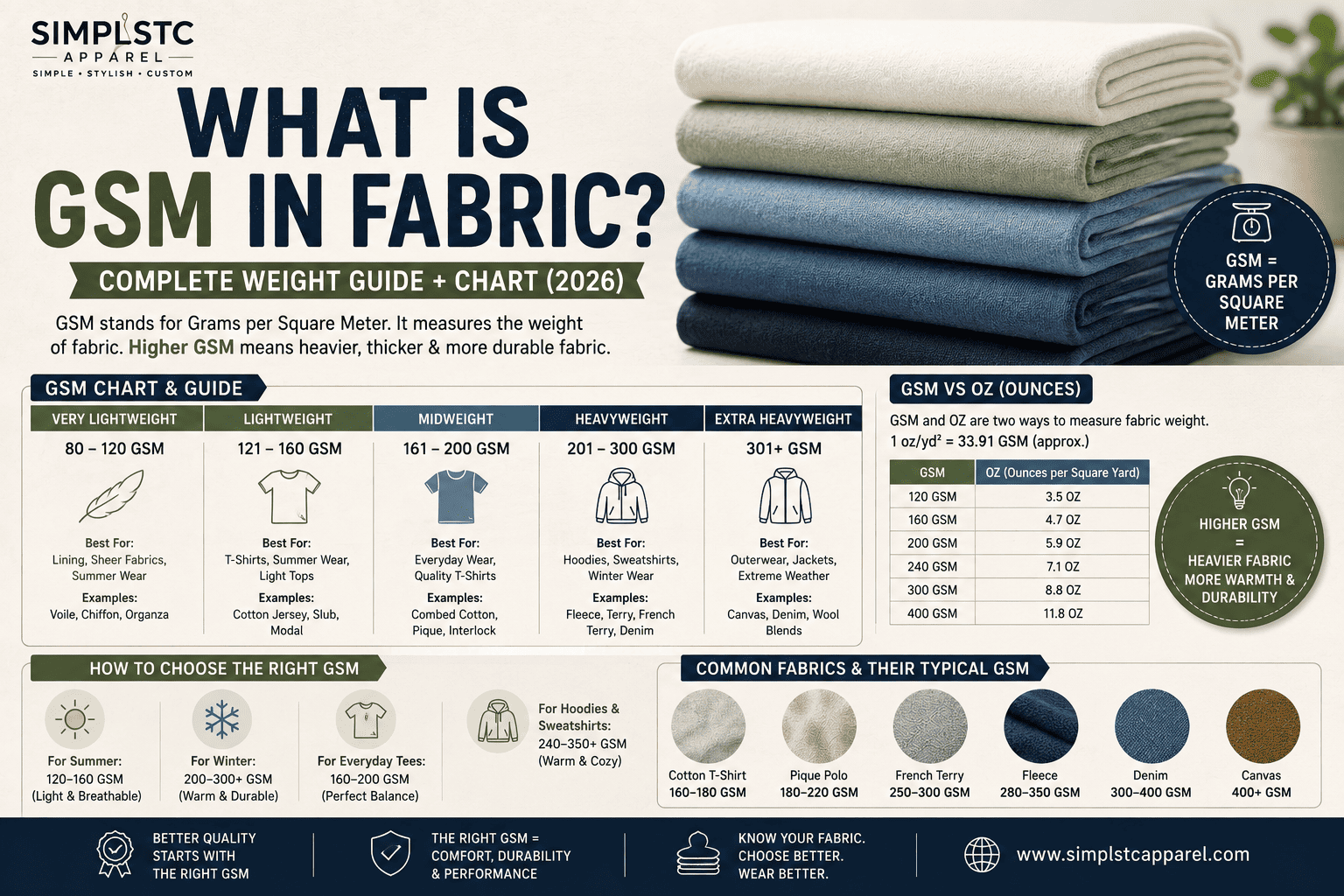
Fabric weight measured in Grams per Square Meter (GSM) indicates warmth and seasonal suitability. This metric helps you choose sheets appropriate for your climate.
Lightweight 200 to 300 GSM for Summer
Lightweight sheets offer airy coolness perfect for hot sleepers or tropical climates. They allow maximum airflow to prevent overheating during sleep.
- Ideal for warm rooms and summer months.
- Often found in percale and bamboo varieties.
- Prevents sweating and discomfort at night.
Medium Weight 300 to 400 GSM for Year-Round Use
Medium weight sheets provide balanced comfort suitable for most bedrooms. They offer durability while maintaining moderate breathability.
- Works well in temperate climates.
- Great for average sleepers without extreme temperature needs.
- Most premium cotton sheets fall into this category.
Heavyweight 400 Plus GSM for Winter
Heavyweight sheets feel substantial and insulating for cold sleepers. They trap body heat effectively during winter months.
- Thick and cozy feel provides warmth.
- Best for cold rooms or winter seasons.
- Linen and flannel often exceed 400 GSM.
Ensure Proper Fit for Your Mattress Depth
Ill-fitting sheets ruin the sleep experience by bunching or slipping off corners. Measuring your mattress accurately prevents frustration and returns.
Measure Your Mattress Depth Accurately
Standard sheets fit mattresses up to 15 inches deep while modern beds often exceed this. Memory foam and pillow-top models require special attention.
- 15 inches or less: Standard pocket sheets work fine.
- 16 inches or more: Choose deep-pocket sheets specifically.
- 18 inches or more: Look for extra-deep options ranging 18 to 22 inches.
Look for Full Elastic Edges
High-quality fitted sheets feature elastic around the entire perimeter not just corners. This design prevents slipping and keeps sheets tight all night.
- Stops bunching and shifting during sleep.
- Works better on high-profile mattresses.
- Check for reinforced stitching at corners to avoid tears.
Account for Natural Shrinkage
Natural fibers like cotton and linen shrink approximately three to five percent after washing. Buying prewashed options helps maintain consistent fit.
- Purchase prewashed or enzyme-washed sheets to avoid surprise shrinkage.
- Check care labels as some require cold water washing only.
- Prewashed linen feels softer and fits better from the first night.
Prioritize Safety and Non-Toxic Finishes
Post-production treatments affect skin health and environmental impact significantly. Many conventional sheets contain chemicals that irritate sensitive skin.
Choose Non-Toxic Certified Finishes
Many sheets undergo treatment with formaldehyde or synthetic diles during manufacturing. These substances can release volatile organic compounds into your bedroom air.
- Look for OEKO-TEX certification ensuring freedom from harmful substances.
- GOTS-certified organic cotton guarantees strict environmental standards.
- Non-toxic dyes protect children and allergy sufferers.
Seek Pilling Resistance Features
Pilling creates small fabric balls that ruin softness and appearance over time. High-quality construction minimizes this issue through better fiber selection.
- Caused by friction and low-quality short fibers.
- Common in microfiber and cheap cotton blends.
- Long-staple cotton and Tencel resist pilling best.
Match Sheets to Your Specific Sleep Profile

Use this decision matrix to select the perfect sheets based on your personal needs. Matching your sleep style ensures maximum satisfaction and comfort.
Hot Sleepers Need Percale or Tencel
- Best Fabric: 100 percent cotton percale Tencel or linen.
- Weave: Percale for crisp and airy feel.
- GSM: 200 to 300 for maximum cooling.
- Why: Maximizes breathability to keep you cool.
Pro Tip: Pair with bamboo or linen duvet covers for a full cooling effect.
Silky Softness Seekers Prefer Sateen
- Best Fabric: Pima cotton sateen or bamboo.
- Weave: Sateen for smooth and shiny texture.
- GSM: 300 to 400 for balanced warmth.
- Why: Provides luxurious drape and soft hand feel.
Avoid low-quality sateen as it pills faster than other weaves.
Cold Sleepers Require Heavyweight Options
- Best Fabric: Heavy cotton flannel or brushed twill.
- Weave: Sateen or twill for warmth retention.
- GSM: 400 plus for insulation.
- Why: Traps warmth and feels cozy during winter.
Flannel remains underrated but works great for winter especially in blends.
Sensitive Skin Needs Organic Options
- Best Fabric: Bamboo or organic cotton varieties.
- Finish: OEKO-TEX or GOTS certified only.
- Why: Hypoallergenic and free from harsh chemicals.
Skip synthetic blends and fragranced detergents to prevent irritation.
Low-Maintenance Users Choose Blends
- Best Fabric: Cotton-polyester blend materials.
- Weave: Sateen or twill for wrinkle resistance.
- Why: Easy to wash and stays smooth without ironing.
Just air out the room occasionally since synthetics can trap odors.
Test Sheets Like a Professional Reviewer

Evaluating sheets before purchase ensures you get quality products. Use these professional techniques to assess value and performance.
Touch the Fabric In Person When Possible
If shopping in-store physically examine the material before buying. Rub the fabric between fingers to check for smoothness and even weave.
- Hold it up to light to check for holes or uneven weaving.
- Stretch a corner to ensure fitted sheets snap back tightly.
- Online shoppers should order from brands with generous return policies.
Check Labels for Accurate Information
Read tags carefully to verify material claims and care instructions. Vague terms like luxury or hotel-quality often lack substantiation.
- Look for 100 percent long-staple cotton not just cotton.
- Verify GSM or realistic thread count numbers.
- Check for certifications like OEKO-TEX or GOTS.
Read Reviews for Long-Term Feedback
Customer reviews reveal real-world performance issues not visible initially. Look for comments about durability after multiple wash cycles.
- Search for mentions of softness after six months.
- Note reports of pilling after ten washes.
- Check fit comments regarding thick mattresses.
Maintain Sheets for Maximum Longevity
Proper care extends the life of your sheets significantly. Following correct washing protocols preserves softness and structural integrity.
Wash in Cold Water Only
Hot water fades colors and weakens fibers over time. Use mild detergent and skip bleach or fabric softener completely.
- Fabric softener coats fibers reducing breathability.
- Cold water preserves color and fiber strength.
- Mild detergents prevent chemical damage to natural fibers.
Dry on Low Heat or Air Dry
High heat causes shrinkage and accelerates pilling formation. Linen and Tencel last longer when line-dried outdoors.
- Remove promptly from dryer to reduce wrinkles.
- Low heat settings protect elastic edges.
- Air drying saves energy and extends fabric life.
Rotate Between Two Sets
Using one set constantly speeds up wear and tear significantly. Rotating between two pairs extends overall life by two to three years.
- Allows fibers to recover between uses.
- Reduces frequency of washing for each set.
- Ensures you always have a backup set available.
Final Tips Before You Buy Bed Sheets
Selecting the right bedding requires attention to detail beyond simple thread count numbers. Focus on fabric quality weave type and proper fit for your specific needs.
- Skip the thread count trap and focus on fiber and weave quality.
- Match GSM to your climate using light weights for summer and heavy for winter.
- Measure your mattress depth to ensure deep pockets prevent frustration.
- Choose certified safe finishes especially for children or sensitive skin.
- Buy from brands with returns so you can test before committing fully.
Frequently Asked Questions About Bed Sheets
What thread count is best for cool sleeping?
A thread count between 200 and 400 offers the best breathability for cool sleeping. Higher counts often use multi-ply yarns that trap heat and reduce airflow.
How do I stop sheets from pilling?
Choose long-staple cotton or Tencel fabrics with tight weaves to prevent pilling. Avoid fabric softeners and wash in cold water to protect fiber integrity.
Are bamboo sheets better than cotton?
Bamboo offers better moisture-wicking and feels cooler than cotton for hot sleepers. Cotton provides more durability and a traditional crisp feel depending on weave.
What GSM weight is best for year-round use?
Medium weight sheets between 300 and 400 GSM work best for year-round comfort. This range balances breathability with enough substance for most climates.
Do deep pocket sheets fit all mattresses?
Deep pocket sheets fit mattresses 16 inches or thicker while standard fit up to 15 inches. Measure your mattress depth including toppers before purchasing.
How often should I replace my bed sheets?
Replace sheets every two to three years with proper rotation and care. Signs like persistent pilling fading or lost elasticity indicate replacement time.
Key Takeaways for Picking Perfect Bed Sheets
Choosing the right sheets involves balancing fabric type weave and weight with your personal sleep habits. Prioritize long-staple cotton or bamboo for durability and comfort while ignoring inflated thread count claims.
Measure your mattress depth accurately and select certified non-toxic finishes for safety. Follow proper washing instructions to extend the life of your investment significantly.
Start by identifying your primary sleep need whether cooling warmth or softness. Use this guide to make an informed decision that improves your sleep quality tonight.