
Many new parents assume a nursing pillow is essential for breastfeeding success, but this assumption often leads to unnecessary purchases, poor latches, and added safety risks. While brands like Boppy and My Brest Friend market these products as must-haves, lactation experts and experienced parents know you can breastfeed effectively using only your body, household items, and proper positioning. In fact, skipping the pillow frequently results in deeper latches, less nipple pain, and better milk transfer. Whether you want to save money, travel lighter, or troubleshoot latch problems, learning how to breastfeed without a nursing pillow gives you flexibility and confidence in any setting.
This guide walks you through proven positions, ergonomic strategies, and simple alternatives to specialty pillows. You will discover which holds work best without external support, how to use items already in your home, and when a pillow might actually serve a purpose.
Why Skipping the Nursing Pillow Works Better

Pillow-Free Benefits for Parent and Baby
Ditching the nursing pillow offers several real advantages. First, going pillow-free encourages biological nurturing, where babies use natural reflexes like rooting and crawling to find the breast themselves. When baby lies skin-to-skin on your chest in a reclined position, they instinctively nuzzle and latch without manual positioning.
Second, standard nursing pillows fail diverse bodies. Parents over 5’11” often find the pillow covers too much torso, pushing baby too high and blocking crucial tummy-to-tummy contact. This forces awkward head turns, shallow latches, and nipple pain.
Third, safety improves significantly. A soft pillow in your lap during drowsy night feeds can press against baby’s face or mold around their nose and mouth. The American Academy of Pediatrics warns that loose pillows increase suffocation risk.
Finally, skipping the pillow saves $30 to $80 and reduces clutter. Your existing bed pillows, towels, and couch cushions work just as well.
Common Pillow Problems That Affect Latch
Design Flaws and Safety Risks
Nursing pillows come with built-in limitations that interfere with effective feeding:
| Issue | Result |
|---|---|
| One-size-fits-all shape | Misfits tall, short, or plus-size parents |
| Elevates baby too high | Nipple compresses into bra; baby chin tucks |
| Forces baby on back | Triggers startle reflex; disrupts latch |
| Blocks skin-to-skin contact | Reduces bonding and self-latching |
| Bulky and rigid | Hard to use in car, bed, or public |
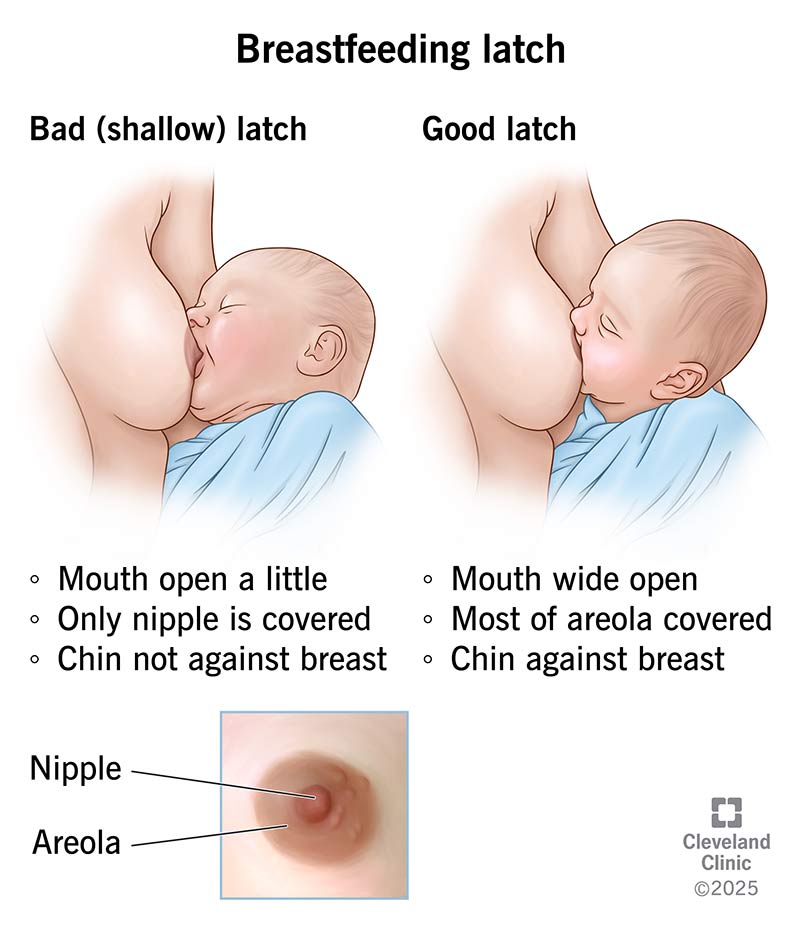
When baby lies flat on a pillow, they must turn their head to reach the breast. This strains their neck, makes swallowing difficult, and encourages shallow latches where only the nipple enters the mouth.
Household Items That Work Just as Well
Simple Alternatives Already in Your Home
You do not need a specialty pillow. These common items offer flexible, customizable support:
| Item | Best For | How to Use |
|---|---|---|
| Bed pillows | Cradle, side-lying | Under arms or back for lift |
| Rolled towels or blankets | Football, cross-cradle | Elevate baby or support arms |
| Bolsters or long couch cushions | Side-lying, reclined | Mimic nursing pillow shape |
| Lap tray or board | Reclined feeding | Raise baby without soft pressure |
| Armrests | Cradle hold | Support feeding arm; reduce strain |
| Stacked books | Temporary lift | Boost baby or arms when needed |
Pro Tip: In side-lying position, place a rolled receiving blanket behind baby’s back to prevent rolling away during feeding.
Best Breastfeeding Positions Without a Pillow
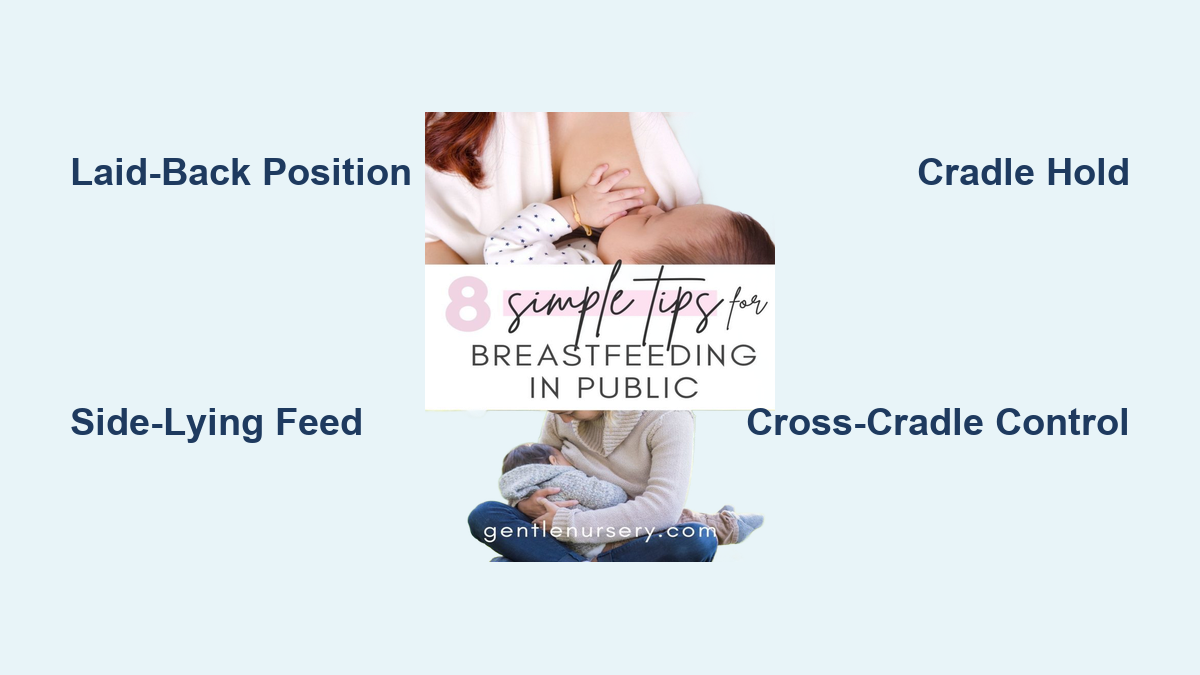
Laid-Back Breastfeeding: Let Baby Lead
This position uses gravity and skin-to-skin contact to support baby without arm strength or pillows.
Recline at 30 to 45 degrees on a firm couch or bed. Place baby tummy-down on your chest with nose level to your nipple. Keep arms relaxed at your sides. Baby will self-latch using rooting and crawling reflexes. Their weight distributes across your torso, so your arms do not tire.
Do not lie completely flat, as baby may slide. Use 2 to 3 pillows behind your back for support. This position works especially well for newborns and parents dealing with oversupply.
Side-Lying Position for Night Feeds
This position is perfect for nighttime feeding and postpartum recovery.
Lie on your side with a pillow behind your back and between your knees. Place baby facing you, nose to nipple. Use your lower arm to cradle their head or position it behind your back.
Both of you can rest during the feed. No holding is required. This position works well after C-section or perineal tears because there is no pressure on healing tissue.
Safety Note: Place a rolled blanket behind baby to prevent rolling. Keep your bed free of loose bedding.
Cradle Hold Without Pillow Support
Use body alignment instead of a pillow under the baby.
Sit upright in a firm chair. Hold baby across your body with their head in the crook of your arm. Keep baby’s belly pressed to yours. Place a pillow under your forearm if your arms tire. Sit on a cushion to raise your hips, which brings baby closer to breast level.
This hold works best when baby has developed head control. Avoid if baby is too heavy for sustained arm use.
Cross-Cradle Hold for Newborns
This position provides maximum control over head positioning, making it ideal for latch training.
Hold baby on the opposite side of the breast you are feeding from. Support their head and neck with your hand while keeping their spine straight. Use a rolled blanket under baby’s bottom for slight lift. Break the latch and reposition if feeding hurts.
Football Hold for Special Situations
This hold saves your abdomen and improves visibility.
Tuck baby along your side with their legs pointing backward. Support their head with your hand and their back with your forearm. Bring baby up to breast level. Place a firm cushion or folded blanket under baby’s body for elevation.
This position works well for C-section recovery, twins, large breasts, or reflux. It allows excellent visibility of the latch and reduces strain on healing incisions.
Koala Hold for Older Babies
Great for babies with reflux and older infants who prefer sitting.
Sit baby upright on your thigh, straddling your leg. Support their back and shoulders. Bring baby to breast with chin up. Use a rolled towel under baby’s bottom. Sit on a higher chair to reduce reaching.
Ergonomic Tips to Reduce Strain
Smart Seating and Body Support
Without a nursing pillow, your posture becomes your primary support system.
Choose a firm, armless chair. Avoid sinking couches. Keep your knees lower than your hips to tilt your pelvis forward and support your spine. Place your feet flat on the floor to stabilize your core and prevent slouching.
Warning: Never lean forward to bring baby to your breast. This strains your back and encourages a shallow latch.
Fighting Arm Fatigue
Holding baby’s full weight gets tiring, especially in cradle or cross-cradle positions.
Use reclined positions like laid-back or side-lying where gravity does the work. Place a pillow under your forearm. Switch positions every feed to balance muscle use. Stretch between feeds with wrist circles, shoulder rolls, and neck tilts.
Solving Common Latch Problems Without a Pillow
Fixing Shallow Latch
A shallow latch often happens when baby’s head sits above the breast, forcing a chin tuck.
Lower your seat or elevate baby with a rolled towel. Use cross-cradle hold for better head control. Ensure nose-to-nipple alignment before latching.
Ending Nipple Pain
Pain usually stems from poor latch caused by leaning forward or misalignment.
Break the latch by inserting your finger, then reposition baby. Use laid-back or side-lying for reflexive latching. Keep your spine upright and never lean down to meet baby.
Breastfeeding in Public Without Gear
Where to Feed Comfortably
You do not need privacy or special equipment to breastfeed in public.
Lie back on a blanket on grass using laid-back position. Use a park bench with your arms or a rolled jacket for support. Try display couches in furniture stores. Many nursing rooms have chairs and tables you can use as armrests.
Legal Protection: In the United States, you are permitted to breastfeed in any location where you are allowed to be.
Locations to Avoid
Skip public restrooms, which are unsanitary and cramped. Avoid the driver’s seat of your car, which is unsafe and hard to position. Do not use picnic tables, as the edge blocks baby placement.
When a Pillow Might Actually Help
Specific Situations Where Support Makes Sense
Even without relying on one, a nursing pillow or substitute can be useful in certain cases:
| Scenario | Benefit | Household Alternative |
|---|---|---|
| C-section recovery | Keeps baby off incision | Rolled blanket |
| Breastfeeding twins | Supports both babies | Two cushions |
| Chronic pain | Reduces strain | Bolster or body pillow |
| Reflux | Elevates head | Rolled towel under upper back |
| Travel | Compact support | Folded sweater |
In most cases, household items work just as well or better than specialty pillows.
Key Takeaways for Pillow-Free Breastfeeding

Breastfeeding without a nursing pillow is not only possible but often produces better results. Pillows can force baby into unnatural positions, block tummy-to-skin contact, and create safety risks during tired nighttime feeds. By using your body, gravity, and simple household items, you achieve deeper latches, less pain, and more flexibility.
Focus on comfort and latch quality rather than equipment. Experiment with different positions, as what works at 2 weeks may not work at 2 months. Use pillows behind your back, under your arms, or between your knees rather than under baby. If feeding hurts, seek help from an IBCLC.
Trust your instincts. Millions of parents worldwide breastfeed successfully without nursing pillows, and so can you.
Frequently Asked Questions About Breastfeeding Without a Nursing Pillow
Can you breastfeed effectively without any pillow or support?
Yes. Many lactation consultants recommend skipping the nursing pillow entirely. Positions like laid-back, side-lying, and football hold work well using only your body and gravity. Household items like bed pillows and rolled towels provide additional support when needed.
What is the best position for breastfeeding without a pillow?
Laid-back breastfeeding works well for most parents because gravity supports baby’s weight while skin-to-skin contact encourages self-latching. Side-lying is ideal for night feeds, while cross-cradle offers maximum control for newborns learning to latch.
How do I prevent arm fatigue when not using a nursing pillow?
Use reclined positions like laid-back or side-lying where gravity holds baby. Place pillows under your forearms for support. Switch positions between feeds and stretch your arms, shoulders, and wrists regularly.
Are nursing pillows actually harmful?
Nursing pillows can cause problems when they force baby onto their back with head turned, block tummy-to-tummy contact, or create suffocation risk during tired feeds. Many lactation professionals observe that pillows cause more problems than they solve.
What household items can replace a nursing pillow?
Bed pillows, rolled towels or blankets, bolsters, couch cushions, and armrests all work well. Place pillows behind your back, under your arms, or between your knees rather than under baby.
How do I breastfeed in public without carrying a pillow?
Use your environment. Lean back on a blanket outdoors, use a park bench for support, or sit on display furniture in stores. Your arms and body provide all the support you need.