
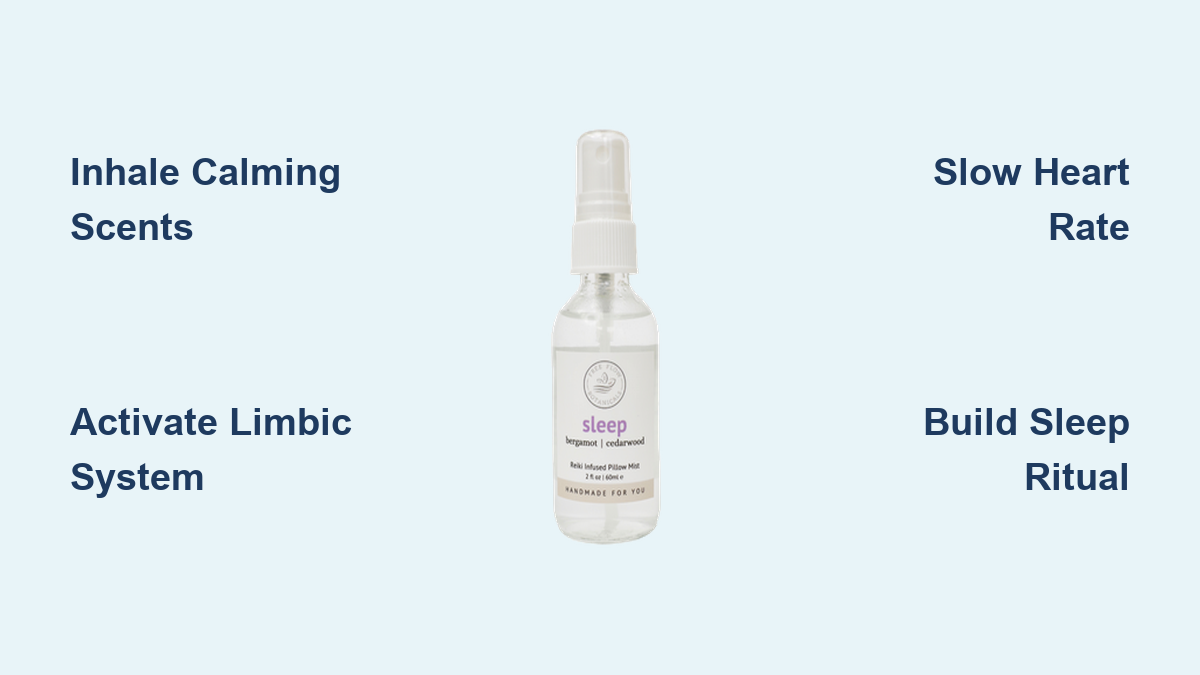
You toss and turn, your mind racing despite exhaustion. You have tried everything, from sleep supplements to meditation apps, but still cannot seem to quiet your brain. Then someone mentions a simple solution: a pillow spray. You are skeptical. How could a few spritzes of scent make any real difference?
The answer lies in one of your most primal senses: smell. Pillow spray works by delivering calming essential oils directly to your nose, where they travel instantly to brain regions that control emotion, stress, and sleep. Unlike pills or devices, it does not rely on digestion or electricity. It uses your body is natural wiring to trigger relaxation, and science confirms it: ingredients like lavender, chamomile, and cedarwood do not just smell nice. They actively change your physiology.
The Science Behind Pillow Spray and Your Brain
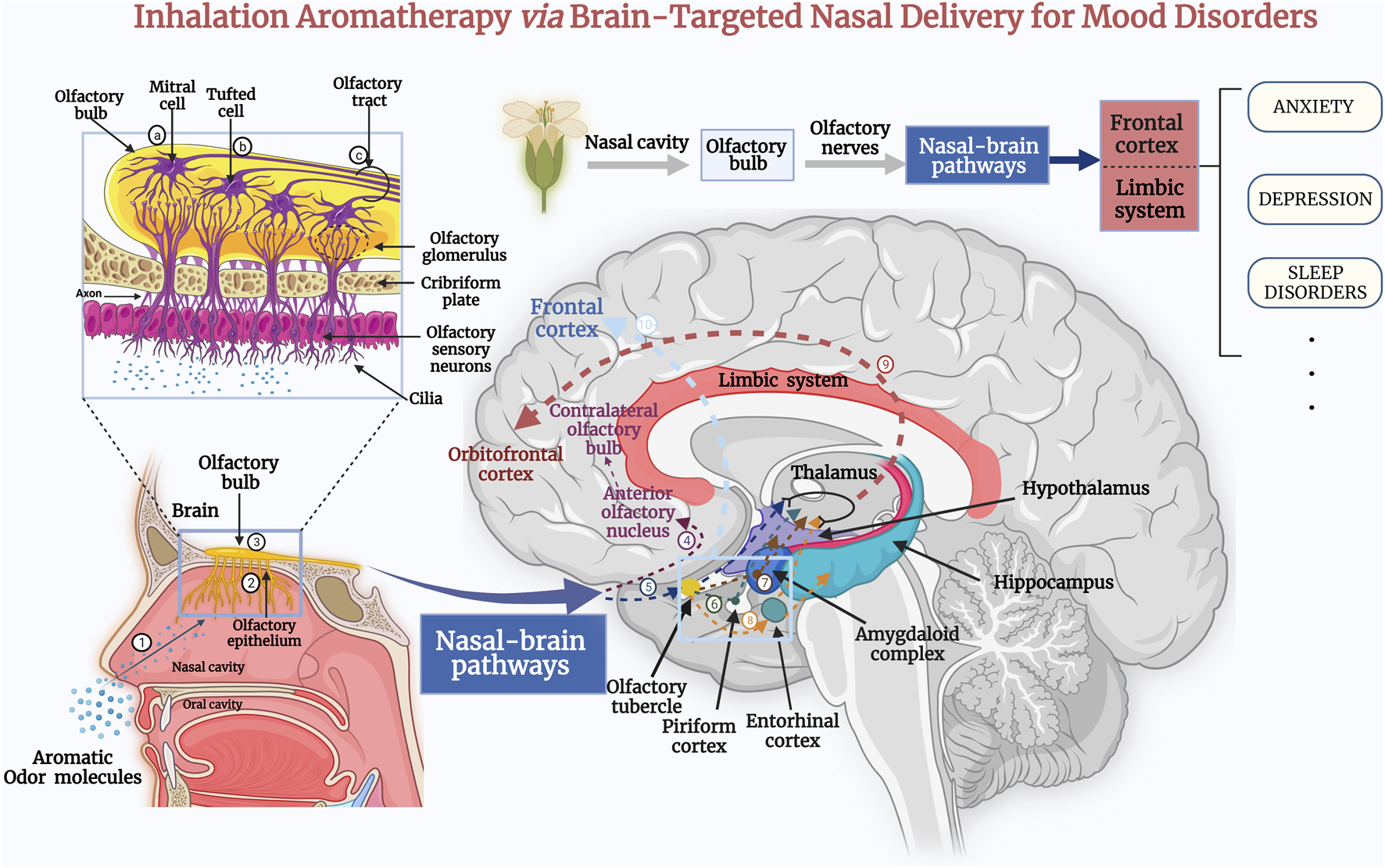
When you inhale the mist from a pillow spray, tiny aromatic molecules enter your nasal cavity and bind to olfactory receptors, specialized nerve cells that send signals straight to your brain. Unlike other senses, smell bypasses the thalamus, the brain is gatekeeper, and connects directly to the limbic system, the emotional control center. This direct line means scent can trigger feelings of safety, comfort, or anxiety, often before you are even consciously aware of it.
How Calming Scents Hit the Brain Fastest
Two key areas in the limbic system are activated by calming scents. The amygdala processes fear and stress, and lavender and chamomile reduce its overactivity, quieting the fight-or-flight response. The hippocampus is involved in memory, and repeated use of a pillow spray creates a scent-memory association. Your brain learns to link the fragrance with bedtime, making relaxation automatic over time.
This is why a familiar bedtime scent can feel like a mental off switch. After just two to three weeks of consistent use, your body may begin to wind down the moment you catch a whiff, even before you lie down.
What Happens to Your Body When You Breathe It In
Once the brain registers the calming signal, it activates the parasympathetic nervous system, your body is rest-and-digest mode. This leads to measurable changes. Heart rate slows by five to ten beats per minute. Blood pressure decreases. Breathing becomes deeper and more rhythmic. Cortisol, the stress hormone, levels drop. Alpha and theta brain waves increase, signs of drowsiness and light sleep.
A 2023 study found that lavender aromatherapy increased deep sleep, known as the N3 stage, by 20 percent, with participants waking more refreshed. This is not placebo. It is neurochemistry in action.
Key Sleep-Enhancing Ingredients in Pillow Sprays

Not all pillow sprays work equally. The real power lies in the essential oil blend. Clinical research identifies several oils with proven sleep-supportive effects.
Lavender: The Gold Standard for Sleep
Lavender is the most studied essential oil for sleep, making up 40 percent of the aromatherapy sleep market. Its active compounds, linalool and linalyl acetate, bind to GABA receptors in the brain, the same target as anti-anxiety medications like benzodiazepines, but without drowsiness or dependency. Proven benefits include reducing sleep latency by 15 to 20 minutes, improving sleep quality in ICU patients and menopausal women, and lowering anxiety scores by up to 30 percent in clinical trials.
Roman Chamomile: For Overthinking Minds
Chamomile is second only to lavender in popularity, with 35 percent market share among sleep-focused aromatherapy products. Its active compounds, chamazulene and bisabolol, act as a mild sedative, calming nervous system hyperactivity. It is best for racing thoughts, anxiety-related insomnia, and emotional sensitivity. The sweet, apple-like scent is soothing without being floral, ideal for those who lie in bed mentally replaying the day is events.
Cedarwood: Boosts Natural Melatonin
Cedarwood oil is gaining recognition for its role in supporting melatonin production. Its active compound, cedrol, may stimulate the pineal gland to release more melatonin, the hormone that regulates sleep-wake cycles. Benefits include reducing middle-of-the-night awakenings, promoting slow steady breathing, and providing a grounding, woody aroma that feels safe and familiar. It is especially helpful for light sleepers or those with fragmented sleep.
Bergamot and Frankincense: Additional Calm Options
Bergamot is unique because it is citrusy but calming, making it ideal for people who feel alert yet exhausted. It balances mood by reducing cortisol while gently elevating dopamine. Unlike energizing citrus oils like lemon or orange, bergamot does not disrupt sleep. Frankincense is less common but highly valued for its meditative, centering effect. It slows breathing and enhances mindfulness, helping you transition from doing to being. Users describe it as spa-like or spiritually grounding, ideal for those with anxiety or spiritual restlessness.
How to Apply Pillow Spray for Best Results
Using a pillow spray is not just about spraying and hoping. Timing, dosage, and consistency determine whether it becomes a powerful ritual or just a nice smell.
Timing Your Application Correctly
Do not wait until your head hits the pillow. Spray 15 to 30 minutes before bedtime to allow the mist to settle, any alcohol base to evaporate, and your brain to begin processing the calming signal. This gives your nervous system time to shift into rest mode before you expect sleep to come.
How Much to Spray
Over-spraying is the most common mistake. Too much fragrance can overwhelm your senses and disrupt sleep instead of aiding it. Hold the bottle six to eight inches from your pillow and spray two to four gentle mists across the top third of the pillow. Avoid soaking the fabric. Light saturation is enough. You should detect the scent, but not feel bathed in it.
Creating a Layered Sleep Environment
For a more immersive experience, mist multiple surfaces. Apply to the pillow as the primary contact point, the duvet edges near your head, and pajamas or sleep mask for indirect skin transfer. This creates a micro-environment of calm around your breathing zone without overloading any single surface.
Building a Bedtime Ritual
Pillow spray works best as a ritual anchor, a sensory cue that signals sleep is coming. Pair it with dimming the lights, turning off screens, reading or journaling, and practicing deep breathing. Over time, your brain will associate the scent with the entire wind-down sequence, making relaxation automatic.
Why Pillow Spray Beats Diffusers for Sleep
While diffusers fill a room with scent, pillow sprays offer targeted, personal delivery, and that makes all the difference.
Direct Proximity to Your Breathing Zone
You spend six to eight hours with your face inches from your pillow. A sprayed scent lingers on fabric, releasing therapeutic compounds slowly throughout the night. This sustained exposure maintains calming effects during natural sleep cycle transitions. Diffusers disperse scent into the air, where it dilutes quickly, especially in large rooms or with fans running.
No Electricity or Noise Required
Pillow sprays are silent, portable, and power-free. They are perfect for travel to hotels and guest rooms, shared bedrooms where they will not disturb a partner, and power outages or camping. They eliminate the first-night effect, poor sleep in unfamiliar places, by bringing a familiar scent signal anywhere.
Long-Lasting Residual Effect
Essential oils absorbed into fabric can remain active for four to six hours, providing continuous support. Diffusers stop working the moment they are turned off.
Common Mistakes That Reduce Effectiveness
Even the best pillow spray will not work if used incorrectly. Steer clear of these pitfalls.
Using Synthetic Fragrance Instead of Essential Oils
Many cheap sprays list fragrance or parfum instead of specific oils. These are synthetic chemicals with no therapeutic benefit and potential irritants. Always choose sprays that list individual essential oils like lavender oil or chamomile extract.
Spraying Too Much or Too Often
More is not better. Overuse can lead to headaches, nasal irritation, and scent fatigue where your nose stops noticing it. Stick to two to four sprays per night, and take breaks if needed.
Applying to Delicate Fabrics Without Testing
Silk, satin, or dark fabrics may stain. Always spray into the air above the bed or test on a hidden area first. Wait 24 hours to check for discoloration.
Expecting Instant Results
Pillow sprays are not sleeping pills. They work gradually through neurological conditioning, cumulative relaxation, and habit formation. Give them at least two to three weeks of consistent use before judging effectiveness.
DIY Pillow Spray Recipes Worth Trying

Yes, if you know how to formulate them safely. Homemade sprays can be cost-effective and customizable.
Simple Effective DIY Recipe
Gather these ingredients: two ounces of distilled water, seven drops of lavender essential oil, four drops of lemon essential oil, one drop of peppermint essential oil, and optional one teaspoon of witch hazel or vodka as a preservative and dispersant.
Use a glass spray bottle because plastic can degrade with oils. Add water, then alcohol if using, then oils. Shake well before each use. Store in a cool, dark place. Shelf life is one to two months.
Why this works: lavender calms, lemon uplifts subtly, and peppermint adds a refreshing touch without stimulating when used in trace amounts. Never use tap water because it can grow bacteria. Always label and keep out of reach of children and pets.
Who Should Use Pillow Spray With Caution
While generally safe, some should use pillow sprays with care.
Special Considerations for Different Groups
Pregnant women should note that lavender and chamomile are generally safe in low concentrations, but consult your doctor first. Avoid high doses or undiluted oils. For children, use half the adult dose or consult a pediatrician. Avoid strong oils like peppermint in young children. Some essential oils like tea tree and eucalyptus are toxic to cats and dogs. Ensure good ventilation and avoid spraying near pet bedding.
Real Results: What Users Report
It is not just theory. People are seeing real results. Ninety-one percent report faster sleep onset. Ninety-one percent report increased relaxation. Eighty-eight percent report feeling refreshed in the morning. Ninety-seven percent would recommend to others.
One user said, I was dubious because I really struggle dropping off. But it worked amazingly. Blown away. Another noted, I am not keen on lavender-scented sleep spray and although this does have some in it, it is not the overriding smell. Instead it reminds me of the scent of a relaxing spa. Really did make me feel tranquil.
Final Thoughts on How Pillow Spray Works
Pillow sprays are not magic bullets, but they are science-backed tools that work through direct brain signaling via the olfactory-limbic pathway, proven essential oils that reduce stress and improve sleep architecture, behavioral conditioning that strengthens over time, and user-friendly design that supports long-term habit formation.
They will not cure clinical insomnia, but for mild to moderate sleep difficulties, they offer a safe, non-invasive, and effective solution. When chosen wisely with natural ingredients, proper concentration, and consistent use, a pillow spray can become a powerful part of your sleep hygiene. It is not about the spray itself. It is about training your brain to relax on cue, one breath at a time.
Frequently Asked Questions About Pillow Spray
How long does it take for pillow spray to work?
Most users report feeling calm within five to ten minutes of lying down after consistent use. The full conditioning effect develops over two to three weeks of regular application.
Can I use pillow spray every night?
Yes, pillow sprays are safe for long-term nightly use. They do not cause dependency, build tolerance, or produce morning grogginess like some sleep supplements.
Will pillow spray stain my pillowcase?
It depends on the fabric. Silk and satin may stain. Cotton and polyester are generally safe. Always spray into the air above the bed or test on a hidden area first.
What is the best pillow spray for beginners?
Look for blends containing lavender as the primary ingredient, as it has the most clinical evidence for sleep support. Avoid products listing only fragrance without specific essential oils.
Can I use pillow spray with other sleep aids?
Yes, many users combine pillow sprays with other methods like melatonin supplements or white noise for layered sleep support. The spray works through inhalation while supplements work systemically, targeting sleep from different angles.
Does pillow spray work for everyone?
Individual results vary, but 91 percent of users report improved sleep onset. The conditioning effect works particularly well for people who use the spray consistently as part of a bedtime routine.