
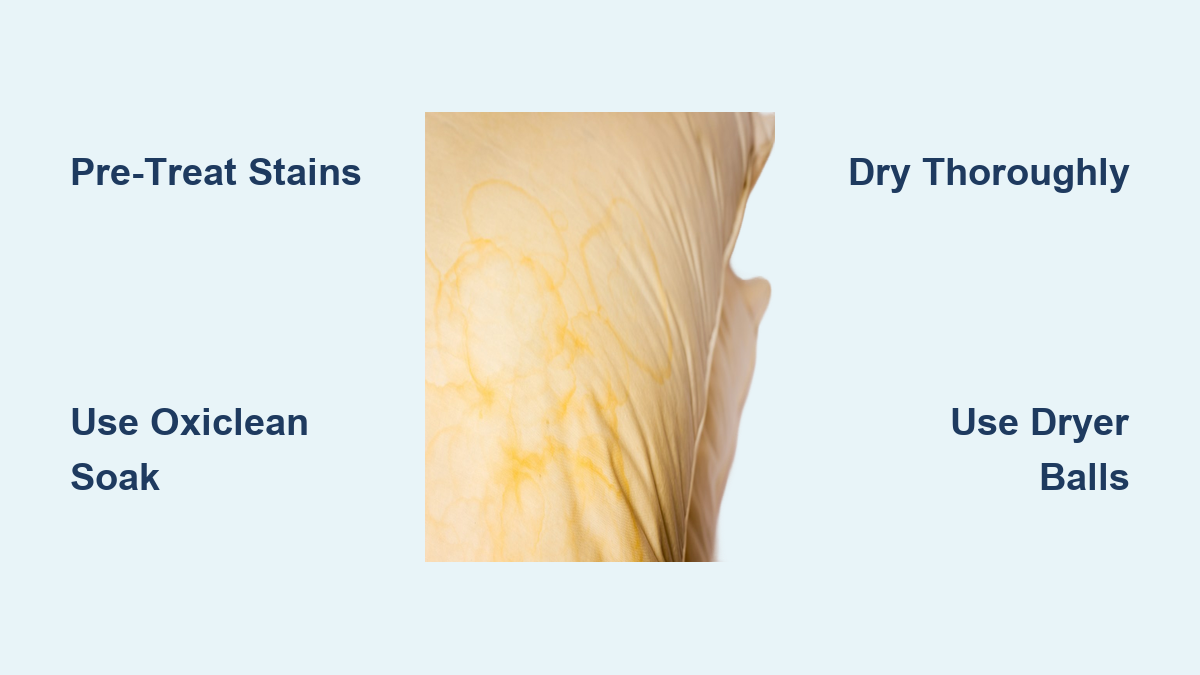
Yellowed pillows are a frustrating reality for many sleepers, but this discoloration does not mean your pillow is beyond saving. The yellowing comes from nightly exposure to sweat, body oils, saliva, and skincare products that oxidize over time and bond to pillow fibers. The good news? You can restore most pillows to their original brightness with the right cleaning approach. This guide covers every major pillow type, from down to memory foam, with proven methods using household ingredients like OxiClean, hydrogen peroxide, and natural alternatives.
You will learn exactly how to pre-treat stains, which settings to use on your washing machine, and critical drying steps that prevent mold. We will also discuss when cleaning is no longer enough and replacement becomes necessary for your health and comfort.
Identify Your Pillow Type Before Cleaning
Using the wrong cleaning method can permanently damage your pillow or create health hazards like mold. Taking a moment to identify your pillow material first saves you from costly mistakes.
Check the Care Label First
Every pillow comes with a manufacturer tag that specifies safe cleaning methods. This tag tells you whether machine washing is allowed, what water temperature is recommended, and which drying settings will not damage the filling. Ignoring these guidelines can cause fiber clumping, adhesive breakdown in foam pillows, or irreversible texture damage.
Match Material to Cleaning Method
Pillow materials vary significantly in what they can tolerate.
Down and feather pillows are fully machine washable with gentle cycles. Polyester fiberfill and hollowfibre pillows are highly durable and handle standard machine washing well. Memory foam, latex, and gel-infused foam pillows should never be submerged or machine washed. These materials hold water in their structure, leading to mold growth and structural breakdown. Shredded foam pillows sometimes allow hand washing, but you must check manufacturer specifications first.
Avoid Common Damage Risks
High heat melts synthetic fibers and degrades the binders that hold memory foam together. Washing a single pillow alone creates an imbalanced load that reduces cleaning effectiveness and damages your machine. Excess moisture trapped in foam pillows creates the perfect environment for mold and mildew, which can trigger allergies and respiratory issues.
Pre-Treat Stubborn Yellow Stains
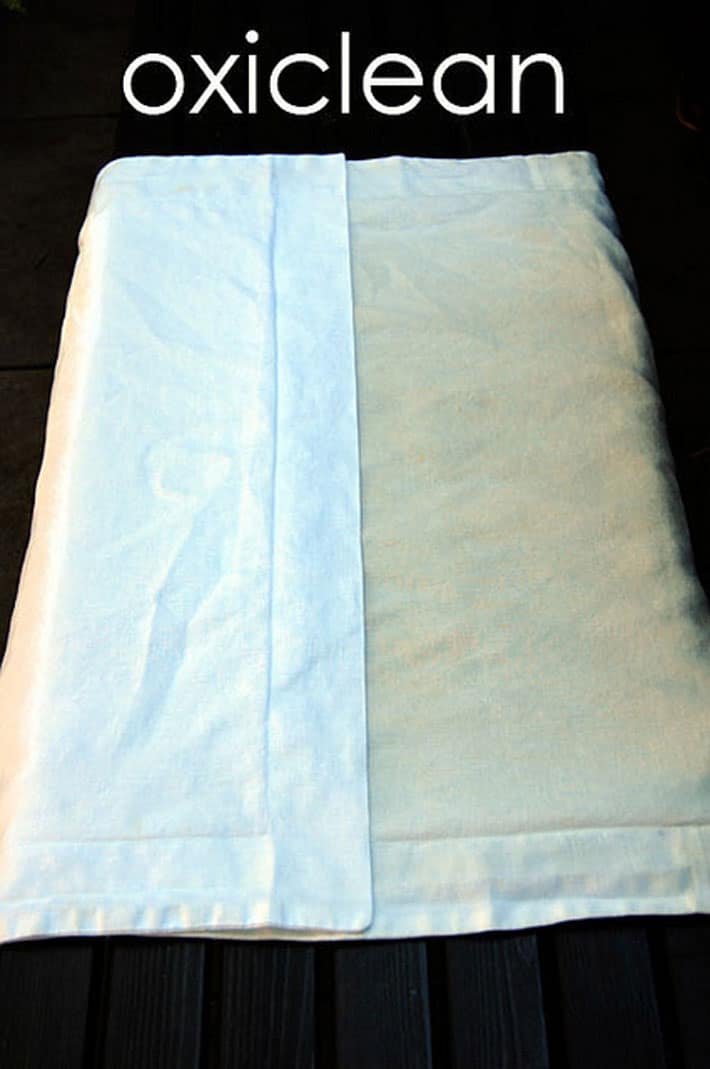
Standard detergent alone rarely removes deeply embedded yellowing. Pre-treatment breaks down the oxidized organic compounds before the main wash, dramatically improving your results.
Soak in OxiClean for Deep Cleaning
Fill your bathtub with warm water and dissolve OxiClean powder at one scoop per gallon. Submerge white or colorfast pillows completely and soak for four to six hours, or overnight for severe staining. You will see yellow residue leaching out of the pillow as the oxygen-based bleach lifts embedded sweat and oils.
OxiClean contains sodium percarbonate, which releases hydrogen peroxide when mixed with water. This oxygen-based bleaching action lifts stains without damaging pillow fibers, making it ideal for cotton-covered polyester, down, and fiberfill pillows.
Spot Treat with Hydrogen Peroxide
Spray three percent hydrogen peroxide directly onto visible yellow spots and let it sit for thirty to sixty minutes. For enhanced results, place the treated pillow in direct sunlight. Ultraviolet rays activate the peroxide’s whitening power, accelerating the stainlifting process.
Always test hydrogen peroxide on a hidden corner first. Never use it on colored fabrics that are not colorfast. Also avoid mixing hydrogen peroxide with vinegar or ammonia, as this creates harmful fumes.
Apply Enzyme Stain Removers
Enzyme-based products like Dr Beckmann Power Brush target the biological components in sweat, oils, and saliva that regular detergents miss. Enzymes break down proteins, fats, and carbohydrates at the molecular level.
Apply the enzyme remover to stained areas and wait fifteen to thirty minutes before washing. This dwell time allows the enzymes to penetrate and disassemble the organic residues causing discoloration.
Wash Machine-Safe Pillows Properly
Only down, feather, polyester, and hollowfibre pillows should go in your washing machine. Following proper procedure ensures thorough cleaning without damaging the pillow or your appliance.
Load Two or Three Pillows Together
Washing two to three pillows simultaneously balances your machine’s drum, prevents excessive vibration, and ensures even agitation throughout the filling. Using mesh laundry bags adds protection by reducing stress on seams and preventing filling from escaping.
Choose the Right Cycle and Temperature
Select the bulky or bedding cycle if your machine has one. These cycles use higher water levels that fully saturate thick fillings and include extended soak times. If no bedding cycle exists, use a normal or heavy-duty cycle with warm water between thirty and forty degrees Celsius.
Hot water up to sixty degrees Celsius kills dust mites and breaks down oils effectively, but only use it if your care label permits. Hot water damages delicate synthetics and can cause down clusters to clump.
Use Enzyme Detergent and Vinegar Additive
Choose a liquid enzyme detergent designed to break down biological soils. Add one-half cup of distilled white vinegar to the fabric softener dispenser during the wash cycle. Vinegar removes soap residue, deodorizes the pillow, and naturally softens fibers without synthetic chemicals.
Boost stain removal by adding oxygen bleach powder to the wash. Never use chlorine bleach, as it weakens fibers and can set protein-based stains.
Run an Extra Rinse Cycle
Select the extra rinse option to flush out all detergent residue. Leftover soap attracts dirt and accelerates re-soiling, defeating your cleaning efforts. After washing, inspect the pillow for any remaining yellow spots. If stains persist, reapply stain remover and wash again.
Dry Thoroughly to Prevent Mold

Improper drying leads to musty odors, clumping, and microbial growth. Even if the pillow surface feels dry, trapped moisture inside creates serious hygiene problems.
Fluff Before Drying
Shake and hand-fluff each pillow before placing it in the dryer. This redistributes the filling and prevents dense wet clumps from forming, which take much longer to dry and can develop mold inside.
Tumble Dry on Low Heat
Set your dryer to low heat for all pillow types. High heat melts synthetic fibers, damages memory foam adhesives, and degrades down clusters. Polyester and hollowfibre pillows may tolerate medium heat if the label allows, but low heat remains the safer choice.
Add Dryer Balls for Better Results
Toss two to three clean tennis balls or wool dryer balls into the dryer with your pillows. These balls break up wet clumps, speed up drying time, and help restore the pillow’s loft and fluffiness. Place tennis balls inside socks if they make noise or leave marks on your dryer drum.
Ensure Complete Dryness
Drying typically takes two to four hours depending on pillow thickness. Check frequently and flip pillows halfway through, re-fluffing manually each time. Press your thumb into the center of the pillow. If it feels damp or cool, continue drying.
Never store a pillow that is not completely dry. Residual moisture inside leads to mold growth and persistent odors that are difficult to eliminate later.
Air-Dry Non-Washable Pillows
Memory foam and latex pillows must never go in a dryer. Lay them flat in direct sunlight, which naturally disinfects and whitens while evaporating moisture. Turn the pillow every hour for even drying. This process takes at least four to six hours.
Clean Non-Machine-Washable Pillows Safely
Memory foam, latex, and gel-infused pillows require gentle spot cleaning. Submerging these materials ruins their structure permanently.
Apply Baking Soda and Vinegar Paste
Mix equal parts baking soda and water into a thick paste. Apply this to yellowed areas and wait up to thirty minutes. Blot the area with a cloth soaked in distilled white vinegar. The fizzing reaction helps release grime and neutralizes odors.
Wipe clean with a damp microfiber cloth and air dry completely in sunlight. This method works well for surface stains on foam pillows that cannot handle machine washing.
Refresh with Lemon Juice and Sunlight
Combine lemon juice and water in a one-to-one ratio and spray onto stained areas. Place the pillow in direct sunlight for one hour. Citric acid weakens stain bonds while UV light enhances natural bleaching.
Rinse with clean water and air dry fully. This natural method works best on cotton-covered pillows and avoids harsh chemicals entirely.
Repeat If Stains Persist
One wash cycle rarely removes years of accumulated yellowing. Stubborn stains require multiple treatments for satisfactory results.
Re-soak the pillow in OxiClean solution for another four to six hours. Reapply hydrogen peroxide or enzyme stain remover to remaining spots. Wash and dry again using your normal process.
Some users report needing two or three complete cycles to achieve near-new results. Patience pays off with deeply embedded stains that have had months or years to bond with pillow fibers.
Prevent Future Yellowing
Cleaning restores your pillow, but prevention keeps it fresh longer. Simple habits make a significant difference in how quickly yellowing returns.
Use Pillow Protectors Daily
Zippered pillow protectors create a breathable barrier that blocks sweat, oils, and saliva from reaching your pillow. Look for protectors with tight weave construction around three to four micrometers. Wash these protectors monthly, or weekly if you sweat heavily during sleep.
Wash Pillowcases Weekly
Even with protectors, pillowcases collect residue that transfers into the pillow core over time. Washing pillowcases in hot water weekly stops this transfer before it becomes embedded.
Dry Hair Before Bed
Sleeping with wet hair introduces significant moisture deep into the pillow, encouraging mildew and accelerating yellowing. Towel-dry or air-dry your hair completely before lying down.
Let Skincare Products Absorb
Moisturizers, serums, and perfumes transfer to pillow fabric where they oxidize and stain. Wait ten to fifteen minutes after applying skincare products before going to bed.
Maintain a Cool Sleep Environment
Lower bedroom temperatures reduce night sweats significantly. Use fans, air conditioning, or moisture-wicking bedding to keep both you and your pillow dry throughout the night.
Know When to Replace Your Pillow
Even excellent cleaning cannot save every pillow. Knowing when to replace prevents discomfort and health issues from degraded support.
Perform the Fold Test
Fold your pillow in half and release it. If it does not spring back quickly, the filling has compacted and lost its supportive properties. Flattened pillows fail to align your spine, leading to neck and back pain.
Look for Warning Signs
Persistent odors or stains after multiple cleaning attempts indicate irreversible contamination. Visible mold or black spots require immediate replacement. Allergy symptoms like sneezing or congestion upon waking often signal dust mite buildup that cleaning cannot fully address.
Follow Replacement Timelines
Replace standard pillows every one to two years. Heavy sweaters or allergy sufferers should replace every six to twelve months. Down and feather pillows last longer with proper care but degrade quickly when exposed to moisture. Memory foam typically lasts eighteen to thirty-six months depending on density and usage.
Recommended Products and Tools
Having the right supplies makes pillow cleaning much more effective.
Top Cleaning Agents
OxiClean powder handles deep soaking and stain lifting. Three percent hydrogen peroxide works for spot treatment and brightening. Enzyme stain removers break down biological soils that standard detergents miss. Oxygen bleach products like Vanish Gold provide safe whitening without chlorine. Distilled white vinegar acts as a natural deodorizer. Baking soda neutralizes odors and provides mild abrasion. Lemon juice offers eco-friendly acid for natural bleaching.
Drying Aids
Wool dryer balls or clean tennis balls prevent clumping and speed drying. Mesh laundry bags protect pillows during machine washing.
Easy-Maintenance Pillow Features
When purchasing new pillows, look for removable machine-washable covers. Choose breathable moisture-wicking fabrics like cotton, bamboo, or TENCEL. Select hypoallergenic and antimicrobial materials that resist odor and allergen buildup.
Frequently Asked Questions About Cleaning Yellowed Pillows
Can I use bleach on my yellowed pillow?
You should avoid chlorine bleach entirely. It weakens pillow fibers and can set protein-based stains from sweat and saliva. Instead, use oxygen-based bleaches like OxiClean, which lift stains safely without damaging materials.
How often should I deep clean my pillows?
Deep clean machine-washable pillows every three to six months, even without visible staining. Non-washable pillows benefit from monthly spot treatments with baking soda paste or vinegar sprays.
Why does my pillow still smell musty after washing?
Musty odors indicate incomplete drying. Moisture trapped inside the pillow filling creates mold and mildew. Run the pillow through the dryer again on low heat, adding dryer balls to break up clumps. Ensure the center feels completely dry before storage.
Can I clean a memory foam pillow in the washing machine?
Never machine wash memory foam. Submersion causes the foam to absorb water, which cannot be fully removed in a dryer. This leads to mold growth and permanent damage to the foam structure. Spot clean memory foam only and air dry completely.
Does sunlight really help whiten yellowed pillows?
Yes, sunlight works as a natural whitener. UV rays activate whitening agents like hydrogen peroxide or lemon juice applied to the pillow. Sunlight also disinfects and helps evaporate moisture quickly. Place pillows in direct sun for best results.
Key Takeaways for Restoring Your Yellowed Pillow
Yellowed pillows can be successfully restored with the proper technique. The most effective approach combines pre-treatment with oxygen-based cleaners like OxiClean, followed by machine washing with enzyme detergent and an extra rinse cycle. Thorough drying using low heat and dryer balls prevents mold while restoring loft.
Prevention remains your best defense against future yellowing. Use zippered pillow protectors, wash pillowcases weekly, and allow skincare products to absorb before bed. Most pillows respond well to cleaning, but when stains persist despite repeated treatment or the pillow fails the fold test, replacement is the healthier choice. Invest in quality pillows with removable washable covers to simplify maintenance going forward.