
Finding lice on your pillow can feel terrifying, but understanding how long lice live on pillows helps you respond calmly and effectively. Head lice are parasites that depend entirely on human blood for survival. They need constant warmth, humidity, and regular blood meals to stay alive. Once they fall off the scalp, their survival time drops dramatically. Most head lice die within 24 to 48 hours on pillows due to dehydration and starvation. While it’s possible for a louse to land on a pillow during sleep, the actual risk of catching lice from bedding is extremely low. This guide covers exactly how long lice survive on pillows, whether eggs can hatch off the scalp, and which cleaning steps actually matter.
How Long Lice Survive on Pillows

Head lice cannot live long without a human host. On pillows, their survival is limited by three critical factors they can only get from your scalp.
Maximum Survival: 48 Hours
The Centers for Disease Control and Prevention confirms that head lice die within 24 to 48 hours when separated from the scalp. Even under ideal laboratory conditions, few lice survive past two days. In real-world settings like a pillow exposed to room temperature and average humidity, most lice die within the first 12 to 24 hours. Lice become weak and inactive soon after leaving the scalp. Research from the Harvard School of Public Health found that lice surviving more than 12 hours off the host were too dehydrated to feed properly, making them non-infectious.
Why Lice Die So Quickly Away From the Scalp
Lice rely on three key factors for survival that pillows simply cannot provide. First, they need blood meals every few hours to avoid starvation. Second, they require scalp temperature around 30 to 32 degrees Celsius (86 to 90 degrees Fahrenheit). Third, they need high humidity near the scalp to prevent dehydration. Pillows lack all three conditions. Without frequent feeding, lice starve. Without consistent warmth and moisture, they dehydrate rapidly. Lice do not burrow into pillows or hide in seams like other pests. They simply fall off and die.
Can Lice Transfer From Pillows to People
While lice may end up on pillows, the chance of catching lice from one is very low. Transmission requires a live louse to crawl from the pillow onto someone else’s head, and this rarely happens.
What Research Shows About Pillowcase Lice
A scientific study in Townsville, Australia examined pillowcases used by 48 people with active lice infestations. Researchers found only 2 out of 48 pillowcases (4.2%) had a live louse, and each case had just one nymph. One additional pillowcase contained a dead, dehydrated nymph. In total, researchers found 3 lice out of 1,845 (0.11% of the total population). This shows that while lice can fall onto pillowcases, it is uncommon and does not reflect ongoing infestation risk.
Why Transmission From Pillows Is Rare
Lice cannot jump or fly, which limits their ability to move from pillow to person. They only crawl and do not seek out new hosts from fabric surfaces. Most movement occurs through direct head-to-head contact, especially among children. The American Academy of Pediatrics and CDC both agree that furniture, carpets, and bedding are not significant sources of lice spread. The primary transmission route remains head-to-head contact, not shared bedding.
Do Nits Survive on Pillows
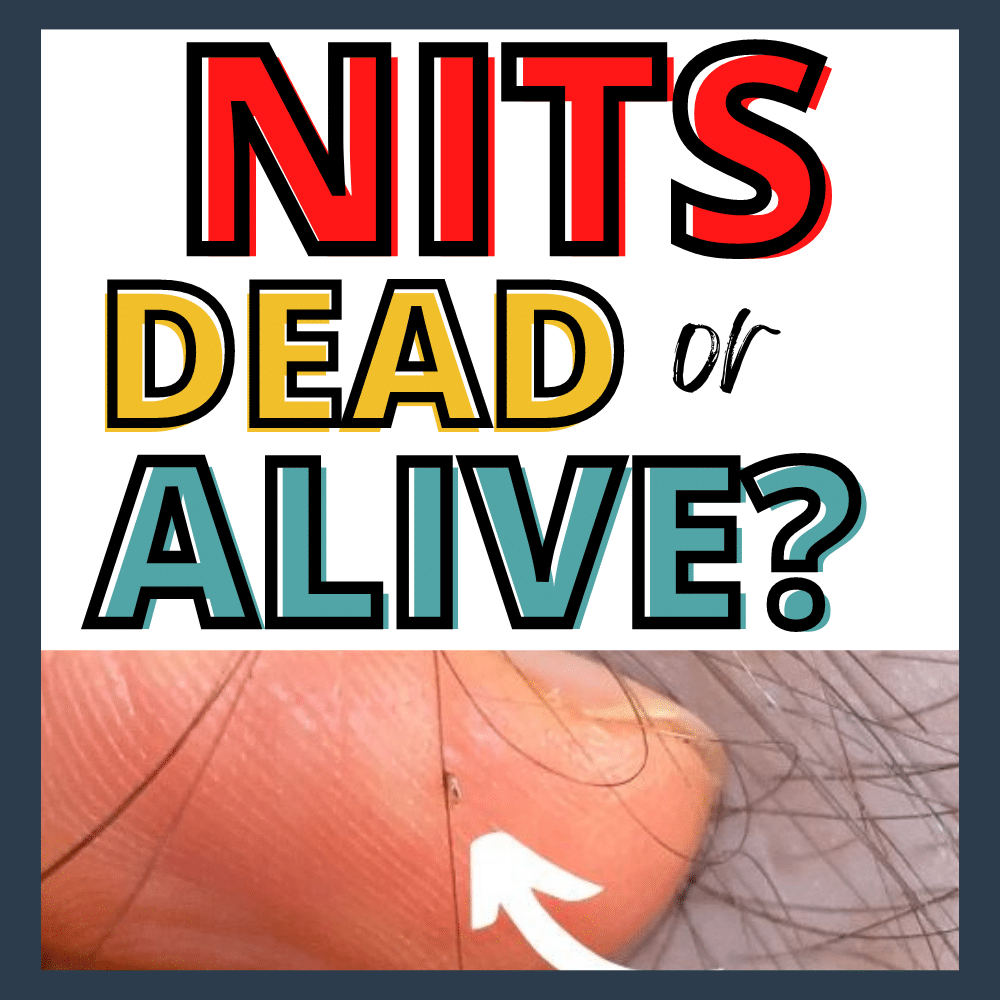
No. Lice eggs, called nits, cannot hatch off the scalp. They require the consistent warmth and humidity of the human head to develop and survive.
Why Nits Need Scalp Conditions to Hatch
Nits are glued within 6 millimeters of the scalp, where conditions are optimal for development. They need temperatures around 30 to 32 degrees Celsius (86 to 90 degrees Fahrenheit) to mature properly. Off the scalp, nits dry out and die before they can hatch. If a nit ends up on a pillow, it poses zero risk of starting an infestation.
What You Might See on Pillows Are Empty Casings
What people often mistake for live nits on bedding are actually empty egg casings. These are hollow shells left behind after lice hatch. They are not viable and cannot reattach to hair or develop into new lice. Finding these casings does not indicate an active infestation risk.
How to Clean Pillows After Lice Exposure
You do not need to throw out your pillow. Effective cleaning kills any lice present and reduces anxiety about recontamination.
Washing Pillowcases in Hot Water
Use water at least 130 degrees Fahrenheit (54 degrees Celsius). Wash with regular detergent, then dry on high heat for 20 to 30 minutes. This combination kills both lice and any nits that may have transferred. Always check care labels before washing to avoid damaging delicate materials.
Treating Different Types of Pillows
Machine-washable pillows can be washed in hot water and dried on high heat. Add dryer balls to help preserve fluffiness during drying. For non-washable pillows like down or memory foam, you have two effective options. Place the pillow in a dryer on high heat for 30 minutes, or seal it in a plastic bag for 48 hours. Both methods kill lice through lack of food and moisture. These approaches eliminate the need to replace pillows.
Best Methods to Kill Lice on Bedding
/removing-head-lice-from-clothes-2146206_FINAL-5baa9865c9e77c002439f1b6-83d6d0d75f534336a120db394d41a57d.png)
Heat is the only reliable way to kill lice on fabrics. Cold water and air-drying are ineffective and should not be relied upon.
Proven Lice-Killing Treatments
Research tested various household methods on lice-infested fabric. Hot wash at 60 degrees Celsius (140 degrees Fahrenheit) achieved 100% lethality. Hot dryer cycles of 30 minutes or more also achieved 100% lethality. Cold wash was completely ineffective, with lice surviving. Outdoor drying, even in sunlight, was also ineffective. Always use high heat in either washing or drying. Air-drying or cold washing will not eliminate lice.
Common Lice Myths Debunked
Misinformation leads to unnecessary cleaning and stress. Understanding the facts helps you focus on what actually matters.
Myth: Lice Live for Weeks on Pillows
This is false. Lice die within 1 to 2 days off the scalp. They cannot survive longer on any inanimate surface, regardless of environmental conditions.
Myth: You Must Throw Away Your Pillow
This is false. There is no need to discard pillows. Proper cleaning with heat or bagging is sufficient to eliminate any lice present.
Myth: Lice Jump or Fly Onto Pillows
This is false. Lice only crawl. They fall onto pillows during sleep or head scratching. They do not actively move to pillows seeking a new host.
Myth: Pets Spread Head Lice
This is false. Head lice are human-specific parasites. They cannot live on dogs, cats, or other animals, nor can pets transmit lice to humans.
Myth: You Need to Fumigate Your House
This is false. Fumigation is unnecessary. The CDC and American Academy of Pediatrics stress that treatment should focus on the scalp, not the home environment.
What to Clean and What to Skip
Focus your efforts on items used in the past 48 hours. Skip excessive cleaning of items that pose negligible risk.
Clean These Items
Clean pillowcases, sheets, and blankets used recently. Also clean hats, scarves, and helmets. Wash stuffed animals that touch the head. Use one of these proven methods: hot wash plus high-heat dry, 30 minutes in a hot dryer, or 48-hour seal in a plastic bag.
Skip Cleaning These Items
Carpets and floors do not require special cleaning. Vacuum only if desired for general hygiene. Curtains, walls, and upholstered furniture do not need treatment unless used within two days by an infested person. Books, electronics, and school supplies pose negligible risk and do not require cleaning.
Preventing Reinfestation the Right Way
Most repeat cases come from untreated people or missed nits, not from dirty pillows.
Avoid Head-to-Head Contact
Teach children to avoid hugging heads during play. Keep long hair tied back in braids or buns. Do not share hats, combs, or headphones.
Check and Comb Weekly
Use a fine-toothed lice comb for weekly checks. Perform wet combing once a week for a month after treatment. Focus on the crown, behind ears, and nape of neck where lice commonly cluster.
Screen All Household Members
Check everyone in the home for lice. Treat only those with live lice or viable nits. Treat all affected people at the same time to prevent cross-infestation.
Schedule a Professional Recheck
Visit a lice clinic 10 to 14 days after treatment. Confirm all lice and nits are gone. Consider professional comb-out services for thorough removal.
Head Lice vs. Body and Pubic Lice
Not all lice are the same. Understanding the differences helps you respond appropriately.
Head Lice
Head lice live on the scalp and hair shafts. They die within 24 to 48 hours off the host. They spread through head-to-head contact.
Body Lice
Body lice live in clothing seams, not on skin. They feed on skin but return to fabric. They can survive up to one week in clothes. Body lice are linked to poor hygiene or overcrowding and are rare in developed countries.
Pubic Lice
Pubic lice, sometimes called crab lice, are found in pubic hair, facial hair, or eyelashes. They die within 1 to 2 days off the body. They spread through close contact or shared items.
Only body lice live in clothing and bedding, but they are distinct from head lice and not the same infestation.
Key Takeaways for Managing Lice on Pillows
When dealing with lice, focus on the scalp, not the pillow. Lice can survive on pillows for up to 48 hours, but the risk of transmission is very low. Only 0.11% of lice in one major study were found on pillowcases. Most infestations happen through direct head contact, not shared bedding.
Do This
Wash pillowcases and recent bedding in hot water and high heat. For non-washable pillows, use 30 minutes in a dryer or 48-hour bagging. Do not throw away pillows. Cleaning is enough. Avoid over-cleaning furniture, floors, or non-personal items.
Prevent Recurrence
Avoid head-to-head contact. Do not share combs, hats, or headphones. Perform wet combing weekly after treatment. Recheck with a professional lice service in 10 to 14 days.
By following science-backed steps, you can manage lice confidently without fear, fumigation, or unnecessary laundry.
Frequently Asked Questions About Lice on Pillows
How long can lice survive on a pillow?
Head lice can survive up to 48 hours on a pillow without a human host. However, most lice die within 24 hours due to dehydration and starvation. Conditions on pillows lack the warmth, humidity, and blood supply lice need to survive long-term.
Can you get lice from sleeping on a pillow used by someone with lice?
The risk is extremely low. Studies show only about 4% of pillowcases from infested people contain any lice, and those found are usually dead or dying. Lice cannot jump or fly. Transmission requires a live louse to crawl onto another person’s head, which rarely happens from bedding.
Do lice eggs (nits) hatch on pillows?
No. Nits require the warmth and humidity of the human scalp to develop and hatch. Off the scalp, nits dry out and die before hatching. Any “nits” found on pillows are usually empty casings left after hatching, which pose no infestation risk.
Do I need to throw away my pillow after lice?
No. You do not need to discard pillows. Washing in hot water and drying on high heat kills all lice. For non-washable pillows, 30 minutes in a hot dryer or 48 hours in a sealed plastic bag eliminates any lice. Proper cleaning is always sufficient.
What temperature kills lice on pillows?
Water at least 130 degrees Fahrenheit (54 degrees Celsius) kills lice. Drying at high heat for 20 to 30 minutes is also 100% effective. Cold water washing or air-drying does not kill lice and should not be relied upon.
How do I clean my pillow after lice exposure?
Check the care label first. For machine-washable pillows, wash in hot water and dry on high heat. For down or memory foam pillows, use high heat in the dryer for 30 minutes, or seal in a plastic bag for 48 hours. Both methods eliminate lice effectively.