
Waking up to a flat, lumpy wool pillow? You’re not alone. Over time, even the highest-quality wool pillows lose their bounce from nightly compression. But here’s the good news: fluffing a wool pillow properly can instantly restore its loft, support, and breathability. Unlike synthetic fills, wool is a living fiber with natural elasticity, designed to spring back when cared for correctly. The key lies in consistent, gentle techniques that reactivate its crimp and redistribute the fibers.
This guide reveals the exact daily, weekly, and seasonal methods used by manufacturers and owners of premium wool pillows like Obasan, Kouchini, and Baret. Whether your pillow has gone flat or just needs a refresh, you’ll learn how to revive it safely without damaging the delicate wool core.
Daily Fluffing for Lasting Loft
Hand-Bash Every Morning
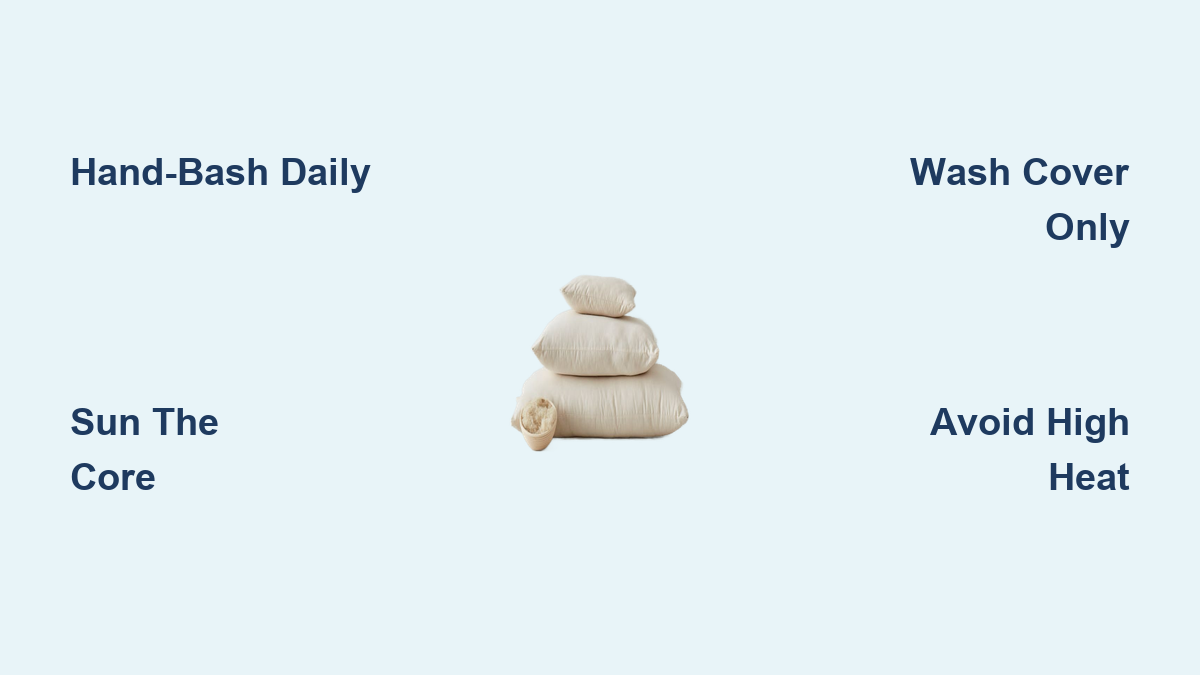
Start your day by reviving your pillow with a quick 30-second hand-bashing session. Use both palms to firmly but gently compress and release the pillow from all sides. This means working the top, bottom, and edges in a rhythmic punching motion.
The technique disrupts fiber clumping and reactivates wool’s natural crimp. Perform this each morning to maintain consistent support and prevent deep compaction over time. Your pillow will feel noticeably firmer and more supportive immediately after.
Finger-Fluff Through Openable Covers
If your pillow has a zippered inner casing, unzip it weekly and use your fingers to pull apart compressed wool clusters. Work slowly over a clean surface or outdoors to avoid mess. Gently tease apart matted sections, never yank or stretch.
This deep-aeration technique restores springiness in the core and extends the pillow’s life by years. Not all pillows have this feature, but brands like Obasan and Kouchini include removable inner casings specifically for this purpose.
Punch or Thump Weekly
For a more vigorous refresh, punch the pillow firmly with your fists from multiple angles. This method, recommended by Obasan, helps reposition shifted fibers and rebuilds volume. Do this once a week or whenever the pillow feels dense.
Pair hand-bashing with punching for best results. The combination ensures both surface-level and deep-core fluffing, keeping your pillow lofty and comfortable night after night.
Deep Refresh Every 3 to 6 Months
Remove and Wash the Cover
Unzip and remove the outer pillowcase. If your model has a fully zippered cover, take it off completely. Wash it separately using a delicate cycle, cold water, and mild detergent. Never use bleach or fabric softener.
Always hang to dry. Machine drying can shrink natural knit covers and damage the fibers. Clean covers prevent oil buildup and keep the wool fresher longer.
Sun the Wool Core
After removing the cover, place the exposed wool core in direct sunlight for at least 2 hours. UV rays naturally kill dust mites, eliminate odors, and help fibers expand. Lay it on a clean screen or cloth to avoid dirt. Flip halfway through for even exposure.
In colder months, place the pillow near an open window with good airflow. Fresh air achieves similar deodorizing benefits when sunlight isn’t available.
Optional Dryer Fluff With Tennis Balls

Only use this method if your wool pillow contains treated or blended fibers. Check manufacturer guidelines before attempting. Place the entire pillow with cover on in the dryer with two clean tennis balls or wool dryer balls.
Set to air-only or the coolest tumble setting. Run for 15 to 20 minutes. The bouncing balls break up clumps and restore fluff without risking felting. Never use high heat.
Reassemble and Final Fluff
Once the cover is fully dry and the wool is refreshed, reinsert the core. Zip all layers securely. Finish with a final round of hand-bashing to even out the shape and ensure balanced support.
Your pillow should feel plump, springy, and ready for months of restful sleep.
Common Mistakes to Avoid
Never Wash the Wool Core
Water and agitation cause wool fibers to felt, locking them together into a dense, irreversible mat. Even hand-washing can ruin the structure. Only spot clean with a damp cloth and wool-safe detergent if stained. Always air dry completely afterward.
Do Not Use High Heat
Avoid dryers, irons, or direct radiators. Heat contracts wool fibers, leading to shrinkage and permanent loss of loft. Even warm settings can damage sensitive natural fibers over time.
Skip Plastic Storage
Storing your wool pillow in a plastic bag traps moisture and encourages mildew. Instead, use a breathable cotton storage sack and keep it in a cool, dry place. Never stack heavy items on top.
Long-Term Care Tips
Use Natural Fiber Pillowcases
Choose 100% cotton, bamboo, or linen cases. These allow airflow, wick moisture, and protect the pillow from sweat and oils. Synthetic covers trap heat and degrade wool performance over time.
Rotate and Flip Monthly
Turn your pillow end-to-end or flip it weekly to promote even wear. This prevents one side from compacting faster than the other and extends overall lifespan.
Spot Clean Only When Necessary
Blot stains immediately with a damp cloth and a drop of mild wool detergent. Do not soak. Let it air dry away from direct sunlight to prevent fading or fiber stress.
Schedule Professional Cleaning
Every 1 to 2 years, consider a professional clean from a service experienced with natural fibers. They can deep-remove allergens and dust without risking damage. Avoid dry cleaning unless explicitly approved by the manufacturer.
When to Add More Wool Filling
Even with perfect care, some pillows lose volume after years of use.
Signs You Need a Top-Up
Pillow remains flat after fluffing. Neck sinks too deeply, losing spinal alignment. Visible thinning or lopsided shape appears.
How to Replenish
Contact your manufacturer to purchase certified organic wool filling. Open the inner casing, add small handfuls evenly, then re-fluff and reseal. This restores support and can extend the pillow’s life by several more years.
Best Wool Types for Long-Lasting Fluff

Not all wool is equal when it comes to resilience.
High-Crimp Wool Retains Loft
Breeds like Merino, Icelandic, and carpet-grade wool have naturally high crimp. These tiny kinks in the fiber act like springs and resist compaction better than low-crimp varieties.
Loose Fill Versus Batting
Loose wool filling is lighter, easier to fluff, and responds well to hand techniques. Wool batting offers more structured support but may require deeper fluffing over time.
Consider fiber type when purchasing for long-term performance. Coarse, durable wool holds up better under pressure than soft sweater-grade wool.
Manufacturer-Specific Fluffing Tips
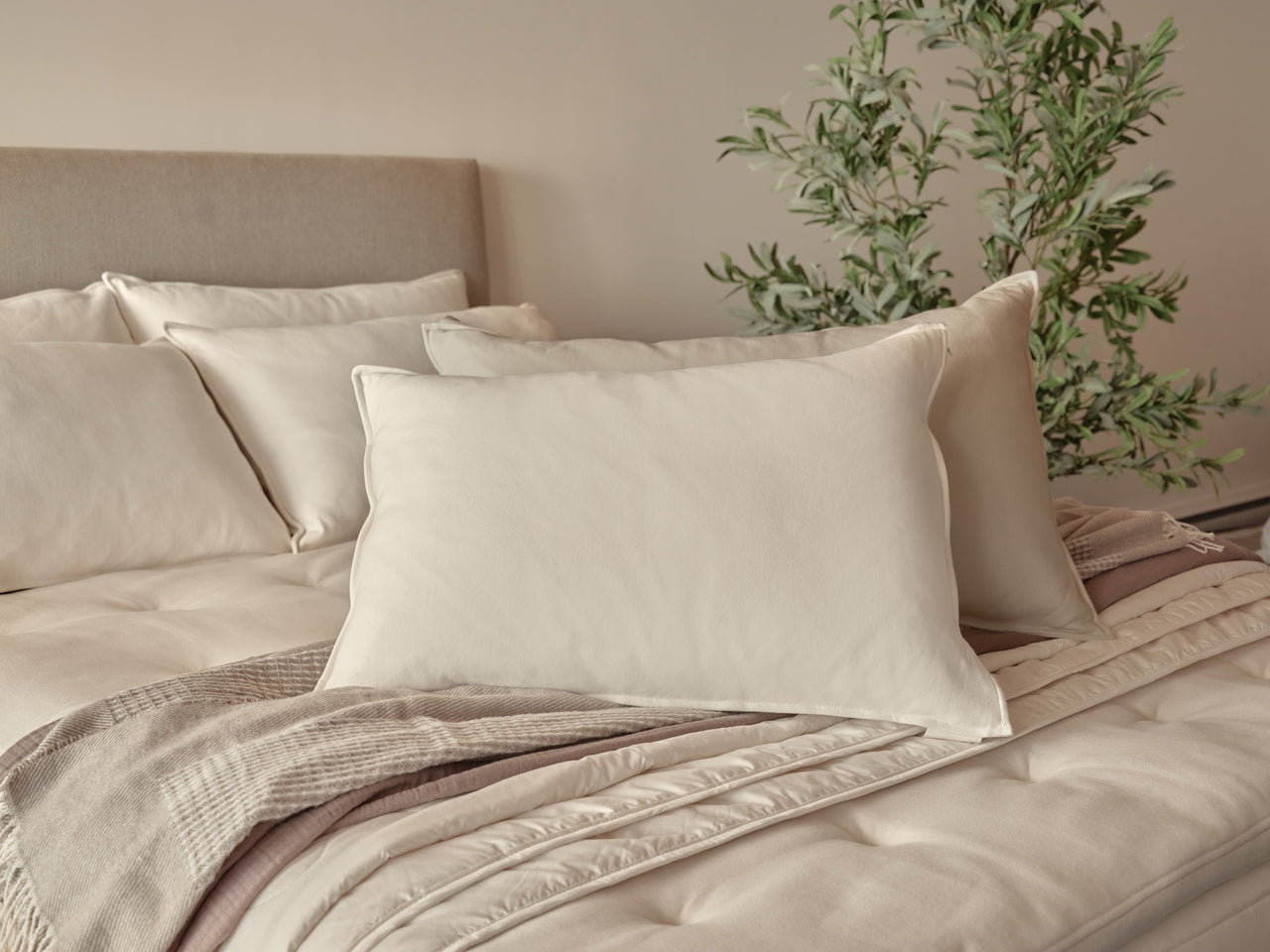
Obasan Organic Wool Pillow
Features a knit outer cover and zippered inner casing. Fluff using hand-bashing or punch method. Can use coolest dryer setting with tennis balls, cover on. Wash cover cold, delicate, hang dry. Never wash the wool core.
Kouchini Organic Wool Pillow
Made with premium, high-loft natural wool. Follow standard fluffing and sunning routines. Use only natural pillowcases to preserve breathability. Contact for refill options if volume decreases.
Baret Pillow
Has a fully zippered outer cover. Remove wool before washing cover. Wash cover on hot, then tumble or line dry. Re-fluff core after each wash cycle.
Benefits of Regular Fluffing
A well-fluffed wool pillow does more than feel comfortable.
Improved Spine Alignment
Proper loft supports the natural curve of your neck, reducing morning stiffness and improving sleep posture.
Better Temperature Regulation
Fluffed fibers trap air, enhancing insulation in winter and breathability in summer. This is ideal for hot sleepers.
Enhanced Allergen Control
Sunning kills dust mites and neutralizes odors naturally, making wool a hypoallergenic choice.
Extended Durability
With proper care, a wool pillow can last 10 years or more, far outperforming down or synthetic alternatives.
Frequently Asked Questions About Fluffing Wool Pillows
How often should I fluff my wool pillow?
Fluff your wool pillow daily using the hand-bashing method for best results. This takes only 30 seconds and maintains consistent loft. For deeper fluffing with fingers or punching, do this weekly or whenever the pillow feels flat.
Can I wash my wool pillow in the washing machine?
Never wash the wool core. Machine washing causes fibers to felt and clump together permanently. Only wash removable covers in cold water on a delicate cycle. The wool core should remain dry.
Is it safe to put my wool pillow in the dryer?
Only use the dryer with extreme caution. Set to air-only or the coolest tumble setting. Add tennis balls to break up clumps. Never use heat, as it can shrink or permanently damage wool fibers.
How do I get rid of odors in my wool pillow?
Sun the wool core for at least 2 hours in direct sunlight. UV rays naturally eliminate odors and kill bacteria. In winter, place the pillow near an open window with good airflow for similar results.
Why does my wool pillow keep going flat?
Wool compresses naturally over time from nightly use. Daily hand-bashing redistributes fibers and reactivates crimp. If flatness persists despite regular fluffing, the pillow may need additional wool filling or replacement.
Can I use a wool pillow that has gone completely flat?
Yes. Try the full deep refresh process: sun the core, wash the cover, and perform vigorous hand-bashing. If it remains flat, contact the manufacturer to purchase additional wool filling for a top-up.
Key Takeaways for Fluffing Your Wool Pillow
Fluffing a wool pillow isn’t complicated, but consistency matters. Hand-bash your pillow every morning to maintain daily loft and prevent deep compaction. For seasonal refreshes, sun the wool core for 2 hours and wash removable covers in cold water.
Always avoid water, heat, and plastic storage when caring for wool. Use breathable cotton pillowcases and rotate your pillow monthly for even wear. With these simple practices, your wool pillow will stay fluffy, supportive, and comfortable for a decade or more.