
Waking up with neck pain, stiff shoulders, or skin breakouts? For some, the culprit might be something as simple as their pillow. While pillows are a sleep staple for most, sleeping without a pillow can offer surprising benefits, especially for stomach sleepers. By removing artificial elevation, you may achieve better spinal alignment, reduce facial pressure, breathe easier, and minimize allergen exposure. But it is not for everyone. Side and back sleepers risk misalignment and discomfort without proper support. The key lies in your sleep position, body type, and personal comfort.
This guide breaks down the real benefits, risks, and best practices for going pillowless so you can decide if it is right for your sleep health.
Who Benefits Most from No Pillow Sleep
Sleeping without a pillow works dramatically differently depending on your sleep position. Understanding who benefits most helps you make an informed decision before trying this approach.
Stomach Sleepers: The Ideal Candidates
Stomach sleepers are the primary beneficiaries of sleeping without a pillow. When lying face down, a pillow forces the head into an exaggerated twist or extension to breathe, straining the neck and upper back. Removing the pillow allows the spine to stay flatter and more aligned. This reduces mechanical stress on cervical joints and soft tissues, often leading to less morning stiffness and pain.
“Sleeping on your stomach is the only position where experts say you can get away with not using a pillow.” – Sleep Health Source
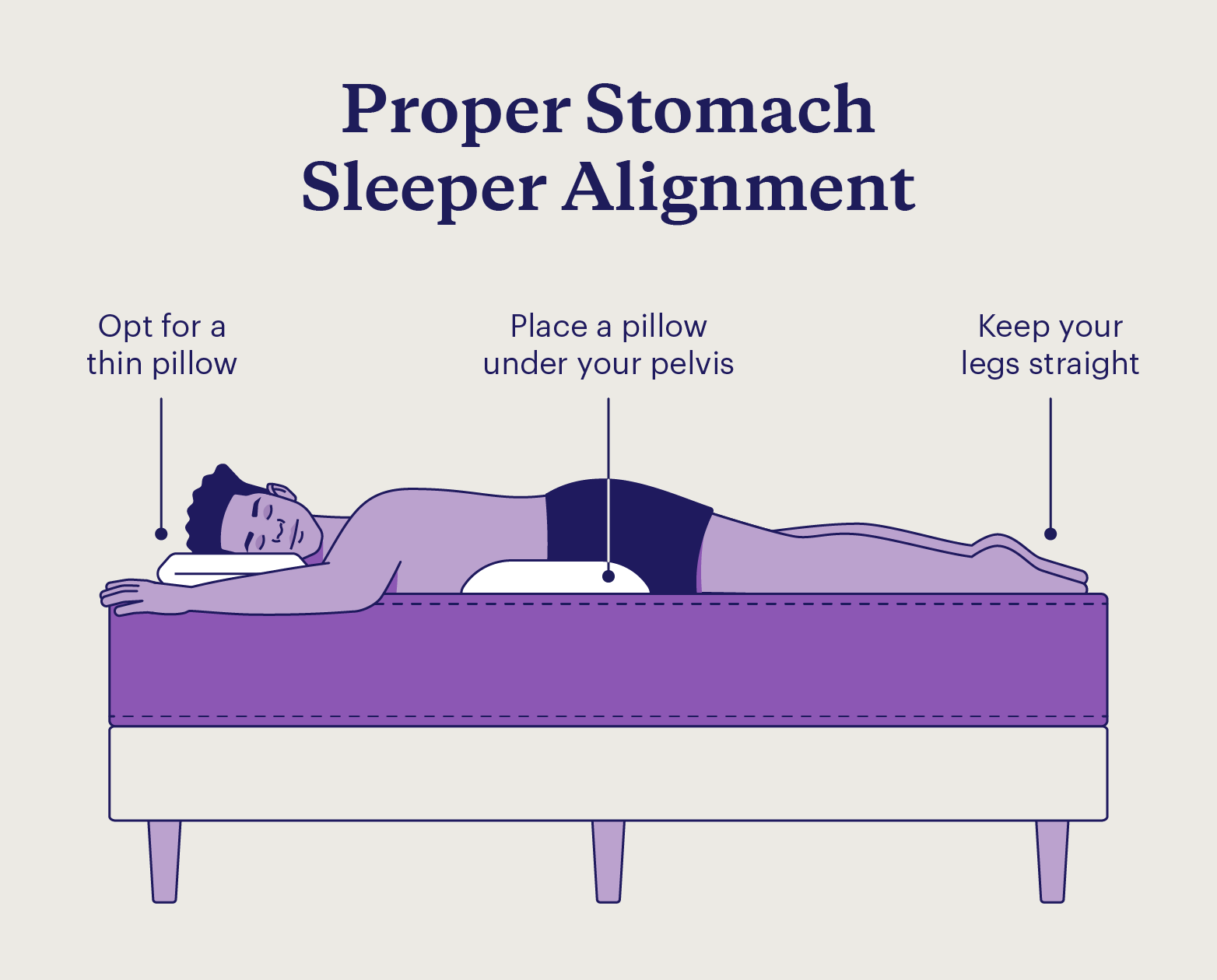
For even better alignment, place a thin pillow or rolled towel under the pelvis. This lifts the lower abdomen slightly, preventing the hips from sinking into soft mattresses and reducing lower back strain. The combination of no head pillow and pelvic support promotes a straighter spine and neutral posture.
If going completely flat feels uncomfortable, start with a folded blanket or low-loft pad to gradually reduce elevation. Monitor how you feel over three to seven nights before making a permanent change.
Back Sleepers: Conditional Benefits
Back sleepers can sometimes benefit from skipping the pillow, but only under the right conditions. The natural curve of the neck creates a gap between the head and mattress. Without support, the head may tilt downward, straining the cervical spine and increasing pressure on discs and muscles.
However, if your mattress is firm and supportive, and your head remains naturally aligned with your spine, you might tolerate or even prefer no pillow. Some find that a rolled towel under the neck offers just enough support without the bulk of a full pillow.
“If you sleep on your back, doctors and sleep experts recommend you always sleep with a pillow.” – Medical Advisory Board
Proceed with caution. If you experience neck pain, headaches, or shoulder tension after a few nights, reintroduce minimal support immediately.
Side Sleepers: Not Recommended
Sleeping without a pillow is strongly discouraged for side sleepers. The space between the shoulder and neck requires filling to keep the spine straight. Without a pillow, the head drops down, creating a lateral bend in the spine. This misalignment can cause chronic neck pain, shoulder strain, and even nerve compression in the arms.
Side sleepers need a thicker, high-loft pillow that matches the width of their shoulder to maintain spinal neutrality. Using a body pillow or placing a thin cushion between the knees can further improve alignment.
“Side sleepers shouldn’t sleep without a pillow to keep their necks properly aligned.” – Sleep Science Review
Even combination sleepers who shift positions during the night should avoid going completely pillow-free due to the risk of discomfort in non-stomach positions.
Improved Spinal and Neck Alignment
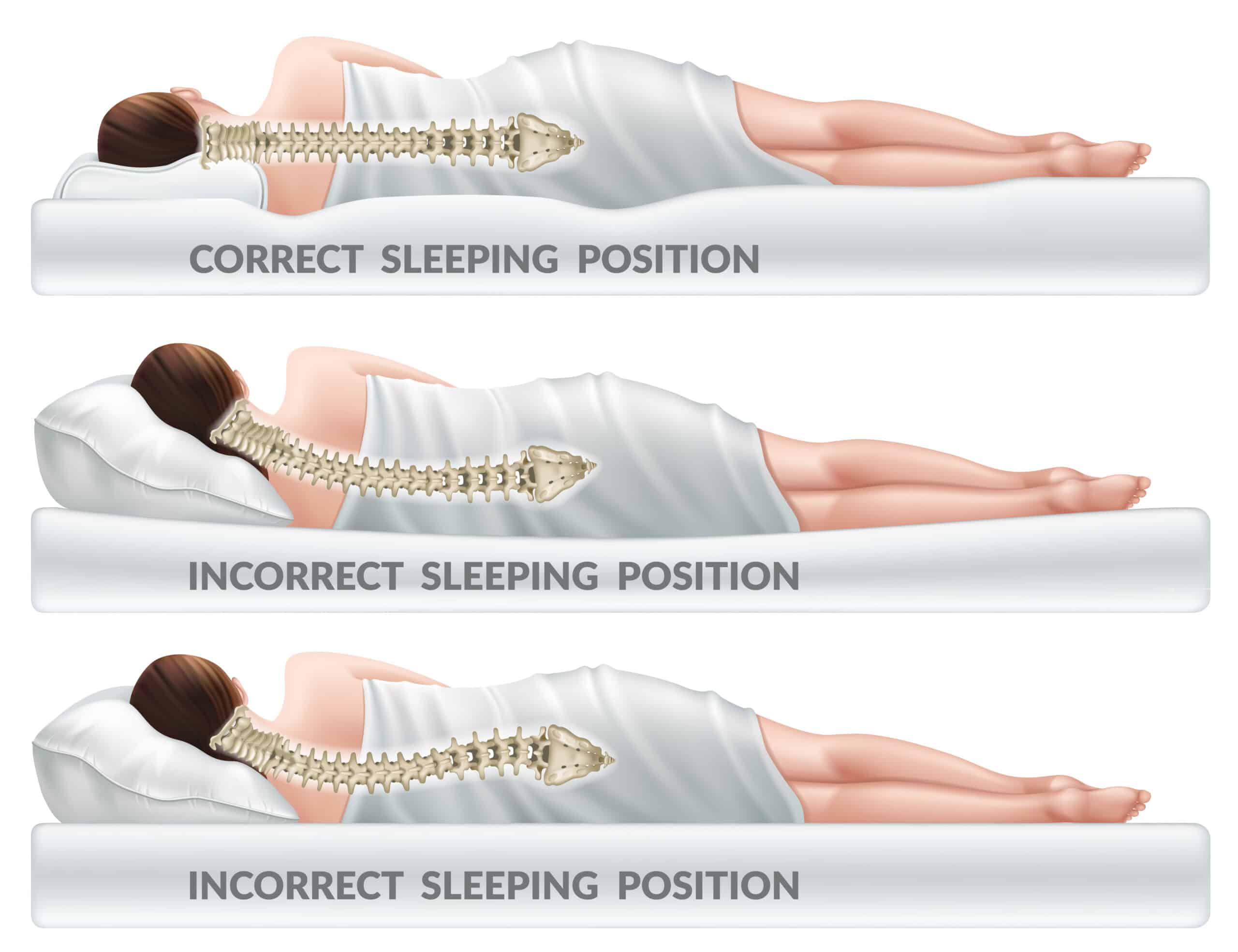
The goal of sleep ergonomics is maintaining the spine’s natural curves. For stomach sleepers, a pillow often disrupts this alignment by forcing the head into rotation or hyperextension. Without one, the head rests flat, reducing unnatural strain.
Natural Spine Positioning
Back sleepers may also achieve neutrality without a pillow if their mattress allows it. A medium-firm surface helps prevent the lower back from sagging, supporting overall spinal balance. When lying down, your ears, shoulders, and hips should line up horizontally. If your head tilts up or down, alignment is off.
Reduced Neck Strain
Pillows that are too thick, firm, or poorly positioned can cause or worsen neck pain. Eliminating the pillow removes this source of mechanical irritation. Stomach sleepers especially report less morning stiffness after switching to a flat sleeping surface.
For best results, use a supportive mattress and keep your head and neck in line with your spine. Avoid turning your head sharply to one side. If pain persists, consider a contoured memory foam pillow designed for stomach sleepers rather than going fully flat.
Neck and Back Pain Relief Without a Pillow
Many people wake up with neck soreness due to prolonged muscle tension from improper pillow height. Stomach sleepers who ditch the pillow often notice rapid improvement in neck comfort. Removing excess elevation reduces joint compression and allows neck muscles to relax fully during sleep. This can be especially helpful for those with muscle tension, arthritis, or disc issues.
“For stomach sleepers, sleeping without a pillow can help align the spine, reducing back pain or neck stiffness.” – MedicalNewsToday
Warning: Back and side sleepers may experience worsened pain without support. Pain relief is highly position-dependent.
Lower Back Pressure Reduction
When stomach sleepers use a pillow, the raised head position can cause the midsection to sink into a soft mattress. This increases lumbar lordosis, placing extra pressure on the lower back. Going pillowless, especially with pelvic support, helps maintain a neutral spine and reduces strain on the lumbar region.
A thin pillow under the pelvis lifts the hips slightly, counteracting sinking and promoting even weight distribution. Try this setup for three to five nights. If lower back pain improves, the change may be working.
Skin Benefits: Fewer Wrinkles and Better Hygiene
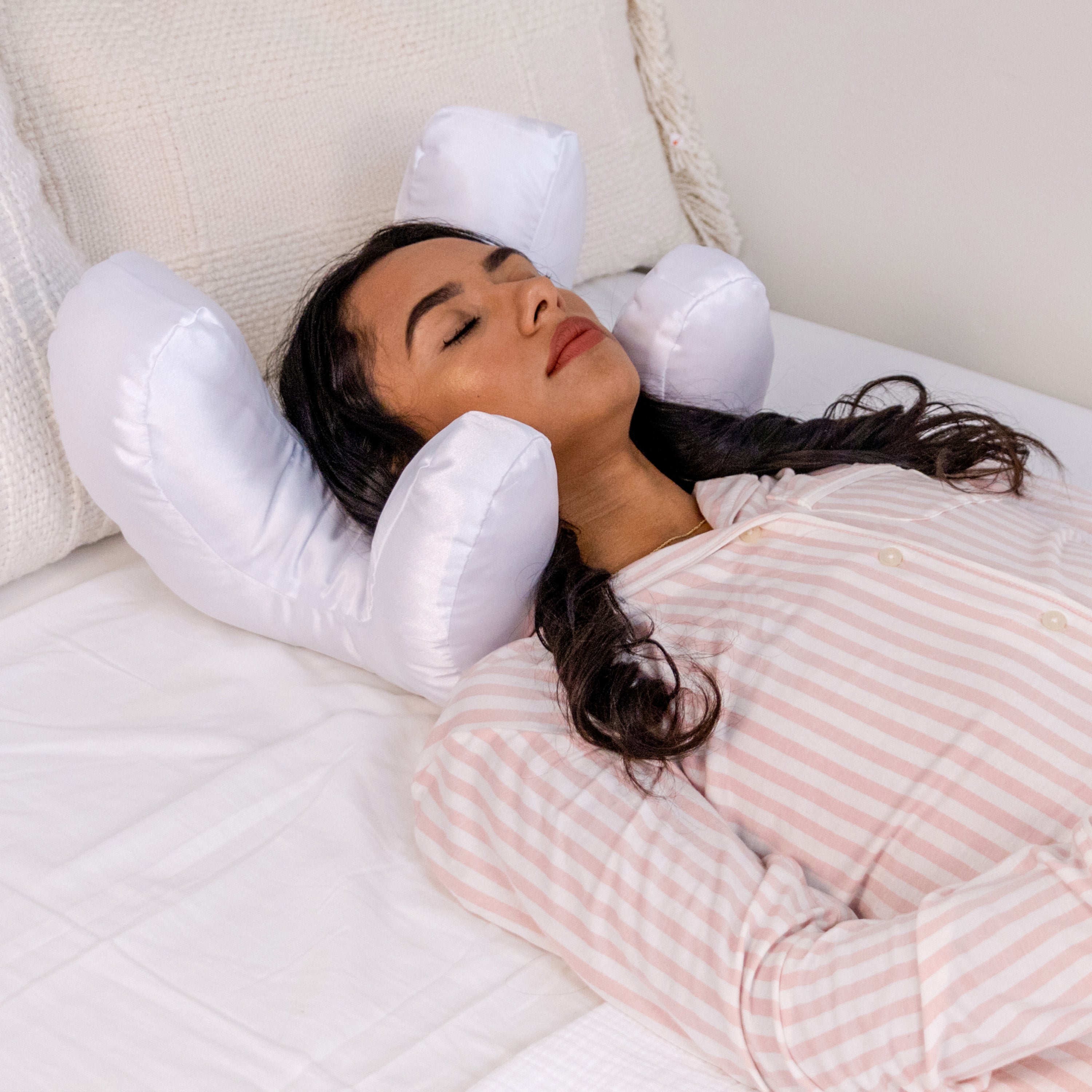
Sleep wrinkles form from repeated folding and pressing of facial skin against a pillow. Unlike expression lines, these are caused by mechanical shearing during side or stomach sleeping.
Reduced Facial Compression
By sleeping without a pillow, especially on your back, you eliminate direct facial contact. This reduces pressure on cheeks, forehead, and chin, potentially slowing wrinkle development over time.
“Studies show pillows compress the skin while sleeping. Over time, this can lead to sleep wrinkles.” – Dermatology Today
While no clinical trials prove pillow-free sleep prevents aging, biomechanical logic supports the idea: less compression means less creasing.
Improved Skin Hygiene
Pillows collect sweat, oils, bacteria, and dead skin cells. If not washed weekly, they become breeding grounds for acne-causing agents like Propionibacterium acnes. Sleeping without a pillow removes this contact surface entirely.
This can be especially helpful for people with acne-prone skin, rosacea, or allergic dermatitis. Even without going fully pillowless, switching to silk or bamboo pillowcases reduces oil transfer and bacterial buildup. Wash bedding every five to seven days to minimize breakout triggers.
Breathing Improvements and Snoring Reduction
For back sleepers, sleeping without a pillow may help prevent airway obstruction. Excessive head elevation from thick pillows can cause the jaw and tongue to fall backward, narrowing the throat and increasing snoring. A neutral, flat head position keeps the airway more open, similar to the effect of anti-snoring pillows.
Avoids Restricted Airflow
Neck flexion from high pillows can compress the trachea and reduce airflow. A flatter position minimizes this risk. Some people with mild obstructive sleep apnea report reduced snoring when lying flat.
However, this benefit depends on individual anatomy. Those with severe OSA or a naturally recessed jaw may still need elevation or CPAP therapy.
Note: Stomach and side sleepers are less likely to see respiratory benefits from going pillowless. If you notice increased gasping or choking at night, stop the experiment and consult a sleep specialist.
Hair Health Advantages of Pillowless Sleep
Cotton pillowcases create friction that tangles hair and causes split ends, especially in curly, dry, or chemically treated hair. While silk pillowcases are the gold standard for reducing damage, eliminating the pillow removes the friction surface altogether.
Preserves Natural Oils
Pillows absorb sebum and styling products overnight. Without a pillow, less oil is wicked away, helping maintain moisture balance on the scalp. This could reduce the need for frequent washing, especially for people with dry or coarse hair.
However, there is no direct evidence that going pillowless improves hair growth or scalp conditions. The benefit is primarily mechanical. Most of this advantage can be achieved by using satin bonnets or silk pillowcases, which offer protection without sacrificing neck support.
Allergy Reduction: Less Dust and Bacteria
Pillows are major reservoirs for dust mites, mold spores, and pet dander. Over time, they accumulate dead skin cells, sweat, and environmental allergens. These can trigger allergic rhinitis, asthma symptoms, and eczema flare-ups.
Fewer Allergen Traps
Removing the pillow eliminates this allergen trap, potentially improving respiratory and skin health. Even hypoallergenic pillows collect irritants over time. The only way to fully avoid exposure is to go without.
“Bacteria on pillows can make skin conditions worse. Sleeping without a pillow helps reduce exposure to acne-causing agents.” – Skin Health Report
Alternative options include using antimicrobial pillow covers and replacing pillows every one to two years.
Risks and Who Should Avoid Sleeping Without a Pillow
The biggest risk of sleeping without a pillow is neck strain, especially for back and side sleepers. Without support, the cervical spine may overextend or collapse sideways, leading to morning stiffness, tension headaches, and upper trapezius muscle pain. If you feel discomfort after one or two nights, stop the experiment. Pain is a sign your body needs support.
Worsened Spinal Conditions
People with pre-existing spinal issues should avoid going pillowless unless advised by a healthcare provider. Conditions that may be aggravated include herniated discs, spinal stenosis, scoliosis, and degenerative disc disease. These require consistent, proper alignment, often best achieved with a cervical or orthopedic pillow.
GERD and Acid Reflux
Elevating the head helps prevent stomach acid from rising into the esophagus. People with gastroesophageal reflux disease may experience worsened heartburn when sleeping flat. If you have frequent nighttime acid reflux, keep your head elevated with a wedge pillow or adjustable bed.
Not for Combination Sleepers
Most people change positions three to five times per night. A pillow provides adaptive support across movements. Going pillowless increases the risk of discomfort when rolling onto your side or back. If you are a restless sleeper, stick with a medium-loft, adjustable pillow that supports multiple positions.
How to Transition to No Pillow Safely
Going cold turkey can shock your body. Instead, begin with a thin folded towel or blanket under your head. This reduces elevation gradually, allowing your neck to adapt. After a few nights, try removing it completely.
Test for Three to Seven Nights
Give your body time to adjust. Sleep changes can cause temporary discomfort. Track morning stiffness, headaches, energy levels, and skin or hair changes. If pain increases, return to a supportive pillow.
Check Your Mattress
A soft or sagging mattress increases misalignment risk when sleeping without a pillow. Opt for a medium-firm, supportive surface that keeps your spine straight. Memory foam or hybrid mattresses often work best.
Use Body Support Aids
Enhance comfort with strategic support. Stomach sleepers should use a thin pillow under the pelvis. Back sleepers benefit from a pillow under knees to support the lumbar curve. If attempting transition as a side sleeper, use a rolled towel under the neck.
Better Alternatives If You Cannot Go Fully Pillowless
If you are uncomfortable without a pillow, try a low-profile or contoured design. These provide minimal support while preventing excessive neck bending. Memory foam contour pillows align with the neck’s natural curve, ideal for stomach and back sleepers.
Adjustable Fill Pillows
Shredded foam, buckwheat, or fiber-fill pillows let you customize height and firmness. Great for combination sleepers who need flexibility. Add or remove filling until your spine stays neutral.
Cervical Support Pillows
Designed for neck pain sufferers, these maintain proper alignment and reduce strain. Often recommended for people with arthritis or disc issues.
Upgrade Your Pillowcase
Instead of ditching the pillow, upgrade the cover. Silk or satin reduces facial friction and hair breakage. Bamboo or TENCEL offers hypoallergenic, moisture-wicking properties. Antimicrobial covers block dust mites and bacteria.
Replace Pillows Regularly
Old pillows lose shape and accumulate allergens. Replace every one to two years, or sooner if they flatten easily, cause morning pain, or trigger allergies.
Frequently Asked Questions About Sleeping Without a Pillow
Is sleeping without a pillow good for your neck?
For stomach sleepers, yes. Removing the pillow reduces neck extension and rotation, which can alleviate morning stiffness. However, back and side sleepers often experience increased neck pain without support. The benefit depends entirely on your sleep position.
How long does it take to adjust to sleeping without a pillow?
Most people need three to seven nights to adapt. During this period, you may experience temporary discomfort or mild neck stiffness. If pain persists or worsens after one week, reintroduce a pillow or consult a healthcare provider.
Can sleeping without a pillow help with wrinkles?
Possibly. Reducing facial compression against a pillow surface may minimize sleep wrinkles over time, especially if you sleep on your back. However, no clinical trials definitively prove this benefit. The logic is biomechanical: less pressure means less creasing.
Does sleeping without a pillow reduce snoring?
It can for back sleepers. A flat head position keeps the airway more open and prevents the jaw from falling backward. However, this only works for mild cases. People with moderate to severe sleep apnea typically need CPAP therapy or other interventions.
Who should never sleep without a pillow?
Side sleepers, people with spinal conditions like herniated discs or scoliosis, those with GERD or acid reflux, and combination sleepers should avoid going pillowless. These groups require proper support to maintain spinal alignment and prevent discomfort.
Key Takeaways for Trying No Pillow Sleep
Sleeping without a pillow is not a one-size-fits-all solution. For stomach sleepers, it can improve alignment, reduce pain, and benefit skin and breathing. But for side and back sleepers, it often causes more harm than good. The key is matching your sleep setup to your position, body, and health needs.
If going pillowless feels better and reduces discomfort, it may be worth keeping. If not, choose a properly sized, supportive pillow instead. Always listen to your body, and when in doubt, consult a sleep or physical health professional.