
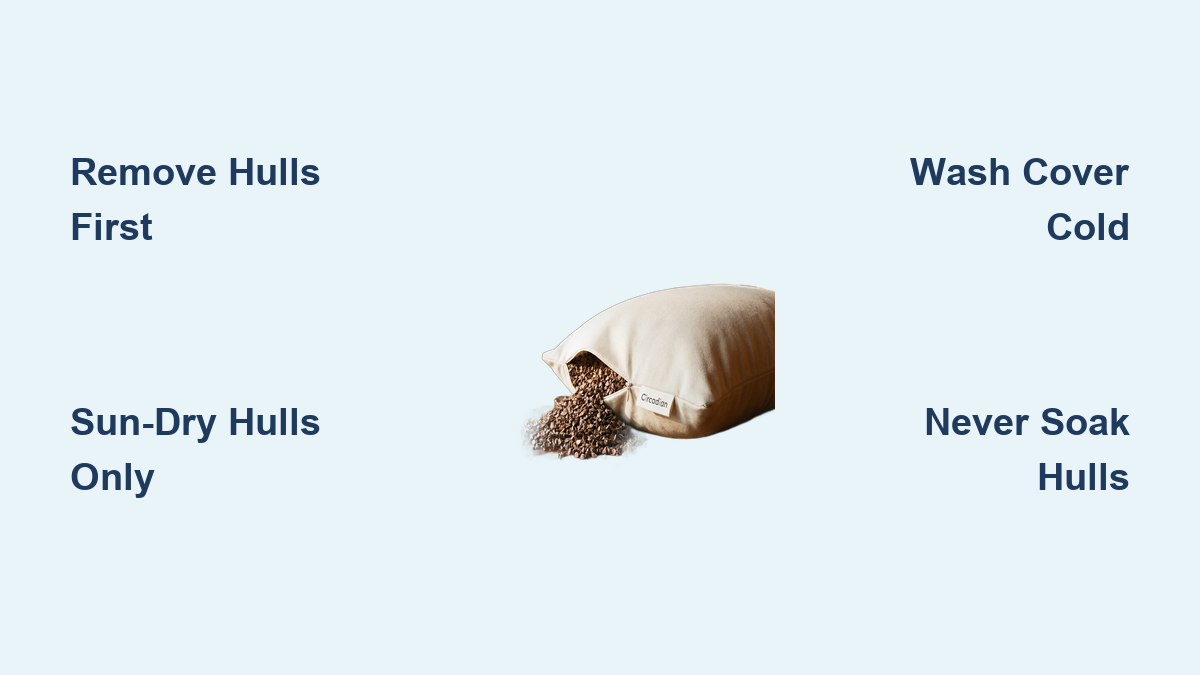
If you own a buckwheat pillow, you know it offers unmatched support, breathability, and adjustability. But when it comes to cleaning, confusion abounds, especially because the natural buckwheat hulls inside require special care. You must never wash the hulls with water, yet many users accidentally ruin their pillows by tossing them in the washing machine. The good news is that cleaning a buckwheat pillow is simple when you know the right steps. In this guide, you will learn how to safely clean each component, dry and refresh the hulls, handle spills, and extend your pillow is life for up to 20 years.
Wash the Outer Cover Without Damaging It
The outer cover is the only part of your buckwheat pillow that should be washed regularly. Made from cotton, bamboo, or silk, it protects the inner layers from sweat, oils, and dirt. Washing it keeps your pillow hygienic and reduces the need for deep cleaning the hulls.
Empty the Hulls Before Washing
Before washing, always remove the buckwheat hulls. Most pillows have a full-length zipper on both the outer cover and inner liner. Unzip both layers and pour the hulls into a large paper bag or clean container. Paper holds its shape better than plastic, reducing spills. Shake both covers thoroughly, especially along seams, to ensure no hulls remain trapped inside.
Machine-Wash the Cover Safely
Use cold water between 75 and 85 degrees Fahrenheit with a mild detergent. Wash separately or with similar colors to prevent bleeding, especially during the first few washes. Avoid bleach, fabric softeners, or harsh chemicals because they degrade natural fibers. If your cover is 100 percent silk, check the care label. Silk often requires hand-washing or dry cleaning unless the manufacturer explicitly allows machine washing.
Air-Dry the Cover Completely
Never use a dryer, even on low heat. High temperatures can shrink cotton, weaken bamboo fibers, or ruin silk. Hang the cover or lay it flat in a well-ventilated area. Ensure it is 100 percent dry before reassembling the pillow. Moisture can transfer to the hulls and cause mold.
Sun-Dry Buckwheat Hulls the Right Way

Buckwheat hulls must never be submerged in water. They are organic and will absorb moisture, swell, and break down, leading to mold and structural failure. The only safe way to clean or refresh hulls is sun-drying.
Why Sun-Drying Works
Sunlight naturally sanitizes, removes odors, and restores airflow. UV rays kill bacteria and dust mites, while heat evaporates trapped moisture. This simple step can extend your pillow is life by years. Buckwheat hulls are naturally resistant to dust mites, so routine washing provides no functional benefit and introduces unnecessary risk.
Step-by-Step Sun-Drying Process
Spread hulls in a thin, even layer on a clean baking sheet, tray, or towel. Place in direct sunlight on a sunny windowsill or outdoors in a pet- and child-safe spot. Stir every hour to expose all sides to UV light and ensure even drying. Leave for 3 to 6 hours depending on sun intensity. After drying, inspect for off-odors, discoloration, or mold. If any are present, discard and replace the hulls.
Why You Should Never Wash Buckwheat Hulls
Some users attempt to wash hulls to remove surface dust, especially in new pillows. While not recommended, a quick rinse may be considered only if the hulls have visible dust but no liquid exposure, the spill was non-sugary and minimal, and you accept the risk of incomplete drying and spoilage. The risk outweighs the benefit. Sun-drying is safer and just as effective for routine maintenance.
When Rinsing Might Be Necessary
If you must rinse hulls, use plain lukewarm water only with no soap or detergent. Pour hulls into water and swirl gently for 30 to 60 seconds to dislodge dust. Transfer hulls to a strainer and drain completely. Spread on dry towels in a single layer in a warm, dry indoor area. Stir every few hours to promote even drying. Wait 24 hours until bone-dry because any moisture leads to mold. Never use a fan or heater because hulls are lightweight and can blow away or overheat.
Fix a Wet or Damaged Buckwheat Pillow
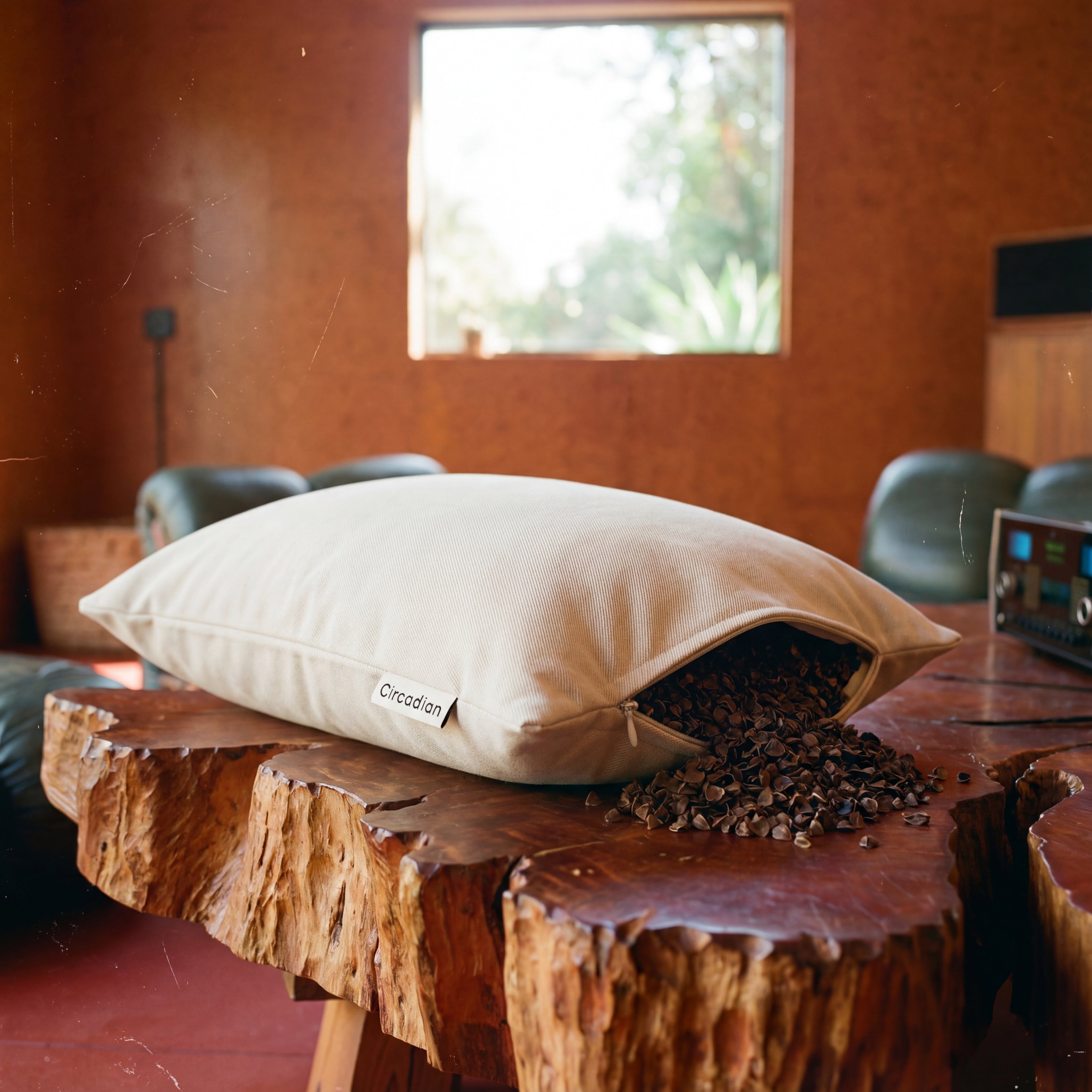
Even with care, accidents happen. How you respond determines whether your pillow survives or must be replaced.
Handle Damp Hulls Quickly
If hulls are damp from sweat or a light spill, remove them immediately. Spread in a thin layer on a tray or towel. Place in indirect sunlight or a warm, dry room. Stir every few hours. Dry for 12 to 24 hours. If fully dry and odor-free, reuse the hulls.
When to Discard Wet Hulls
If hulls are fully soaked from water, coffee, or juice, discard them immediately. Water causes irreversible swelling and breakdown. Even after drying, the risk of mold and mildew remains high. Do not attempt to salvage soaked hulls. Replace with fresh hulls instead. Spills involving sugary or alcoholic liquids like soda, juice, or wine are never salvageable. Fermentation and pest attraction make replacement essential.
When and How to Replace Buckwheat Hulls
Over time, hulls naturally break down. After 3 to 5 years of nightly use, they lose support and airflow. This is normal. Replacement restores performance.
Signs Hulls Need Replacing
The pillow feels flat or soft. Hulls no longer mold to your head and neck. You see fine dust or fragments instead of whole hulls. Hulls slide instead of interlocking. A persistent musty odor remains despite sun-drying. Note that washing does not restore degraded hulls. Replacement is the only solution.
How to Replace Hulls Effectively
Empty old hulls completely. Wash and air-dry both covers. Add fresh, pillow-grade buckwheat hulls. Fill to 90 to 95 percent capacity for optimal support and adjustability. Use a buckwheat filling calculator available from most brands to determine the right amount based on your pillow size.
Keep Your Buckwheat Pillow Firm and Supportive
One of the biggest benefits of a buckwheat pillow is customizable firmness. You can adjust it anytime to suit your sleep position or comfort needs.
Adjust Support Level Anytime
Add hulls for firmer support, ideal for side sleepers or neck pain. Remove hulls for a softer feel, better for back or stomach sleepers. Most users prefer 90 to 95 percent full, enough for support but with room to shift and conform.
Daily Fluffing Routine
Fluff and reshape the pillow every morning. Gently squeeze and rotate to redistribute hulls evenly. Avoid folding or compressing during use or storage. This simple habit prevents clumping and maintains consistent support.
Extend Pillow Life with Proper Care
Proper maintenance prevents most cleaning emergencies. Follow these habits to protect your investment.
Always Use a Pillowcase
A pillowcase acts as a first line of defense against oils, sweat, and dirt. Wash every 1 to 2 weeks. This reduces the need for deep cleaning the outer cover.
Store Properly
Keep in a cool, dry place, never in a bathroom or damp basement. Use a breathable cotton storage sack, not plastic. Avoid placing heavy objects on top. Never use chemicals on hulls. No sprays, essential oils, or perfumes. These can degrade hulls or create lingering odors. For odor control, sprinkle baking soda on the inner liner, wait 30 minutes, then vacuum.
Buckwheat Pillow Maintenance Do is and Do nots
Follow these guidelines to keep your pillow fresh and functional for years.
Essential Do is
Use a pillowcase. Sun-dry hulls annually. Wash outer cover in cold water. Air-dry covers only. Adjust firmness as needed. Replace hulls every 3 to 5 years. Fluff daily.
Critical Do nots
Never wash or soak buckwheat hulls. Never put the whole pillow in the washer or dryer. Never use hot water or bleach on covers. Never dry hulls with a fan or heater. Never store in humid areas. Never apply sprays or oils to hulls. Never ignore wet hulls. Discard immediately if soaked.
Frequently Asked Questions About Cleaning Buckwheat Pillows
Can I put my buckwheat pillow in the washing machine?
No. Never put the entire buckwheat pillow in a washing machine. The buckwheat hulls inside must stay dry. Water causes hulls to swell, break down, and develop mold. Only the removable outer cover should be washed, and only in cold water with mild detergent.
How often should I clean my buckwheat pillow?
Wash the outer cover every 1 to 2 weeks if using a pillowcase. Sun-dry the hulls once or twice per year, even without spills. This prevents mustiness and maintains freshness. The inner liner rarely needs washing if a pillowcase is used consistently.
What happens if my buckwheat hulls get wet?
If hulls are damp from sweat or a light spill, remove them immediately and sun-dry for 12 to 24 hours. If hulls are fully soaked from water, coffee, juice, or any liquid, discard them immediately. Wet hulls cannot be salvaged and will develop mold or mildew even after drying.
Can I use essential oils on my buckwheat pillow to freshen it?
No. Never apply sprays, essential oils, or chemicals directly to buckwheat hulls. These products degrade the organic material and can create lingering odors. For odor control, sprinkle baking soda on the inner liner, wait 30 minutes, then vacuum thoroughly.
How long do buckwheat pillows last?
With proper care, buckwheat pillows can last 10 to 20 years or more. Hulls may need partial or full replacement every 3 to 5 years depending on use and breakdown. The primary cause of failure is moisture exposure, not wear and tear.
Why does my buckwheat pillow smell musty?
A musty smell usually indicates moisture buildup in the hulls. Sun-dry the hulls for several hours to eliminate the odor. If the smell persists, the hulls may be degrading or have mold. In this case, replace them with fresh buckwheat hulls.
Key Takeaways for Maintaining Your Buckwheat Pillow

A buckwheat pillow is a long-term sleep investment that rewards proper care. The most important rule is keeping hulls dry at all costs because moisture causes irreversible damage, mold, and premature breakdown. Wash only the removable outer cover in cold water with mild detergent, and air-dry it completely before reassembly. Refresh hulls annually by sun-drying them in a thin, even layer for 3 to 6 hours. Adjust firmness by adding or removing hulls, and fluff daily to maintain even distribution. Replace degraded hulls every 3 to 5 years to restore optimal support and comfort. By following these guidelines, you will keep your pillow fresh, hygienic, and supportive for decades.