
Waking up with a stuffy nose, itchy eyes, or unexplained fatigue? Your pillow could be the culprit. Mold growth in pillows is more common than most people realize, fueled by nightly sweat, dead skin cells, and bedroom humidity. If you have noticed a musty smell, discoloration, or worsening allergies, you may be sleeping on a moldy pillow. This guide shows you exactly how to get rid of mold from pillows safely, including when cleaning works, when to replace, and how to prevent it from coming back so you can breathe easy and sleep soundly.
Spot Mold Early: Recognize the Signs
Mold on pillows often goes unnoticed until health symptoms appear. Learning to identify the early warning signs helps you act fast before contamination spreads.
Visible Mold and Staining
Mold often appears as dark spots on the pillow surface, including black, green, gray, or even pink or yellow discoloration. These are not just stains. They are living colonies that may have spread deep inside the filling. Look closely at seams and the center of the pillow after removing the pillowcase. Fuzzy, slimy, or powdery textures are clear red flags. Even small spots can indicate a larger problem beneath the surface.
Musty Odors That Will not Fade
A damp, earthy, or cigar-like smell is a telltale sign of mold. Unlike regular odors, this smell persists after washing or airing out. The odor intensifies when the pillow warms up, such as when you rest your head on it. That is because heat triggers mold spores to release microbial volatile organic compounds, which cause the smell and can irritate your airways.
Worsening Allergy or Asthma Symptoms
If you wake up with sneezing, coughing, or itchy eyes every morning and feel better when away from home, your pillow may be contaminated. Mold spores inhaled during six to eight hours of sleep can trigger chronic respiratory issues. Children, the elderly, and those with asthma are especially vulnerable. Skin rashes or headaches upon waking may also point to mold exposure.
Can You Actually Remove Mold from a Pillow?
Not all mold cases can be saved. Understanding the difference between surface mold and deep infestation helps you decide whether to clean or replace.
Surface Mold vs. Internal Infestation
If mold appears only on the surface, washable pillows like polyester or cotton can often be cleaned successfully. However, if mold has penetrated the inner filling, especially in memory foam or down, complete removal is nearly impossible. Fungal filaments embed deep into porous materials, and spores can survive standard cleaning.
Expert Insight: “Once mold grows inside a pillow, you cannot guarantee full decontamination, even after washing. Replacement is the safest choice.” – Michael Rubino, Mold Remediation Specialist
When Cleaning Might Work
Cleaning may be successful under these conditions.
- Mold detected early with small spots and recent exposure
- Mold present only on the outer fabric, not inside
- Pillow is machine-washable
- No persistent odor or health symptoms after cleaning
When to Replace Immediately
Replace the pillow right away if you notice any of these warning signs.
- Musty smell remains after thorough cleaning
- Allergy symptoms worsen after cleaning
- Pillow is older than eighteen months
- Made of non-washable material like memory foam
- Exposed to water damage or flooding
Bottom Line: If you have any doubt, replace the pillow. Your health is worth more than the cost of a new one.
Step-by-Step Mold Removal Process

Follow these steps to safely remove mold from washable pillows. For non-washable pillows, skip to the spot cleaning method.
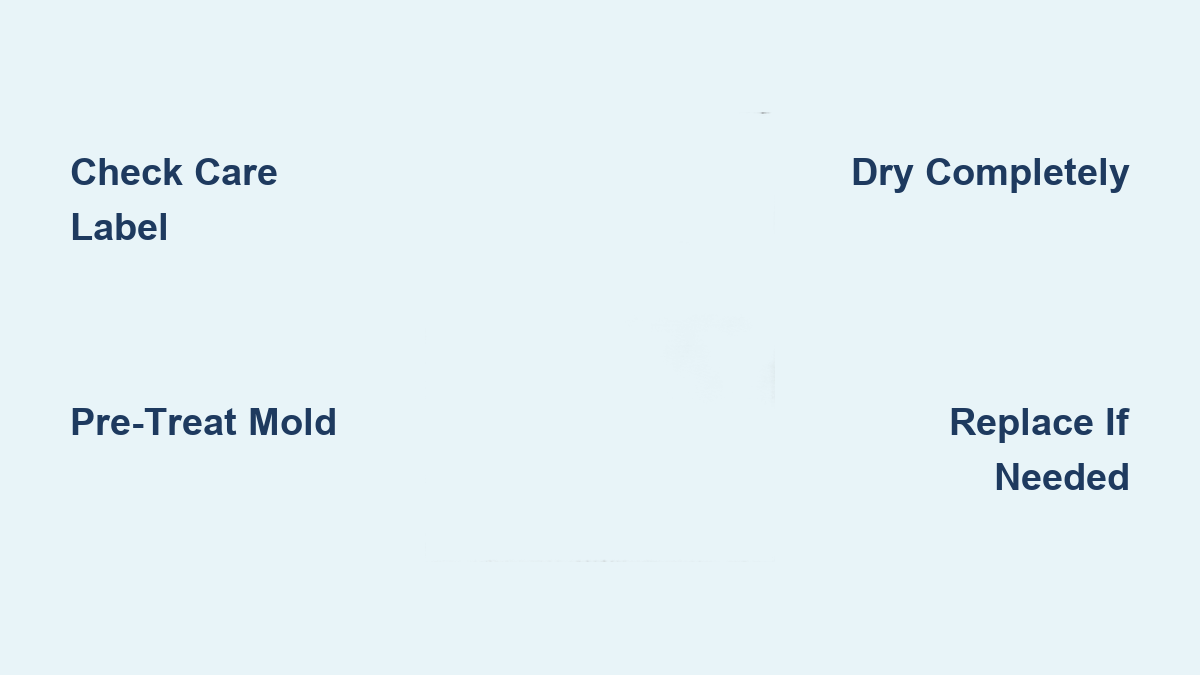
Check the Care Label First
Before doing anything, check the manufacturer tag. It tells you whether the pillow is machine-washable, the safe water temperature, and whether bleach or additives are allowed. Ignoring this can ruin the pillow or make mold worse by trapping moisture inside.
Pre-Treat Moldy Areas
For mild surface-level mold, pre-treatment helps kill spores before washing.
Effective Pre-Treatment Solutions
- White vinegar solution: Mix equal parts vinegar and water in a spray bottle. Lightly spray stained areas, wait thirty minutes, then blot with a clean cloth.
- Hydrogen peroxide (3%): Apply directly to affected spots, wait ten to fifteen minutes, then blot. Effective against mold and bacteria.
- Tea tree oil solution: Mix ten drops per cup of water. Natural antifungal, but has a strong scent.
Never use bleach on porous pillows. It does not penetrate deeply and can weaken fibers.
Wash the Pillow Properly
For Machine-Washable Pillows
- Load two pillows into the washing machine to balance the drum.
- Use hot water at least one hundred forty degrees Fahrenheit.
- Add two tablespoons of detergent and one-half cup of baking soda.
- In the rinse cycle, add one cup of white vinegar to remove odors and residual spores.
- Run an extra rinse cycle to flush out all residues.
Best for: Polyester, cotton, down, and down-alternative pillows
For Non-Washable Pillows
Memory foam and latex pillows require gentle spot cleaning.
- Fill a basin with warm water and add one cup of hydrogen peroxide or five to ten drops of tea tree oil.
- Dip a soft sponge in the solution and gently scrub affected areas.
- Wipe with a damp cloth to rinse.
- Blot with towels to remove as much moisture as possible.
Dry Completely: The Most Critical Step
Incomplete drying is the number one reason mold returns. Even slight dampness inside invites regrowth.
Machine Drying
- Use low to medium heat to avoid damaging fibers.
- Dry for sixty to ninety minutes until the pillow is bone dry inside.
- Add two tennis balls or wool dryer balls to fluff the filling and improve airflow.
- Run multiple cycles if needed to ensure complete dryness.
Air Drying
- Place the pillow in direct sunlight for at least six hours. UV light kills surface mold.
- Flip every few hours for even drying.
- Allow twenty-four to forty-eight hours of drying time in low-humidity conditions.
- Test dryness by pressing the center. If it feels cool or soft, it is still damp.
Warning: Never use a pillow that feels even slightly moist.
Deodorize After Cleaning
Even after washing, odors may linger. Use these methods to freshen the pillow.
Baking Soda Treatment
- Sprinkle three tablespoons of baking soda over the surface.
- Let sit overnight to absorb odors.
- Vacuum thoroughly with a brush attachment.
Vinegar Mist for Residual Smell
- Mix one part vinegar with three parts water.
- Lightly mist the surface.
- Wait fifteen minutes, then blot and air-dry completely.
Pillow Type: Cleaning and Mold Risk Guide

| Pillow Type | Can You Wash? | Drying Method | Mold Risk |
|---|---|---|---|
| Polyester | Yes | Machine dry with dryer balls | Low |
| Cotton | Yes | Machine or sun dry | Low |
| Down/Feather | Yes (gentle cycle) | Low heat, two plus hours | Moderate |
| Down-Alternative | Yes | Dry thoroughly | Low |
| Memory Foam | No (spot clean only) | Air dry twenty-four to forty-eight hours | High |
| Latex | No (wipe surface) | Air dry completely | Moderate |
| Buckwheat Hull | No (cover only) | Air dry if damp | Very Low |
| Bamboo Charcoal | Follow label | Air dry | Low to Moderate |
Tip: Down pillows must be one hundred percent dry. Clumping means moisture is trapped inside, leading to mold.
When to Replace Your Pillow
Sometimes cleaning is not enough. Knowing when to replace protects your health.
Key Replacement Triggers
Replace your pillow if any of these apply.
- Persistent musty smell after cleaning
- Visible mold returns within days
- Lumpy or flattened shape that traps moisture
- Older than one to two years
- Exposed to spills, leaks, or high humidity
- You have asthma or allergies
Health-First Rule: If you have respiratory issues, replace the pillow at the first sign of mold.
Safe Disposal of Moldy Pillows
Do not just toss a moldy pillow. Spores can spread throughout your home.
- Wear an N95 mask to avoid inhaling spores.
- Place the pillow in a sealed plastic bag.
- Remove it from the house immediately.
- Wash your hands and clean storage areas with vinegar or hydrogen peroxide.
Prevent Mold: 7 Proven Strategies
Prevention is easier than removal. These habits keep your pillows mold-free.
Use Pillow Protectors
A zippered waterproof protector with breathable fabric blocks sweat and spills. Wash the protector every two weeks in hot water with vinegar.
Control Bedroom Humidity
Keep humidity between thirty and fifty percent using a dehumidifier or hygrometer. High humidity above sixty percent breeds mold in days.
Air Out Pillows Daily
Every morning, remove the pillowcase and prop the pillow up near a window or fan for thirty minutes. Sunlight helps kill surface spores.
Wash Pillowcases Weekly
Change and wash pillowcases every three to four days in hot water. Use moisture-wicking fabrics like bamboo or technical synthetics.
Dry Hair Before Bed
Wet hair transfers moisture directly into the pillow. Dry your hair fully before sleeping.
Replace Pillows Every 1-2 Years
Even clean-looking pillows harbor dust mites, bacteria, and fungi after eighteen months. Set a calendar reminder to replace them.
Store Spares Properly
Keep extra pillows in breathable cotton bags, not plastic. Store in a cool, dry closet, never in basements or bathrooms.
Best Mold-Resistant Pillow Materials
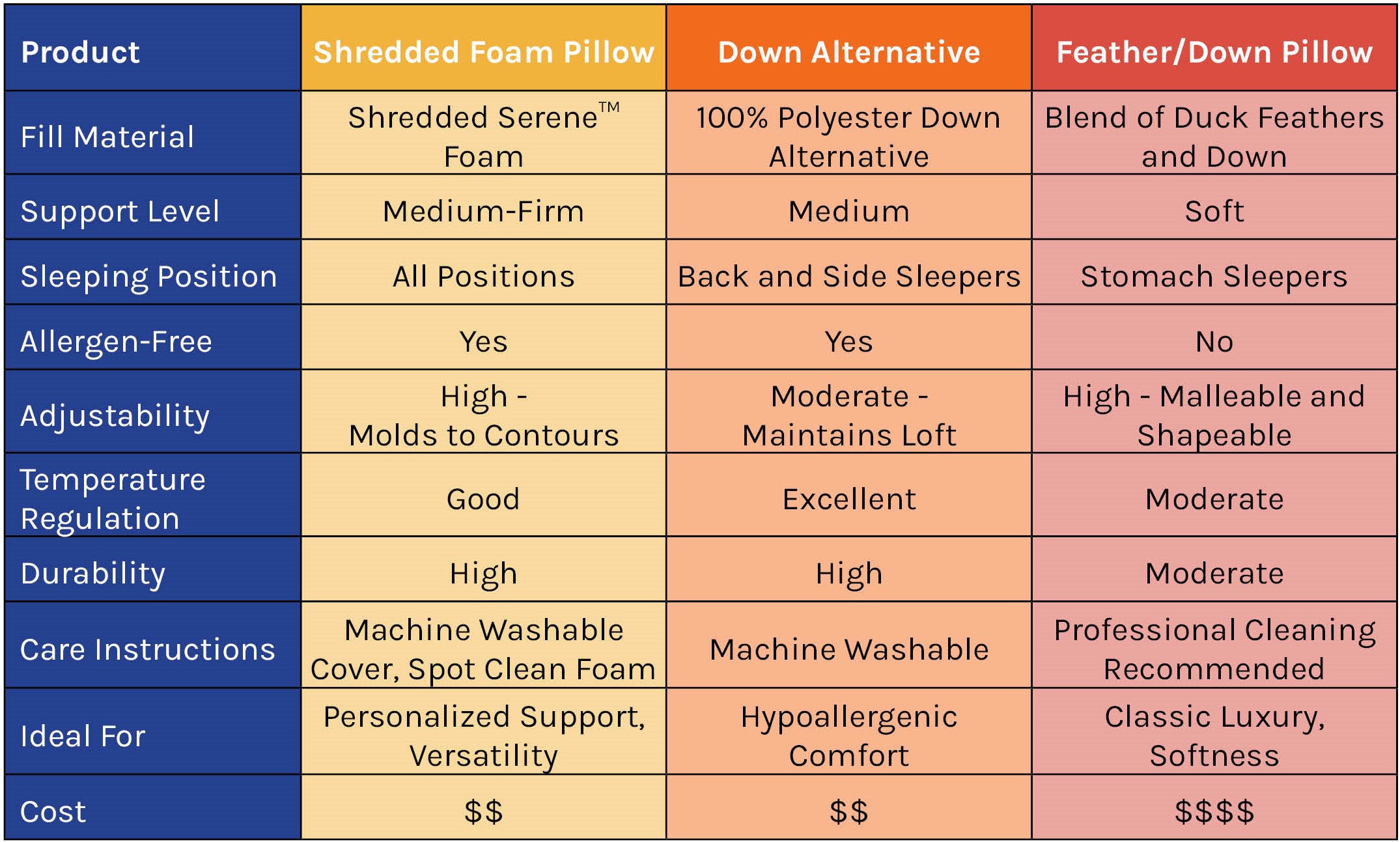
Choosing the right material reduces mold risk from the start.
Top Choices for Low Mold Risk
- Natural latex with antimicrobial properties and breathable open-cell structure
- Buckwheat hull with excellent airflow that prevents moisture buildup
- Bamboo charcoal that absorbs moisture and odors
- Wool that wicks moisture and resists mold and dust mites
- Cotton that is breathable and machine-washable
- Hollowfibre designed for quick drying and durability
Higher Maintenance Materials
- Memory foam that traps heat and moisture, requiring strict drying
- Down/feather that is organic material feeding mold, needing frequent airing
Pro Tip: Look for OEKO-TEX or GOTS-certified pillows for safer, chemical-free materials.
When to Call a Professional
Sometimes pillow mold indicates a bigger problem in your home.
Signs You Need Expert Help
Call a professional if you notice these warning signs.
- Mold on mattress, walls, or curtains
- Recurrent mold despite cleaning efforts
- Family members sick with unexplained symptoms
- Water damage in the bedroom
- Suspected HVAC or structural mold
What Professionals Do
Mold remediation specialists use moisture meters and thermal imaging to find hidden leaks. They test air quality for spore levels and clean ducts and HVAC systems. Professionals provide remediation plans and post-cleanup testing to confirm effectiveness.
Frequently Asked Questions About Moldy Pillows
How fast does mold grow on a pillow?
Mold spores can begin germinating within twenty-four to forty-eight hours with moisture. Visible colonies appear in two to six weeks, faster in high humidity above sixty percent.
Can you wash mold out of a pillow?
Only if the pillow is washable and mold is surface-level. Deep mold in memory foam or old pillows cannot be fully removed, even after multiple cleanings.
Is it safe to sleep on a moldy pillow?
No. Even small amounts of mold can trigger allergies, asthma, and long-term respiratory issues. Replace immediately if mold is present.
Does sunlight kill mold in pillows?
UV rays kill surface mold, but will not reach deep inside the pillow. Use sunlight as a preventive drying tool, not a cure for internal contamination.
Can old pillows make you sick without visible mold?
Yes. After eighteen months, pillows collect dust mites, bacteria, and fungi, even if they look clean. Replace pillows every one to two years.
Should you throw away a wet pillow?
Yes. Water-damaged pillows can grow mold in twenty-four to forty-eight hours. Replace immediately rather than attempting to clean.
Can mold spread from pillows?
Yes. Spores become airborne and settle on bedding, carpets, and furniture. Act fast to stop wider contamination.
Final Takeaway: Protect Your Sleep and Health
Mold in pillows is a hidden hazard but it is completely preventable. Surface mold on washable pillows can often be removed with hot water, vinegar, and thorough drying. However, deeply infected or non-washable pillows must be replaced to protect your health.
To stay safe, replace pillows every one to two years. Use zippered protectors. Control bedroom humidity between thirty and fifty percent. Air out pillows daily and wash pillowcases weekly.
When in doubt, throw it out. Your lungs, immune system, and sleep quality depend on it. A new pillow is a small price for peace of mind and clean, healthy sleep.