
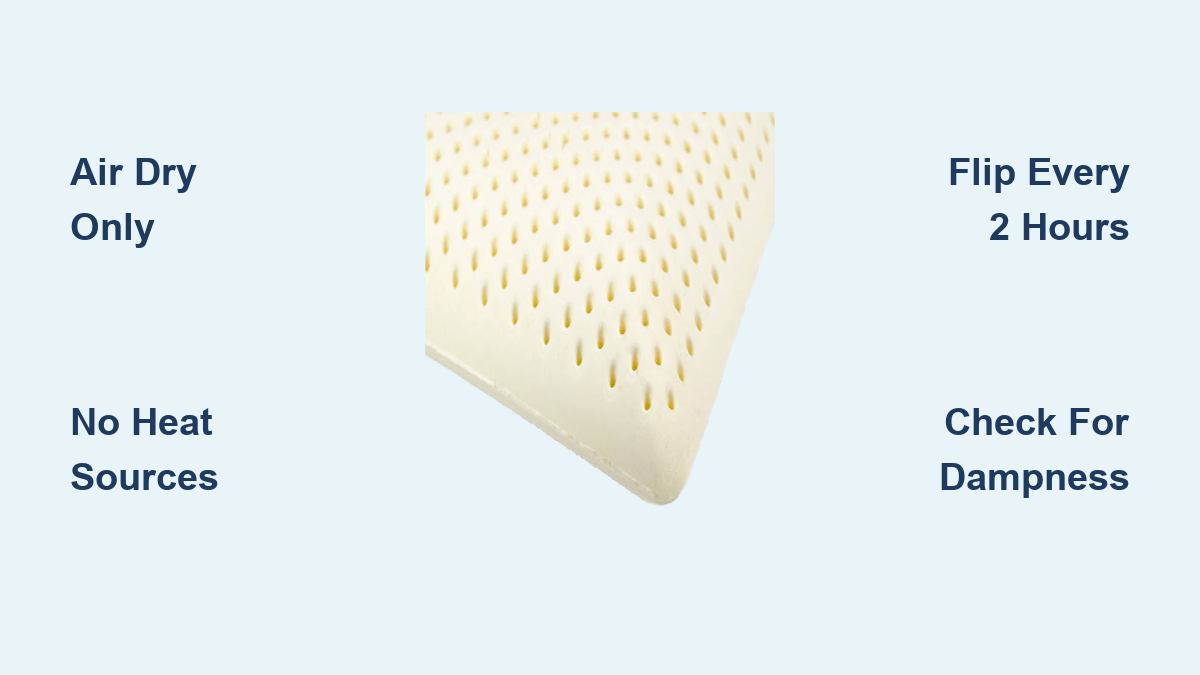
You’ve just washed your latex pillow and now face the critical drying phase. Unlike synthetic foams, latex requires special handling because heat and mechanical stress can damage its cellular structure permanently. The good news? You can dry your latex pillow safely at home without any special equipment. This guide walks you through every step, from removing excess water to storing your pillow properly, so it stays fresh, supportive, and mold-free for years.
Remove the Pillow Cover First
Always start by taking off any pillowcase or protective cover before drying your latex pillow. A clean cover prevents recontaminating your freshly dried pillow with dust, sweat, or bacteria.
Check for Removable Inserts
Some latex pillows feature zip-open outer covers that reveal inner layers. If yours has this design, remove any inserts or additional padding so air can circulate freely around each component.
Wash the Cover Immediately
Do not delay washing the cover. Cleaning it right after removal prevents soil from setting in and ensures your pillow stays clean during reassembly.
Squeeze Out Excess Water Gently
:max_bytes(150000):strip_icc()/wash-latex-memory-foam-bed-pillows-2146358-04-d2dfbd9adc3e486589e419cbe15ddebb.jpg)
After washing, your latex pillow retains significant moisture. Aggressive twisting or wringing can rupture the delicate cellular structure, permanently damaging the pillow.
Press Instead of Twist
Lay the pillow flat on a clean, absorbent towel and apply gentle downward pressure with your hands. Use firm, even strokes across the entire surface, replacing the towel as it becomes saturated.
Try the Towel Rolling Method
Roll the pillow inside a dry towel like a burrito. Apply light pressure by pressing down with your palms or gently stepping on the roll to extract more moisture without stressing the material.
Repeat Until Damp, Not Dripping
Continue pressing with fresh towels until the pillow feels damp but no longer releases water when squeezed. This step dramatically reduces overall drying time and prevents mildew formation.
Air Dry in a Well-Ventilated Space
:max_bytes(150000):strip_icc()/wash-latex-memory-foam-bed-pillows-2146358-05-9ec40f123b2f4e858fd78f477dd5f788.jpg)
Latex must dry through air circulation only. Never use a dryer because heat breaks down natural latex fibers, causing cracking, flattening, and premature degradation.
Select the Right Indoor Location
Choose a spot with steady airflow and low humidity. An open window with a fan nearby works excellently. Avoid damp basements or bathrooms where moisture lingers.
Elevate for Maximum Airflow
Place the pillow on a drying rack or mesh surface so air reaches all sides. Never lay it directly on carpet or tile, which traps moisture underneath and slows drying.
Use a Fan to Speed Drying
Direct a fan toward the pillow to boost air circulation. Keep the fan at a safe distance to avoid blowing dust onto the surface, and run it intermittently to save energy.
Dry Outside in Natural Sunlight

Sunlight naturally dries and deodorizes latex pillows without using any electricity or heat.
Wait for Ideal Weather Conditions
Choose a day with low humidity and direct sunlight. The best conditions are below 60% humidity with a light breeze to aid evaporation.
Position the Pillow Vertically
Stand the pillow on its end or lean it against a wall. This exposes both broad sides to sun and wind, significantly speeding up the drying process.
Flip After Two Hours
Turn the pillow halfway through drying to ensure even exposure. If one side remains shaded or damp, rotate it again until both sides dry uniformly.
Limit Sun Exposure Time
Do not leave the pillow in direct sunlight longer than 4 to 6 hours. Prolonged UV exposure weakens latex over time and reduces the pillow’s lifespan.
Ensure Complete Dryness Before Use
Even when the surface feels dry, the pillow’s core may still retain moisture. Using a damp pillow leads to mold growth and unpleasant odors.
Test for Remaining Moisture
Press the pillow firmly in multiple spots. If you detect any coolness or dampness, continue drying. Alternatively, wrap a tissue around the center; if it comes away damp, the pillow needs more time.
Allow Sufficient Drying Time
Most latex pillows require at least 6 to 12 hours to dry completely, depending on thickness and environmental conditions. Patience prevents damage and ensures hygiene.
Never Speed Up with Heat Sources
Avoid hairdryers, radiators, or space heaters. These create surface dryness while trapping moisture inside, creating an ideal environment for mold and bacterial growth.
Freshen with Baking Soda
If your pillow develops a slight rubber smell after washing, neutralize odors naturally with baking soda.
Apply a Light Coating
After the pillow dries completely, sprinkle a thin layer of baking soda over the entire surface. Let it sit for 30 to 60 minutes to absorb residual odors.
Vacuum Thoroughly
Use a soft brush attachment to remove all traces of baking soda. Be meticulous—leftover powder can irritate skin or lungs during sleep.
Deodorize Monthly for Best Results
For ongoing freshness, treat your latex pillow every few weeks, especially if you sweat heavily at night.
Store Properly Until Sleep Use
If you are not using the pillow immediately after drying, store it correctly to maintain its quality.
Use a Breathable Storage Sack
Choose a cotton storage bag rather than plastic. Cotton allows airflow and prevents moisture buildup during storage.
Avoid Compression
Do not stack heavy items on top of the pillow. Latex recovers well from compression, but prolonged pressure can affect loft and support over time.
Select an Ideal Storage Location
Store in a cool, dry closet or shelf away from direct sunlight and humidity. The ideal storage temperature ranges between 60°F and 75°F.
Extend Your Pillow’s Lifespan
Proper drying is just one part of keeping your latex pillow in excellent condition for years.
Spot Clean When Possible
Avoid full washes unless absolutely necessary. Most spills and stains respond well to local treatment with mild soap and water.
Rotate Weekly
Turn your pillow weekly to promote even wear and prevent moisture accumulation on one side.
Use a Pillow Protector
A waterproof yet breathable protector shields against sweat, spills, and allergens, reducing how often you need to wash and dry the pillow.
Frequently Asked Questions About Drying Latex Pillows
Can I put my latex pillow in the dryer?
No, never put a latex pillow in the dryer. The heat causes permanent damage to the natural latex fibers, leading to cracking, flattening, and reduced support. Always air dry only.
How long does it take for a latex pillow to dry completely?
Most latex pillows take between 6 and 12 hours to dry completely, depending on thickness, room temperature, and humidity levels. Thicker pillows may require closer to 12 hours.
Can I use a hairdryer to speed up drying?
No, avoid hairdryers and other heat sources. While they may seem to dry the surface, they trap moisture inside the pillow, creating perfect conditions for mold growth.
Why does my latex pillow smell after washing?
A slight rubber smell is normal for natural latex pillows. This odor fades as the pillow dries completely. Using baking soda can help accelerate odor removal.
Can I sleep on my latex pillow while it’s still slightly damp?
No, never use a damp latex pillow. Remaining moisture promotes mold growth and bacterial proliferation, which can cause health issues and damage the pillow permanently.
How often should I wash my latex pillow?
Spot clean as needed, but full washing is only necessary every few months. Using a pillow protector reduces the frequency of required washing and extends the pillow’s life.
Key Takeaways for Drying Your Latex Pillow
Drying a latex pillow properly protects your investment and ensures restful, hygienic sleep. Always squeeze out excess water gently using the towel rolling technique, never wringing or twisting. Air dry in a well-ventilated area or outdoors in sunlight, flipping every two hours for even drying. Allow 6 to 12 hours for complete dryness, testing with your hands or a tissue before use. Never use heat sources like dryers, hairdryers, or radiators. Finally, store your pillow in a breathable cotton sack in a cool, dry place when not in use. Following these steps keeps your latex pillow fresh, supportive, and durable for years to come.