
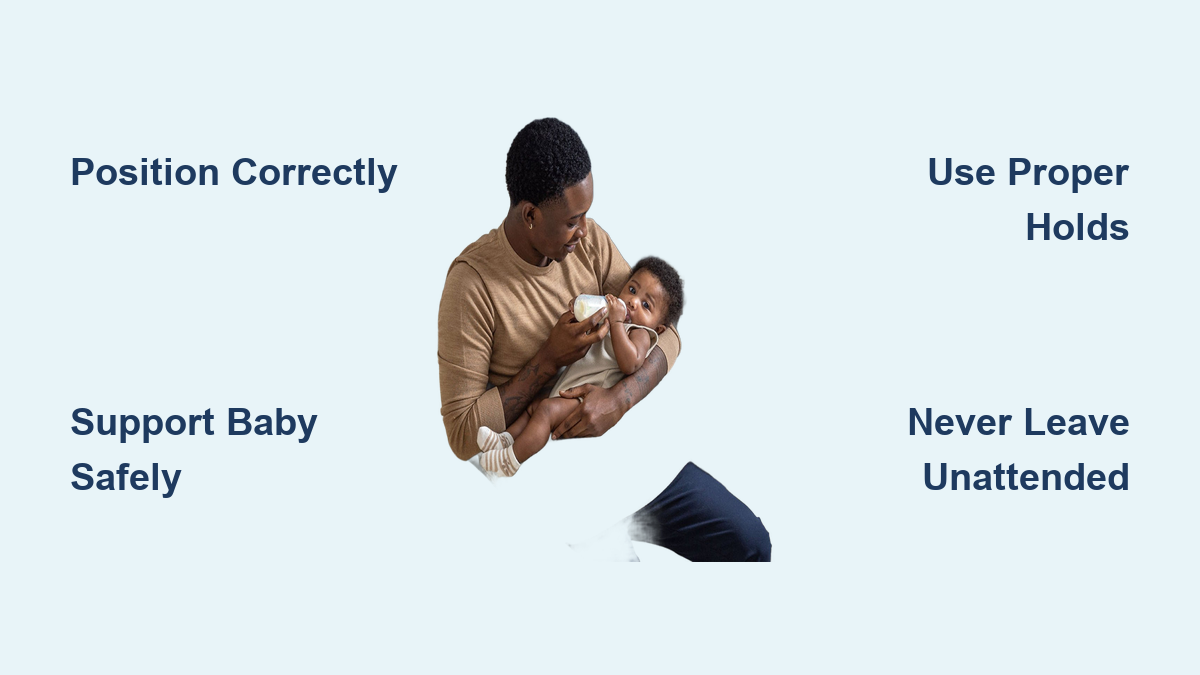
If you’re wondering how to feed with a Boppy pillow, you’re not alone. Thousands of new parents rely on this trusted tool to make breastfeeding and bottle-feeding easier, more comfortable, and safer. Designed over 34 years ago, the Boppy Nursing Pillow has evolved into a must-have for newborn care, offering ergonomic support that reduces strain on your arms, back, and shoulders while keeping your baby properly aligned during feeds. Whether you’re nursing, bottle-feeding, or managing special needs like reflux or C-section recovery, the Boppy helps you maintain ideal posture and promote successful latching.
Using a Boppy pillow correctly can transform your feeding experience. It supports your baby’s head, neck, spine, and hips in a natural, straight line, which improves swallowing, prevents choking, and encourages deep latching. Unlike regular pillows that flatten or shift, the Boppy’s firm, high-loft foam holds its shape, giving consistent elevation so your baby is level with your breast or bottle. In this guide, you’ll learn exactly how to use the Boppy pillow for every feeding scenario, avoid common mistakes, and keep your baby safe while maximizing comfort and efficiency.
Position the Boppy Pillow Around Your Body
Before feeding, it’s essential to place the Boppy pillow in the right position around your body. This ensures stability, proper alignment, and maximum support for both you and your baby. The entire purpose of the Boppy is to lift your baby to you, not the other way around.
Choose Between C-Shaped and U-Shaped Models
The original Boppy features a C-shaped design that wraps partially around your torso with an open front. It works well for cradle or football holds and fits snugly on smaller frames. The newer Boppy features a wider U-shaped structure offering a larger central opening and better weight distribution. Its firmer fill lifts the baby higher, reducing parental hunching, which makes it ideal for larger body types or those needing extra lift.
Both models are belt-less, meaning no straps or ties are required. Simply position the pillow around your waist with the open side facing forward for the U-shape or the curved side against your body for the C-shape. Sit it across your lap or thighs, ensuring it doesn’t press into your abdomen or restrict circulation.
Sit in a Supportive Chair First
To get the most benefit from the Boppy, sit in a sturdy chair with armrests and good back support. Keep your feet flat on the floor and your spine neutral while avoiding slouching or leaning forward. Use a small cushion behind your lower back if needed. This posture prevents strain during long or frequent feeds, which can happen up to 12 times per day in the early weeks.
Place the Boppy so it rests securely on your legs, not floating above them. If using a travel version with handles, ensure it’s stable before placing the baby on top. Never place the pillow on soft surfaces like beds or couches without additional support, as it may sink or shift unexpectedly.
Support the Baby Safely on the Boppy
Once the Boppy is positioned, the next step is placing your baby securely on the pillow while maintaining proper alignment and airway safety. Understanding how to feed with a Boppy pillow starts with correct baby positioning.
Align Head, Neck, and Spine Properly
Gently lay your baby on the Boppy with their ear, shoulder, and hip in a straight line. This neutral posture supports healthy spine development and efficient swallowing. Your baby’s nose should be level with your nipple or the bottle tip to encourage natural head tilt and prevent choking during feeds.
Use your hands to guide the baby initially, especially during latch or burping. The Boppy supports your arms’ weight, allowing one-handed feeding once the baby is stable and positioned correctly.
Critical Safety Warning: Never leave your baby unattended on the Boppy. It is not a sleep device and poses a suffocation risk. Always supervise use during feeding, tummy time, or play. Do not allow infants to sleep on the pillow under any circumstances.
Master Essential Feeding Positions
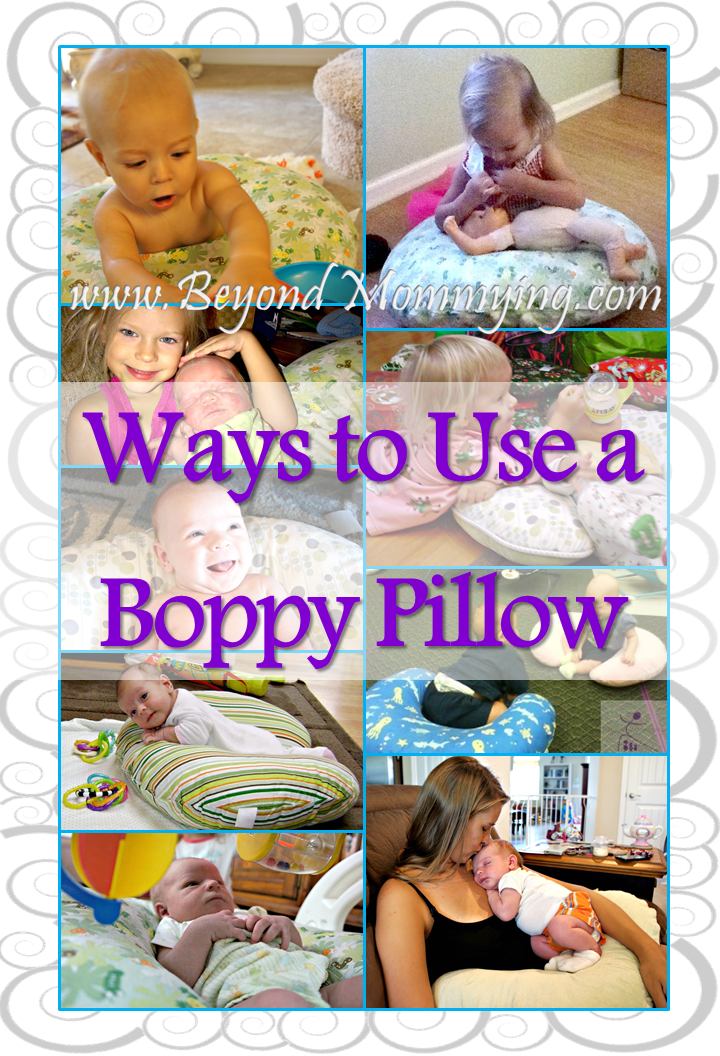
The Boppy pillow supports multiple feeding holds, each suited to different needs, body types, and recovery situations. Learning these positions ensures you can feed comfortably no matter your circumstances.
Cross Cradle Hold for Newborns
Best for first-time feeders, establishing latch, and preterm infants.
Support the baby’s head and neck with the hand opposite the feeding breast. For example, use your left hand for the right breast. Rest the baby’s back along your forearm with the Boppy supporting your arm’s full weight. Bring the baby to the breast when their mouth is wide open like a yawn. Use your free hand to shape the breast or guide the latch.
This position gives maximum control over head positioning, making it ideal for correcting shallow latch or tongue tie issues in newborns.
Cradle Hold for Older Babies
Best for babies three months and older with strong head control.
Nestle the baby’s head in the crook of your elbow, with their body resting along your forearm. Let the Boppy support your arm and the baby’s weight. Keep the baby belly-to-belly with you while ensuring their spine remains aligned.
This classic position is comfortable for daytime feeds once feeding routines are well established.
Football Hold for C-Section Recovery
Best for post-surgery recovery, twins, larger-breasted parents, and babies with reflux.
Tuck the baby along your side with legs pointing backward and head supported in your hand. Place the Boppy vertically at your side to elevate the baby to breast level. Feed from the same-side breast as the supporting arm.
For twin feeding, use a U-shaped Boppy to support both babies in a double-football hold simultaneously. This position keeps pressure off your abdomen and offers clear latch visibility.
Side-Lying Position for Night Feeds
Best for bedtime nursing, postpartum rest, and biological nursing.
Lie on your side with the baby facing you, tummy-to-tummy. Place the Boppy behind the baby’s back or under their body to maintain elevation. Keep the baby’s head slightly elevated and aligned with their body. Use a rolled towel for added stability if needed.
This position allows you to rest while feeding, reducing fatigue and supporting instinctive nursing behaviors during nighttime feeds.
Laid-Back Breastfeeding for Biological Nursing
Best for newborns, managing oversupply, or fast letdown.
Recline at a 45-degree angle with your back well-supported by cushions. Place the baby tummy-down on your chest, using the Boppy to support your arms or under your back. Allow the baby to self-latch using natural rooting reflexes.
This method reduces pressure on both parent and baby, encourages deep latching, and helps regulate milk flow naturally.
Koala Hold for Reflux or Ear Infections
Best for older infants, babies with reflux, tongue tie, or ear pain.
Sit the baby upright, straddling your thigh or hip. Support their back and shoulders with one hand while using the Boppy under the baby’s bottom for elevation. The baby nurses while sitting upright and facing the breast.
This upright position aids digestion, reduces regurgitation, and promotes eye contact during feeds.
Elevated Side-Lying Bottle Feeding
Best for paced bottle-feeding and newborns.
Position the baby on their side with back and head resting on the Boppy. Ensure ear, shoulder, and hip are vertically aligned. Keep the head slightly elevated to control milk flow and prevent choking.
This mimics natural feeding posture and helps babies self-regulate their intake, preventing overfeeding.
Optimize Latch and Feeding Efficiency
Proper positioning isn’t just about comfort. It directly impacts latch quality, milk transfer, and overall feeding success.
Achieve a Deep Latch
Wait for a wide-open mouth before bringing the baby to the breast. Aim for the baby to take in more areola than nipple, with lips flanged outward like a seal. If you feel pain, break the latch gently by inserting a clean finger at the corner of the baby’s mouth and try again.
The Boppy helps by lifting the baby to the right height, eliminating the need to lean down, which can cause back strain and poor alignment.
Prevent Choking and Overfeeding
For bottle-fed babies, use the Boppy to maintain a semi-upright or side-lying position. Keep the bottle tilted so the nipple is always full of milk, not air, to prevent gulping. This supports paced feeding where the baby controls the flow and takes breaks as needed.
Avoid propping the bottle on the pillow, as this increases choking risk and reduces bonding opportunities.
Keep Your Boppy Clean and in Good Condition
Keeping your Boppy clean and in good condition ensures long-term safety and performance.
Clean After Every Spill
The Boppy’s removable outer cover is machine-washable, a major advantage for busy parents. Wash in cold water on a gentle cycle and air dry or tumble dry on low heat. Spot clean the inner foam insert, and never submerge it in water.
Have extra covers on hand to rotate between washes, minimizing interruptions during feeding sessions.
Inspect for Wear and Damage
Check the inner pillow regularly for lumps, flattening, or tears. If the foam loses firmness or begins to break down, replace the insert. A compromised pillow won’t provide adequate support and may create uneven surfaces that affect baby alignment.
Replace the cover or pillow immediately if soiled beyond cleaning or damaged in any way.
Adapt the Boppy for Special Needs

The Boppy excels in complex or high-demand feeding scenarios.
Twin Feeding Made Easier
Use a U-shaped Boppy to support both babies simultaneously. The wider design allows space for a double-football hold or combination cradle-football setup. Position one baby on each side, using the Boppy to elevate and stabilize both. This reduces strain and makes tandem feeding manageable.
Support for Reflux, Colic, and Tongue Tie
For babies with reflux or colic, use upright positions like the koala hold or football hold with the Boppy providing elevation. This keeps stomach contents down and reduces regurgitation.
For tongue-tied infants, the cross cradle or laid-back position allows precise control over latch depth and suction, improving feeding efficiency significantly.
C-Section and Adoptive Parenting Support
The football hold with side Boppy support avoids abdominal pressure during C-section recovery. For adoptive or non-lactating parents, the Boppy aids bonding and comfort during chestfeeding or bottle-feeding with supplemental nursing systems.
Avoid Common Boppy Mistakes
Even experienced parents make errors when using a Boppy pillow. Knowing what to avoid ensures safer, more effective feeding.
Never Use as a Sleep Aid
Never let your baby sleep on the Boppy. Despite its comfort, it is not safe for infant sleep due to suffocation risks. Always transfer your baby to a crib, bassinet, or co-sleeper after feeding.
Don’t Lean Forward Toward Your Baby
One of the biggest mistakes is leaning down to meet the baby. The entire purpose of the Boppy is to lift the baby to you, not the other way around. Leaning causes back, neck, and shoulder pain over time.
Never Skip Supervision
Even during awake tummy time or play, always supervise your baby on the Boppy. Infants can roll or shift unexpectedly, especially as they gain strength and mobility.
Frequently Asked Questions About Feeding with a Boppy Pillow
How do I clean my Boppy nursing pillow?
Remove the cover and machine wash in cold water on a gentle cycle. Air dry or tumble dry on low heat. Spot clean the inner pillow, but never submerge it in water. Having extra covers on hand helps minimize laundry interruptions.
Can I bottle-feed with a Boppy pillow?
Yes, the Boppy is equally effective for bottle-fed infants. It supports proper head elevation, pacing, and posture during feeds. Use the elevated side-lying position to mimic natural feeding posture and help babies self-regulate their intake.
Which Boppy model is best for feeding?
Choose the newer U-shaped Boppy if you want higher baby elevation, reduced hunching, and better comfort across larger body types. Choose the original C-shaped Boppy if you prefer a more compact fit and lower profile for smaller frames.
Is the Boppy safe for newborns?
Yes, when used correctly and under supervision. The Boppy supports proper alignment for newborns and helps achieve optimal latch. Never leave your baby unattended on the pillow, and never use it as a sleep device.
How long can I use the Boppy pillow?
The Boppy serves multiple purposes throughout infancy. Use it for feeding support, tummy time, assisted sitting for babies six months and older, and bonding or cuddling. Its versatility extends well beyond the newborn stage.
Key Takeaways for Feeding with a Boppy Pillow
The Boppy Nursing Pillow is more than a feeding tool. It is a versatile support system that adapts to your evolving needs as a caregiver. By using it correctly across multiple positions, maintaining hygiene, and following safety protocols, you can reduce physical strain, improve feeding outcomes, and enhance bonding during the critical early months.
Remember the three most important rules. First, always lift your baby to you rather than leaning forward. Second, never leave your baby unattended on the pillow. Third, choose the position that matches your body type, feeding method, and recovery needs.
Whether you choose the original C-shaped or the newer U-shaped model, the Boppy delivers lasting value, comfort, and peace of mind, making it a smart essential addition to any newborn routine.