
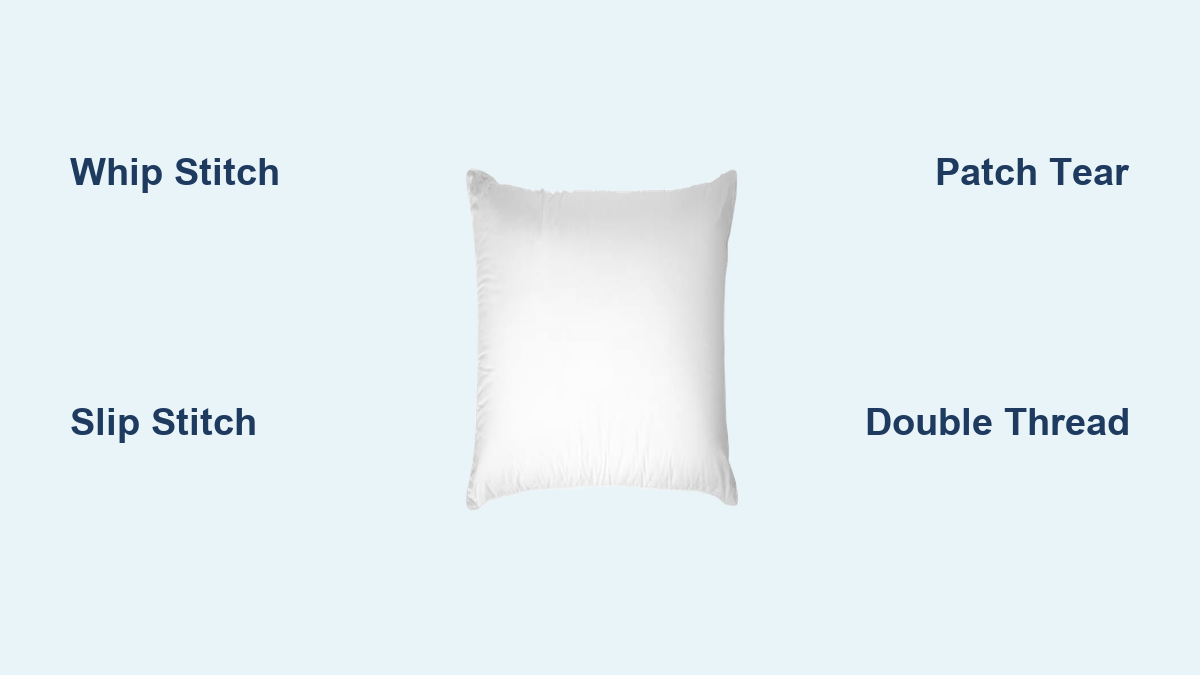
Youve just noticed a tear in your favorite pillow. Maybe the seam split open during washing, or a pet claw caught the fabric. Whatever the cause, a ripped pillow does not mean it is time to toss it most can be fixed in under 30 minutes with basic tools. Whether it is a loose seam or a full fabric tear, repairing it by hand is simple, cost-effective, and sustainable. This guide walks you through every step, from assessing the damage to choosing the right stitch. You will learn how to stop stuffing loss, reinforce weak areas, and make repairs that last.
Assess the Damage Before Starting Your Repair
Before grabbing a needle, inspect the tear to choose the best repair method. Not all rips are the same, and using the wrong technique wastes time and thread.
Identify the Rip Type
You need to determine exactly what kind of damage you are dealing with:
- Loose seam: Fabric has pulled apart along a stitched line, but edges are intact. This is common from wear or washing.
- Small tear (1-3 inches): Actual hole in fabric, possibly from snagging or pet claws.
- Large tear (over 2 inches): Significant damage with fraying or stuffing escaping.
- Frayed edges: Unraveling threads around the tear. Trim carefully to prevent spreading.
Check for Stuffing Loss
If feathers, down, or synthetic fibers are poking out, gently push filling back into the pillow. Work just inside the fabric edge to avoid catching fluff in your stitches.
Decide on Visibility Needs
Consider where the tear is located and whether it will be visible. If the pillow always stays under a case, you can use a faster, stronger method. For decorative throw pillows displayed openly, you will need an invisible technique.
Gather Essential Repair Tools
You likely already have everything you need at home. Do not buy special equipment for a simple pillow repair.
Must-Have Tools
These basic supplies work for most pillow repairs:
- Sharp hand needle: Universal size works for cotton and polyester. Use finer needles for silk or velvet.
- Strong thread: Polyester or cotton-wrapped polyester. Double it for extra durability.
- Scissors: For trimming threads and frayed edges.
- Pins or fabric clips: Hold edges together while sewing.
- Thimble (optional): Protects your finger, especially on thick fabrics.
Optional but Helpful Items
- Sewing machine: For faster, stronger repairs if the pillow can be opened.
- Fabric patch: Cotton or mending fabric for large tears.
- Tailors chalk: Mark seam lines on plain fabric.
- Iron: Press folded edges flat for a clean finish.
Close Loose Seams with Whip Stitch
This quick, strong method is perfect for reattaching separated seams. The whip stitch is the workhorse of pillow repairs.
How to Do a Whip Stitch
Follow these steps for a secure repair:
- Thread and double the thread, then tie a knot at the end.
- Start inside the pillow by inserting the needle a few inches before the tear. Pull through to hide the knot inside.
- Stitch diagonally across both edges by piercing both fabric layers with each stitch. Move forward slightly each time, keeping stitches 1/8 to 1/4 inch apart.
- Keep tension even tight enough to close the gap, but not so tight it puckers.
Finish Securely
At the end of your repair, make three backstitches. Re-enter the fabric under the last few stitches to form an internal knot. Clip the thread close to the fabric.
Best for: Pillows with covers, kids pillows, or quick fixes.
Repair Exposed Tears with Slip Stitch
Need an invisible fix? The slip stitch (also called ladder stitch) makes tears disappear completely.
Step-by-Step Slip Stitch
The slip stitch creates a nearly invisible seam that mimics factory stitching:
- Fold both edges inward about 1/4 inch. Use pins or clips to hold them in place.
- Thread your needle and tie a knot at the end.
- Start from the inside of one fold by bringing the needle out at the folded edge.
- Cross to the opposite side and take a tiny bite (1-2 mm) of the folded edge.
- Alternate back and forth, laddering across the gap.
- Pull snug after each stitch to close the opening.
Keep It Invisible
Use matching thread color for the best results. Avoid pulling too tight, which prevents puckering. On the final stitches, catch only the ridge of the fold to hide knots.
Secure the End
After your last stitch, form a loop with the thread. Pass the needle through twice to lock it. Run the needle inside the seam for 1/2 inch, then clip.
Best for: Decorative throw pillows, sentimental items, or any exposed repair.
Patch Large Tears for Long-Lasting Strength
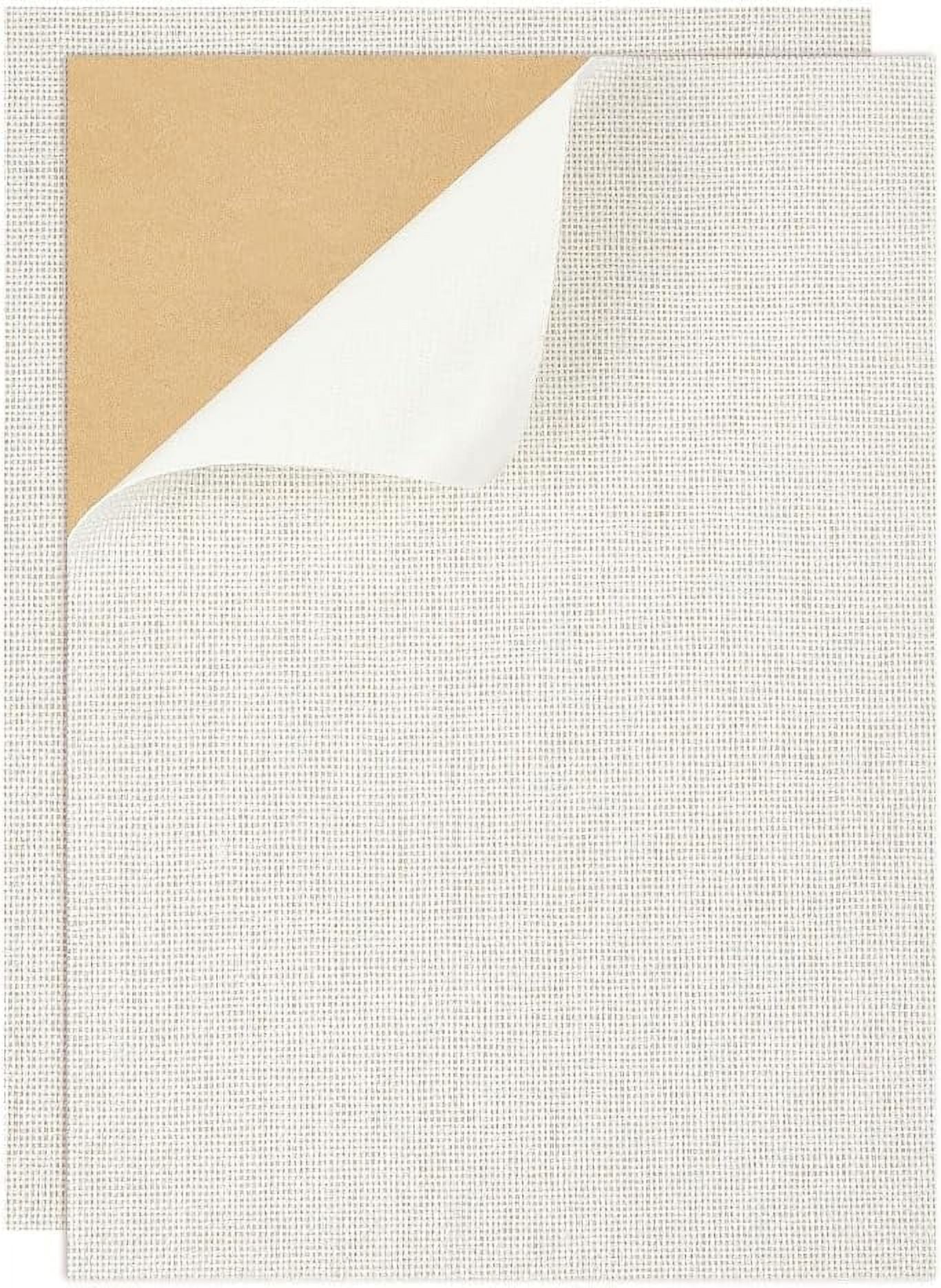
If fabric is actually torn beyond a seam split, you will need a patch. This method works for significant damage like a 6 cm rip.
Step 1: Stabilize the Edges
Use herringbone stitch or overcast stitch to close the tear temporarily. This prevents further fraying and creates a solid base for the patch.
Step 2: Cut and Position the Patch
Use cotton, polyester blend, or mending fabric. Cut the patch 1-2 cm larger than the tear on all sides. Place it on the backside of the pillow so it will be hidden under a case.
Step 3: Sew the Patch On
Choose from these stitches based on your needs:
- Whip stitch: Strong and visible on the surface.
- Running stitch: Faster but less durable.
- Blanket stitch: Decorative and tough, ideal for high-use pillows.
Sewing Tips for Patches
Use small, even stitches (3-5 mm apart). Keep the patch flat without bubbling. Pierce from the same direction each time.
Lock the Thread Without a Knot
At the end, re-enter the same spot 2-3 times. This double-pass locks the thread securely. Clip close with no external knot to prevent snagging.
Best for: Memory foam, feather, or frequently used pillows.
Why Sewn Patches Beat Iron-On Options
Iron-on patches seem convenient, but they fail quickly on pillows. Here is the comparison:
| Feature | Sewn Patch | Iron-On Patch |
|---|---|---|
| Durability | Lasts for years | Fails in months |
| Wash resistance | Survives machine washing | Peels after few washes |
| Stuffing pressure | Handles expansion | Adhesive breaks under stress |
| Edge integrity | Stays flat | Lifts and curls |
Expert tip: Even high-quality iron-on patches lose adhesion when exposed to heat, moisture, or pressure. These are exactly the conditions pillows experience every night.
Use a Sewing Machine for Speed and Strength
If your pillow has an envelope closure or removable insert, machine sewing is ideal.
Machine Repair Steps
- Fold edges inward 1/2 inch.
- Pin or clip closed.
- Use straight stitch, 1/2 inch from edge.
- Backstitch at start and end to lock.
- Trim thread tails.
- Press seam flat if fabric allows.
Best for: Thick fabrics, high-use pillows, or multiple repairs.
When to Call a Professional
Some pillows are worth expert care. Consider professional repair for sentimental or high-value items.
Tailor Repair: What to Expect
- Cost: $10-$30 per pillow.
- Services: Thread matching for invisible repairs, work on delicate fabrics, industrial-strength stitching.
- Best for: Sentimental or vintage pillows, high-end down or orthopedic models, decorative pillows with intricate designs.
Pro insight: A tailor can often restore a pillow to better-than-new condition, especially if the original stitching is damaged.
Prevent Future Rips with Simple Care
Fixing a tear is easy. Keeping it from happening again is even smarter.
Daily Prevention Tips
- Use pillow protectors or cases to absorb friction and block moisture.
- Inspect regularly for loose seams or small snags.
- Avoid overstuffing because extra filling stresses seams.
- Wash gently using hand-wash or delicate cycle with pillow in a mesh bag.
- Air out monthly to prevent moisture buildup that weakens fabric.
After Repair Care
- Spot-clean the area first.
- Machine wash only if fully secure. Test by pressing on the seam.
- Dry flat or on low heat. High heat weakens thread.
- Never bleach near the repaired area. Chemicals degrade fibers.
Choose the Right Method for Your Pillow
Match the fix to the pillow use and filling type:
| Pillow Type | Recommended Method | Why |
|---|---|---|
| With cover | Whip stitch | Fast, durable, appearance does not matter |
| Decorative (exposed) | Slip stitch | Nearly invisible finish |
| Feather/down | Tight whip or slip stitch | Prevents fine fluff from escaping |
| Memory foam | Reinforced patch | Handles internal pressure |
| Kids or pet pillow | Double whip or blanket stitch | Withstands chewing and rough use |
| Sentimental/vintage | Professional or hand-stitched | Preserves value and fabric |
Master These 3 Foundational Stitches
Every pillow repair uses one of these core techniques. Practice on scrap fabric first.
1. Whip Stitch
Use this for re-closing seams and attaching patches. It has high strength and moderate visibility.
2. Slip Stitch
Use this for closing openings on visible surfaces. It has medium strength but very low visibility.
3. Herringbone Stitch
Use this for stabilizing torn edges before patching. It has high strength and creates a flat finish.
Pro tip: Master tension and stitch size on scrap fabric first. It makes all the difference.
Key Takeaways for Fixing Your Ripped Pillow
A ripped pillow is not trash. It is a five-minute sewing project that saves you $50-$200 in replacement costs. Whether you use a whip stitch for a quick seam closure or a slip stitch for an invisible fix, the repair will restore both function and comfort.
The three essential stitches (whip, slip, and herringbone) cover nearly every repair scenario. Use strong doubled thread, keep stitches close together (especially for down pillows), and always hide knots inside the fabric. For large tears, sewn patches outperform iron-on options by years.
With the right technique and a few basic tools, you can extend your pillow life for years. And once you have done one, you will feel confident tackling cushions, toys, and more. Do not replace. Repair.
Frequently Asked Questions About Fixing a Ripped Pillow
Can I fix a pillow that is leaking feathers or down?
Yes. Push the filling back inside first, then close the opening with tight stitches (no more than 1/8 inch apart). The slip stitch or whip stitch both work well for containing fine filling.
What thread should I use to repair a pillow?
Use polyester or cotton-wrapped polyester thread. Double the thread for extra strength and durability. Match the color to your fabric if the repair will be visible.
How long does it take to fix a ripped pillow?
Most repairs take 15-30 minutes. A simple loose seam with a whip stitch is the fastest (about 5 minutes). Large tears requiring a patch take longer.
Can I use an iron-on patch for a pillow repair?
Avoid iron-on patches for pillows. They fail quickly because pillow filling creates constant pressure and moisture. Sewn patches last for years.
Should I wash my pillow after repairing it?
Wait at least 24 hours before washing. Spot-clean first, then machine wash only if the repair is fully secure. Test by pressing firmly on the seam.
When should I take my pillow to a tailor?
Take it to a professional for delicate fabrics like silk or velvet, sentimental items, vintage pillows, or high-end orthopedic models. Costs range from $10-$30 per pillow.